You’ve had a few great dates. The chemistry is there. Now someone suggests dinner at a nice restaurant — and suddenly you realize you have no idea how three people walk into a restaurant together without every table turning to look. Going out in public as a threesome comes with dynamics most guides never mention.
This isn’t about hiding who you are. It’s about navigating public spaces with intention — so you can enjoy a dinner, a movie, or a weekend trip without spending the whole time managing other people’s curiosity. Whether you’re a couple with a regular third or three singles building something new, these strategies will help you feel more comfortable and connected when you step out together.
Table of Contents
- The Reality No One Talks About
- Before You Go Out: The Couple Conversation
- Restaurants, Bars, and Cafes: Getting It Right
- Handling Nosy Questions Without Losing Your Cool
- Making Your Third Feel Included, Not Like a Guest Star
- Travel and Overnight Trips as a Threesome
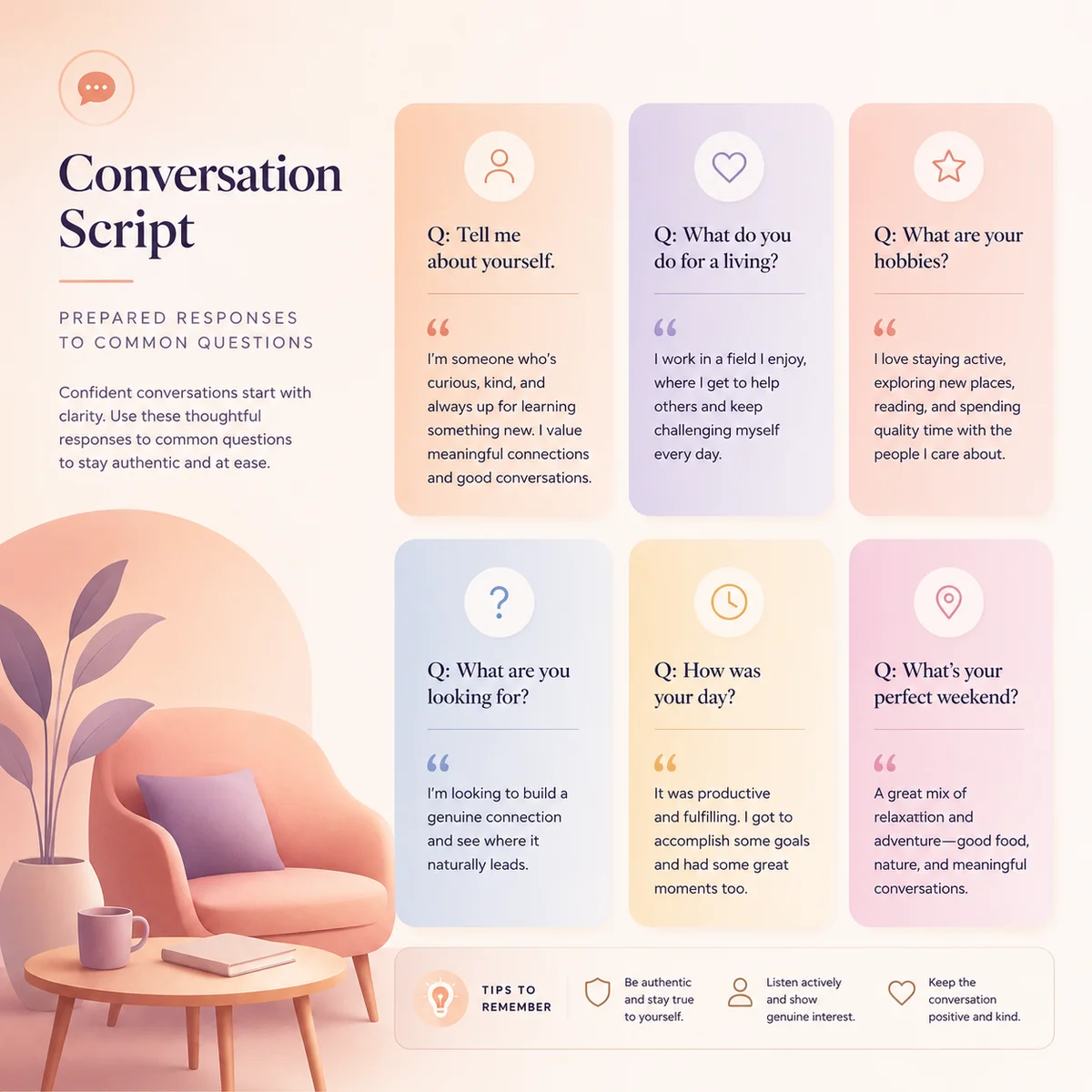
- Conversation Scripts for Common Scenarios
The Reality No One Talks About
Here’s what actually happens the first time three people walk into a restaurant: the host asks “table for three?” and you say yes, and they seat you at a table for three, and nothing dramatic unfolds. The anxiety is almost always bigger than the reality.
That said, the social friction is real — just not in the ways people expect. It’s not strangers staring (most are too absorbed in their own lives to notice). It’s the small stuff: Who sits where? Who pays? When the server asks “are you celebrating anything?” do you answer honestly or deflect? These micro-decisions stack up quickly, and without a plan, they can drain the energy from what should be a fun outing.
What makes public outings genuinely different for a threesome versus a couple is the third-person visibility factor. Two people together is default. Three people of mixed genders triggers a subtle social calculus — people’s brains try to categorize the relationship, and when they can’t, they sometimes stare a beat too long. It’s not hostility; it’s cognitive dissonance. And it’s manageable. Our guide on handling social stigma explores the broader context of navigating public perception.

Before You Go Out: The Couple Conversation
If you’re the couple in the dynamic, the most important conversation happens before you ever leave the house — and it’s not the conversation you have with your third. It’s the one you have with each other.
Agree on public behavior beforehand. Are you comfortable with light physical affection in public? Hand-holding? A quick kiss? Different couples have wildly different comfort levels here, and there’s no wrong answer — but there is a wrong time to figure it out, and that time is in the middle of a restaurant. One partner assuming “we act like friends in public” while the other assumes “we’re out on a date” creates tension that everyone at the table will feel.
Discuss how you’ll handle the check. Money is awkward enough in dating. With three people, it gets multiply awkward. Will you as the couple cover everything? Split three ways? Take turns? The right answer depends on your dynamic, but the wrong answer is “we’ll figure it out when the bill comes.” Have a plan. If you’ve read our financial boundaries guide, you already know that clarity around money prevents more resentment than almost any other single conversation.
Plan the seating arrangement. It sounds trivial. It’s not. Who sits next to whom sends a message — to each other and to anyone watching. If one person consistently gets the “third wheel” position across the table, they’ll notice. Rotate. Or better yet, choose booth seating where everyone sits side-by-side.

Restaurants, Bars, and Cafes: Getting It Right
Different venues create different social dynamics. Here’s what works — and what to avoid — for each:
Restaurants. Pick places with booth seating or round tables. Avoid long rectangular tables that force one person to sit alone on one side. Make a reservation so you’re not standing in a crowded entryway while the host scrambles to find a table — nothing amplifies self-consciousness like being on display in a waiting area. When the server asks “separate checks?” have your answer ready.
Bars. Belly up to the bar rather than grabbing a table. Three people at a bar counter actually looks more natural than three people at a small table — the bar format encourages casual, side-by-side conversation. Plus, you can rotate positions easily when someone goes to the restroom.
Cafes. The easiest option. Cafes are inherently casual, nobody cares who you’re with, and the environment naturally supports the kind of relaxed conversation that builds real connection. This is where you should take a new third for the first public outing — low stakes, easy exit, and coffee is coffee.
One universal rule: avoid the restaurant-as-first-public-outing trap. A multi-course dinner locks you into 90+ minutes with someone you might realize after 20 minutes you don’t actually enjoy in public. Start with coffee or drinks. For more on navigating the early stages, our guide on finding a third safely walks through the progression from first contact to first meeting.

Handling Nosy Questions Without Losing Your Cool
Someone is going to ask. It might be a well-meaning friend, a tipsy acquaintance, or a server who’s genuinely just trying to make conversation. The question usually lands somewhere between “So… how do you all know each other?” and the more direct “Wait, are you three together?”
You don’t owe anyone an explanation. This is worth sitting with. You’re not doing anything wrong, and you don’t need to justify your relationship structure to strangers or even friends who haven’t earned that conversation. But “none of your business” is rarely the move if you want to preserve relationships. The art is in calibrated honesty — giving enough to satisfy curiosity without opening yourself up to a cross-examination.
The best approach depends on who’s asking and your relationship with them. For strangers or casual acquaintances, a warm but vague answer works: “We’re all friends — great company for a night out.” For closer friends who you’re not ready to come out to, you might say “We’ve gotten close recently, it’s been really nice.” The key is keeping your tone relaxed and unbothered — defensiveness signals that there’s something to defend, which invites follow-up questions.
For the nosy stranger who won’t let it go? “We’re enjoying our evening, thanks for asking” with a smile and a redirect is the conversational equivalent of closing a door. Most people take the hint. For more on managing disclosure, see our guide on protecting your privacy in threesome dating.

Making Your Third Feel Included, Not Like a Guest Star
If you’re the couple, your third is the person most likely to feel like an outsider in public. You have an established dynamic, shared history, and probably a shared set of references and inside jokes. Your third has none of that — and being in public can amplify the feeling of being the “add-on.”
Check your couple privilege at the door. This means no private whispers at the table. No “remember that time we…” stories that exclude them from the conversation. No assuming the default seating is you-two-together-and-them-across. If your dynamic only works when you’re functioning as a unit against the world, it’s going to crumble the moment you’re in a space where the world can actually see you.
Let the third lead sometimes. Ask them where they’d like to sit. Let them order first. If they suggest a place they love, go there — even if it’s not your favorite. These small gestures communicate something important: you’re not just bringing them along for your date, you’re all on a date together.
Watch for signs of discomfort. Is your third getting quiet? Checking their phone? Giving short answers? These are signals that something’s off. A quick check-in — “Hey, you doing okay?” — can head off a spiral before it starts. The communication strategies that work during intimate moments work in restaurants too: stay attuned, check in, and course-correct early.
Travel and Overnight Trips as a Threesome
Traveling together as three people is a relationship accelerator — in both directions. It can deepen your connection dramatically, or it can expose fault lines you didn’t know existed. The difference usually comes down to logistics.
Book accommodations with intention. A single hotel room with one bed sounds romantic until someone wants space. Get a suite with a separate living area, or two connecting rooms. Everyone needs a place to retreat to, especially on multi-day trips. The goal is togetherness with an off-ramp.
Plan solo time. Block out windows where each person can do their own thing — even if it’s just an hour at the hotel gym or a solo walk. Constant togetherness isn’t intimacy; it’s just proximity, and it exhausts anyone.
Address sleeping arrangements before you pack. Who sleeps where on which nights? Is there a rotation? Does the couple always sleep together or does that shift? These conversations feel awkward in the abstract but they’re infinitely better than negotiating them at 1am after a long travel day.
A weekend trip is one of the best ways to see if your dynamic actually works beyond the structured environment of dates and events. It’s also where you’ll discover whether you genuinely enjoy each other’s company in the unglamorous moments — waiting for a delayed flight, navigating a foreign subway, deciding where to eat when everyone’s hangry. According to research on non-monogamous relationship satisfaction published by Psychology Today, couples who successfully navigate shared travel with additional partners report higher overall relationship satisfaction than those who keep their dynamics strictly compartmentalized.
Conversation Scripts for Common Scenarios
Having a few prepared responses in your back pocket removes the panic from unexpected moments. Here are scripts that actual people in non-monogamous dynamics have found useful:
| Scenario | What You Can Say |
|---|---|
| Server asks “Are you celebrating?” | “Just a night out with people I care about — that’s worth celebrating.” |
| Friend asks “Who’s your new friend?” | “This is Alex — we’ve been spending time together and it’s been really lovely.” |
| Stranger asks “Are you three together?” | “We’re enjoying each other’s company tonight, yes.” (said with a warm smile, then redirect) |
| Family member notices you three are always together | “We’re close. Our dynamic works for us and I’m happy — that’s what matters most to me.” |
| Your third seems uncomfortable in a restaurant | (Quietly, to them): “Hey, I’m getting a weird vibe from this place — want to grab dessert somewhere else?” |
The thread running through all of these: warmth without apology, honesty without oversharing. You’re not hiding, but you’re also not obligated to educate every curious person who crosses your path. Protect your peace first.

Going out as a threesome gets easier every time you do it. The first few outings might feel like you’re hyper-visible — but you’ll quickly realize that most people are too absorbed in their own lives to notice yours. What matters isn’t how the world sees you. It’s whether the three of you feel comfortable, connected, and genuinely glad to be at that table together. Everything else is background noise.
If you’re looking to connect with people who share your approach to non-monogamous dating, 3Cupid is built specifically for couples and singles seeking threesome connections — with privacy tools and community guidelines that support exactly these kinds of dynamics. You might also find our guide on navigating lifestyle events helpful for the next step in your journey.
This article is part of our Social Navigation series, helping you build confidence in every aspect of threesome dating — from private conversations to public spaces.