
Unicorn dating is one of the most talked-about dynamics in ethical non-monogamy — and honestly, one of the most misunderstood. If you’re a couple curious about finding a third partner, or a single person who keeps getting approached by couples and isn’t sure what to make of it, you’re in the right place.
This guide is a straightforward introduction. No jargon. No patronizing tone. Just what unicorn dating actually means, who it works for, and how to approach it without hurting people along the way.
What Is Unicorn Dating, Really?

In simple terms, unicorn dating is when a couple seeks a third person — typically a bisexual or pansexual woman — to join them romantically, sexually, or both. The “unicorn” is the third partner, so named because people willing to step into this dynamic are rare and, when treated well, genuinely special.
But here’s the thing people gloss over: unicorn dating exists on a spectrum. Some couples want a one-time experience. Others are looking for a recurring connection. A smaller number genuinely want a full triad — an equal three-way relationship where nobody is secondary. The type you’re looking for changes everything about how you should approach it.
And yes, the term has baggage. You’ll hear the phrase “unicorn hunting” thrown around in polyamory circles — and it’s almost never a compliment. That’s because historically, couples have treated unicorns as accessories to their existing relationship rather than as full human beings with their own needs. More on that distinction later, but for now, know this: the gap between ethical unicorn dating and unicorn hunting is mostly about how you treat the third person.
Who Is Unicorn Dating For?

Short answer: it’s for people who are already emotionally grounded and have done the internal work. That might sound like a cop-out, but it’s the truth.
For couples, unicorn dating tends to work best when your own relationship is genuinely stable. Not perfect — no relationship is — but stable enough that you’re not looking for a third person to fix something between the two of you. If your motivation is “we’re bored” or “we’re drifting apart and need excitement,” pump the brakes. A third person isn’t a repair kit.
For singles considering being a unicorn, this path works when you feel confident about your own boundaries, know what you want, and feel zero pressure to agree to things you’re not comfortable with. If a couple’s profile makes you feel like you’d be auditioning for a role rather than joining a connection, trust that instinct.
A VeryWell Mind piece on throuple dynamics puts it well: the healthiest multi-person relationships happen when everyone involved has done their individual emotional homework first. Unicorn dating is no different.
The Big Distinction: Ethical Unicorn Dating vs. Unicorn Hunting
This is the conversation you can’t skip. Unicorn hunting has a reputation problem for a reason — it usually involves couples who’ve never questioned their own couple privilege, haven’t talked through what happens when things get complicated, and treat the unicorn like a guest with an expiration date.
Here’s a quick way to tell which side you’re on:
- Unicorn hunting sounds like: “We’re looking for someone to join us. Must be into both of us equally. No drama. No strings. Know your place.”
- Ethical unicorn dating sounds like: “We’re a couple open to connecting with a third person. We’ve talked through our boundaries and expectations. We want to hear what you need, not just tell you what we want.”
One is transactional. The other is relational. If you’re a couple reading this, sit with that difference. Your approach broadcasts your intentions way louder than your words ever will.
For a deeper look at understanding couple privilege and how it shapes these dynamics, we’ve written about that directly — it’s worth reading before you message anyone.
What Couples Should Know Before Starting
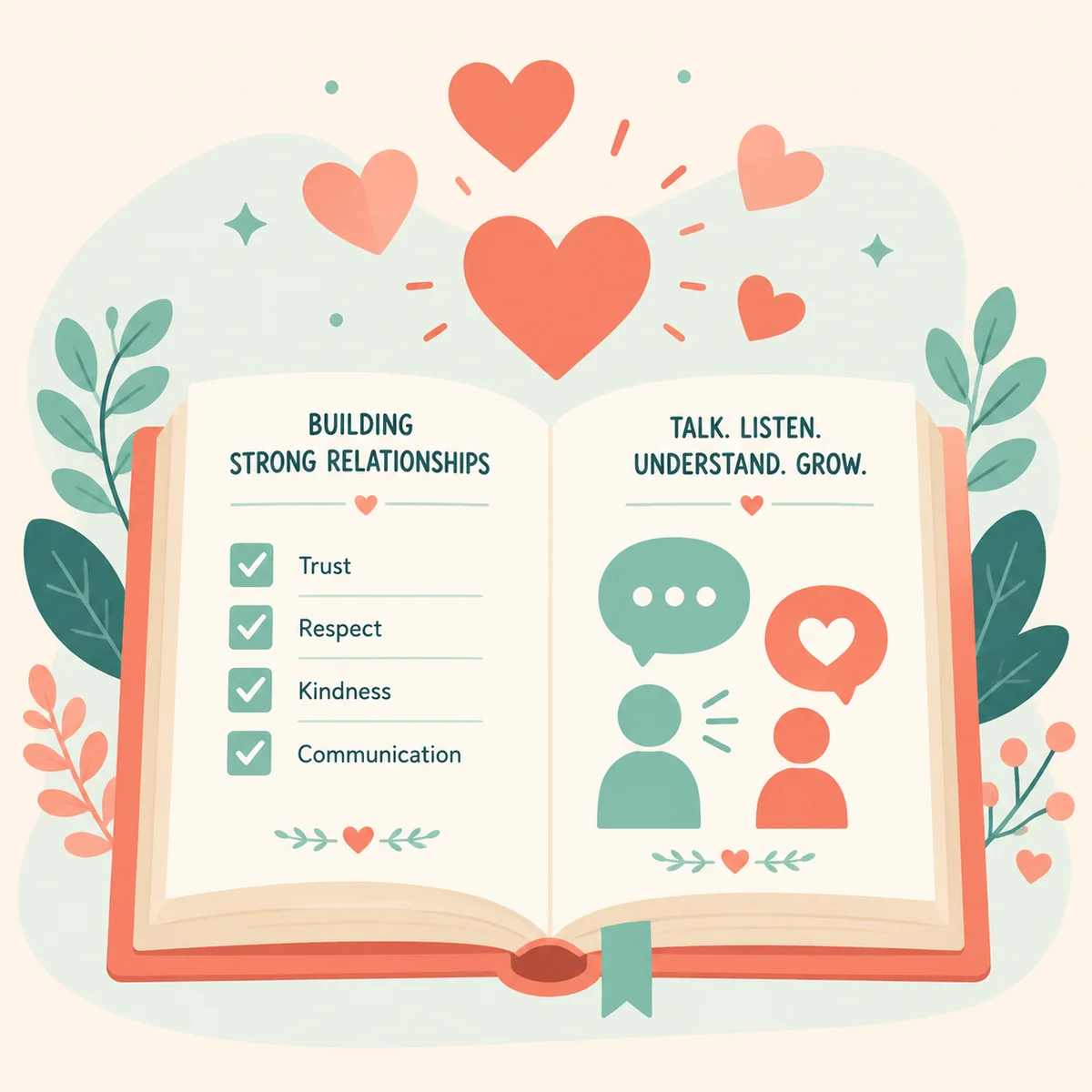
If you and your partner are serious about unicorn dating, here are the non-negotiables to sort out first.
Talk about the “what ifs” before they happen. What if one of you develops stronger feelings? What if the unicorn only connects with one of you more? What if someone wants to stop? These conversations feel awkward, but having them upfront is what separates adults from people who create messes.
Write down your agreements. Not a contract, just a shared document of what you’ve both agreed to. It keeps you accountable and stops the “I thought you said…” arguments before they start.
Don’t make the unicorn your relationship project. She’s not here to help you explore your sexuality together. She’s a person with her own life, her own preferences, and her own limits. Frame every conversation around what everyone wants, not just what the two of you want.
Be honest about what you’re offering. If you’re not offering an equal triad, say so. If you’re only looking for something casual, say so. If there are rules about how often you can see her or whether you can see her separately, say so. Surprises later create resentment.
Once you’ve done that groundwork, we have a detailed resource on dating as a single person that helps couples understand the other side of the table.
What Singles Should Know Before Saying Yes

Being approached by a couple can feel exciting, flattering, and sometimes overwhelming — all at once. Here’s what to keep in your back pocket.
You get to ask questions. Lots of them. How long have they been together? Have they done this before? What are their rules? Do they date separately or only together? A couple who gets defensive about basic questions is a couple you don’t want to meet.
Watch how they treat each other. If they seem to have unresolved tension, passive-aggressive vibes, or one partner seems way less enthusiastic than the other — those are cracks that will widen once you’re involved.
Red flags aren’t subtle. If they say things like “no drama” in their profile, mean it as a warning. If they mention a “one penis policy,” ask why. If they use “we” for every sentence and never ask what you want, that’s couple privilege in action — and you’ll feel it later.
Your safety comes first. Always meet in public first. Tell a friend where you’re going. Don’t let anyone pressure you into skipping the getting-to-know-you phase. Trust takes time, and anyone worth connecting with respects that.
For a thorough walkthrough of what being a respected third partner looks like from the inside, check out our full unicorn perspective guide.
Practical Module: Your First Conversation Checklist
Whether you’re the couple or the unicorn, use this checklist before your first real conversation about meeting up.
- For couples: Have you discussed what happens if one of you wants to stop? (Yes / Not yet)
- For couples: Can the unicorn say no to one of you without being rejected entirely? (Yes / We haven’t decided)
- For couples: Have you agreed on what level of emotional connection you’re open to? (Clear / Vague)
- For unicorns: Have you identified 3 personal boundaries you won’t compromise? (Yes / Still figuring it out)
- For unicorns: Do you know where you’d meet them for the first time — and is it a public place? (Yes / Haven’t planned)
- For everyone: Has anyone mentioned STI testing and safer sex practices yet? (Yes / Not discussed)
If you answered “Not yet” or “Vague” to more than one of these, slow down. These aren’t buzzkill questions — they’re the scaffolding that keeps everyone safe.
Common Unicorn Dating Mistakes (And How to Sidestep Them)
Mistakes happen, especially when you’re new. But some are so predictable they’re worth calling out before you make them.
Mistake #1: Treating the unicorn like a guest star. She’s not a special episode of your relationship show. She has equal say in what happens, how fast things move, and when they stop. If your conversations consistently revolve around what you want as a couple, you’re centering yourselves too much.
Mistake #2: Skipping the post-meeting check-in. After you hang out, check in. Not just with the unicorn — with each other. How did you feel? What worked? What didn’t? These conversations keep small resentments from growing into big ones.
Mistake #3: Assuming exclusivity without asking. Unless you’ve explicitly discussed it, don’t assume the unicorn isn’t seeing other people. And unicorns: don’t assume the couple isn’t talking to other potential thirds. Clarity beats assumptions every time.
Mistake #4: Ghosting when things get real. If you change your mind, say so. If the chemistry isn’t there, say so. Disappearing after weeks of conversation is cruel, and in a community as small as non-monogamous dating, word gets around.
Where to Actually Start
So you’ve read the guide. You understand the difference between ethical unicorn dating and unicorn hunting. You’ve had the hard conversations. Now what?
Start with platforms designed for this kind of connection. Generic dating apps aren’t built for couples seeking thirds — you’ll spend more time explaining yourself than actually meeting people. Look for spaces where non-monogamous dating is the norm, not the exception. Be upfront in your profile, use clear photos, and let your words reflect that you’ve done the thinking.
And remember: staying safe in unicorn dynamics isn’t optional. It’s the baseline. Verify who you’re talking to. Meet in public. Trust your gut. The right connection is worth the patience.
Unicorn dating, done well, can be genuinely beautiful. It can lead to connections that surprise all three people involved. But it only works when everyone comes to the table as an equal — with honest intentions, clear boundaries, and the willingness to treat each other like people, not fantasies.
This guide was written by the 3Cupid editorial team to help couples and singles navigate unicorn dating with clarity and care. We update our resources regularly as the conversation around ethical non-monogamy evolves.