Finding a third partner for a unicorn dating experience isn’t like regular dating — and it shouldn’t be approached the same way. When you’re a couple seeking a single person to join your dynamic, you’re asking someone to step into an existing relationship that has its own history, rhythms, and built-in power structure. If you charge ahead without genuine care, you risk hurting someone — and burning bridges in communities where word travels quickly.
This guide covers how to find a unicorn respectfully — what to do before you start looking, where to look, how to communicate, and how to build something that works for all three people, not just the couple. The difference between an experience everyone treasures and one that leaves someone feeling used often comes down to the work you do before you ever send that first message.

Research on ethical non-monogamy consistently shows that clear communication and mutual respect are the strongest predictors of positive experiences. As VeryWell Mind explains in its guide to ENM, the foundation of any healthy non-monogamous dynamic is enthusiastic consent and ongoing dialogue — principles that apply directly to the process of finding a third partner respectfully.
Start With Your Own Relationship
Before you download a single app or write a single line of a profile, the most important work happens between you and your partner. This isn’t optional — it’s the foundation everything else rests on.
Get clear on your “why.” Have an honest conversation about why each of you wants this. Is it shared curiosity? A long-standing fantasy? A desire to explore non-monogamy more broadly? If your answers don’t align, that’s not a dealbreaker — but it is something you need to work through before involving another person. A third partner is not a tool for resolving unspoken tensions between two people.
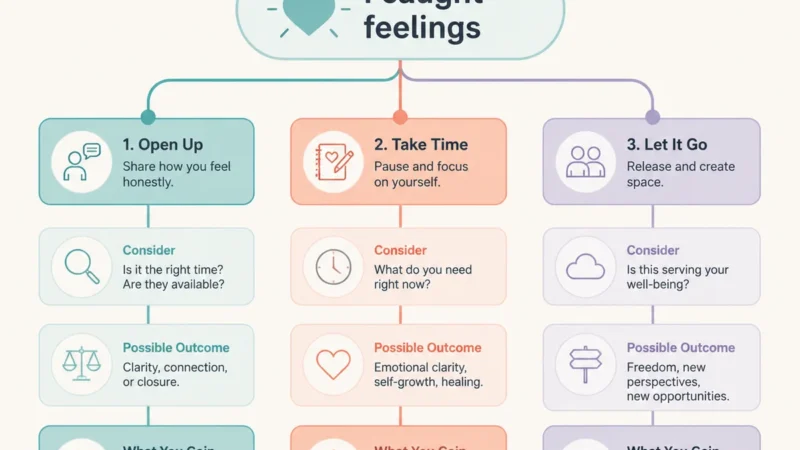
Talk about jealousy — not as a problem to eliminate, but as a normal emotion to manage. Jealousy will almost certainly come up at some point. The goal isn’t to be jealousy-proof; it’s to have a plan for what you’ll do when it surfaces. Will you call a timeout? Talk it through together? Journal first, then discuss? Having a shared vocabulary for difficult feelings before they arrive makes a huge difference.
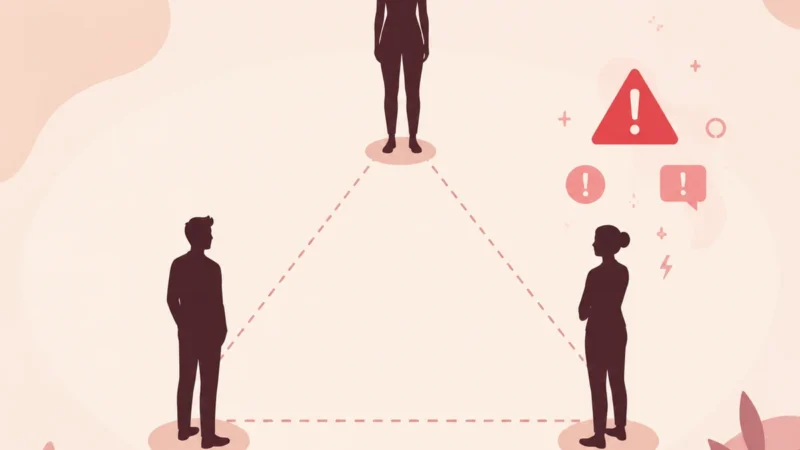
Examine your couple privilege. As an established couple, you have built-in advantages: shared history, mutual friends, financial entanglement, social recognition. None of these are bad on their own, but they create a power imbalance when a third person enters the picture. Acknowledging that imbalance — and committing to actively counterbalance it — is one of the most important things an ethical couple can do. For a structured approach to this preparation, see our ethical unicorn dating checklist.

Where to Look (and Where Not To)
Not all platforms are created equal when you’re seeking a third partner. Some spaces are designed for this; others will get you flagged, blocked, or — worse — leave a trail of uncomfortable interactions that make you rethink the whole thing.
Places That Work
- ENM-specific dating platforms: Apps and sites built for non-monogamous dating — including 3Cupid — are designed for exactly this kind of connection. People on these platforms know what they’re signing up for, which means fewer awkward explanations and more compatible matches.
- Polyamory and ENM meetup groups: In-person or virtual events where you can meet people in a low-pressure, community-oriented setting. These are great for building genuine connections, not just transactional ones.
- Lifestyle and swinger communities: If you’re looking for something more casual and experience-focused, lifestyle platforms and events offer a space where expectations tend to be clearer from the start.
Places to Avoid
- Mainstream dating apps if you’re using a joint couple profile: Most mainstream apps are designed for one-on-one connections. A joint profile often reads as invasive or deceptive to the singles using those platforms — and many apps will ban couple profiles outright.
- Lesbian and queer women’s spaces: If you’re a heterosexual couple seeking a bisexual woman, do not infiltrate spaces built for women seeking women. It’s disrespectful and reinforces the exact predatory patterns that give unicorn hunting its bad name.
- Friend groups and social circles: Approaching friends to be your third can get messy fast. Even if the initial conversation goes well, the potential fallout can ripple through your entire social network.
If you’re completely new to this landscape, reading up on what unicorn dating involves will help you understand which platforms and approaches make sense for your specific situation.
How to Write a Profile That Doesn’t Scare People Off
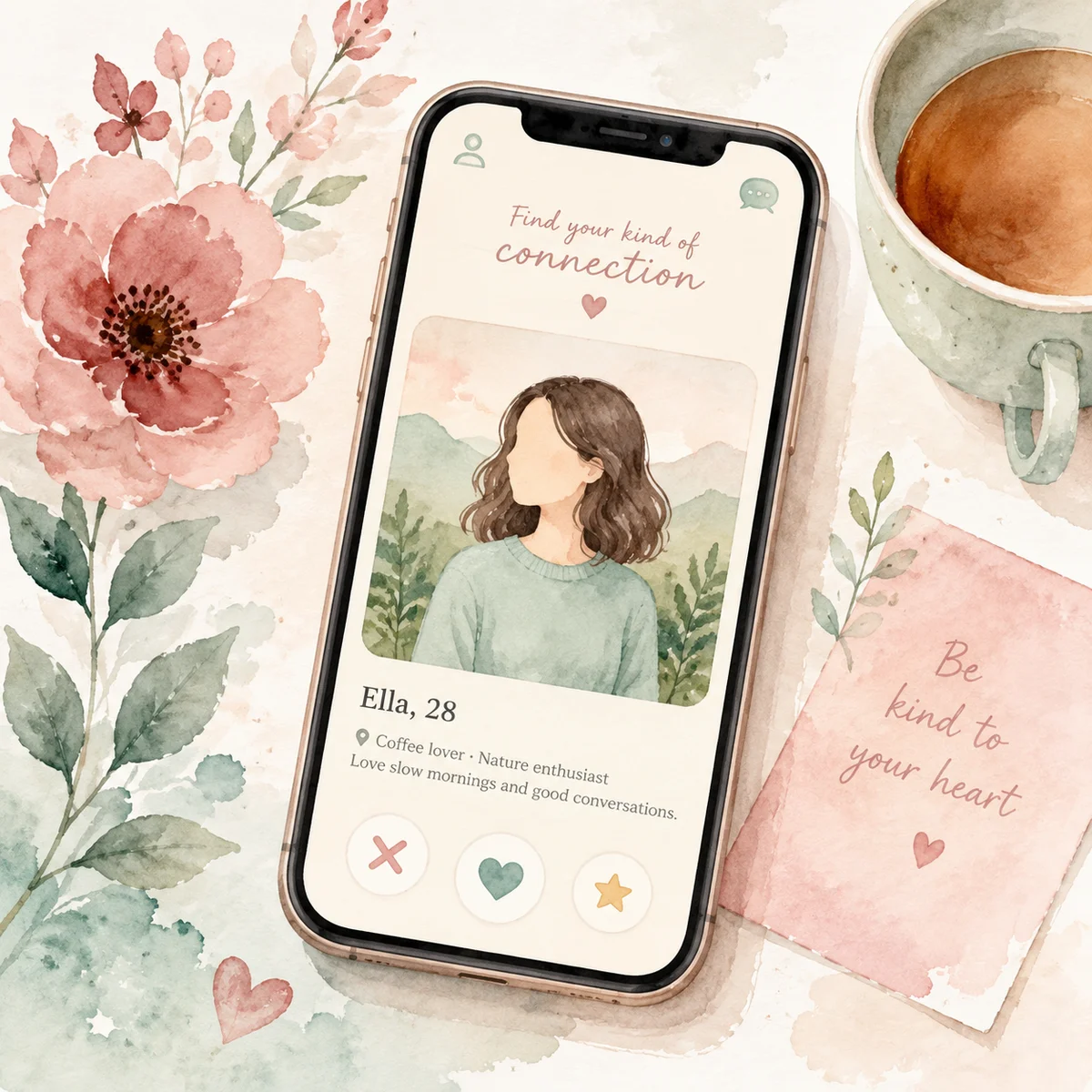
Your profile is your first impression — and in unicorn dating, first impressions carry extra weight because you’re being evaluated as a unit. Here’s how to get it right:
Be honest about being a couple. This should be in the first sentence. No surprises. People who aren’t interested in couples will swipe left, and that’s a good thing — it saves everyone time.
Talk about what you offer, not just what you want. Most couple profiles are a shopping list: “Looking for someone fun, attractive, drama-free…” Flip the script. What kind of experience are you hoping to create together? What do you enjoy doing as a couple that a third person might genuinely enjoy being part of? A profile that reads like an invitation — not a job description — stands out instantly.
Include both of you — equally. Profiles that feature one partner heavily while the other is barely mentioned raise immediate red flags. A third person deserves to know who both people are before deciding whether to engage.
Avoid coded language. Phrases like “looking for our third,” “we want to complete our relationship,” or “must be okay with us being a package deal” all signal the same thing: you see the third person as an add-on, not a person. Use language that describes building something new, not filling a vacancy.
The First Conversation: What to Say and What to Avoid
The first few messages set the tone for everything that follows. Here’s a practical framework:
✅ Lead with curiosity about them. Ask about their interests, their experience with ENM, what they’re looking for. Show that you see them as an individual, not a role to be filled.
✅ Be upfront about logistics. “We’d love to meet for coffee or a drink somewhere public — whatever feels most comfortable for you.” This signals safety-consciousness and flexibility.
✅ Both partners should participate in the conversation. If only one person is doing all the talking, it creates an awkward dynamic. Even if one of you is more outgoing, the other should still be visibly present in the chat.
❌ Don’t jump to intimacy talk. If the conversation turns physical within the first few messages, most experienced third partners will disengage. It signals that you’re looking for a transaction, not a connection.
❌ Don’t interview them. Questions are good. A rapid-fire questionnaire about their dating history, preferences, and boundaries is not. Conversations should feel like conversations — two-way, warm, and human.

Meeting in Person: Safety and Comfort First
When you transition from chat to real life, the third person’s safety and comfort should be your top priority. Remember: they’re meeting two people they don’t fully know. That’s inherently more vulnerable than a one-on-one date.
Pick a public, neutral location. A cafe, a casual restaurant, a park — somewhere the third person can leave easily if they need to. This isn’t about expecting the worst; it’s about creating conditions where everyone can relax because they know they’re safe.
No pressure to continue the evening. Make it clear in advance that the first meeting is just for getting to know each other — no expectations beyond that. If chemistry leads somewhere, great. If not, you’ve still had a nice coffee with interesting people. That framing takes enormous pressure off everyone.
Let them choose their transportation. Don’t offer to pick them up or drive them home on a first meeting. Independence in coming and going is a basic safety measure, and respecting that signals that you understand the vulnerability they’re navigating.
Check in during the date. “How are you feeling about how this is going?” — asked once, genuinely — goes a long way. It tells the third person that their comfort matters to you in real time, not just in theory. For a deeper look at what a third partner might need to feel secure, our guide on boundaries every unicorn should set is essential reading for couples too.

After the First Date: What Comes Next
What happens after the first meeting is just as important as what happened during it — and this is where many couples stumble.
Debrief as a couple — separately from the third person. Before you send a follow-up message, talk to each other. How did it feel? Did anything surprise you? Are you on the same page about wanting to continue? Processing your own reactions first prevents you from projecting confusion or mixed signals onto the third person.
Send a thoughtful follow-up within 24 hours. Whether you want to continue or not, a simple message acknowledging the time they spent matters. “Thanks for meeting us — we really enjoyed getting to know you” is basic courtesy. Ghosting after a date is bad one-on-one; it’s worse when two people do it together.
If you decide not to continue, be direct and kind. “We had a really nice time, but we don’t think the connection is quite what we’re looking for. We wish you the best.” Short, clear, respectful. No vague excuses, no slow fade.
If you do continue, keep checking in. Every new step — a second date, a first overnight, meeting friends — is a chance to pause and ask: “How are we all feeling? Is anything coming up that we should talk about?” The couples who do this naturally are the ones whose unicorn dating experiences stay positive over the long term.

Respectful Unicorn Dating: 10-Step Checklist
Use this checklist as a practical guide from preparation through follow-up. Check off each step before moving to the next.
- Have the “why” conversation with your partner. Align on motivations before involving anyone else.
- Discuss jealousy honestly. Name your triggers and agree on a coping plan together.
- Educate yourselves on couple privilege. Read about it, talk about it, commit to counterbalancing it.
- Choose the right platform. Use ENM-specific spaces, not mainstream apps or queer women’s communities.
- Write a profile as an invitation, not a job posting. Talk about what you offer and include both partners equally.
- Let the third person set the pace. In messaging and in person, their comfort is the benchmark.
- Meet in public first. No exceptions. Everyone’s safety depends on it.
- Both partners stay engaged. Don’t let one person carry all the communication.
- Debrief as a couple before following up. Process your own reactions first.
- Follow up within 24 hours. Whether it’s a yes or a no, closure is a basic form of respect.
Finding a third partner respectfully takes more time and intention than the alternative — but it’s the difference between building something genuinely good and leaving a trail of hurt feelings. The ENM community is smaller than you think, and the way you treat people follows you. Approach the process with the care you’d want someone to show you, and you’ll find that the right connections come more naturally than you might expect.
Understanding the difference between respectful seeking and problematic behavior is the first step in this journey. For a clear breakdown of the signs, see our guide on 10 signs of ethical unicorn dating vs red-flag unicorn hunting — it will help you recognize what healthy approaches look like before you even start looking.
This article is part of 3Cupid’s educational content series on ethical non-monogamy and unicorn dating. All content is intended for adults 18+ and emphasizes enthusiastic consent, clear communication, and mutual respect.