You’ve matched. You’ve exchanged messages. The conversation has been warm, interesting, and grounded in mutual respect. Now you’re planning to meet in person — and that’s where things get real. A first date with a third partner isn’t just a regular date multiplied by three. The dynamics are different, the stakes feel higher, and navigating them well takes more than just showing up with good intentions.
This guide covers everything couples need to know about planning and navigating that first meeting — from choosing where to go to handling the follow-up. Because when three people are at the table, every small decision either builds safety or chips away at it.
Table of Contents
- Before the Date: Alignment Between Partners
- Choosing the Right Venue
- Conversation Flow: What to Talk About and What to Skip
- Reading the Room as a Couple
- Managing Nerves and Avoiding the Third-Wheel Dynamic
- Ending the Date Well — No Matter How It Goes
- The Follow-Up That Makes or Breaks Everything
Before the Date: Alignment Between Partners
The most important conversation you’ll have about this date isn’t with your third partner — it’s with each other, before you ever walk through the door.
What you need to align on beforehand:
- What does “success” look like for this first meeting? Is it simply that everyone had a good conversation? That you’d all be open to a second date? Be honest with yourselves — and then dial expectations back by half. First dates are about information gathering, not outcome securing.
- What are the hard boundaries? Are you planning to go home together after? Is physical affection on the table? What’s off-limits? Discussing beforehand prevents mixed signals and blindsiding.
- Who’s handling which dynamics? If one of you tends to dominate conversation and the other hangs back, talk about it. Plan for balance.
- What’s your exit strategy? Have a subtle signal for “I need to talk to you privately” and one for “I’m uncomfortable and want to leave.”
This pre-date alignment is what separates couples who show up as a unit from couples who show up as two people happening to sit at the same table. For more on building the communication skills that make this possible, see our guide on unicorn dating fundamentals.
Choosing the Right Venue
Where you meet sends a message. It tells your third partner whether you’ve thought about their comfort, whether you understand the power dynamics at play, and whether you see this as a real date or an audition.
Venue guidelines that actually work:
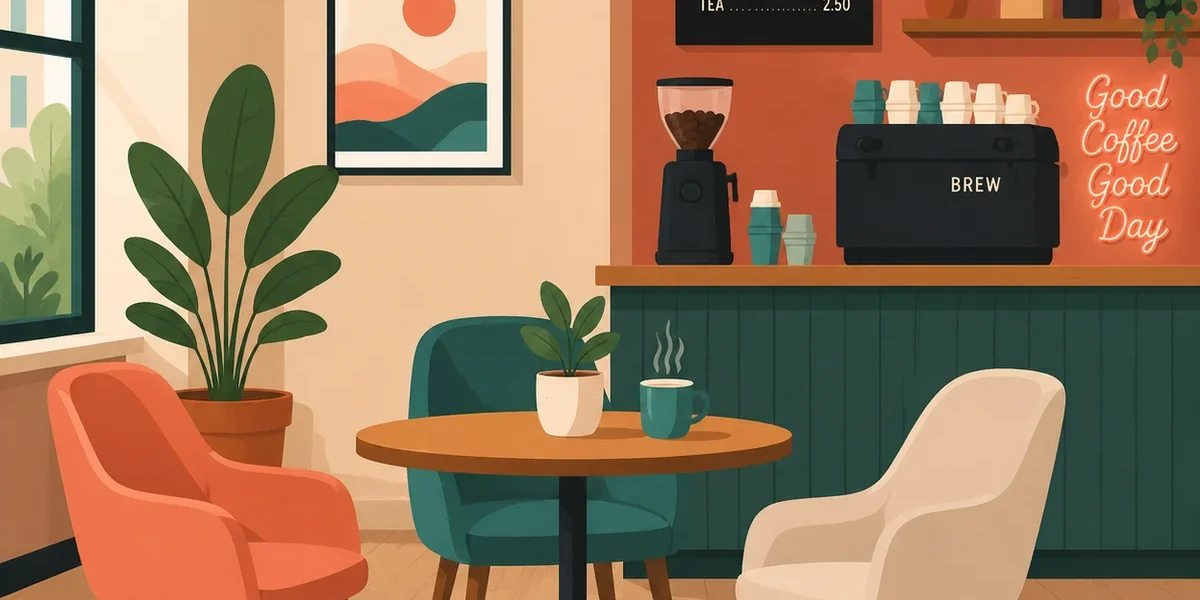
- Public, neutral ground. A coffee shop, a casual restaurant, a walkable park with benches. Not your home. Not their home. Not a bar where alcohol becomes the default social lubricant.
- Low time commitment with option to extend. Plan for an hour. If it’s going well, you can suggest moving to a second location. If not, an hour is survivable.
- Seating that doesn’t create a lineup. Booth seating that puts the couple on one side and the third person on the other creates an interrogation dynamic. A round table communicates something different.
- Somewhere you’d actually enjoy even if the date doesn’t work out. This takes the pressure off. If the chemistry isn’t there, you still had good coffee.

Safety logistics matter too. Let a trusted friend know where you’ll be and when. Meet in a neighborhood you’re familiar with. And if you haven’t already, read through our first meetup safety guide — it covers the practical precautions that protect everyone involved.
Conversation Flow: What to Talk About and What to Skip
The best first dates feel like a conversation, not an interview. But when three people are involved, the conversational dynamic needs intentional attention — otherwise it can easily tilt toward two people talking while one watches.
Topics that open things up:
- Interests, hobbies, passions — the things that make each of you light up when you talk about them.
- What drew each person to exploring this kind of connection — framed as personal stories, not just logistics.
- Light, get-to-know-you questions that apply equally to all three people.
Topics to save for later:
- Detailed sexual preferences or past experiences — that’s second-date (or later) territory.
- Your couple origin story in exhaustive detail — a brief mention is fine; a twenty-minute recap centers your relationship in a way that can feel exclusionary.
- Relationship problems or insecurities — if you’re processing couple tension at the table, you’re asking a stranger to be your therapist.
- Explicit negotiations about “what happens next” — those conversations belong in a follow-up, not the first meeting.

Reading the Room as a Couple
One of the hardest things about a three-person date is that you’re not just reading one other person — you’re reading two, while also being part of the read. And you’re doing it while managing your own partner connection at the same time.
Signals to pay attention to:
- Who’s asking questions and who’s just answering them? If one person is carrying the conversational weight, gently redirect.
- Body language tells you what words don’t. Crossed arms, phone-checking, leaning away from the table — these aren’t necessarily dealbreakers, but they’re data points.
- Is your partner genuinely engaged or performing engagement? You know your partner’s real smile versus their polite smile. If they’re checked out, don’t ignore it.
The couple check-in signal: Agree on a subtle gesture — touching your earlobe, adjusting your watch — that means “let’s step aside for a minute.” Use it sparingly, and when you do, keep it brief. Nothing makes someone feel more like a prop than watching a couple huddle for ten minutes.
Managing Nerves and Avoiding the Third-Wheel Dynamic
Feeling nervous is normal. What matters is what you do with those nerves — because unchecked couple anxiety has a way of tightening into couple insularity, and suddenly the person you invited out is sitting across from a wall of “us.”
Practical ways to stay open:
- Don’t sit like a united front. If you’re at a rectangular table, interleave — partner on one side, third person across from them, other partner at the head.
- Limit couple-specific references. Inside jokes exclude the third person in real time. Save them for later.
- Let your partner and the third person connect one-on-one within the date. If the conversation naturally splits into a dyad for a moment, let it happen.
- If you’re feeling insecure, name it internally, not externally. The tightness in your chest when your partner laughs at their joke might just be your nervous system doing what nervous systems do.

Ending the Date Well — No Matter How It Goes
The first date’s ending is where a lot of dynamics either solidify into trust or unravel into awkwardness. It deserves as much intention as the beginning.
How to close gracefully:
- Don’t make decisions at the table. Even if you’re both buzzing with excitement, resist the urge to invite them home or plan the next date on the spot.
- Thank them genuinely. “We really enjoyed getting to know you” isn’t a line — it’s a true statement if you mean it.
- Be clear about next steps — even if there aren’t any. If you’re interested, say so. If you’re not sure, say that too. Ghosting is cowardice, no matter how many people are involved.
- Don’t do a couple debrief at the venue. Wait until you’re in the car or at home.
The Follow-Up That Makes or Breaks Everything
What happens in the 24 hours after the date is arguably as important as the date itself. This is where you demonstrate — or fail to demonstrate — that you see the third person as a complete human being with their own feelings.
The follow-up timeline:
- Same evening: A brief message thanking them for their time. Not a full analysis. Just: “Really enjoyed meeting you tonight. Hope you got home safe.”
- Next day: After you’ve debriefed with your partner and processed individually, send a more substantive message. If you’re interested in another date, propose something specific.
- If you need more time: Tell them. “We’d like to take a day or two to reflect — can we circle back by Wednesday?” Then actually circle back by Wednesday.
If you’ve been following our guide on where couples should start their search, you already know that finding the right person is only half the equation. Treating them well once you’ve found them — starting with this first meeting — is the other half.
And if things do progress beyond the first date? Make sure you’ve thought through what creating a genuinely welcoming dynamic looks like. Our piece on how couples can create a safe space for unicorn dating picks up where this guide leaves off.
One Date, Three People, Zero Shortcuts
A first date with a third partner is both simpler and more complex than a typical first date. Simpler because everyone theoretically knows why they’re there. More complex because three people generate three times the emotional data — and processing it takes intention that standard dating scripts don’t account for.
Choose a space that feels safe. Talk like humans, not interviewers. Pay attention to the dynamics in the room — including your own. End with clarity and follow up with care. These aren’t revolutionary ideas. They’re just the basic practices of treating someone like a person — which turns out to be the most effective dating strategy there is.

This article is part of the 3Cupid resource library for couples and singles navigating ethical non-monogamy, unicorn dating, and threesome relationships. All content is written for an 18+ audience and emphasizes communication, consent, and emotional safety.
External references reviewed for this guide include community discussions on r/nonmonogamy and resources from Psychology Today.