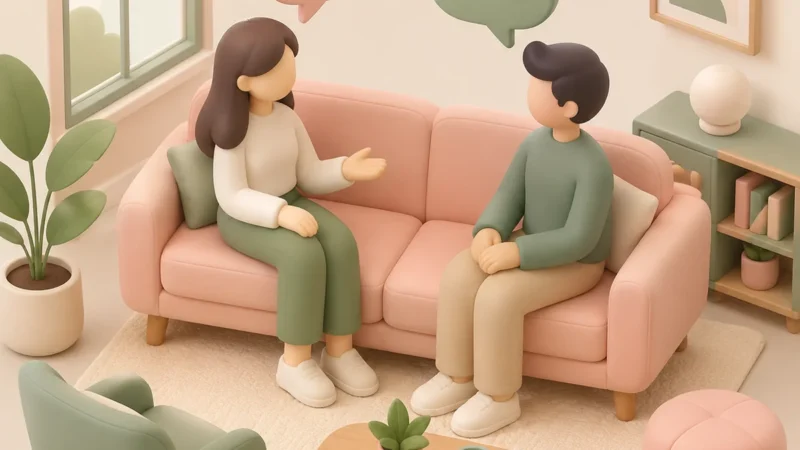
If you do not drink — whether by choice, for health reasons, in recovery, or simply because alcohol has never been your thing — stepping into ENM and threesome dating spaces can feel like walking into a room where everyone else got a script you never received. So much of adult dating culture revolves around meeting at bars, grabbing drinks, or loosening up with a glass of wine before a first meetup. But here is the thing: navigating ENM dating without alcohol is not just possible. It can actually give you an edge — sharper communication, clearer boundaries, and connections built on something more real than a buzz.
This guide is for anyone in the ENM, threesome dating, swinging, or polyamory world who wants to date sober — or is simply curious about dialing back the role alcohol plays in their dating life. We will cover practical strategies, sober date ideas, how to handle social pressure at lifestyle events, and why sobriety can be a surprising strength in non-monogamous spaces.
Table of Contents
Here is a visual reference that illustrates the concepts discussed in this section.

- Why Alcohol Dominates ENM and Threesome Dating Spaces
- The Benefits of Sober ENM Dating
- How to Handle Social Pressure at Lifestyle Events and Bars
- Sober Date Ideas for ENM and Threesome Dating
- Talking About Sobriety with Potential Partners
- Building Confidence Without Liquid Courage
- Practical Safety Considerations
Why Alcohol Dominates ENM and Threesome Dating Spaces
There is no mystery here. Bars are easy. They are public, neutral territory where three people can meet without anyone hosting at home. Alcohol lowers inhibitions — temporarily softening the nerves that come with discussing boundaries, desires, and the logistics of a threesome. For many people, a drink or two feels like a social lubricant that makes an otherwise vulnerable conversation feel less intense.
Swingers’ clubs and lifestyle events often have bars built into the venue. Dating apps are full of profiles that say “let’s grab a drink.” The default assumption in adult dating — ENM or otherwise — is that alcohol will be part of the equation. And for people who do not drink, that default can feel isolating.
But the normalization of alcohol in these spaces is not the same thing as a requirement. More and more people are rethinking their relationship with alcohol. According to recent trends covered by NPR, the “sober curious” movement has been growing steadily — particularly among younger adults who are questioning whether alcohol adds anything meaningful to their social lives. This shift is slowly making its way into dating culture too, including ENM spaces.
The Benefits of Sober ENM Dating
Here is a visual reference that illustrates the concepts discussed in this section.
Let us be direct about something: ENM dating without alcohol is not a compromise. It is an upgrade in several important ways. When you remove alcohol from the equation, a few things happen automatically.
Your consent conversations become sharper. Negotiating boundaries for a threesome, discussing safer sex practices, and checking in about comfort levels all require a clear head. Alcohol blunts the precision of these conversations — sometimes in ways people do not notice until the next morning. When you are sober, you catch the subtle cues: a partner’s hesitation before agreeing to something, the question they almost asked but did not, the body language that does not match the words.
You remember everything. This matters for relationship processing. After a threesome or an ENM date, the debrief conversation is how couples stay connected. If one or both partners were drinking, the details get fuzzy. Sober dates mean you can process the experience together with full clarity — what worked, what felt off, what you want to do differently next time.
You filter out incompatible people faster. If someone is uncomfortable with the fact that you do not drink, or pressures you to “just have one,” that discomfort is information. It tells you something about how they handle boundaries. People who respect your sobriety without making it weird are people who will likely respect other boundaries too.
How to Handle Social Pressure at Lifestyle Events and Bars
Here is a visual reference that illustrates the concepts discussed in this section.
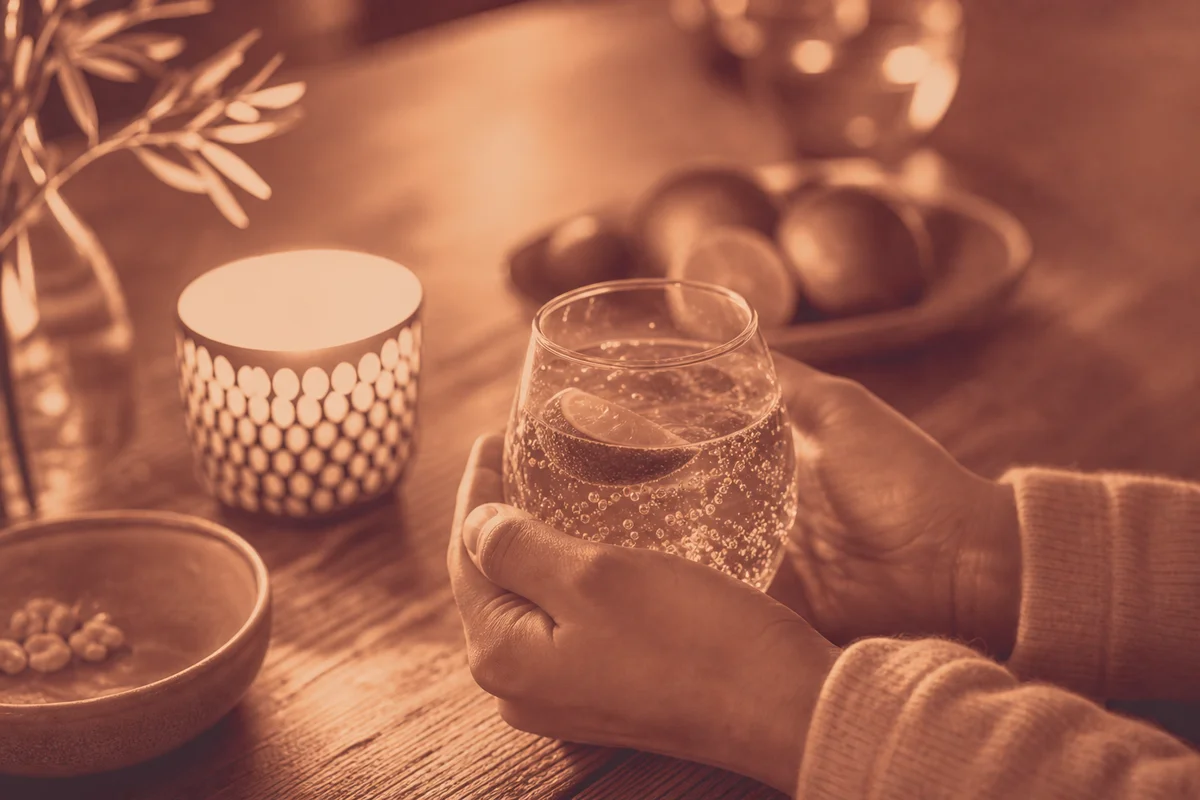
Lifestyle events — swingers’ clubs, poly meetups, kink socials, threesome-friendly parties — often center around environments where alcohol flows freely. Walking into these spaces sober takes practice, but it gets easier with a few strategies.
Always have a drink in your hand. It sounds simple, but it works. A club soda with lime, a ginger beer in a glass bottle, sparkling water with a splash of cranberry — anything that looks like a cocktail eliminates the “why aren’t you drinking?” question before it is asked. Most bartenders at these venues are happy to make non-alcoholic versions of whatever is on the menu.
Prepare a one-sentence response. When someone does ask why you are not drinking, have an answer ready that feels natural to you. Something like: “I feel more present without it” or “I am driving tonight” or simply “Not my thing, but I am having a great time.” You do not owe anyone your life story. Most people will accept a brief answer and move on. The ones who push back are showing you a red flag in real time.
Buddy up. If you are attending an event with a partner or a friend who knows you are sober, that support makes a difference. Having someone who can help navigate conversations where alcohol pressure comes up — or simply be a grounding presence — reduces the mental load of being the only sober person in the room.
Sober Date Ideas for ENM and Threesome Dating
Here is a visual reference that illustrates the concepts discussed in this section.
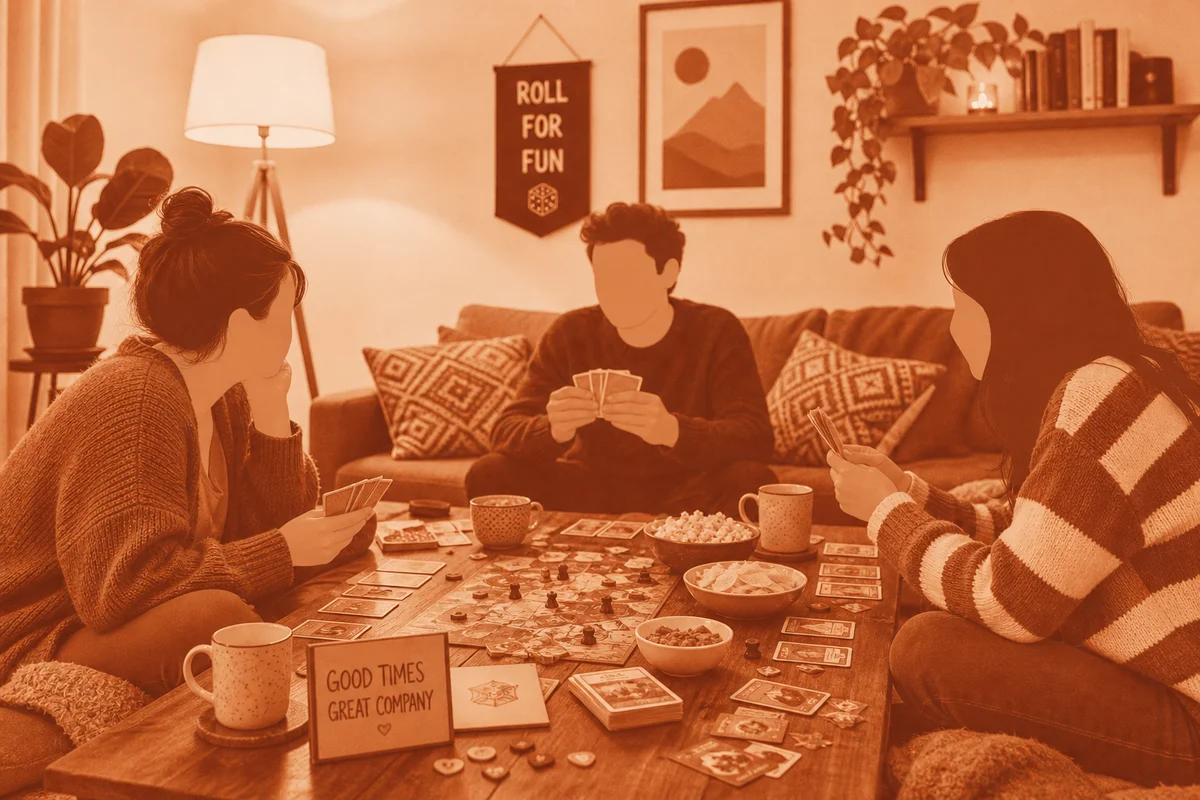
The “let’s grab a drink” default is hard to escape because it is the easiest thing to suggest. But sober dates can actually tell you more about compatibility than sitting across from someone at a bar ever could. Here are some alternatives that work well for couples meeting a third, singles meeting couples, or any ENM configuration.
- Coffee or tea shop meetup. The classic alternative for good reason. Public, low-pressure, easy to leave if things feel off, and you get a real sense of someone’s conversation style without any haze.
- Walk in a park or botanical garden. Walking side by side feels less like an interview than sitting across a table. Movement helps with nerves, and there is always something to comment on if conversation stalls.
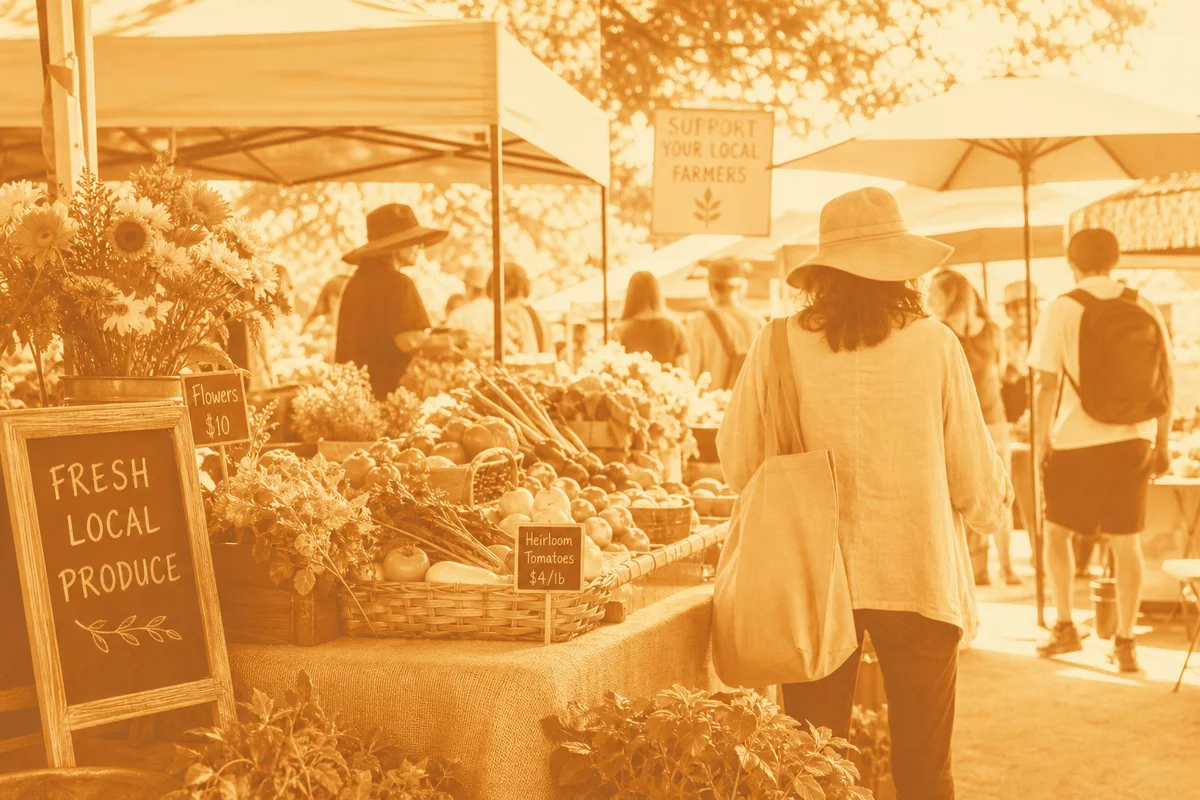
- Farmers market or food hall. Browsing stalls gives you built-in conversation topics — favorite foods, cooking habits, travel stories. It is sensory without being overwhelming.
- Board game café or trivia night. A little friendly competition reveals a lot about how people communicate, handle losing, and collaborate. Plus, it is genuinely fun.
- Art gallery or museum. Quiet enough for conversation, stimulating enough to keep awkward silences at bay. Talking about art can reveal unexpected dimensions of someone’s personality.
- Outdoor activity — hiking, mini golf, kayaking. Shared physical activity creates a different kind of connection. It also gives you a natural end point if the chemistry is not there.
One note for couples meeting a potential third: the dynamic of two-versus-one can feel especially pronounced in settings where alcohol is absent. Be mindful of that. Make sure the third has equal airtime in conversation. Ask them questions about themselves that go beyond their role in your fantasy. A sober date strips away the social lubricant — which means you need to be more intentional about creating comfort through words and actions, not substances.
Talking About Sobriety with Potential Partners
Here is a visual reference that illustrates the concepts discussed in this section.

Disclosing that you do not drink can feel vulnerable — especially early in a dating conversation. But waiting too long creates its own awkwardness. The best approach is to mention it naturally and early, without making it the headline of your identity.
On dating profiles: A simple line like “Sober and happy to suggest great coffee spots” or “Non-drinker — I will bring the sparkling water” signals your preference without sounding like a warning label. It also filters out people for whom drinking is a non-negotiable part of dating.
In conversation: When planning a first meetup, suggest a coffee shop or a walk instead of a bar. If the other person suggests drinks, you can say: “I actually do not drink, but I would love to meet up — how about [alternative]?” Frame it as a preference, not a limitation. Most people will follow your lead.
If you are in recovery: You do not need to disclose your recovery status on a first date. “I do not drink” is a complete sentence. Share more when trust has been built — on your timeline, not anyone else’s. The right partners will respect that boundary without pushing for details.
Building Confidence Without Liquid Courage
Here is a visual reference that illustrates the concepts discussed in this section.
Let us be honest: a lot of people drink before ENM dates because they are nervous. Meeting new people is vulnerable. Discussing sexual boundaries with someone you just met? Even more so. If alcohol has been your go-to for managing that anxiety, going without it can feel like showing up without armor.
The good news is that confidence is a skill, not a personality trait. Here is what actually helps:
- Prepare your talking points. Before a date, know the three things you want to communicate about yourself and the three things you want to learn about them. It gives your brain a structure to fall back on when nerves hit.
- Use grounding techniques. A few deep breaths before walking into a venue. Noticing five things you can see, four you can touch, three you can hear. These small practices signal to your nervous system that you are safe.
- Reframe the nerves. That flutter in your stomach is not fear — it is excitement. Research shows that reappraising anxiety as anticipation actually improves performance in social situations.
- Start with low-stakes environments. Your first sober ENM date does not need to be a lifestyle club at midnight. Build the muscle gradually. Coffee dates, daytime meetups, group socials where the focus is conversation rather than hooking up.
Practical Safety Considerations
There is a safety dimension to ENM dating without alcohol that deserves its own section. When everyone is sober, certain risks decrease — but new ones can emerge if you are navigating spaces where heavy drinking is the norm.
You are more aware of red flags. This is a genuine advantage. When you are sober and someone else is drinking, you will notice boundary-pushing behavior, inconsistent stories, or pressure tactics that you might have missed if you were tipsy too. Trust that awareness. It is keeping you safe.
Have an exit strategy. Even more important when you are the only sober person in a space. Know how you are getting home. Have a check-in person you can text. Give yourself permission to leave the moment something feels off — you do not need to explain or justify it. A simple “I am going to head out, it was nice meeting you” is enough.
Check in with yourself during and after. Sober dating means you feel everything — the good and the uncomfortable. After a date or an event, take ten minutes to check in: How is your body feeling? What emotions came up? Is there anything you wish you had said or done differently? This kind of self-awareness is a skill that compounds over time.
For more on overall safety in threesome dating, take a look at our Threesome Safety Guide. We also have a related piece on setting healthy limits with alcohol in threesome dating that explores the moderation angle — a useful companion read if you are navigating spaces where your partners do drink while you stay sober.
Sober ENM Dating Checklist
- Before the date: Pick a sober-friendly venue. Prepare your “I don’t drink” one-liner. Set a check-in time with a trusted friend.
- During the date: Keep a non-alcoholic drink in hand. Notice how the other person(s) respond to your sobriety. Trust your gut if something feels off.
- Communication: Mention sobriety early and casually. Do not over-explain. Let their reaction tell you what you need to know.
- At events: Buddy up when possible. Scope out the non-alcoholic options at the bar. Have an exit plan.
- After: Do a self-check-in. Journal or talk through the experience with someone you trust. Celebrate showing up as your full, sober self.
Dating in ENM spaces without alcohol is not about missing out. It is about showing up fully — with boundaries intact, intuition online, and a genuine connection that does not depend on a buzz to feel real. Whether you are sober for life, sober for now, or just curious about what dating feels like with a clearer head, there is a whole community of people in the non-monogamy world who will respect that choice. And the ones who do not? They were never the right match to begin with.
Clear-headed communication extends to every aspect of ENM dating — including the conversations people often avoid. If you are looking for practical guidance on another topic that benefits from the same intentional approach, read our companion piece on how to introduce sex toys in threesome dating — it applies the same principles of early communication, enthusiastic consent, and checking in that we have covered here.
This article is part of our ongoing series on navigating non-monogamous relationships with intention and care. For more resources on ENM dating, boundaries, and communication, explore the 3Cupid blog.