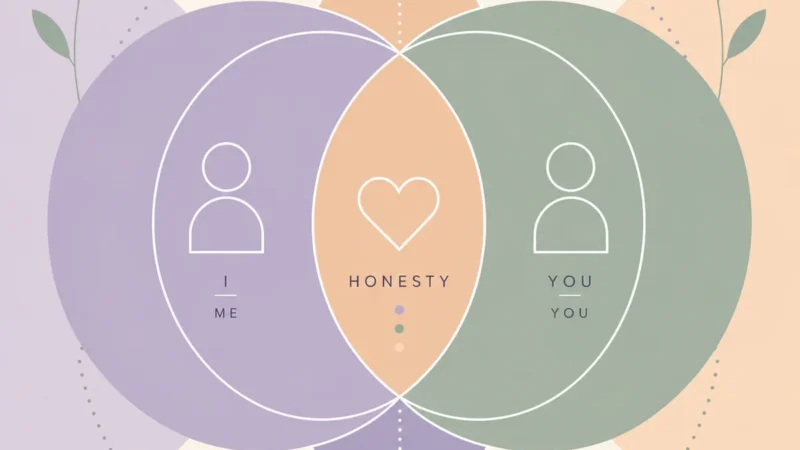
If you’re a bisexual couple, you’ve probably heard some version of “oh, finding a third must be so easy for you — you’re both attracted to everyone!” It’s a well-meaning assumption that misses the actual complexity of bisexual couples threesome dating. Being attracted to multiple genders doesn’t simplify anything; it adds layers to navigate, from compatibility matching to avoiding stereotypes to making sure both partners feel genuinely seen.
The reality is that bisexual couples do have real advantages in the threesome dating space — but not the ones people assume. The advantage isn’t a larger dating pool. It’s the shared experience of navigating attraction across genders, which can create a deeper understanding between partners about desire, communication, and what it means to be attracted to someone outside your primary relationship.
This guide is about the practical side: how to find partners who are genuinely compatible with both of you, how to write profiles that attract the right people, and how to avoid the common patterns that trip up bisexual couples. If you’re earlier in your journey and still exploring what bisexuality means within your relationship, our guide on bisexual exploration in threesome dating is a better starting point.
What Bisexual Couples Bring to Threesome Dating
Let’s be specific about what actually works in your favor — not the stereotypes, but the real dynamics that make a difference.
First, bisexual couples tend to have already had the “attraction to other people” conversation. In many opposite-gender relationships where both partners identify as straight, the idea of one partner being attracted to someone else during a threesome can feel threatening. Bi couples have usually normalized this: attraction to others doesn’t signal a problem with the primary relationship. It’s just attraction.
Second, bisexual couples often have more flexibility in partner configurations. An MFM threesome, an FMF threesome, or something more fluid — the options aren’t limited by rigid gender preferences. This doesn’t mean “anything goes” — it means you have more room to find what actually works for your specific relationship rather than defaulting to a standard script.
Third — and this one matters more than people talk about — bi couples often understand the experience of having your identity reduced to a stereotype. That shared understanding can make both partners more intentional about not reducing a potential third to a fantasy object. It’s a built-in empathy check.
Research on non-monogamous relationships supports this perspective. The team at VeryWell Mind has documented how successful multi-partner dynamics depend on the same skills bisexual couples often develop naturally: clear communication, comfort with complexity, and the ability to hold space for multiple perspectives at once.

Understanding What Both Partners Actually Want
Here’s where things get specific. In a bisexual couple, it’s common — but not guaranteed — for each partner to have different gender preferences for a third. One might be more interested in a same-gender dynamic, the other in an opposite-gender one. Neither preference is a problem. What is a problem is when these preferences go unspoken and surface mid-experience.
Sit down together and answer these questions honestly, without judging each other’s answers:
- What gender(s) are you most interested in for a third partner? Be specific — “any gender” is fine, but only if it’s actually true.
- What kind of dynamic do you envision? Are you looking for equal attention across all three people, or is there a specific pairing that excites you more?
- Are there scenarios that make you uncomfortable? Name them now. It’s much easier than discovering them in the moment.
- How do you feel about your partner being attracted to someone of a gender you don’t share? This is the conversation most couples skip — and the one that matters most.
The goal isn’t to negotiate every detail before you’ve met anyone. It’s to make sure you’re not operating on assumptions that turn out to be wrong. A solid foundation for any kind of threesome dating starts with understanding — and our threesome rules guide covers the essentials every couple should agree on before reaching out to anyone.

How to Write a Profile That Attracts the Right Third
Bisexual couples face a specific profile-writing challenge: being inclusive without being vague. “We’re open to anyone” sounds welcoming but actually filters for nothing — and you’ll get every kind of response except the ones you actually want.
Here’s a profile structure that works:
- Who you are as individuals. Not just your ages and pronouns. What do you each care about? What makes you laugh? Give a potential third a reason to think “I’d enjoy spending time with these people” beyond physical attraction.
- Your dynamic as a couple. “We’ve been together three years, we communicate openly, and we’re looking for someone who can be a genuine connection — not a prop for a one-time experience.” This signals that you see the third as a person.
- What you’re looking for. Be honest about gender preferences if you have them. “We’re especially interested in connecting with a woman” is clearer and more respectful than “anyone welcome” when you actually mean “preferably a woman.”
- What the third can expect. “She’ll reach out first, we’ll move to a group chat, and we like to meet for coffee before anything else.” Predictability is attractive.
One more thing: have both partners contribute to the profile. A profile written entirely by one person sends the message that the other partner isn’t fully engaged — and perceptive thirds will pick up on that immediately.
Navigating Attraction Dynamics as a Bi Couple
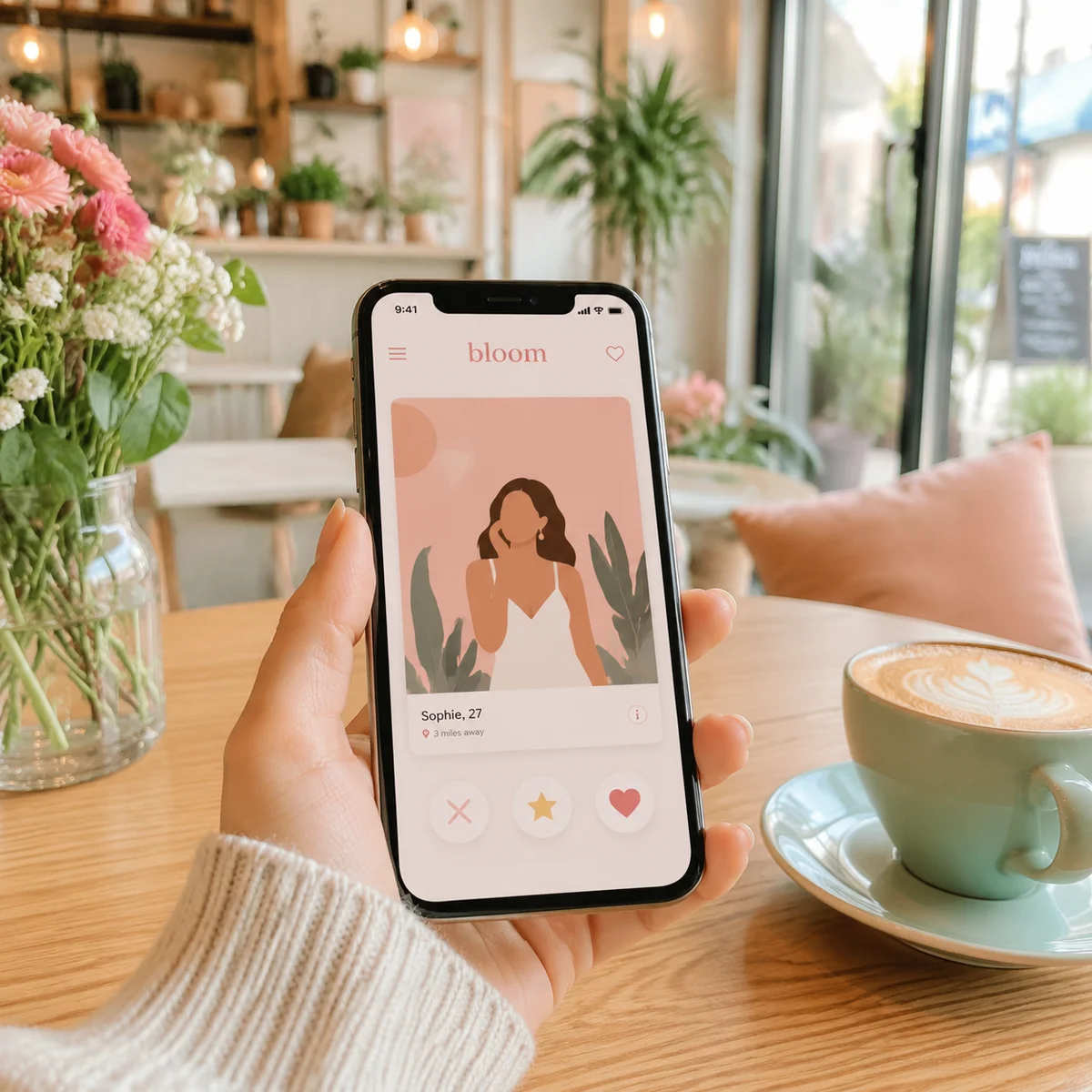
This is the section most guides skip, so let’s address it directly. When you’re a bisexual couple looking for a third, it’s possible — and common — for one partner to feel stronger attraction to the third, or for the third to feel more drawn to one partner. This isn’t a failure. It’s normal. The question is how you handle it.
Scenario 1: Unequal attraction. You meet someone, and both of you like them — but one of you feels it more intensely. What to do: Name it privately first. “I’m really into them, and I want to make sure you don’t feel left out. How are you feeling?” Then adjust pacing. Maybe the less-attracted partner needs more time to build connection before anything physical happens.
Scenario 2: The third prefers one of you. This is uncomfortable but not uncommon. What to do: Don’t ignore it hoping it evens out. The partner the third is less drawn to should voice their feelings directly to their partner, and together decide whether to continue. Sometimes stepping back is the right call — not because anyone did anything wrong, but because a threesome where one person feels like a third wheel isn’t a threesome; it’s a bad experience waiting to happen.
Scenario 3: Gender-specific attraction shifts. One partner discovers during the process that they’re more attracted to same-gender or opposite-gender dynamics than they expected. What to do: This is actually valuable information about yourself. Talk it through. It might mean adjusting what you look for in future partners — and that’s growth, not a problem.
For the fundamentals of actually finding and connecting with potential partners, our guide on how to find a third for a threesome safely covers platforms, initial messaging, and safety verification — those steps apply regardless of your orientation.

Common Mistakes Bisexual Couples Make in Threesome Dating
These patterns show up repeatedly — and they’re all avoidable.
- Assuming the third will be attracted to both of you equally. Chemistry isn’t something you can negotiate. Expect variation, prepare for it, and don’t take it personally if it’s uneven.
- Treating bisexuality as the couple’s entire identity. Your profile should mention more than your orientation. A potential third wants to know what you’re like as people — what you do on weekends, your sense of humor, whether you’re homebodies or adventurers.
- One partner doing all the emotional labor. If one person is writing the profile, screening messages, scheduling meetups, and managing communication while the other just shows up — resentment builds fast. Split the work.
- Using language that fetishizes the third’s gender. Phrases like “we’ve always wanted to try being with a woman” or “we love the idea of a bi guy” reduce a person to a category. Talk about who you’re looking for as a person, not a type.
- Skipping the STI and safety conversation. Bisexual couples sometimes face assumptions about risk that are rooted in stigma rather than fact. Have the conversation — but base it on actual practices and testing, not orientation-based assumptions.

Red Flags to Watch For When Screening Third Partners
Some red flags are universal in threesome dating; others are specific to the bisexual couple experience.
- They only message one of you. Even after you’ve made it clear you’re a package deal, they keep DM’ing one partner privately. This usually signals they’re hoping to peel off one person.
- They make assumptions about your dynamic based on bisexuality. Comments like “so you’re both down for anything” or “bi couples are always the most fun” suggest they’re working from stereotypes, not genuine interest in you as individuals.
- They push to meet without the other partner present. A request to meet one-on-one first might be innocent — but if they resist a group meeting after you’ve suggested it, that’s a clear signal.
- They treat your relationship as experimental. “I’ve never been with a bi couple before” isn’t inherently a red flag — but if they seem more interested in the novelty than in connecting with you as people, pay attention.
- They’re dismissive about boundaries. If you mention a boundary and they respond with “you’re overthinking this,” end the conversation. Serious people take boundaries seriously.
Bisexual Couples Threesome Dating: A Practical Checklist
Before you send that first message, work through this checklist together. It’s designed for the specific dynamics bisexual couples navigate — not generic threesome advice.
- Clarify individual gender preferences. Each partner writes down what gender(s) they’re most interested in for a third. Compare. If they differ, talk about how you’ll handle it.
- Write your profile together. Both partners contribute — one drafts, the other edits, both approve the final version.
- Set your communication structure. Group chat? One person leads messaging? Decide before you start so there’s no confusion.
- Agree on a shared vetting process. What questions do you ask everyone before meeting? Who asks them? Write them down.
- Plan your first meetup format. Public, daytime, no pressure to escalate. Everyone knows the plan going in.
- Discuss the “what if attraction is uneven” scenario. Name it now. Agree on how you’ll handle it before emotions are involved.
- Schedule a couples-only debrief. Block time after any experience — even if everything went perfectly — to check in with each other.

Bisexual couples have a real opportunity in threesome dating — not because they have a bigger pool to choose from, but because they’ve often done the internal work that makes these experiences genuinely rewarding. You understand that attraction is complex, that identity isn’t a stereotype, and that the best experiences come from seeing people as individuals rather than categories.
The couples who navigate this most successfully aren’t the ones with the most options — they’re the ones who communicate clearly, screen thoughtfully, and treat every potential third as a person with their own needs and boundaries. That’s not a bisexual-specific skill. But it’s one that bisexual couples, through their own experiences of being reduced to assumptions, are often uniquely positioned to practice. If you want to connect with like-minded people who get it, 3Cupid’s community is built for exactly this kind of intentional connection.
This article was written by the 3Cupid editorial team to support bisexual couples in navigating threesome dating with clarity, respect, and intention. For more on relationship dynamics, communication strategies, and finding compatible partners, browse our full collection of guides.