You set out to have a fun, no-strings-attached experience with your partner and a third. You did the communication work, set your boundaries, and felt ready. Then somewhere between the second meetup and the late-night texts, it happened: you caught feelings. Your heart speeds up when their name pops up on your phone. You find yourself thinking about them during your workday. And now you’re sitting with a knot in your stomach, wondering if you’ve just complicated everything.
Catching feelings for your third partner is more common than most people admit. It’s also one of the least discussed realities in threesome dating — because nobody wants to be the person who “broke the rules.” But feelings don’t follow rules, and they’re not a sign that you’ve failed at casual dating. They’re a sign that you’re human, connecting with another human. What matters is what you do next.
This guide walks through why this happens, how to tell the difference between temporary infatuation and something deeper, and — most importantly — what steps to take whether you’re the one with feelings, the partner watching it unfold, or the third caught in the middle.
Table of Contents
- Why Feelings Develop in Threesome Arrangements
- NRE vs. Genuine Connection: How to Tell the Difference
- What to Do When You Realize You’ve Caught Feelings
- If You’re the Partner Watching This Happen
- Talking to Your Third About It
- Can This Work? Adjusting Your Arrangement
- When It’s Time to Step Back
Why Feelings Develop in Threesome Arrangements
Let’s get one thing clear: developing feelings for someone you’re intimate with is not a character flaw. It’s biology and psychology doing exactly what they evolved to do. Physical closeness, vulnerability, shared experiences, and extended one-on-one time — even in a group dynamic — all activate the brain’s attachment systems. Oxytocin, the same hormone released during cuddling and orgasm, doesn’t come with an off switch labeled “casual only.”
Several factors make catching feelings for your third partner especially likely:
- Repeated encounters with the same person. The more times you see someone, the more attachment pathways strengthen. A one-time threesome with a stranger is less likely to trigger feelings than meeting the same third every other weekend for three months.
- Texting and digital intimacy between meetups. Those “good morning” messages and inside jokes build emotional intimacy just as powerfully as physical time together — sometimes more so.
- Emotional vulnerability during and after sex. Threesomes often involve higher emotional stakes than one-on-one encounters. The afterglow period, where everyone is relaxed and unguarded, is prime territory for bonding.
- The third fills a gap in your primary relationship. If you’re not getting enough emotional attention, novelty, or specific types of affection from your partner, a third who provides those things naturally becomes more appealing.
Recognizing why the feelings developed is the first step toward handling them with clarity rather than panic.
NRE vs. Genuine Connection: How to Tell the Difference
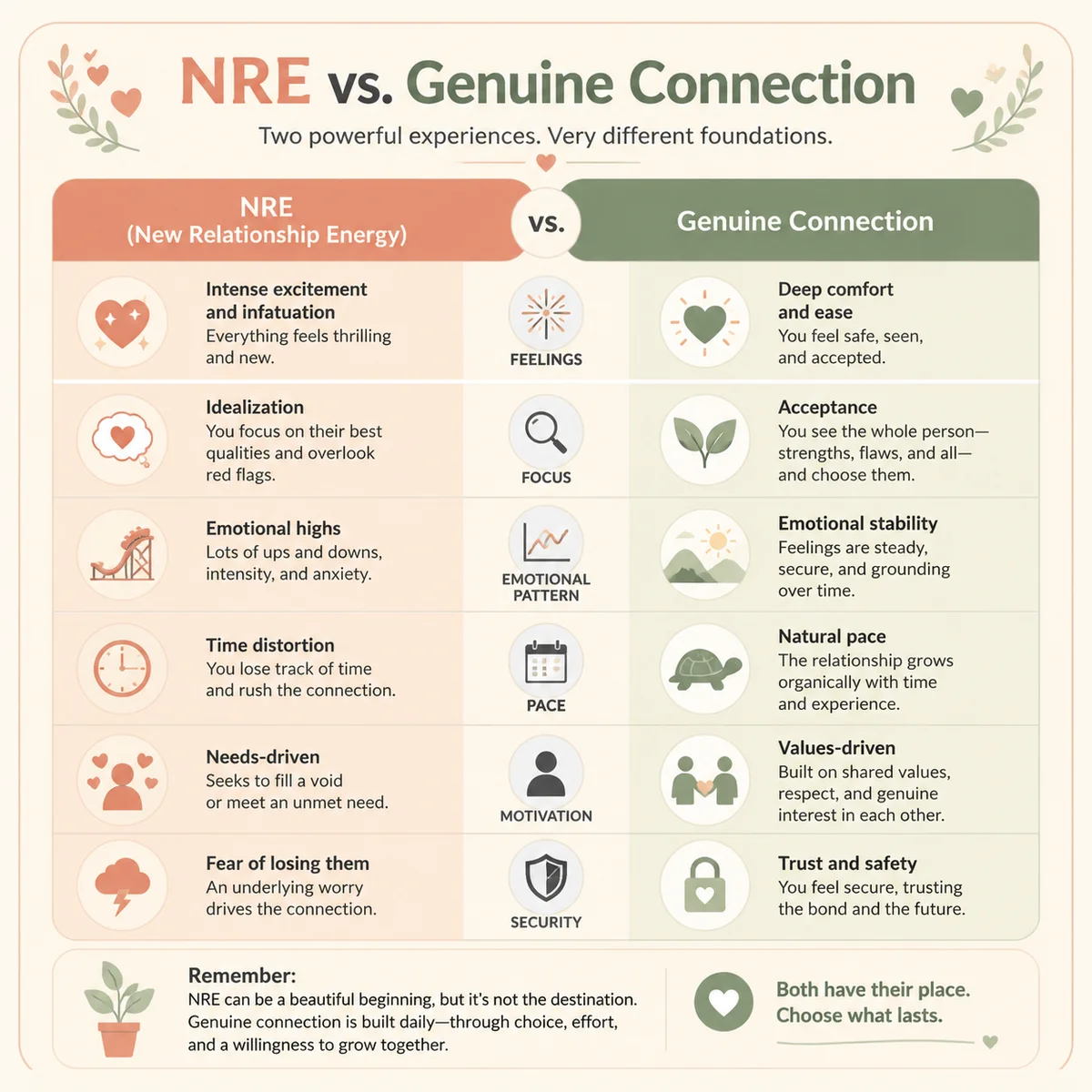
In ethical non-monogamy circles, there’s a term for that giddy, obsessive, can’t-stop-thinking-about-them phase: New Relationship Energy, or NRE. It’s the emotional equivalent of a sugar rush — intense, euphoric, and temporary. The problem? NRE feels exactly like genuine connection while you’re in it. Distinguishing between the two is one of the most important skills in any form of non-monogamous dating.
Here’s a practical way to tell them apart:
| NRE (New Relationship Energy) | Genuine Emotional Connection | |
|---|---|---|
| Timeline | Hits hard within 1-6 weeks, fades after 3-6 months | Builds gradually and deepens over time |
| Focus | You obsess over the person — what they’re doing, when you’ll see them next | You care about their wellbeing, even when you’re not part of it |
| Effect on primary relationship | You compare your partner unfavorably; your partner feels like “the boring one” | Your feelings for both people can coexist without comparison |
| Realism | You idealize them, ignore red flags, and fill in gaps with fantasy | You see their flaws and still value them |
| After a disagreement | The fantasy cracks; you feel disproportionately crushed | Conflict doesn’t erase your baseline care for them |
| Long-term view | You can’t imagine wanting anyone else right now | You can picture them in your life six months from now — realistically |
If most of your experience aligns with the left column, give it time. If you’re consistently in the right column after several months, you may be dealing with something more substantial than NRE.
What to Do When You Realize You’ve Caught Feelings
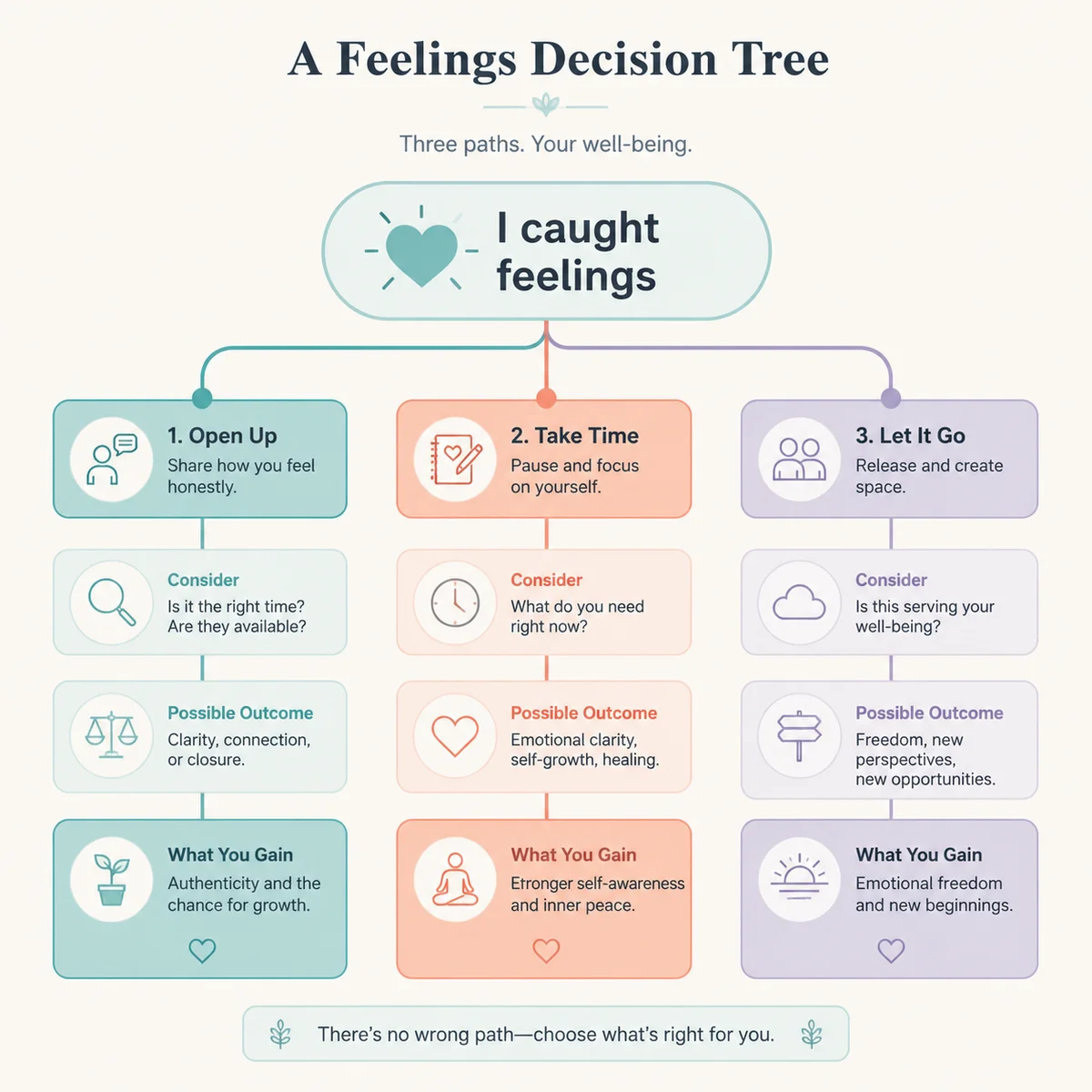
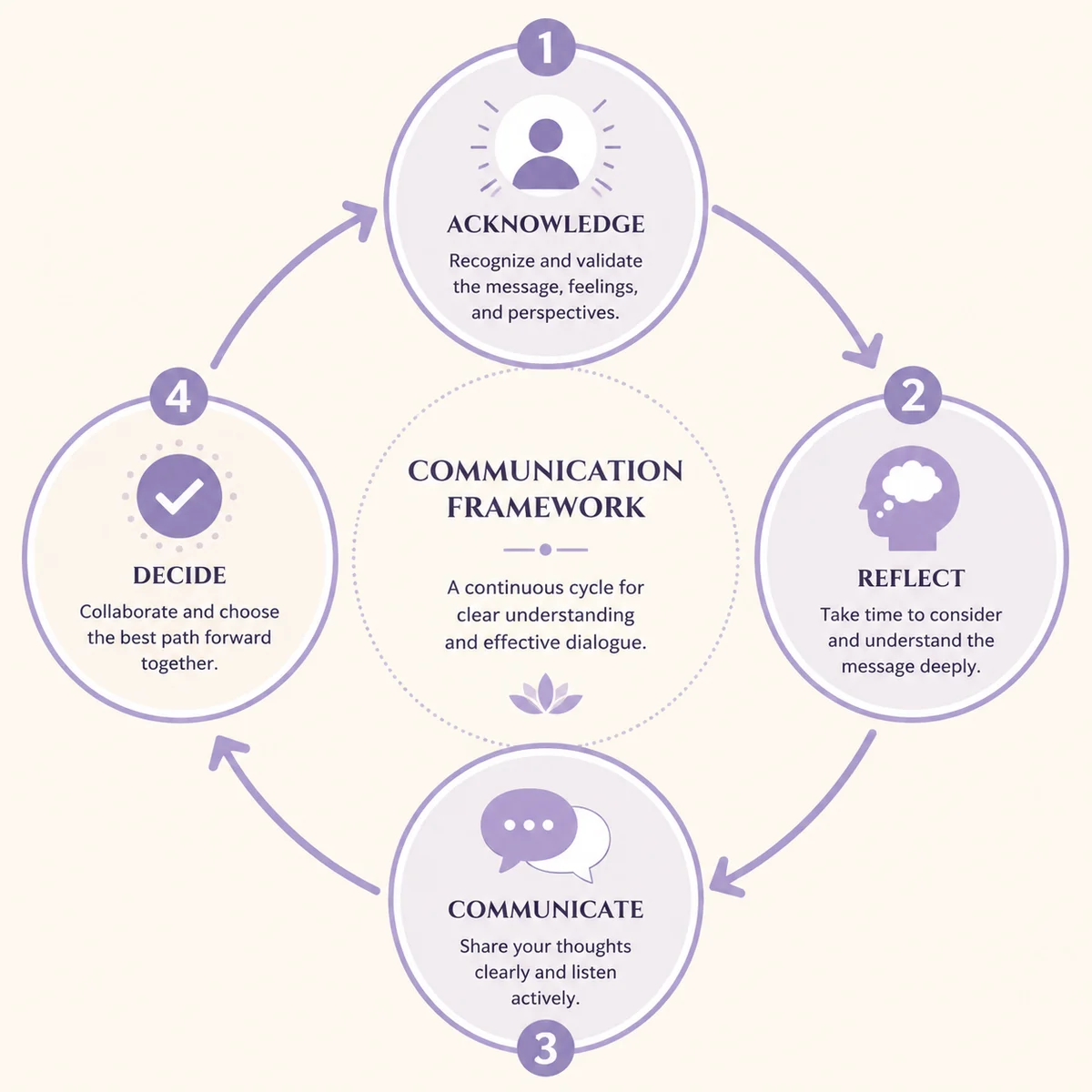
You’ve admitted it to yourself. Maybe it took a while to say it out loud, even just internally. Now what? The most common mistake people make at this stage is acting impulsively — either confessing everything in a dramatic late-night text or pretending nothing is happening and hoping it goes away on its own. Neither path tends to end well.
Here’s a framework for the first 72 hours after you acknowledge what’s happening:
- Pause all communication with the third for 48 hours. This isn’t ghosting — it’s creating space. Tell them you need a couple of days to sort through some personal stuff. The silence will help you separate genuine feelings from the dopamine hit of constant contact.
- Write down exactly what you’re feeling. Not a narrative — a list. “I feel excited when they text me. I feel anxious about my partner finding out. I feel guilty. I feel hopeful.” Getting specific reveals whether you’re dealing with infatuation, loneliness, or something real.
- Identify what need this person is meeting. Are they making you feel desired again? Seen? Excited? These are valid needs — but they might also be signals about what’s missing elsewhere in your life or relationship.
- Talk to your partner before anyone else. This is non-negotiable in any ethical arrangement. Your partner deserves to hear it from you, not sense it from your behavior or — worse — hear it from the third.
The goal here isn’t to suppress your feelings or immediately act on them. It’s to understand them well enough to make a decision you won’t regret.
If You’re the Partner Watching This Happen
You didn’t catch feelings — but you can tell your partner did. Maybe you noticed the way they light up when the third’s name comes up, or how they’ve been checking their phone more. Maybe it’s obvious. Maybe they told you directly. Either way, you’re in a tough position, and your reaction will shape everything that follows.
First: your feelings are valid too. Jealousy, insecurity, anger, sadness — none of this makes you bad at non-monogamy. In fact, how you handle these emotions is a much better measure of your emotional maturity than whether you feel them in the first place. Our guide on managing jealousy in threesomes goes deeper into the mechanics of these responses.
When your partner comes to you with this, resist the urge to respond with punishment or ultimatums. Instead:
- Thank them for telling you. They could have hidden it. They didn’t. That’s a sign of respect for your relationship.
- Ask what they need — not what they want you to do. Do they need to be heard? Reassurance? Time to process? Distinguish between the need and the ask.
- Take your own processing time. You don’t have to have the conversation resolved in one sitting. “I hear you, and I need a day to sit with this before we figure out what it means for us” is a perfectly reasonable response.
- Don’t blame the third — or yourself. Unless someone broke explicit agreements, feelings aren’t a breach of contract.
The emotional realities of threesome dating are rarely as clean as the fantasy. What matters is whether you and your partner can navigate this together or whether it reveals a crack that was already there.
Talking to Your Third About It
This conversation is delicate for a different reason. Your third entered this arrangement under a specific set of expectations — likely that this was casual, fun, and emotionally uncomplicated. Dropping “I have feelings for you” into that dynamic can feel like pulling the emergency brake on a moving train.
Before you bring it up, get clear on your intention. Are you telling them because:
- You’re hoping they feel the same way and want to change the arrangement?
- You need to create some distance and owe them an explanation?
- You’re being transparent because hiding it feels dishonest?
Each of these leads to a very different conversation. Only the third one — transparency without expectation — is likely to preserve the existing dynamic if that’s what everyone wants.
When you do talk, keep it brief and pressure-free: “I’ve developed some feelings, and I’m working through them. I’m telling you not because I expect anything to change, but because I value our connection and don’t want to be dishonest with you. I’d understand if you need some space to process this.” This gives them agency, information, and no obligation — which is exactly what an ethical approach requires.
Can This Work? Adjusting Your Arrangement
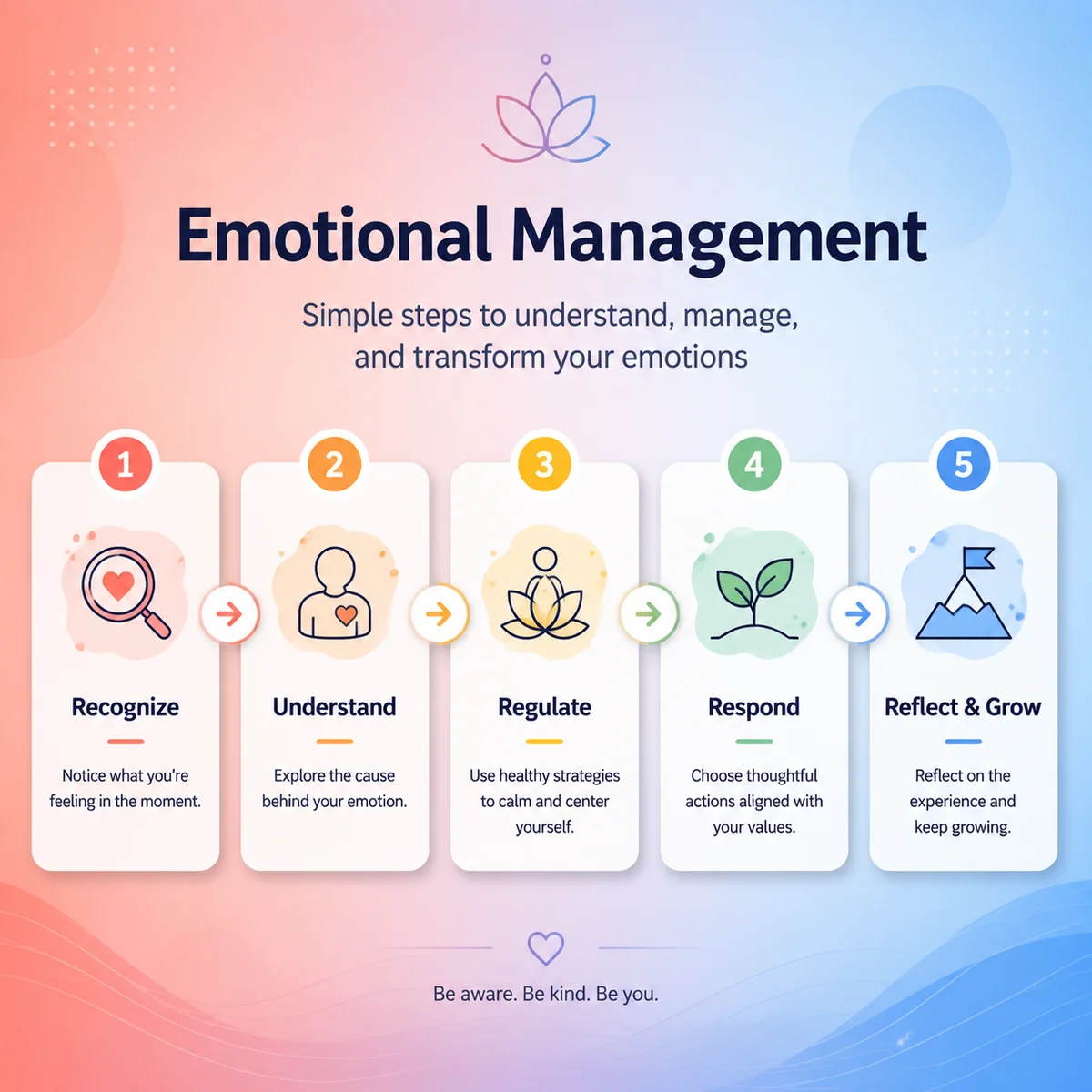
Sometimes catching feelings doesn’t have to mean ending things. Some threesome arrangements evolve into something more — a triad, a polyamorous structure, or simply a deeper friendship with clearer emotional boundaries. But evolution needs to be intentional, not accidental.
If all three of you are open to exploring what a different arrangement might look like, here are the questions you need to answer together:
- Is everyone genuinely interested in this, or is someone agreeing out of fear of losing what they have?
- What would change practically? More solo dates? Different communication expectations?
- How does this affect the couple’s primary relationship, and are both partners fully on board?
- What happens if it doesn’t work? Can you go back, or is this a one-way door?
- What specific boundaries need to be redrawn?
These are not questions to answer in one conversation. They’re the starting point for an ongoing dialogue — ideally with some time between discussions to let things settle. And if you’re moving toward a more emotionally involved structure, investing in consistent aftercare practices becomes even more important, since emotional check-ins will carry higher stakes.
When It’s Time to Step Back
Not every situation with feelings should continue. Sometimes the healthiest, most mature thing you can do is step back — from the third, from the arrangement, or even from non-monogamy temporarily while you and your partner recalibrate.
Here are the signs it’s time to pause or end the arrangement:
- Your primary relationship is suffering. If you’re fighting more, pulling away, or using the third as an escape from unresolved issues, the threesome dynamic isn’t the problem — but it’s making the real problem worse.
- The third is uncomfortable. If they’ve expressed unease or pulled back, listen. Even if they haven’t said it directly, signs like shorter replies, cancelled plans, or reluctance to meet speak volumes.
- You can’t separate fantasy from reality. If you’re imagining a future together that the third hasn’t agreed to — or that would require dismantling your current relationship — you’re no longer operating in shared reality.
- The feelings are obsessive, not warm. If you’re checking their social media constantly, rearranging your schedule around them, or feeling physically anxious when they don’t respond, what you’re experiencing may be closer to attachment anxiety than love.
Ending an arrangement because of feelings isn’t failure. It’s recognizing your limits and respecting everyone involved. A thoughtful ending preserves the possibility of future connection — whether with this person or someone else — far better than letting things drag on until someone gets hurt.
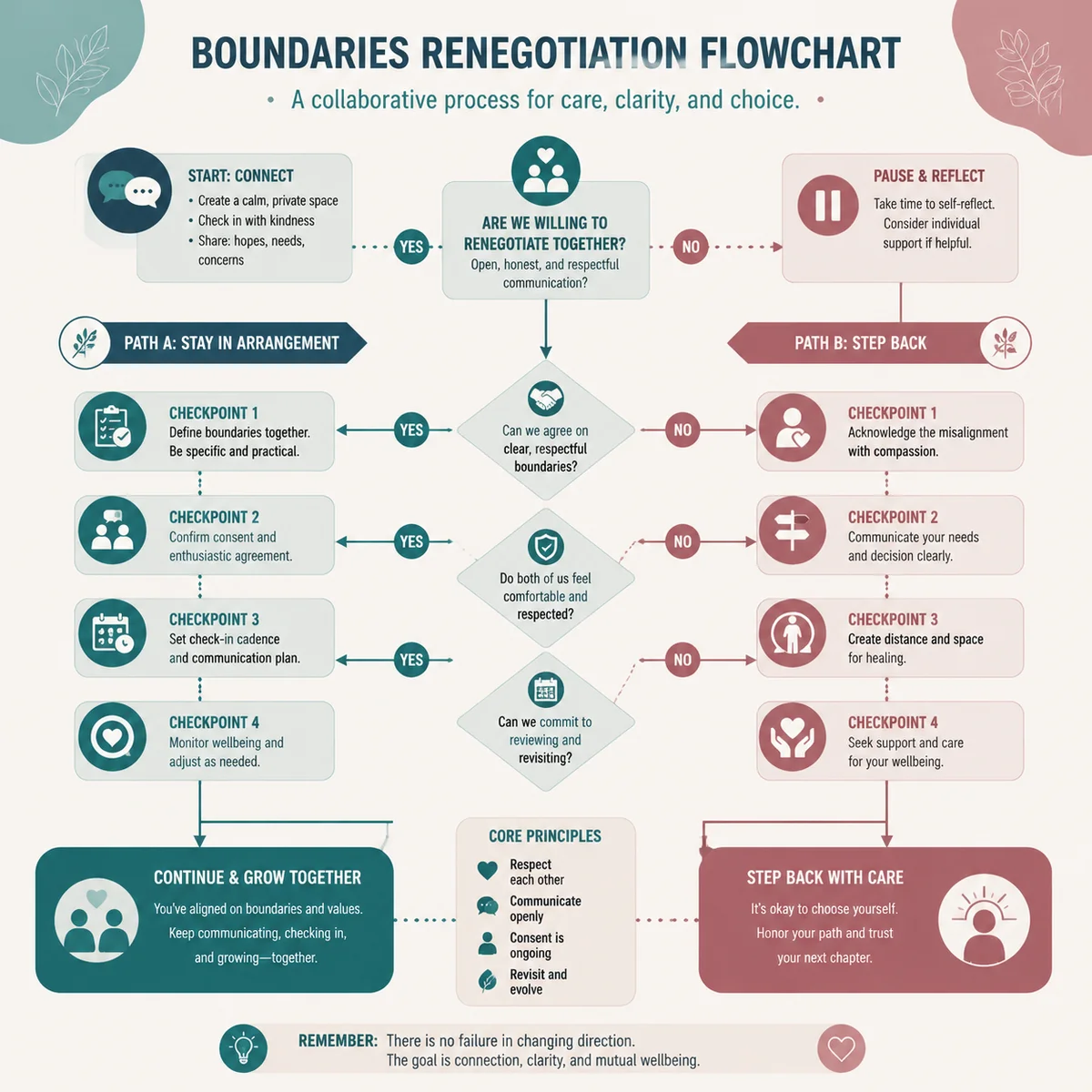
If you do decide to step back, handle the ending with care. A brief, honest message is better than slow-fading. Something like: “I’ve really valued our time together, but I need to step back to focus on my primary relationship. This isn’t about anything you did wrong — you’ve been wonderful. I just need to recalibrate.”
Feelings Don’t Mean You Did Something Wrong
If you take one thing from this article, let it be this: catching feelings for your third partner is not evidence that you’re bad at casual dating, that you broke the arrangement, or that your relationship is doomed. Feelings are data. They tell you something about what you need, what you value, and where your emotional attention is going.
According to research on attachment in non-monogamous relationships published in Psychology Today, the presence of feelings in a casual arrangement is less predictive of problems than how those feelings are communicated and managed. In other words: it’s not the emotion that causes damage. It’s what you do — or don’t do — with it.
Some of the strongest relationships — monogamous and non-monogamous alike — have weathered moments like this and come out clearer about what they want. Whether your path forward involves adjusting your arrangement, stepping back, or simply riding out NRE until it passes, you’re not the first person to be here, and you won’t be the last.
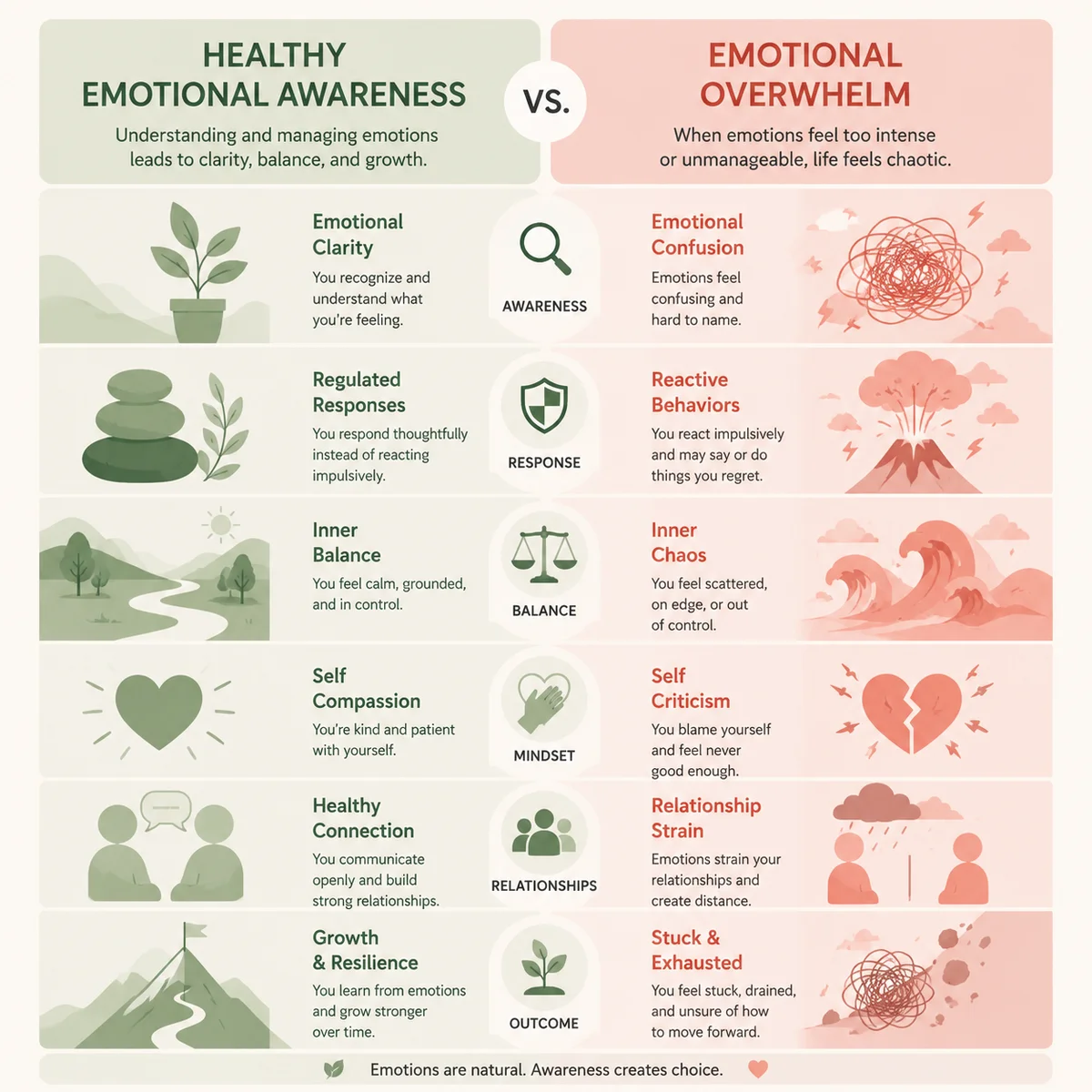
If you’re navigating this right now, the best thing you can do is slow down. Give yourself permission to feel what you’re feeling without immediately needing to fix it. Talk to your partner. Be honest with your third. And remember that at 3Cupid, we built this space for people who understand that real connections — even the complicated ones — are worth handling with care.
This article was written to help people navigate the emotional side of threesome dating with honesty and compassion. If you’re looking for a platform where ethical communication is the norm, explore what 3Cupid has to offer.