The threesome is over. Maybe it was incredible. Maybe it was awkward. Maybe it was somewhere in between. Whatever happened, there is one step most couples skip — and it is the one that determines whether the experience brings you closer or creates distance. That step is the threesome debrief.
A debrief is not about grading anyone’s performance or rehashing every detail. It is a structured, caring conversation where both partners share how they felt, what worked, what did not, and what they want for next time — or whether there should even be a next time. Done right, it turns a shared experience into a deeper connection.
Here is a practical framework for debriefing after a threesome — no scripts to memorize, no therapy jargon, just a real conversation guide that actually works.

The conversation that happens after the experience is just as important as the preparation that came before it.

One of the most common mistakes couples make is debriefing too soon, when emotions are still raw and unprocessed.
Table of Contents
- Why a Threesome Debrief Matters
- When Is the Right Time to Debrief?
- Setting the Right Environment
- What to Discuss: A Structured Debrief Framework
- Common Emotional Responses and How to Handle Them
- After the Debrief: Turning Insights Into Action
- Debrief Checklist for Couples
Why a Threesome Debrief Matters
After a threesome, both partners are processing a flood of sensory, emotional, and relational data. One person might be riding a high while the other feels unexpectedly fragile. One might have loved a particular moment that the other found upsetting. Without a debrief, these unspoken reactions sit in separate silos — and over time, they can turn into resentment, insecurity, or avoidance.
Relationship experts at Psychology Today note that couples who engage in structured post-experience conversations within 48 hours report higher relationship satisfaction and fewer misunderstandings than those who skip this step. The debrief is not about fixing anything — it is about making sure both people are on the same page. It normalizes the emotional complexity of group experiences and reinforces that your primary relationship is the anchor, not an afterthought.
A good debrief also gives the third partner their due respect. You can discuss what you appreciated about them, what you learned, and how you want to communicate with them going forward — all without objectifying or reducing them to a plot point in your couple’s story.

Where you have the debrief matters almost as much as what you say during it.
When Is the Right Time to Debrief?
Timing matters more than most couples realize. Debrief too soon and you are both still flooded with adrenaline. Wait too long and the details fade, replaced by whatever story each of you told yourself in the silence.
The sweet spot is usually 12 to 24 hours after the experience. This gives everyone enough time to sleep on it, let the intensity settle, and start forming coherent thoughts. If the threesome happened late at night, the next afternoon is ideal. If schedules make that impossible, aim for within 48 hours.
One rule that experienced couples swear by: do not debrief while still physically with the third partner. That conversation belongs to the two of you alone. Thank your third, say goodbye warmly, and give yourselves privacy before diving into processing.
Setting the Right Environment
The environment for a threesome debrief should feel safe, private, and unhurried. This is not a conversation to have in a busy cafe or while scrolling through your phone. Pick a place where you both feel comfortable — your living room couch, a quiet walk in the park, or even a car ride with no destination in mind.
Put phones away. Make eye contact. If sitting across from each other feels confrontational, sit side by side — sometimes it is easier to talk about vulnerable feelings when you are not staring directly at each other. Have water or tea nearby. Set aside at least 30 minutes, but do not put a hard cap on it. Let the conversation breathe.
Start with a simple shared acknowledgment: “I am glad we did this together, and I want to talk about how we are both feeling.” This frames the debrief as a team activity, not an interrogation.

A structured approach makes the conversation productive without turning it into a performance review.
What to Discuss: A Structured Debrief Framework
Here is a simple four-part structure that keeps the conversation productive without making it feel like a performance review.
Part 1: What Went Well
Start with the positives. It sets a collaborative tone and reminds both of you why you chose this experience in the first place. Each partner shares at least two things they genuinely enjoyed — a moment, a feeling, a discovery. Be specific. Instead of “it was good,” say “I really liked how you checked in on me when things shifted, that made me feel safe.”
Part 2: What Felt Hard
This is where you name the difficult moments. Maybe you noticed your partner seemed more into the third than you expected, and it stung. Maybe you felt left out during a particular moment. Maybe you were physically uncomfortable but did not know how to pause things. Speak in “I” statements — “I felt a twinge of jealousy when…” rather than “You were too into them.” This is not about blame. It is about mapping the emotional terrain.
Part 3: The Third Partner
Discuss how you both felt about the third partner — not as a rating, but as a relationship check. Did they respect boundaries? Did you feel safe with them? Would you want to see them again? What kind of communication do they deserve now? A thoughtful check-in text the next day is basic courtesy. Ghosting a third partner after a vulnerable shared experience is never acceptable.
Part 4: What Comes Next
Based on everything discussed, decide together: do you want to do this again? With the same person or someone new? Do any boundaries need adjusting? Is there anything you want to try differently? This is where the debrief turns from reflection into action — and where your threesome dating journey either deepens or intentionally pauses.

Knowing what emotional responses to expect can prevent a normal reaction from becoming a relationship crisis.
Common Emotional Responses and How to Handle Them
Debriefing after a threesome can surface emotions neither partner expected. Knowing these are normal helps keep the conversation from spiraling.
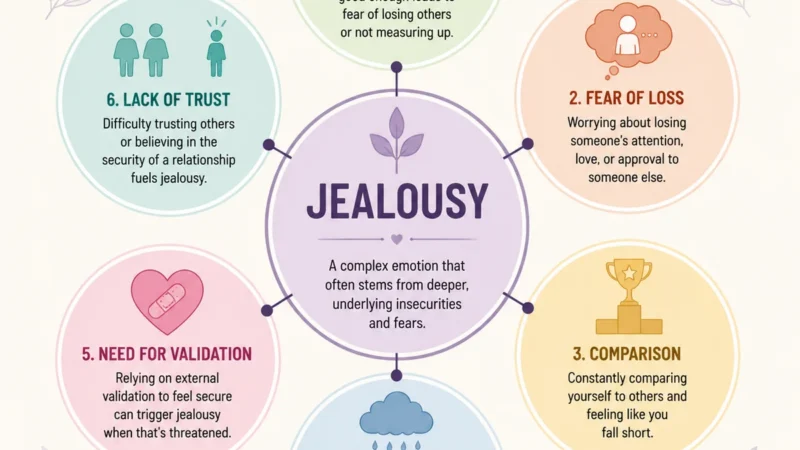
Jealousy. One of the most common — and most feared — responses. Jealousy does not mean the threesome was a mistake. It means something touched a tender spot worth examining together. Instead of pushing it away, ask: what specific moment triggered it? What need feels unmet right now?
Unexpected sadness. Sometimes people feel a drop — a low that arrives seemingly out of nowhere. This is often a normal post-intense-experience comedown, similar to what happens after any highly stimulating event. Acknowledge it, rest, and reconnect physically and emotionally with your partner.
Comparison anxiety. One partner worries they were not as confident, attractive, or skilled as the third. Reassurance helps, but what helps more is hearing your partner say what they specifically value about you — things the third could never replace because they are about your shared history, inside jokes, and the trust you have built.
Overwhelming excitement. One partner wants to immediately plan the next threesome while the other is still processing. If you are the excited one, slow down. Let your partner catch up emotionally before you start scrolling through dating profiles. Enthusiasm is great — pressure is not.

A debrief is only useful if it leads to something concrete—a changed boundary, a new agreement, or a shared understanding.
After the Debrief: Turning Insights Into Action
A debrief only matters if something changes because of it. After you have talked, agree on at least one concrete action item. It could be updating a boundary, scheduling a follow-up conversation in a week, sending a kind message to the third partner, or deciding together to take a break from threesome dating for a while.
Some couples find it helpful to write down their takeaways — not as a formal document, but as a private note they can revisit before the next experience. It becomes a living record of what you have learned together. One couple we spoke with keeps a shared note on their phone called “Our Threesome Learnings” and reviews it before every new encounter. Simple, private, effective.
Finally, end the debrief with genuine affection. A hug, a walk holding hands, cooking a meal together — something that physically re-grounds you as a couple. The debrief processes the experience; reconnection reminds you who you are coming home to.
Debrief Checklist for Couples
- Wait 12-24 hours after the experience (within 48 hours at most)
- Choose a private, comfortable space with no distractions
- Phones away; make eye contact or sit side by side
- Start with a shared affirmation: “I’m glad we did this together”
- Share at least two things that went well (be specific)
- Name any difficult moments using “I felt” language
- Discuss the third partner: boundaries, safety, next communication
- Decide together: try again, adjust boundaries, or pause
- Agree on one concrete action item
- End with physical affection and reconnect as a couple
If you are looking for tips on managing expectations before your next experience, check out our guide on setting realistic expectations in threesome dating. For a deeper dive into the emotional landscape, read about the emotional side of threesome dating. And if communication is something you want to strengthen, our article on building trust and communication is a great next step.
Editor’s note: This article is written for educational and informational purposes. Every couple’s experience is unique, and there is no single right way to process a shared sexual experience. Take what works for you and leave the rest.