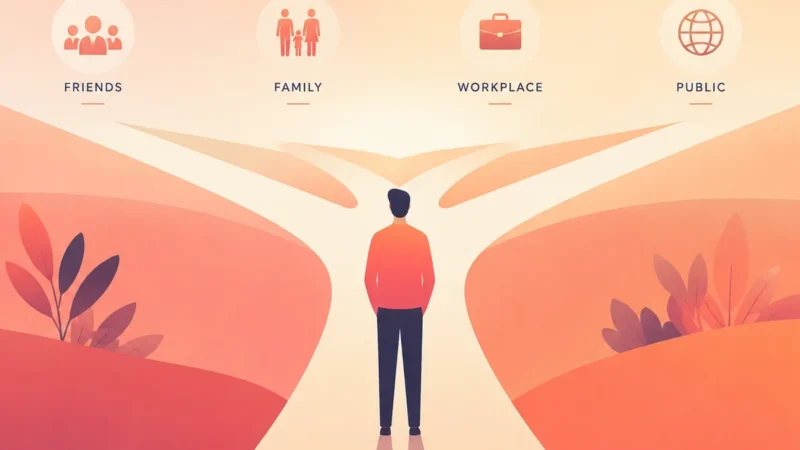
Finding a community might not be the first thing on your mind when you and your partner decide to explore swinging. But here is what experienced lifestyle couples will tell you: the community you surround yourself with shapes everything — how safe you feel, how much you learn, and whether the lifestyle becomes a sustainable source of joy or a source of stress.
You do not need to become a social butterfly or attend every event in your region. But knowing where to look, what to expect, and how to find people who share your values makes the difference between feeling lost and feeling at home. This guide walks you through exactly how to find your swinging community — from online platforms to lifestyle clubs to private events.
Why Having a Swinging Community Matters
Swinging can feel isolating if you are navigating it alone. Unlike traditional dating, you cannot casually mention your weekend plans at the office or ask your vanilla friends for advice about club etiquette. A community gives you people who get it — who understand the unique joys and challenges of the lifestyle without needing a 20-minute explanation first.

Beyond emotional support, a community provides practical benefits. Experienced community members can recommend which local clubs are genuinely welcoming versus which ones have a reputation for boundary-pushing. They can introduce you to other couples at your experience level. And perhaps most importantly, they create accountability — communities with strong norms around consent and communication tend to self-police, making experiences safer for everyone.
As one long-time lifestyle participant put it to NPR, strong social networks within alternative communities serve as both social scaffolding and safety infrastructure — they are not just about finding play partners; they are about building a support system that normalizes and protects the lifestyle you have chosen.
Online Platforms to Start Your Search
Your search for a swinging community almost always starts online. The right platform depends on what you are looking for — casual connections, educational resources, or local event listings.
Dedicated lifestyle platforms like SDC (Swingers Date Club), Kasidie, and SLS (SwingLifeStyle) are the most established starting points. These platforms combine dating profiles with event calendars, club listings, and member verification systems. They are not the sleekest apps, but they are where the community actually lives. Create a profile that clearly states you are new and curious — you will be surprised how many experienced couples are willing to offer guidance to respectful newcomers.

Reddit communities like r/Swingers (250,000+ members) offer something platforms do not: unfiltered, real-time discussion. You can read about others first club experiences, ask anonymous questions, and learn from both success stories and cautionary tales. The search function is your friend here — almost every question you have has been discussed in depth.
Private Facebook groups for local lifestyle communities exist in most major cities. These are typically invite-only to protect member privacy. You will usually find them through word of mouth once you start attending events. For a gentle introduction to the swinging lifestyle, these smaller, local groups can be less overwhelming than large international platforms.
Lifestyle Clubs: What to Expect and How to Choose
Lifestyle clubs — sometimes called on-premise clubs — are the physical hubs of most swinging communities. They range from upscale venues with dress codes and curated play spaces to casual BYOB gatherings in converted warehouses. The right club for you depends entirely on your comfort level and what you are looking for.

When researching clubs, look for these specific features:
- Newcomer orientation nights. Many reputable clubs host dedicated evenings for first-timers with tours, rule explanations, and lower-pressure social environments. These are gold for beginners.
- Clear consent policies posted publicly. If a club website does not prominently feature its consent and conduct rules, that is a red flag. The best clubs put “no means no” front and center.
- Staff presence in play areas. Clubs with monitors or staff circulating through play spaces tend to have fewer boundary issues. It is a sign that the venue takes safety seriously.
- Social areas separate from play areas. A good club gives you space to talk and connect without pressure. You should never feel rushed into a play situation.
- Member reviews. Look for reviews that mention “welcoming to newcomers” or “no pressure atmosphere.” Avoid clubs where multiple reviews mention pushy regulars or ignored boundaries.
Once you have found a club that looks promising, plan your first visit as an exploratory outing — not a mission. Agree beforehand that you are only there to observe, socialize, and get a feel for the space. If something develops naturally, great. If not, you still had a valuable experience. Our guide on swinging club etiquette for newcomers covers the unwritten rules in detail.
Lifestyle Events and Meetups for Newcomers
Beyond regular club nights, the lifestyle community organizes a wide range of events specifically designed for meeting people. Understanding the landscape helps you choose the right entry point.
Meet-and-greets are purely social gatherings — usually at a vanilla bar or restaurant — where lifestyle people can connect without the pressure of a play environment. These are ideal first steps. You can practice talking about the lifestyle in a low-stakes setting, meet experienced couples who can answer your questions, and build the social confidence that makes club visits feel less intimidating.

Hotel takeovers and lifestyle conventions are larger events that combine workshops, social mixers, and play parties over a weekend. They are more of an investment but offer unparalleled community immersion. Many conventions include educational sessions on topics like communication, jealousy management, and consent — content that is valuable even for couples who decide swinging is not ultimately for them.
House parties tend to be more intimate and invitation-only. You will typically get invited to these after you have made connections at clubs or meet-and-greets. They can feel more comfortable than clubs because the environment is more personal, but they also require a higher degree of trust in the host. For practical preparation tips, check our lifestyle event preparation checklist.
Building Trust and Friendships in the Lifestyle
Finding a community is step one. Building genuine connections within it is what makes the lifestyle sustainable.
Start with friendship, not play. The most successful lifestyle friendships often begin with a rule: no play on the first meeting. This takes the pressure off and lets you evaluate whether you actually enjoy someone company before adding additional layers to the dynamic. Some of the strongest swinging communities are built on couples who became friends first and play partners second — or who remain friends without ever playing together at all.

Be reliable and consistent. Show up when you say you will. Follow through on plans. Respect people time. These basic social courtesies matter even more in lifestyle spaces because trust is the entire foundation of the community. A couple known for being flaky or pushy will quickly find themselves excluded, while couples known for being respectful and dependable build reputations that open doors.
Contribute to the community, not just consume from it. Offer to help with event setup. Welcome newcomers at meet-and-greets. Share your experiences honestly when asked. The lifestyle community is built on reciprocity — the couples who get the most out of it are the ones who give back.
Red Flags and Safety Considerations
Like any community, swinging spaces have their share of bad actors. Knowing what to watch for protects both your physical safety and your emotional well-being.
Here are the red flags that experienced community members flag most often:
- Pressure to play on the first meeting. Anyone who suggests you are “not really into the lifestyle” if you want to take things slow is testing your boundaries — and will likely continue testing them.
- Couples who arrive separately. If one partner shows up while the other “could not make it” and suggests playing solo, there is a reasonable chance the absent partner does not know about it. Ethical swingers play as a team.
- Clubs or events with no visible consent enforcement. If you do not see staff actively monitoring the environment or posted rules about conduct, assume the venue approach to safety is hands-off at best.
- Excessive alcohol pressure. Community spaces where drinking is the primary activity rather than a background element tend to have more consent issues. Trust your gut if a scene feels more like a party than a community.
- People who badmouth their primary partner. The lifestyle is built on strong primary relationships. Someone who complains about their spouse to potential play partners is broadcasting instability.
Finally, trust your instincts. If a space, event, or person feels off, you do not need a logical reason to leave. Your safety and comfort are non-negotiable. The right community for you is one where you feel genuinely safe and welcome — and it is worth being patient to find it. The swinging community can be one of the most supportive and enriching social circles you will ever join, but only when you approach it with discernment and build connections based on trust rather than urgency.
Community is not just about finding people to share experiences with. It is about finding people who help you become a better version of yourself — more communicative, more confident, more attuned to what you and your partner truly want. That is worth searching for.
This article is part of the 3Cupid Swinging Lifestyle series. Once you have found your community, understanding the emotional side is essential — read our guide on how to handle post-swinging emotional drop for strategies that keep your primary relationship strong.