If you’ve spent any time reading about ENM dating, you’ve probably seen plenty of red flag lists — warning signs that a couple isn’t safe, isn’t ready, or isn’t treating you like a person. Those are essential. But knowing what good looks like is just as important. Green flags when a couple approaches you for a threesome are the signals that tell you this connection might actually be worth your time and emotional energy. They’re not about perfection — they’re about baseline respect, emotional maturity, and evidence that the couple has done their homework before inviting someone into their dynamic.
This guide is for singles who want to recognize healthy couple behavior early — sometimes before you even meet in person. The goal isn’t to create an impossible standard. It’s to give you a framework for knowing when to lean in and when to protect your peace.
Table of Contents
- Why Green Flags Matter More Than Red Flags
- They Lead With Transparency, Not Mystery
- Both Partners Show Up as Individuals
- They Respect Your Boundaries Without Negotiation
- They Have a Track Record of Ethical Behavior
- Green Flags in Their Communication Style
- Green Flag Checklist for Singles Being Approached
Why Green Flags Matter More Than Red Flags
Red flag lists are reactive — they help you identify problems after they’ve already revealed themselves. Green flags are proactive. They tell you that a couple operates from a baseline of emotional awareness, not just the absence of dysfunction. And in ENM dating, where the power dynamic between a couple and a single can be uneven, that baseline matters enormously.
A couple might technically pass a red flag checklist — no obvious manipulation, no pressure tactics — and still leave you feeling drained, confused, or invisible. Why? Because the absence of bad behavior isn’t the same as the presence of good behavior. Green flags fill that gap. They show you that a couple isn’t just “not harmful” — they’re actively creating conditions where a third person can thrive.
Think of green flags like you’d think of ingredients in a recipe. Red flags are the things that would ruin the dish — spoiled ingredients, missing steps. Green flags are the fresh vegetables, the balanced seasoning, the evidence that someone knows what they’re doing in the kitchen. Both types of information matter, but only green flags tell you something is going to taste good.

They Lead With Transparency, Not Mystery
The first and clearest green flag: a couple that volunteers information instead of making you pull it out of them. When you ask about their relationship structure, they give you a real answer — not a vague “we’re open to whatever” or a coy deflection. They tell you how long they’ve been together, what kind of ENM they practice, and what they’re actually looking for.
Transparency also shows up in smaller, more telling ways. They tell you their real names (or at least the names they use in ENM spaces consistently). Their photos are recent and clearly show both partners — no strategically cropped images where one person is mysteriously absent. They don’t dodge questions about their safer sex practices or act like you’re being intrusive for asking. A couple that’s comfortable being seen and known is a couple that’s done the internal work to deserve a third person’s trust.
This is the opposite of what our red flags guide warns about — couples who evade, deflect, or make you feel like you’re interrogating them just for asking basic questions. Transparency costs nothing, and couples who can’t afford it aren’t ready.
Both Partners Show Up as Individuals
One of the most reliable green flags you’ll encounter: you’ve spoken to both partners separately, and each one sounds like a distinct human being with their own voice, interests, and reasons for being here. This matters because when a couple presents as a fused unit — finishing each other’s sentences, using “we” for everything, never disagreeing — it often signals that the relationship hasn’t made room for individuation. And if there’s no room for two individuals in the relationship, there certainly won’t be room for a third.
Healthy couples in ENM don’t pretend to be a single entity. They’ll say things like “She’s more extroverted than I am, so she’ll probably carry the conversation at first” or “He tends to need more time to warm up to new people.” These small admissions of difference are actually huge green flags — they demonstrate self-awareness and a willingness to be honest about their dynamic rather than performing a polished, united front.
This connects directly to what we cover in our guide on being the third in a threesome — the healthiest experiences almost always involve couples who’ve maintained their individual identities. When both partners can stand alone, they’re far less likely to treat you as a prop for their relationship.
They Respect Your Boundaries Without Negotiation
Here’s a green flag that’s deceptively simple: you state a boundary, and the couple says “got it” — without asking you to justify it, soften it, or make an exception. No “are you sure?” No “what if we just…” No sighing or acting like your boundary is an inconvenience they’re generously accommodating.
This goes deeper than politeness. A couple that respects your boundaries immediately and completely is demonstrating something crucial: they understand that your comfort isn’t up for debate. They don’t see boundaries as obstacles to overcome — they see them as information about how to be in relationship with you. That’s the difference between a couple who wants a third person and a couple who wants you specifically, in the fullness of who you are.
Watch how they react when you say no to something small. If you mention you’re not available on a particular night and they pivot gracefully to another option, that’s a green flag. If you express a preference about communication style and they adapt without complaint, that’s a green flag. These micro-interactions are previews of how they’ll handle bigger boundaries down the line. Our article on third partner rights explains why this matters at a structural level — not just for politeness, but for genuine safety and agency.
They Have a Track Record of Ethical Behavior
Experience isn’t everything — some of the most ethical couples you’ll meet are brand new to ENM and approaching it with humility and care. But when a couple does have a history, the way they talk about it reveals volumes.
Green flag: they speak about past thirds or previous ENM partners with respect, not dismissal. They don’t blame former partners for things “not working out” in vague, one-sided ways. They can acknowledge what they learned from past experiences — what they’d do differently, what they realized about themselves. If they mention a previous arrangement that ended, they can describe it without making the other person sound crazy, unreasonable, or disposable.
This extends to how they talk about ENM in general. Couples who use respectful, contemporary language — who understand concepts like couple privilege and can discuss it without getting defensive — are signaling that they’ve engaged with the broader ethical conversation, not just the parts that benefit them. They’re not trying to reinvent the wheel or pretend that thoughtful people haven’t been writing about these dynamics for decades.
Psychology Today’s overview of polyamory emphasizes that people who thrive in non-monogamous relationships tend to share certain traits — strong communication skills, emotional self-awareness, and a genuine comfort with their partner’s autonomy. When you see these traits in a couple, you’re seeing evidence of a track record, whether it’s from past ENM experience or from the work they’ve done within their own relationship.

Green Flags in Their Communication Style
How a couple communicates with you in the early stages is usually a preview of how they’ll communicate in more emotionally charged moments. Here are the patterns worth looking for:
They ask you questions that aren’t about the threesome. This seems small, but it’s surprisingly rare. A couple that’s genuinely interested in you as a person will ask about your work, your weekend plans, the book on your nightstand. A couple that’s only interested in the fantasy will keep steering the conversation back to logistics, preferences, and “what you’re into.” The ratio of personal questions to scenario-planning questions is one of the most reliable green flags in early messaging.
They’re consistent in their response times and energy. Not obsessive — nobody needs instant replies — but predictable. You’re not getting three rapid-fire messages followed by five days of silence. Their engagement feels steady, not like they’re dipping in and out based on their mood or how well their own relationship is going that week.
They can talk about hard things without making it weird. When the conversation turns to boundaries, safer sex, or emotional expectations, they don’t change the subject or become suddenly stiff. They engage directly, with the same ease they’d bring to talking about favorite restaurants. That comfort with difficult topics is a green flag that’s almost impossible to fake. For more on navigating these dynamics from the single’s perspective, our guide on dating couples as a single in ENM covers the full picture.
If you’re new to recognizing these patterns, the unicorn dating safety guide walks through what respectful approaches look like in practice — and what the alternatives cost you.
Green Flag Checklist for Singles Being Approached
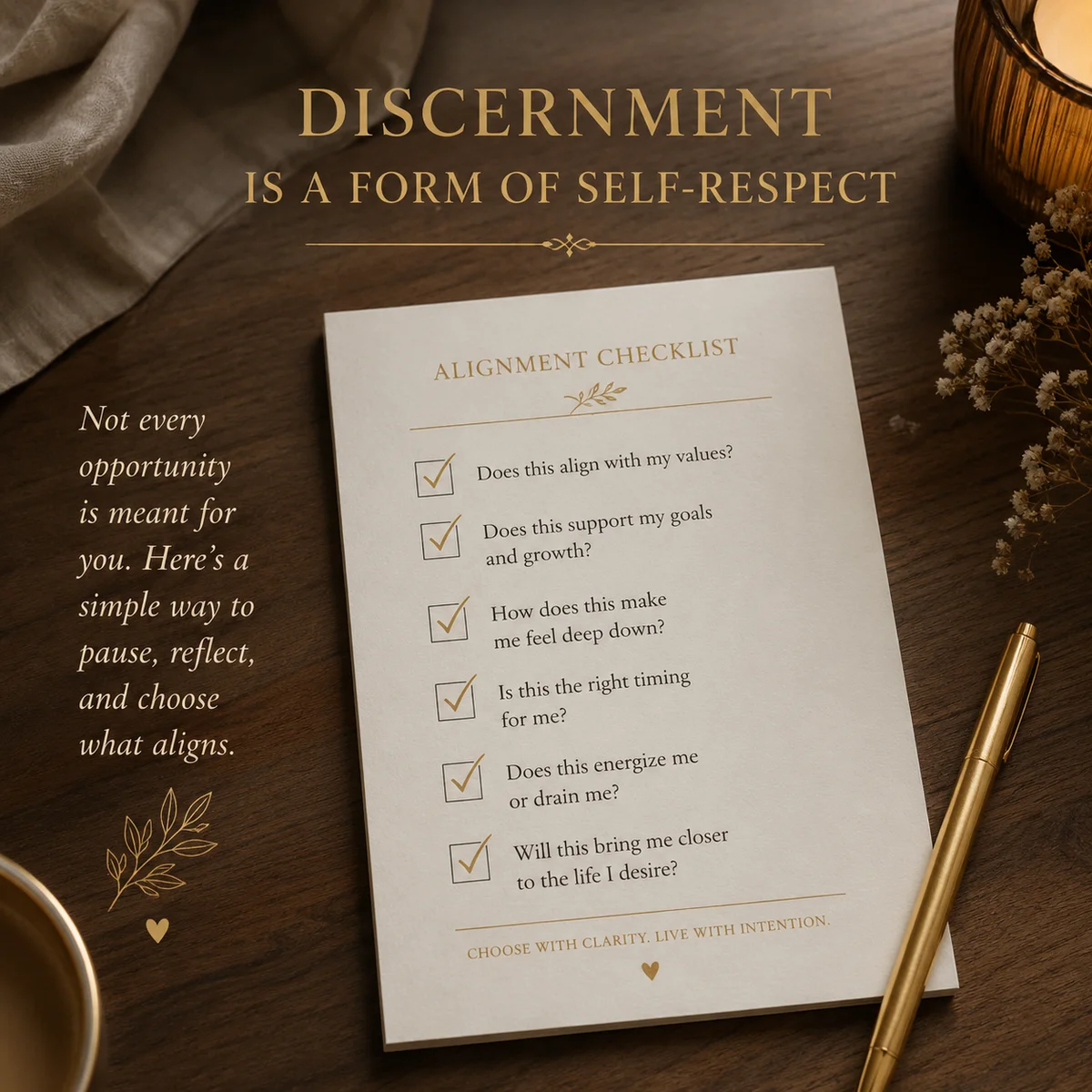
Before you agree to take things further with a couple, run through this checklist. You don’t need every box checked on day one — but the more green flags present, the more likely you’re dealing with a couple who’s done the work.
- Both partners have communicated with me directly in their own words, not just through one spokesperson.
- They’ve been transparent about their relationship — structure, history, what they’re looking for, and why.
- They ask about my life beyond this connection and remember details I’ve shared.
- They’ve stated their safer sex practices clearly and didn’t make me feel awkward for asking.
- My boundaries have been met with immediate acceptance — no pushback, no negotiation, no guilt.
- They speak respectfully about past partners and can articulate what they learned from previous experiences.
- Their communication is consistent — not hot-and-cold, not disappearing for days without explanation.
- They acknowledge couple privilege and can discuss it without defensiveness or denial.
- They’re as interested in my comfort as their own — check-ins go both ways from the start.
- Their words and actions align — what they say they value shows up in how they actually treat you.
The couples who check these boxes aren’t mythical — they exist, and they’re often the ones who’ve spent real time understanding what ethical non-monogamy actually requires. When you encounter them, you’ll feel the difference immediately: you’re being invited into something that has room for you, not squeezed into a space that was already full. You can find couples who approach ENM with this level of intention right here at 3Cupid.
Editor’s note: This article was written to help singles recognize healthy, ethical behavior when couples approach them for threesome dating. All guidance emphasizes informed consent, mutual respect, and personal agency — the foundations of safe ENM connections.