Table of Contents
- Why Questions Come Before Everything Else
- Questions for You and Your Partner
- Questions for the Third Partner
- Questions About Boundaries and Limits
- Questions About the Aftermath
- Questions You Might Be Afraid to Ask
- The Questions Conversation Starter Kit
If you’re searching for questions before a threesome, you’re already ahead of most people. The difference between a threesome that deepens trust and one that introduces tension often comes down to the conversations that happen days or weeks before anyone enters a bedroom. This guide covers the questions every couple and single person should ask — not just the obvious ones about logistics, but the ones that surface hidden expectations, unspoken fears, and the assumptions that cause problems when they stay buried.
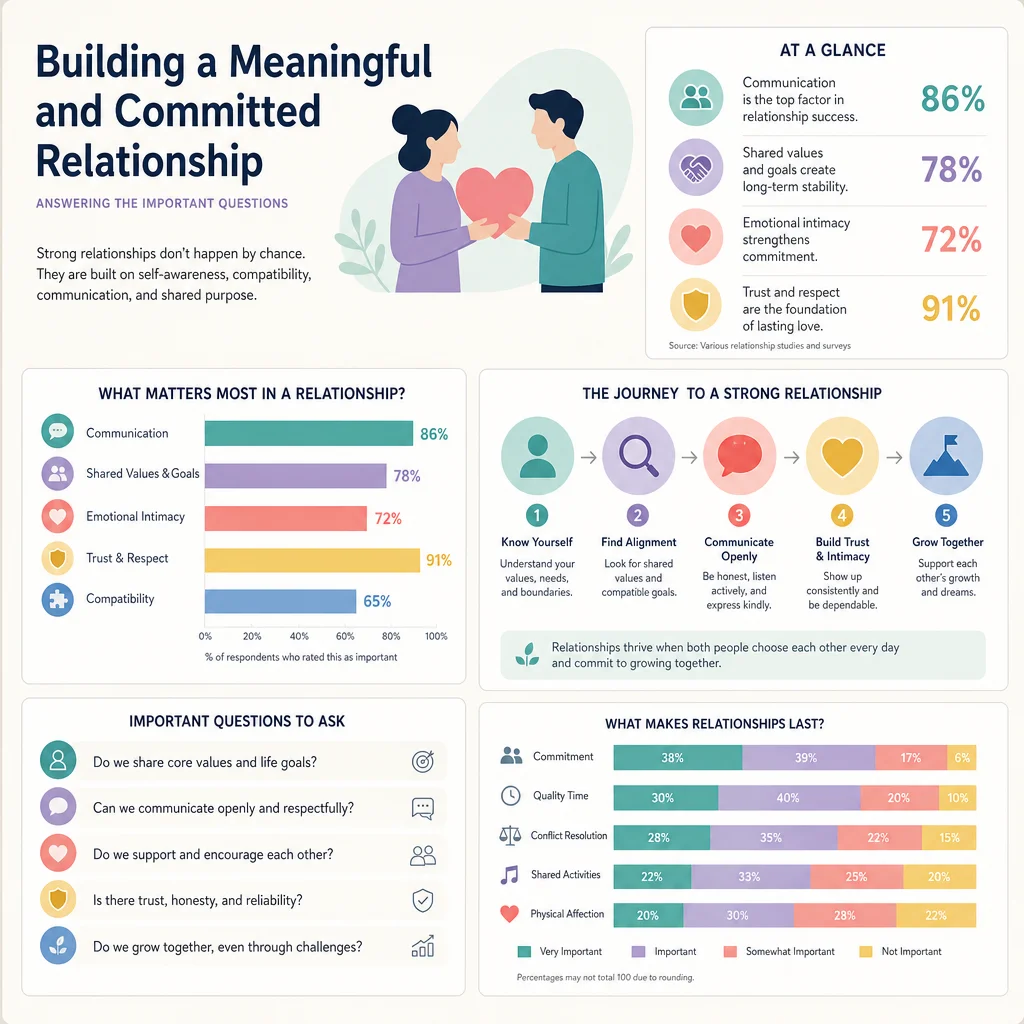
Think of these questions as emotional prep work. You don’t need to ask all of them in one sitting. Spread them across a few conversations so they feel natural rather than interrogative. The goal is clarity, not a perfect script. Some answers will surprise you — and that’s exactly the point.
Why Questions Come Before Everything Else
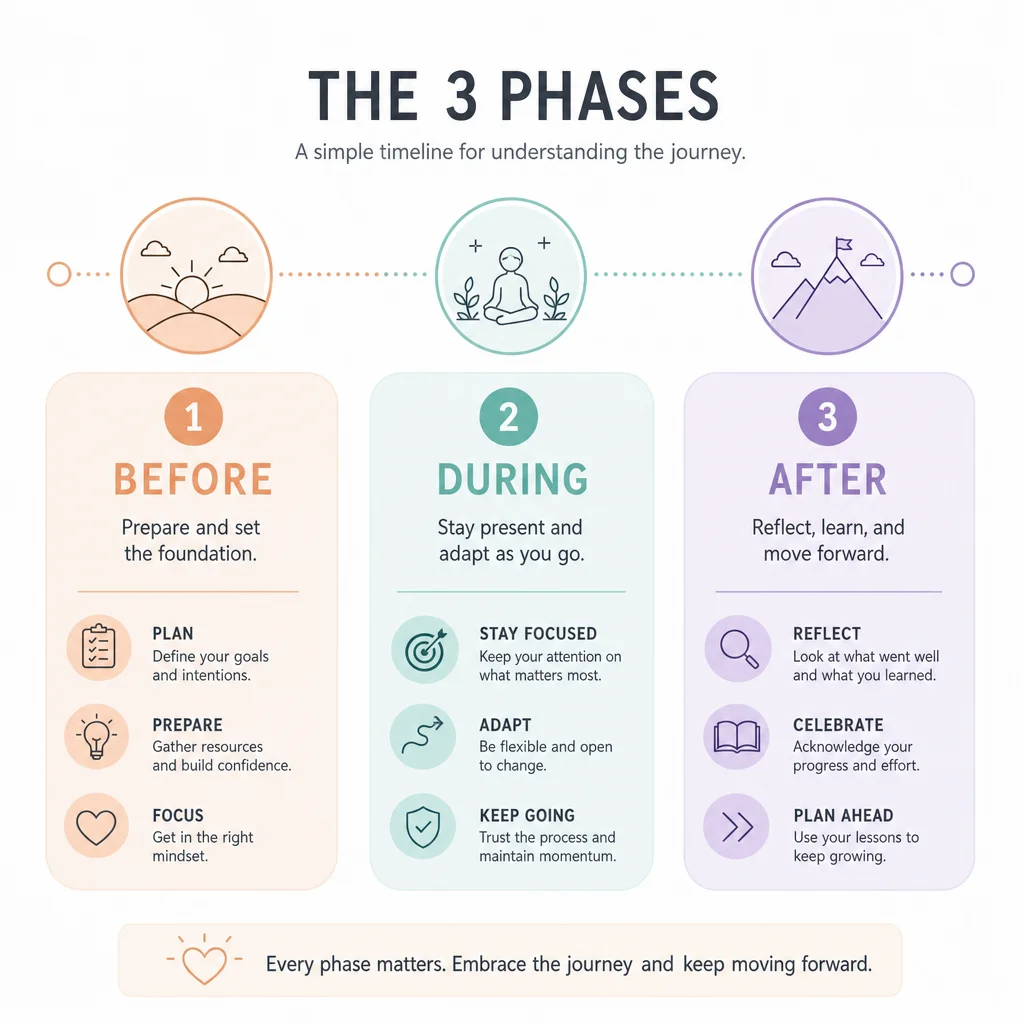
There’s a common misconception that asking too many questions “kills the mood” or makes things feel clinical. In reality, the opposite is true. When everyone knows where they stand, people relax. They stop monitoring every word for hidden meaning. They stop bracing for surprises. The questions aren’t the buzzkill — the uncertainty that fills the space where questions should have been is the buzzkill.
Research on sexual communication backs this up. A study covered by VeryWell Mind found that people in multi-partner dynamics who discuss expectations explicitly before sexual encounters report substantially higher relationship satisfaction than those who “see how it goes.” The questions don’t prevent spontaneity. They create the safety that makes spontaneity possible.
Another way to think about it: the questions you ask now are the conversations you won’t have to have in the middle of a moment, when emotions are high and clarity is low. That alone makes the pre-conversation worth every slightly awkward minute.
Questions for You and Your Partner
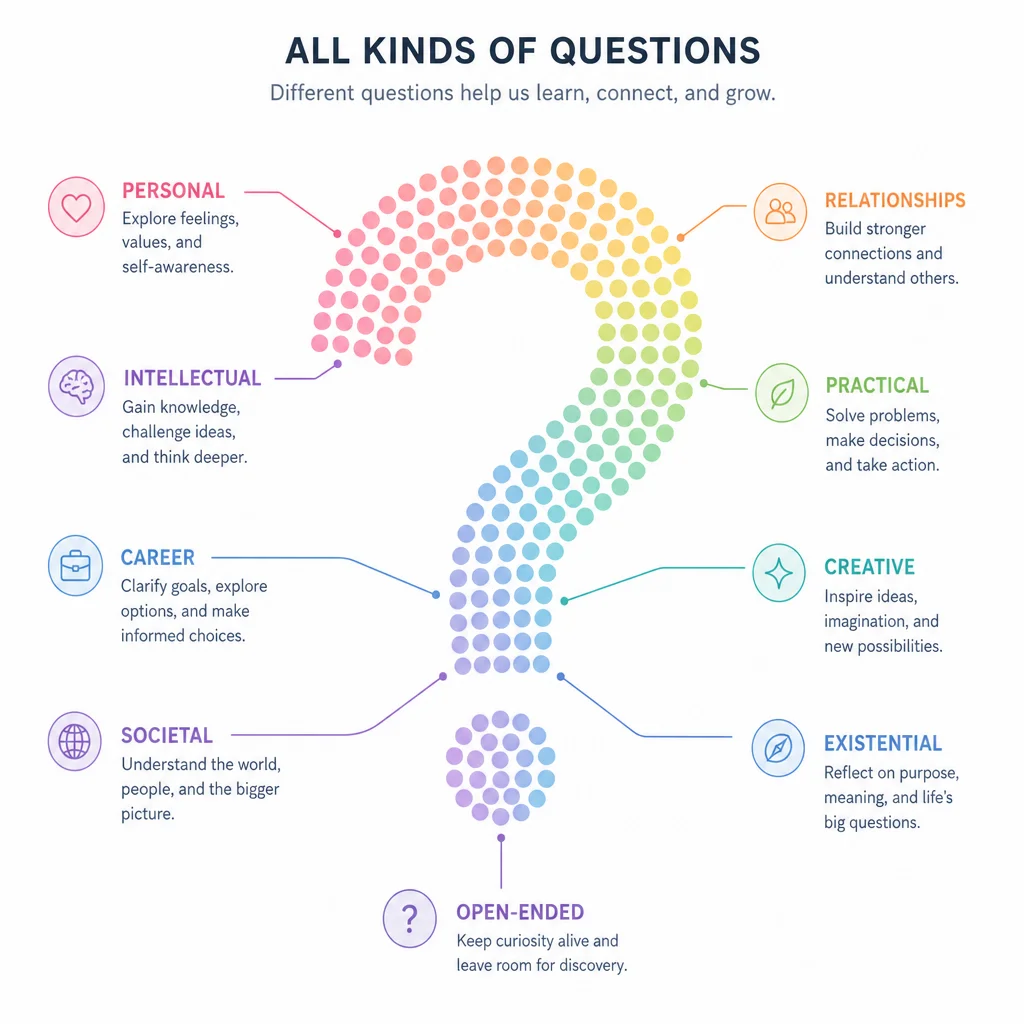
If you’re part of a couple, the most important conversation doesn’t involve the third person at all. It’s the one between the two of you — the one where you’re honest about motivations, fears, and what you’d each need to feel secure throughout the experience.
Start with the motivation question: “Why do we each want this?” Not the answer you think you should give. The real answer — even if it’s “I’m curious,” “it turns me on,” or “I want to try something new together.” No wrong answers here, but incompatible answers are worth knowing about before you proceed. If one of you is exploring genuine curiosity and the other is reluctantly agreeing to keep the relationship intact, that’s not a threesome — that’s a problem wearing a different name.
Then get specific: “What would make each of us feel left out, and what would make each of us feel included?” This question surfaces expectations that people often assume are obvious but rarely are. Maybe one partner pictures equal attention across all three people while the other pictures the couple primarily focused on each other with the third as a guest. Neither is wrong, but discovering the mismatch during the experience is a recipe for hurt.
Finally, ask the hard one: “If one of us wants to stop midway through, what’s our plan?” Agree on a signal — a word, a gesture, or a simple “I need a break” — and agree that either person can use it at any time, no questions asked in the moment. This commitment to each other’s comfort overrides everything else, and making it explicit before anyone else is involved is the single most stabilizing thing a couple can do.
Questions for the Third Partner

The third person isn’t a guest in your relationship — they’re a participant in a shared experience. The questions you ask them should reflect that. This isn’t an interview where they prove themselves worthy. It’s a mutual exploration where all three people figure out if there’s genuine alignment.
“What does a good experience look like for you?” Let them describe their ideal scenario in their own words. Pay attention to what they emphasize. If they talk entirely about physical acts and nothing about emotional tone or communication, that’s information. If they mention feeling respected, included, and free to speak up, that’s different information. Both are useful.
“How do you want to handle communication afterward?” Some third partners want a check-in the next day. Some prefer space and a casual follow-up later. Some want to be friends who occasionally connect; some want it to be a one-time experience with a clean ending. There’s no correct preference — only the preference that exists. Ask directly and honor the answer, even when it’s not what you hoped to hear.
“What would make you feel safe enough to say stop if you needed to?” This question communicates two things simultaneously: that you care about their wellbeing, and that you expect them to advocate for themselves. The best third partners appreciate being asked this. The ones who find it strange are telling you something about their own relationship with boundaries.
Questions About Boundaries and Limits
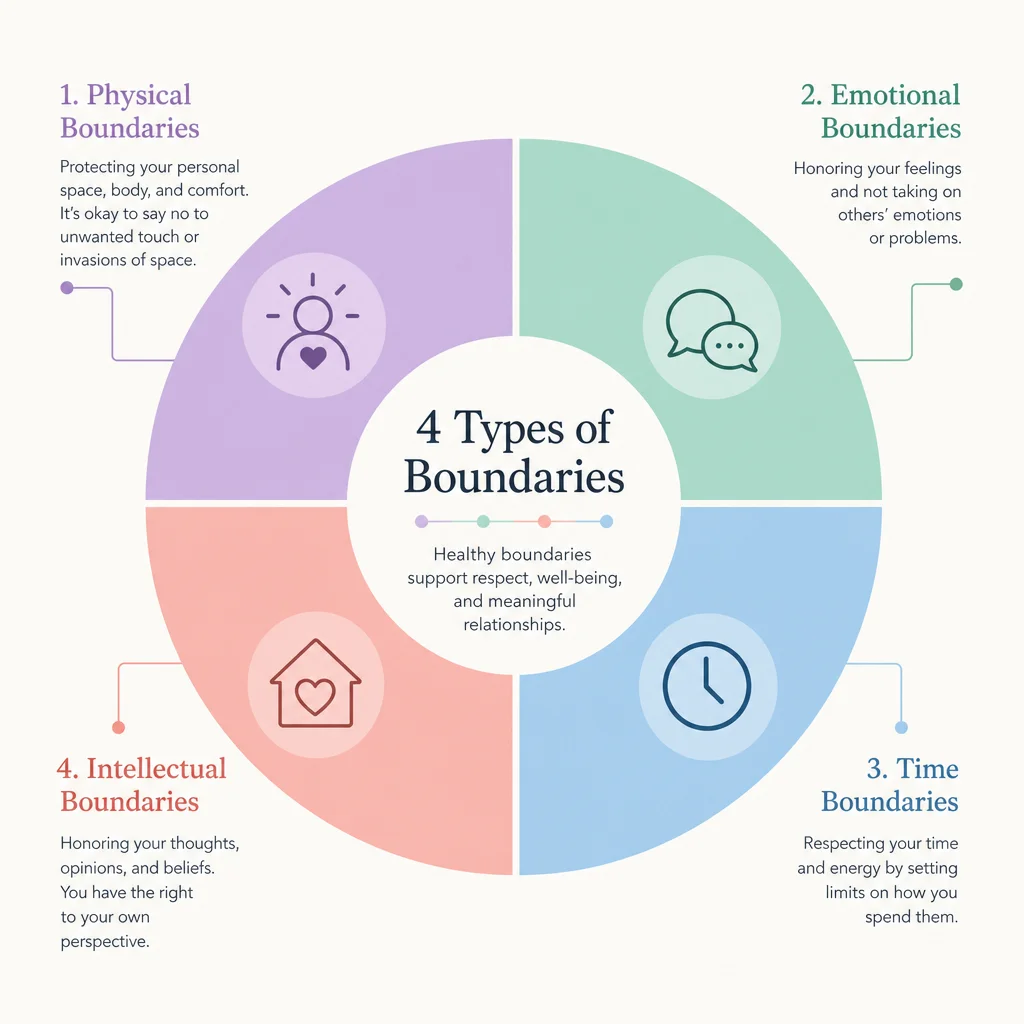
Boundary conversations work best when they’re specific. “We’ll respect each other’s limits” is a nice sentiment, but it doesn’t tell anyone what the limits actually are. Here are the concrete boundary questions that produce usable answers.
Physical boundaries: “What’s completely off the table for you?” “Are there any acts you enjoy in one-on-one contexts but not in group settings?” “How do you feel about different configurations — is everyone interacting with everyone, or are there pairings you’re less comfortable with?”
Emotional boundaries: “How do you feel about affection like kissing or cuddling outside of the main experience?” “If someone develops unexpected feelings, how should we handle that conversation?” “Are there words, names, or dynamics that would make you uncomfortable?”
Privacy boundaries: “What are we each comfortable with other people knowing?” “Can we reference this experience in future conversations, or would you prefer we keep it private?” “How do you feel about images or any form of documentation?” The privacy question is especially important because people have very different comfort levels, and assumptions here cause more lasting damage than almost any other area.
Questions About the Aftermath
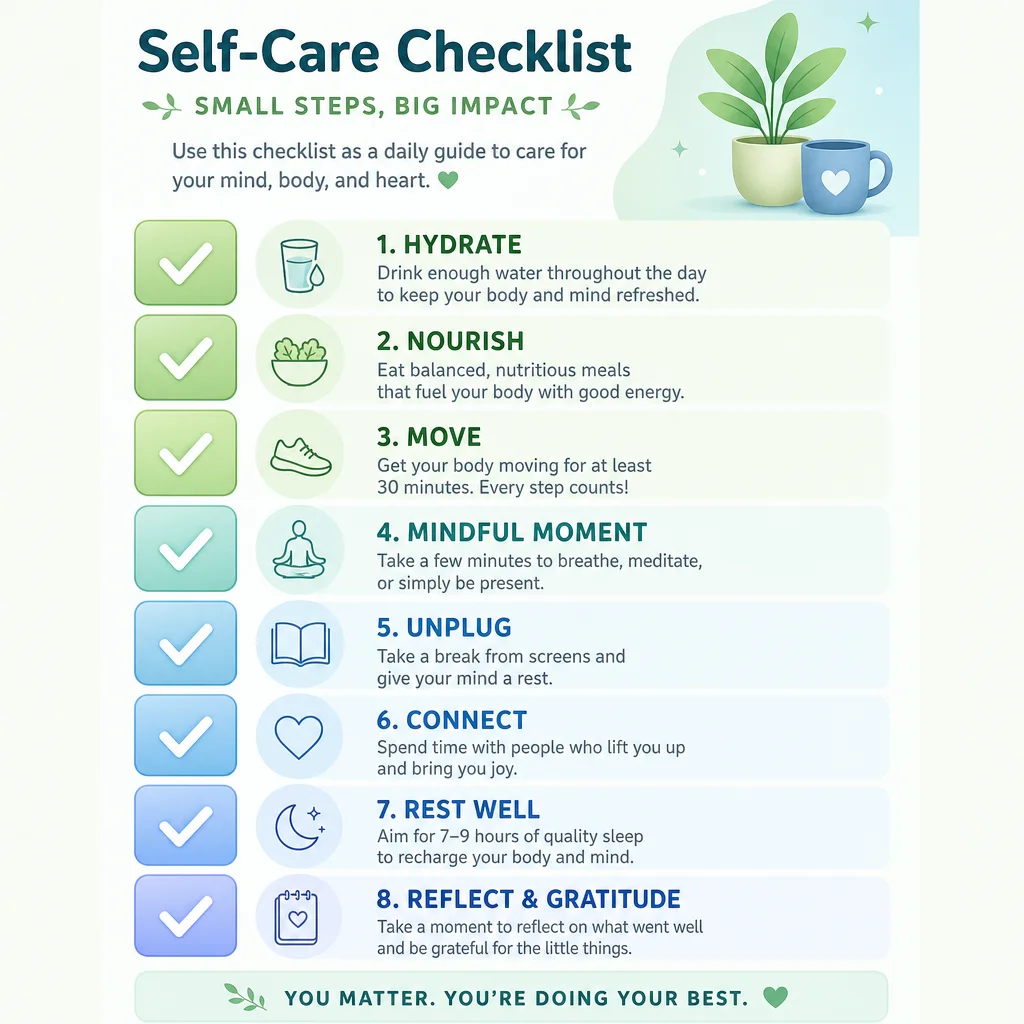
Most people spend ninety percent of their preparation energy on what happens during the experience and almost none on what happens after. That ratio is backwards. The aftermath is where emotions surface, where meaning gets assigned to memories, and where relationships either strengthen or strain.
“How do we want to reconnect afterward?” For couples, this might mean planning dedicated time together the next day — not to dissect the experience, but to simply be together and reaffirm the primary connection. For singles, it might mean a follow-up message that acknowledges the experience without creating pressure for more.
“What does a good debrief look like?” A debrief isn’t a critique session. It’s a space where each person can say what worked for them, what felt strange, and what they’d do differently. Agree on when it will happen (the next day is often better than immediately after, when everyone’s still processing) and what the tone should be (curious, not judgmental).
“What if one of us has complicated feelings?” Jealousy, sadness, unexpected attraction, a sense of distance — all of these are normal and none of them mean the experience was a mistake. They mean you’re human. Agree in advance that complicated feelings are welcome in the debrief and that noticing them early is a sign of emotional awareness, not a failure.
Questions You Might Be Afraid to Ask
Every couple or individual heading toward a first threesome has questions they hesitate to voice. Often, those are the questions that matter most. Here are a few that deserve air:
“What if I’m more attracted to the third person than I expected?” Attraction isn’t a betrayal. It’s a natural response to a new person in an intimate context. The question isn’t whether attraction will happen — it’s what you’ll do with it when it does. Talk about it beforehand so it doesn’t feel like a secret you have to hide.
“What if I don’t enjoy it as much as I thought I would?” Sometimes fantasy doesn’t translate to reality. That’s not a failure of you, your partner, or the experience. It’s data. You learned something. Give yourself permission to have a neutral or even disappointing experience without concluding that your relationship is broken or that you’re bad at this.
“Am I doing this because I genuinely want to, or because I feel like I should?” This is the one question nobody asks out loud but everyone should. Social pressure, partner enthusiasm, and curiosity can all masquerade as genuine desire. Take an honest inventory before you involve anyone else. If the answer is “I’m not sure,” the right move is to wait until you are.
The Questions Conversation Starter Kit
Below is a practical starter kit you can adapt to your own conversations. Pick five or six that feel most relevant, bring them up over coffee or a walk (not in bed, not right before the experience), and let the conversation go wherever it naturally leads.
- What’s one thing you’re genuinely looking forward to about this experience?
- What’s one thing that makes you a little nervous?
- If you could design the perfect version of this, what would it include — and what would it not include?
- How do you want to feel when it’s over?
- What’s our signal if one of us needs to pause or stop?
- How do you want to spend the first hour after everyone leaves?
- Is there anything you’re worried I might assume about your feelings that you want to clarify now?
- What does a successful experience look like to you — in one sentence?
The right questions before a threesome don’t guarantee a perfect experience. But they dramatically increase the odds of an experience where everyone feels respected, heard, and safe enough to be fully present. For more on what to expect during the experience itself, read our guide on managing expectations in threesome dating. And if you’re still in the process of finding the right person to share the experience with, see our companion article on how to screen third partners for a threesome — it walks through every step of vetting potential partners safely and thoughtfully. When you’re ready to connect with people who approach threesome dating with the same care you do, join 3Cupid.
Editorial disclaimer: This article was written by the 3Cupid editorial team to support adults exploring consensual threesome dynamics. All guidance emphasizes open communication, mutual respect, and emotional safety for everyone involved.