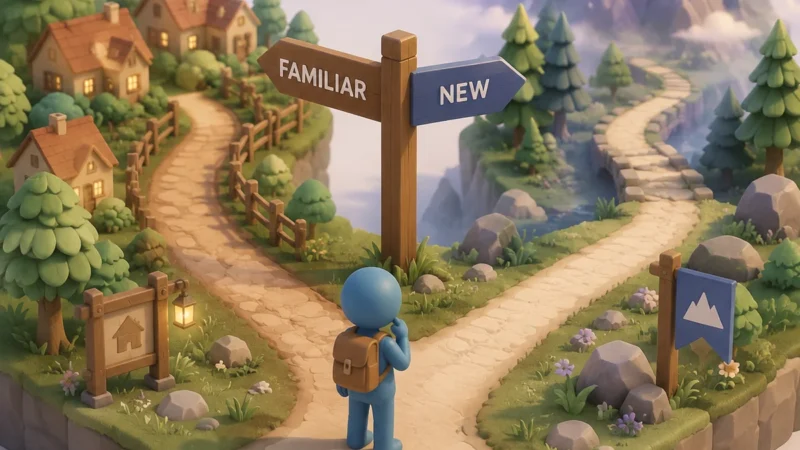
A threesome with a friend sounds simpler than finding a stranger — you already know them, there’s built-in trust, and you don’t have to navigate the awkward first-date small talk. But that same familiarity is what makes it higher-stakes. When things go sideways, you don’t just lose a casual connection. You lose someone who’s been in your life. So before you send that text or drop that hint, here’s what you actually need to think through.
Table of Contents
- Why People Consider a Threesome with a Friend
- The Upside: What Makes It Work
- The Downside: What Can Go Wrong
- Questions to Ask Before You Decide
- How to Bring It Up Without Making Things Weird
- If You Go Through with It: Rules That Actually Matter
- After It Happens: Protecting the Friendship
Why People Consider a Threesome with a Friend

It’s not hard to see the appeal. You skip the entire vetting process. No dating apps, no awkward coffee meetups, no wondering whether someone is who they say they are. With a friend, you already know their personality, their sense of humor, and — hopefully — that they respect boundaries.
There’s also a comfort factor. Being intimate around someone you already trust can feel safer than being vulnerable with someone new. For couples especially, a mutual friend can feel like a “known quantity” — someone who won’t disappear the next morning or share private details with strangers.
But that comfort is also the trap. The same familiarity makes it easy to underestimate the emotional complexity. When you choose a friend, you’re not just adding sex to an existing dynamic — you’re permanently altering a friendship. Some friendships handle that; many don’t.
The Upside: What Makes It Work
Let’s give credit where it’s due. A threesome with a friend can be genuinely great when the circumstances line up. Here’s what the wins look like:
Trust is already built. You don’t have to wonder about safety, intentions, or whether someone will respect your boundaries. With a real friend, you’ve likely already seen how they handle difficult situations — which tells you more than any first date ever could.
Communication is easier. You already know how to talk to this person. The check-in before, the debrief after — these conversations feel less formal and more natural with someone you’ve shared years of conversations with.
No performance pressure. With a stranger, there’s often an unspoken pressure to “perform” — to be the best version of yourself, to keep things exciting. With a friend, you can be more honest about nerves, awkward moments, or needing to pause. That authenticity often makes the experience better, not worse.
The afterglow can be genuinely warm. Instead of someone leaving immediately after, you might actually enjoy hanging out the next morning. The shared experience can deepen the friendship in ways that feel meaningful, not transactional.
The Downside: What Can Go Wrong

Now for the part people tend to skip over during the excitement phase. The risks with a friend are categorically different from the risks with a stranger. Here’s why:
You can’t undo it. With a stranger, if things feel off afterward, you never have to see them again. With a friend, you see them at brunch next Sunday. At group hangouts. At your birthday party. There is no clean exit.
Jealousy hits different. When your partner develops a small crush on someone you met on an app, it’s manageable. When they develop feelings for your mutual friend — the one who’s in your group chat, who comes to game night, who knows your inside jokes — the threat feels closer, more personal, and infinitely harder to contain.
One person often catches feelings. Research and anecdotal evidence consistently point to the same pattern: in threesomes involving friends, at least one person frequently develops emotional attachment beyond the physical. When that person is the friend — and the couple isn’t on the same page about it — the fallout can be spectacular. For a deeper look at these dynamics, Psychology Today has explored how people emotionally process threesome experiences.
Power imbalances are baked in. The couple has history, shared context, and a primary bond. The friend enters as a guest — even with the best intentions. If decisions are made as “the couple” rather than “the three of you,” resentment builds quietly.
Mutual friends get dragged in. If things go badly, your broader social circle will feel the ripple effects. People take sides. Group dynamics shift. What started as one evening can reshape your entire friend group for months.
Questions to Ask Before You Decide

Before you say a word to the friend, sit down with your partner — or with yourself, if you’re the single friend being approached — and work through these:
- If this permanently changes the friendship, are we genuinely okay with that outcome?
- Is there any existing attraction or tension between anyone in this equation that we’re pretending isn’t there?
- What happens if one of us develops feelings? What’s the actual plan — not just “we’ll deal with it”?
- How will we handle group social situations afterward — the same, differently, or by taking space?
- Is this friend in a vulnerable place right now (recent breakup, loneliness, financial stress) that might affect their judgment?
- Are we choosing this friend because they’re genuinely the best fit, or because they’re the most convenient option?
If any answer makes you hesitate, pause. The cost of waiting is nothing compared to the cost of rushing.
How to Bring It Up Without Making Things Weird
The approach matters more than the words. There’s a vast difference between “Hey, want to have a threesome with us?” and a conversation that respects the friendship enough to give the other person room to think.
Don’t ambush. Bringing this up at 1 AM after drinks isn’t just a bad idea — it’s ethically questionable. The person needs to be sober, clear-headed, and in a setting where they feel free to say no without social pressure.
Lead with the friendship. Start the conversation with something like: “We value our friendship with you enormously, which is why we want to be careful about even bringing this up. There’s something we’re curious about exploring, but only if you’re genuinely interested — and either way, nothing changes between us.” Mean it.
Give them time. This isn’t a “yes or no right now” conversation. Say “Take as long as you need to think about it. We won’t bring it up again unless you do.” Then actually follow through on that — no hints, no jokes, no nudging. Pressure ruins everything here.
Accept the no gracefully. If they say no, your response should be immediate and warm: “Totally fine, and we’re really glad we have the kind of friendship where we can talk honestly. Let’s grab dinner next week like normal.” Anything less than that makes the “friendship first” line sound hollow.
If You Go Through with It: Rules That Actually Matter

If you’ve gotten this far and everyone is genuinely on board, the quality of your experience will depend almost entirely on the quality of your preparation. Our threesome rules guide covers the essential framework, but here’s what’s specific to doing this with a friend:
Define what “after” looks like before “during” starts. Will you all hang out the next day? Do you go back to normal immediately, or acknowledge that things feel different? Not knowing the answer to this is what creates the awkwardness that kills friendships.
The friendship gets priority over the sex. If at any point someone seems uncomfortable, the default response is to check in — not to push through. Pausing a sexual experience might feel awkward in the moment. Losing a friend over not pausing feels worse for years.
No group chat changes. Don’t start a special chat, don’t send suggestive messages in existing threads, don’t create an “in-group” that subtly excludes other friends. Keep the dynamic clean.
Agree on whether it’s a one-time thing. Ambiguity is the enemy here. “Let’s see how it goes” sounds flexible but usually translates to “one person hopes it happens again and the other two don’t know how to say no.” Decide upfront: is this a singular experience, or could it repeat? If the latter, what would need to be true for a repeat to happen?
After It Happens: Protecting the Friendship

The days and weeks after matter more than the event itself. How you handle them determines whether this becomes a shared memory you laugh about later, or the reason someone stops replying in the group chat.
Debrief separately before debriefing together. The couple should talk privately first. The friend should have space to process on their own. Only after both parties have formed their own thoughts should you come together for a group conversation — otherwise you risk one person’s reaction shaping everyone else’s before they’ve had time to sit with their own feelings.
Watch for withdrawal. If the friend suddenly becomes “busy” a lot, that’s not a coincidence. Reach out directly: “Hey, we just want to check in. No pressure to talk about the other night — we just want to make sure you’re okay and that we’re still good.” Sometimes all it takes is acknowledging that things feel different to start normalizing them again.
Re-establish the friendship as a friendship. Do the things you used to do before — the platonic things. Movie night. Coffee runs. Group dinners where no one’s thinking about what happened. Proving that the friendship still exists outside of the experience is how you prove it survived the experience.
If things got complicated, get help. Sometimes a threesome with a friend surfaces feelings that are bigger than what a group debrief can handle. If jealousy, attachment, or resentment lingers, our guides on managing jealousy and threesome aftercare offer practical frameworks — and there’s no shame in seeking couples counseling or individual therapy to work through it.
If you ultimately decide that the friendship is too important to gamble, that’s not a failure of courage — it’s a sign of wisdom. There are plenty of people on platforms like 3Cupid who are specifically looking for what you’re offering, without the emotional entanglement of an existing friendship. Sometimes the smarter move is keeping your friend and finding your third elsewhere.
If you’re interested in something more than a one-time experience, you might be thinking about a throuple — a committed three-person relationship. Our guide on how to start a throuple relationship walks through what that looks like and whether it’s right for you.
Editorial disclaimer: This article is for informational purposes only and reflects general relationship guidance. Individual experiences vary. All content is intended for adult readers aged 18 and over.