
If you’re a couple who dates together, you’ve probably never thought of yourselves as having “privilege.” But couple privilege in threesome dating is one of the most common — and most invisible — dynamics that shapes every interaction with a third person. And if you don’t see it, you can’t fix it.

In practice, couple privilege shows up in small ways. You pick the date and location. You decide what’s on the table and what’s off. You debrief together afterward while the third person processes alone. None of this is malicious — most couples don’t even realize they’re doing it. But the impact on the third person is real, and it’s one of the biggest reasons single people burn out on couple-focused dating.
This concept has been discussed extensively in ethical non-monogamy circles for years. Researchers and therapists who study non-monogamous relationship dynamics point out that power imbalances in multi-person relationships don’t come from bad intentions — they come from invisible defaults. The couple’s history, shared finances, living situation, and emotional bond all create a gravitational pull that’s hard to resist. Recognizing couple privilege in threesome dating is the first step toward building experiences that feel good for everyone involved — not just the two people who showed up together.

Where Couple Privilege Shows Up (Without You Realizing It)
Most couples who date with the best intentions still create dynamics that center themselves. Here are the most common places couple privilege sneaks in during threesome dating:
The “we” language trap. “We’re looking for…” “We think…” “We decided…” Every sentence starts from the couple’s vantage point. The third person hears a united front they can’t penetrate. It’s not that you shouldn’t be a team — you should. But when the third person only ever encounters “we,” they feel like an outsider before anything even starts.
Veto power without discussion. One partner gets uncomfortable mid-experience and the whole thing stops. Reasonable? Sometimes. But when the third person isn’t looped into the reasoning, they’re left feeling disposable. The couple returns to their shared bed while the third drives home alone, trying to piece together what just happened.
The post-experience debrief gap. After a threesome, couples naturally process together. They talk through feelings, laugh about awkward moments, and reconnect. The third person does all of this alone. No one checks in. No one asks how they’re feeling. This asymmetry is the emotional definition of couple privilege — and it’s one of the loneliest parts of dating couples.
Rules made without input. “We don’t kiss on the mouth.” “No sleepovers.” “She only plays with me present.” These rules weren’t negotiated with the third person — they were handed down. And the third is expected to comply or leave. Real consent involves co-creation, not rule-following.
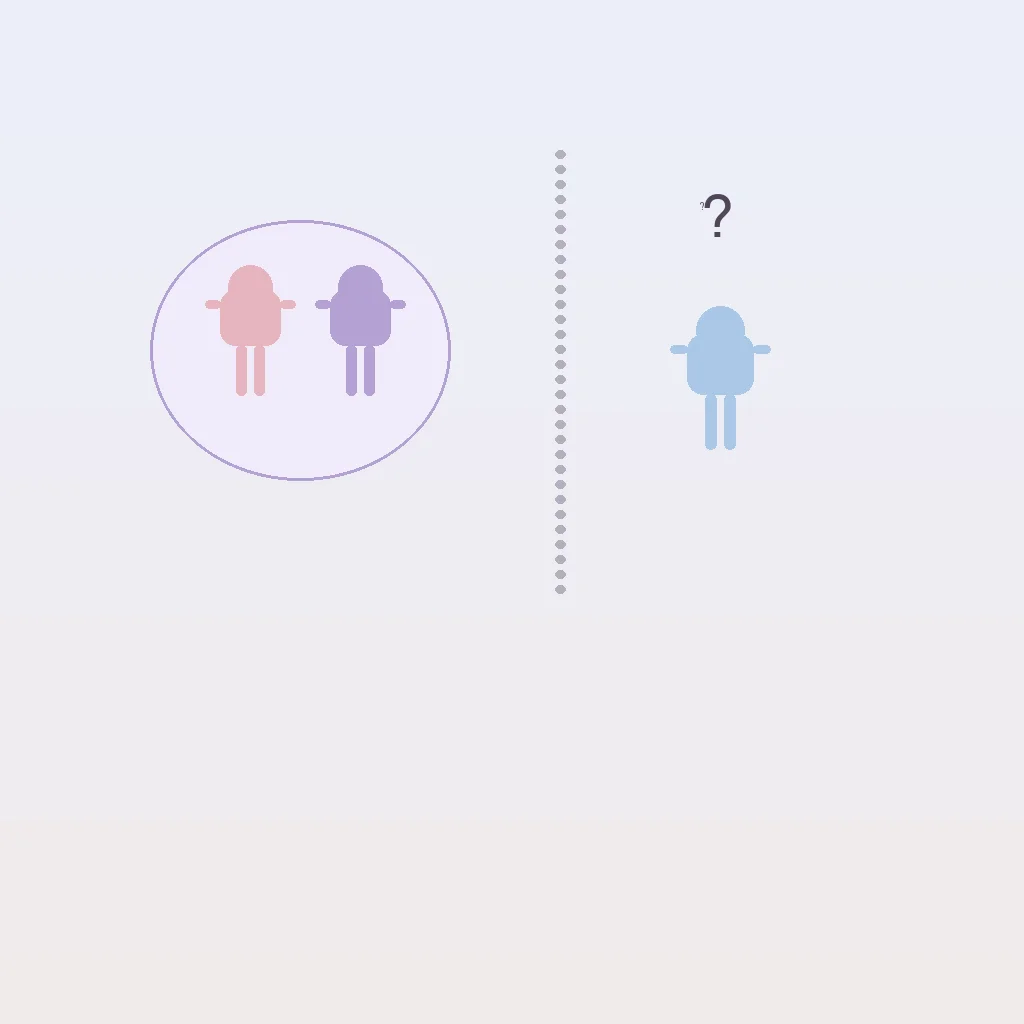
Why Couple Privilege Hurts Everyone — Including You
It’s tempting to think couple privilege only harms the third person. But the ripple effects go further than most couples realize.
When you treat a third person as interchangeable, you get interchangeable experiences. The best threesomes happen when everyone feels seen, valued, and safe enough to be present. A person who feels like a prop won’t bring their full self to the experience — and you’ll miss out on the genuine chemistry that makes group experiences memorable.
Couple privilege also erodes trust between you and your partner. If you sense that your partner is uncomfortable with how much attention you’re giving the third person, you might pull back without saying anything. Resentment brews. The experience becomes performative rather than genuine. Over time, this pattern can corrode the very relationship security you were trying to protect.
And let’s be honest about the community cost. Word travels fast in dating circles. Couples who develop a reputation for treating thirds poorly find themselves with fewer options. The single people who might have been excited to connect with you start swiping left. Building a reputation as a couple who respects and values the people they date isn’t just ethical — it’s practical.

How It Feels From the Third Person’s Side
If you’ve never dated a couple as a single person, it’s hard to grasp just how vulnerable the position is. When we asked singles in the threesome dating community what couple privilege feels like, the answers were strikingly consistent.
“It feels like being an accessory,” one person told us. “Like I’m a cool experience they’re trying out, not a person they’re actually interested in.” Another said: “The worst part is when you can feel one of them getting jealous, but no one says anything. You’re just supposed to read minds and adjust yourself to keep their relationship from cracking.”
The most painful pattern? Ghosting after a good experience. A third person has a great night with a couple, starts to feel a genuine connection, and then — silence. The couple retreats inward to process, and the third person is left wondering if they did something wrong. That silence isn’t neutral. It’s a statement.
If any of this sounds familiar — and you’re on the couple side of the equation — don’t panic. Couple privilege isn’t a character flaw. It’s a default setting. The question isn’t whether you’re guilty. It’s whether you’re willing to notice and adjust. Check out our Unicorn Dating Guide for more perspective on what makes singles feel safe and respected when dating couples.
Couple Privilege Self-Audit: 10 Questions to Ask Yourselves
Before your next threesome date, sit down with your partner and answer these honestly. No one’s grading you. The point is awareness, not perfection.
- Who chose the date, time, and location? Did the third person have any say?
- Are your boundaries negotiable, or are they ultimatums? Can the third person suggest adjustments?
- Do you use “we” language when a “we plus them” framing would be more accurate?
- What happens if one of you gets uncomfortable? Is the third person informed, or just dismissed?
- Who checks in on the third person after the experience? If your answer is “no one,” that’s a problem.
- Would you ever date the third person one-on-one? If the answer is “no” across the board, ask why.
- Does the third person have equal power to pause, slow down, or stop?
- Are you willing to be rejected by a third person — and handle it gracefully?
- Do you talk about the third person when they’re not in the room? Is it respectful?
- If the third person expressed discomfort tomorrow, would they feel safe doing so?
If you answered “no” or “I’m not sure” to more than three of these, you have some work to do. That’s okay. Most couples start here.

How to Build a Fair Dynamic From the Start
Couple privilege doesn’t disappear overnight. But you can reduce it by changing how you approach threesome dating from the very first message.
Start with “I” not “we.” When you’re messaging a potential third, speak as an individual sometimes. “I’d love to hear more about what you’re looking for” lands differently than “We’re looking for someone who…” It signals that you see yourself as a person first and part of a unit second.
Invite input on logistics. Instead of “We’re free Friday at 8, can you make it?” try “We’re thinking Friday — does that work for you, and is there a place you’d feel comfortable meeting?” This small shift communicates that the third person’s comfort matters as much as yours.
Check in after, not just between yourselves. Send a message the next morning. Something simple: “We had a really nice time last night. How are you feeling today?” No pressure, no expectations — just a door left open. This single habit transforms how a third person experiences dating you. Our guide to what singles wish couples knew goes deeper on this dynamic.
Make boundaries a conversation, not a lecture. When you share your boundaries, ask about theirs too. “Here’s what we’ve talked about that feels important to us. What’s important to you?” Boundaries should flow in both directions. A third person who feels heard is a third person who can relax into the experience.
Be clear about what’s on offer — and what’s not. If you’re only looking for a one-time experience, say so. If you’re open to something ongoing, say that too. If romantic feelings are off the table, name it. Ambiguity benefits the couple and burdens the third. Clarity is the antidote to couple privilege. For more on establishing clear expectations from day one, see our threesome etiquette guide.

What Happens When You Get This Right
When a couple actively works against their own privilege, something shifts. The third person stops performing and starts participating. The awkwardness fades faster. The chemistry feels genuine because it is genuine — not manufactured under the pressure of unspoken hierarchy.
Couples who’ve done this work describe a different quality of connection. “She actually texts us now,” one couple told us. “Not because she has to — because she wants to. She sends us memes. She asked us to hang out. That never happened before we started checking ourselves.”
That’s what’s on the other side of this work: not just better threesomes, but real human connection. The kind where three people can share space without anyone feeling like the extra. Where the experience belongs to everyone equally. That’s not just good ethics — it’s the whole point of doing this in the first place.
Couple privilege in threesome dating isn’t something you solve once and cross off a list. It’s something you keep noticing, keep adjusting, keep talking about. The couples who get the best experiences aren’t the ones with the fewest rules or the hottest profile pictures. They’re the ones who make everyone in the room feel like a main character, not a supporting actor.
This article was written by the 3Cupid editorial team. We’re a threesome dating platform built on the belief that every person in the room deserves respect, safety, and a genuine voice. Ready to connect with open-minded singles and couples? Join us at 3Cupid.