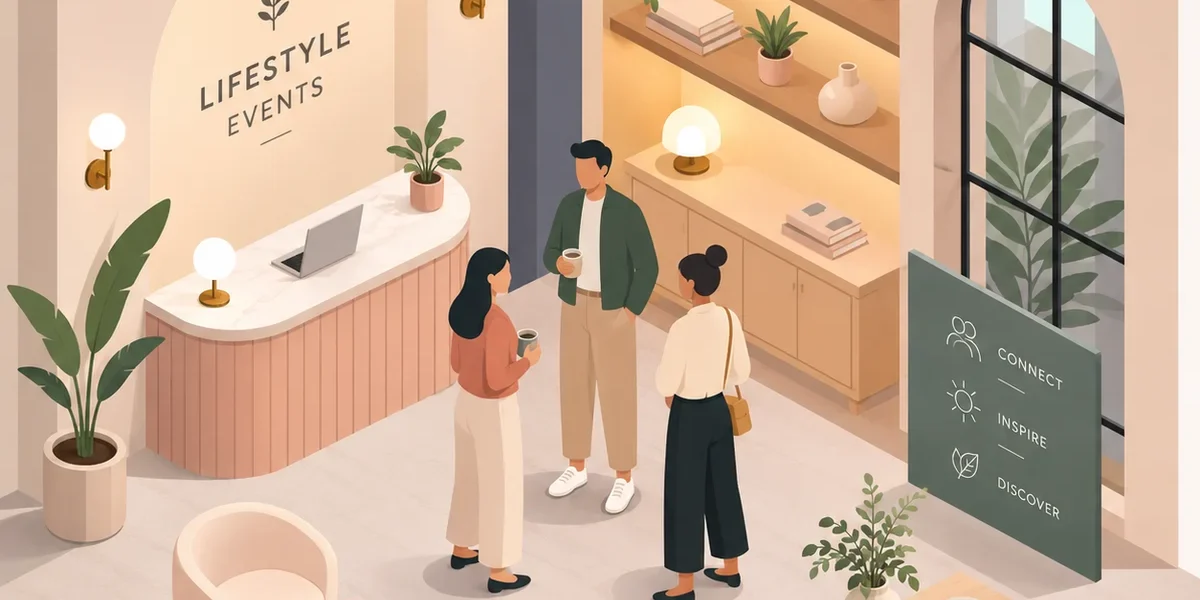
Walking into your first lifestyle event can feel like showing up to a party where everyone already knows the rules — except you. The good news? Most lifestyle events are designed to be welcoming, and with the right preparation, they can be one of the most effective ways to meet potential threesome dating partners in a safe, social environment.
Unlike swiping through apps or messaging strangers online, threesome dating events let you read body language, gauge chemistry in real time, and see how someone actually interacts with others — not just how they present themselves in a curated profile. This guide covers everything you need to know, from choosing the right event to following up afterward.
Table of Contents
- What Are Lifestyle Events, Really?
- Why Events Beat One-on-One First Meetings
- Types of Events Worth Your Time
- Before You Go: The Pre-Event Checklist
- Event Etiquette: The Do’s and Don’ts
- Reading the Room: Signals and Body Language
- After the Event: The Follow-Up Protocol
What Are Lifestyle Events, Really?
Let’s clear up the biggest misconception first: lifestyle events are not orgies. The vast majority are social mixers — drinks at a rented lounge, a pool party at someone’s house, a themed dinner, or a meet-and-greet at a reserved bar. Think of them as networking events for people who happen to be non-monogamous.
Some events are hosted by established lifestyle organizations with years of community trust. Others are smaller private gatherings organized through platforms like FetLife, Kasidie, or SDC. The common thread is a shared understanding of consent, discretion, and respect — values that make these spaces fundamentally different from a typical nightclub.
If you’ve already explored the swinging lifestyle basics, you’ll find these events follow similar etiquette. The difference is that threesome-focused gatherings tend to draw more singles alongside couples, creating a balanced dynamic where everyone knows why they’re there.
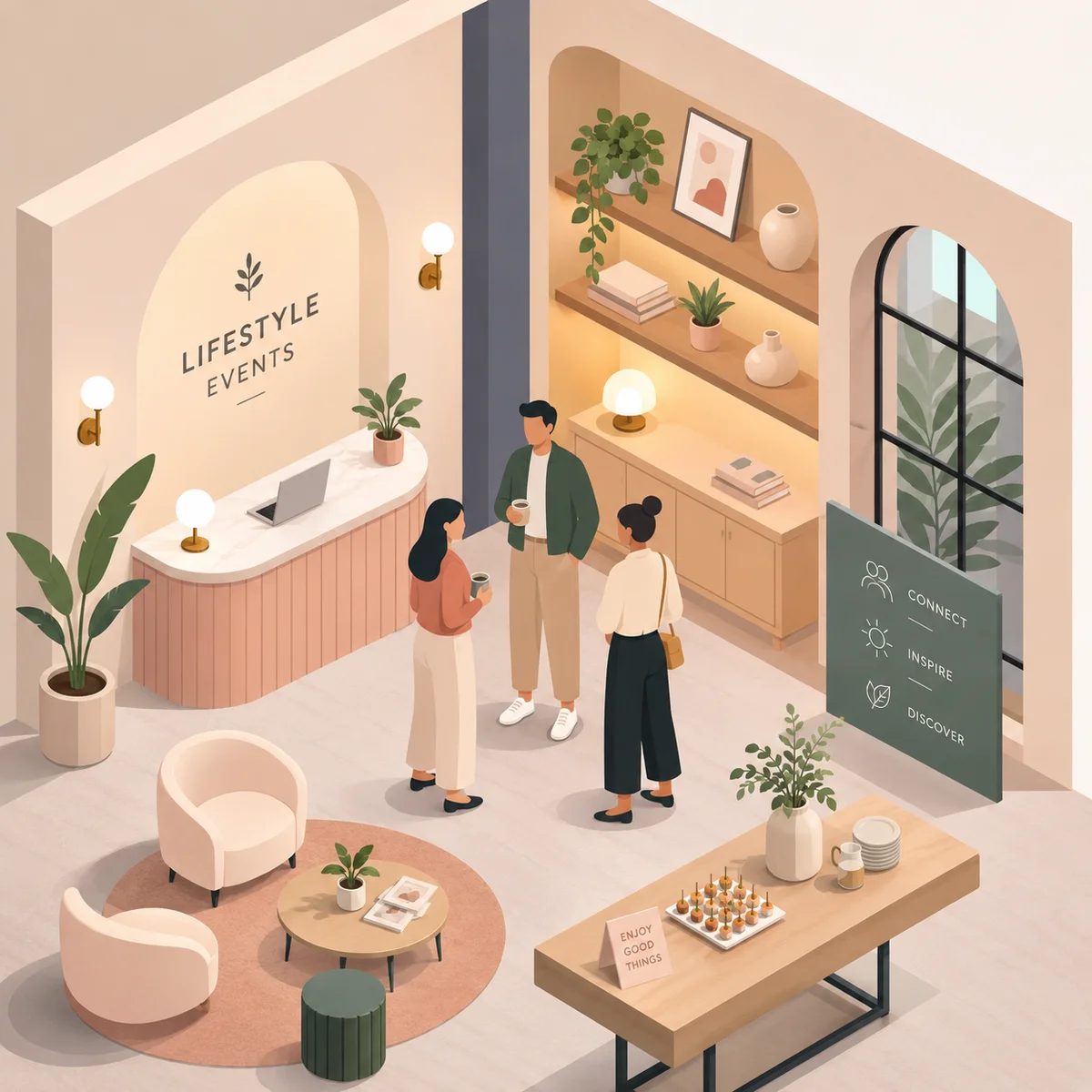
Why Events Beat One-on-One First Meetings
Here’s the thing about threesome dating apps: they’re efficient, but they’re also a gamble. You spend days messaging someone only to discover within five minutes of meeting that the chemistry just isn’t there. Events compress that timeline dramatically.
At a lifestyle event, you can have five conversations in an hour. You see how people carry themselves, how they treat the staff, how they interact with others beyond you. Someone’s body language in a group setting tells you more about their personality than three weeks of text messages ever could. And if there’s no spark? You simply move on — no awkward exit strategy needed.
Events also solve a specific problem unique to threesome dating: the couple-single dynamic. When a couple meets a single through an app, the power imbalance is baked in from the start. But at an event, everyone is on equal footing. Singles can approach couples, couples can approach singles, and the social setting naturally diffuses that initial pressure. Our privacy guide covers additional strategies for keeping your personal information safe in these settings.
Types of Events Worth Your Time
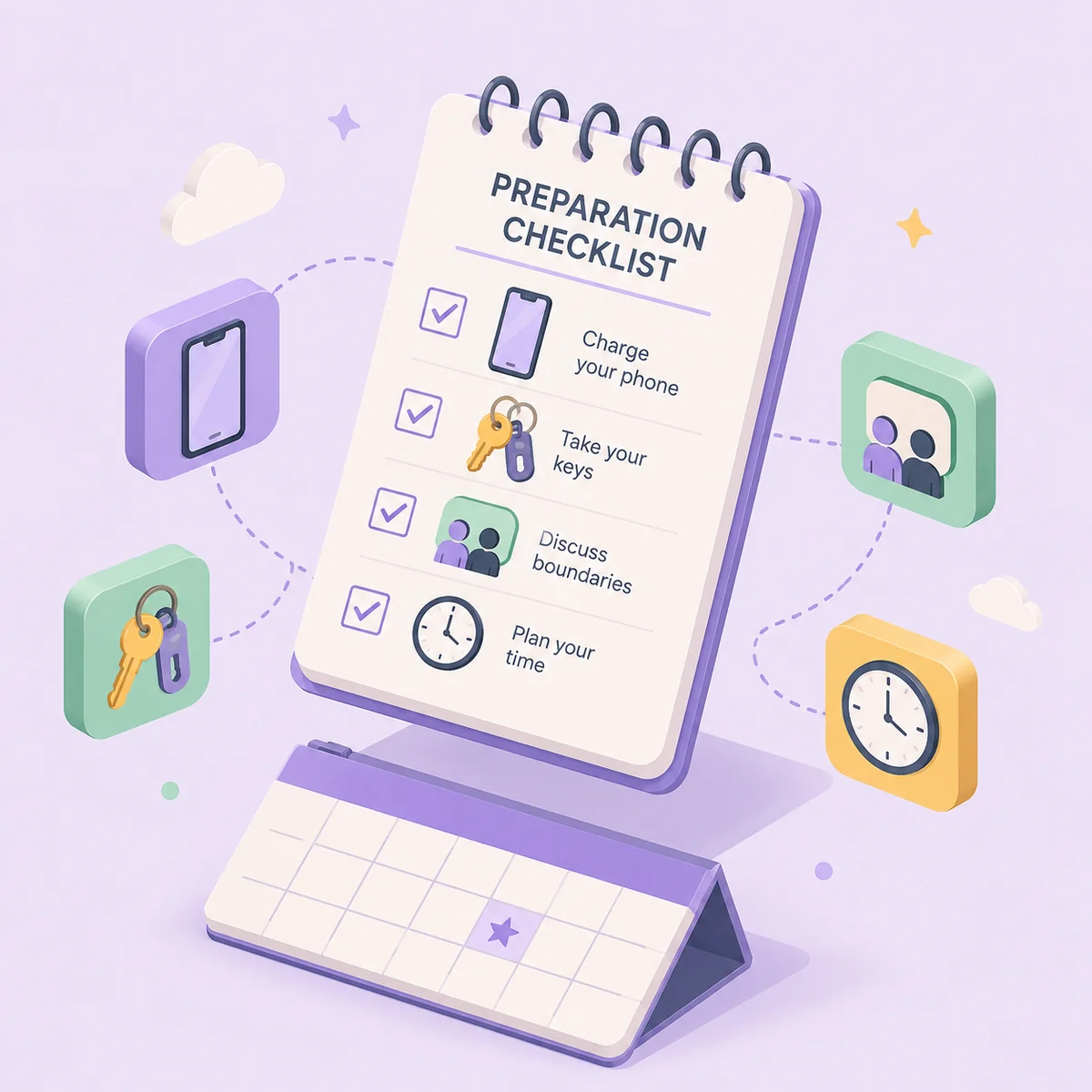
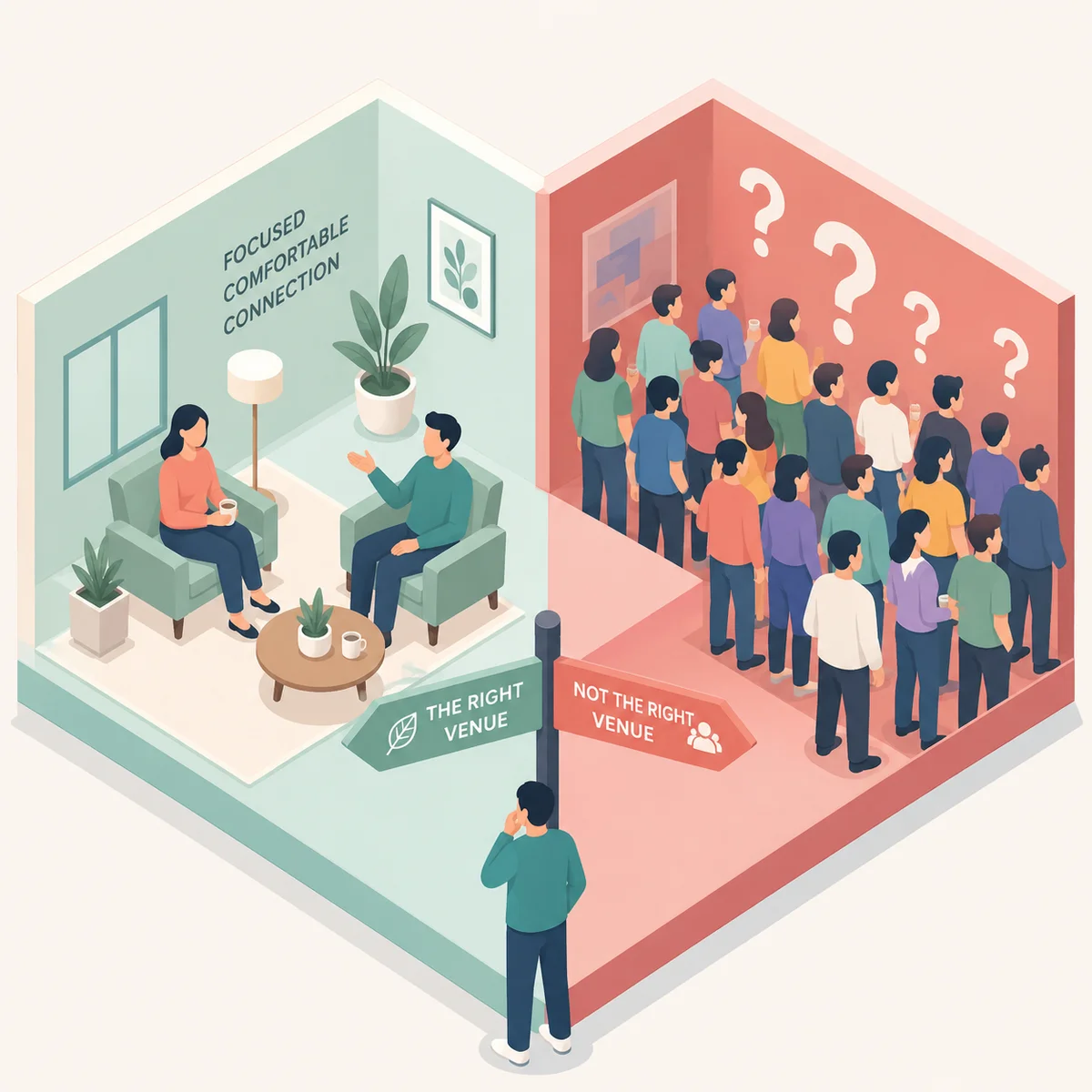
Not all lifestyle events are created equal, and which one you choose should depend on your comfort level and what you’re looking for. Here’s a breakdown:
Mixers and Meet-and-Greets. The lowest-pressure option. Usually held at a rented bar or lounge, these are pure social events with no play expectations whatsoever. You show up, grab a drink, and talk to people. That’s it. Perfect for first-timers.
Themed Parties. These add a layer of fun — costume themes, color-coded wristbands that signal what you’re open to, icebreaker games. The theme gives you something to talk about immediately, which helps if you’re nervous about approaching strangers.
House Parties. More intimate but also more variable in quality. The host sets the tone entirely. A well-run house party with an explicit consent policy and a sober host is a great time. One without clear rules can get uncomfortable fast. Always check the host’s reputation and the event’s policies before committing.
Hotel Takeovers and Resort Events. Larger-scale gatherings that often span a full weekend. These attract a wide range of people and typically offer workshops, social hours, and play spaces on separate floors — so you can participate at exactly the level you want. If you’re traveling specifically for threesome dating events, these are your best return on investment.
Before You Go: The Pre-Event Checklist
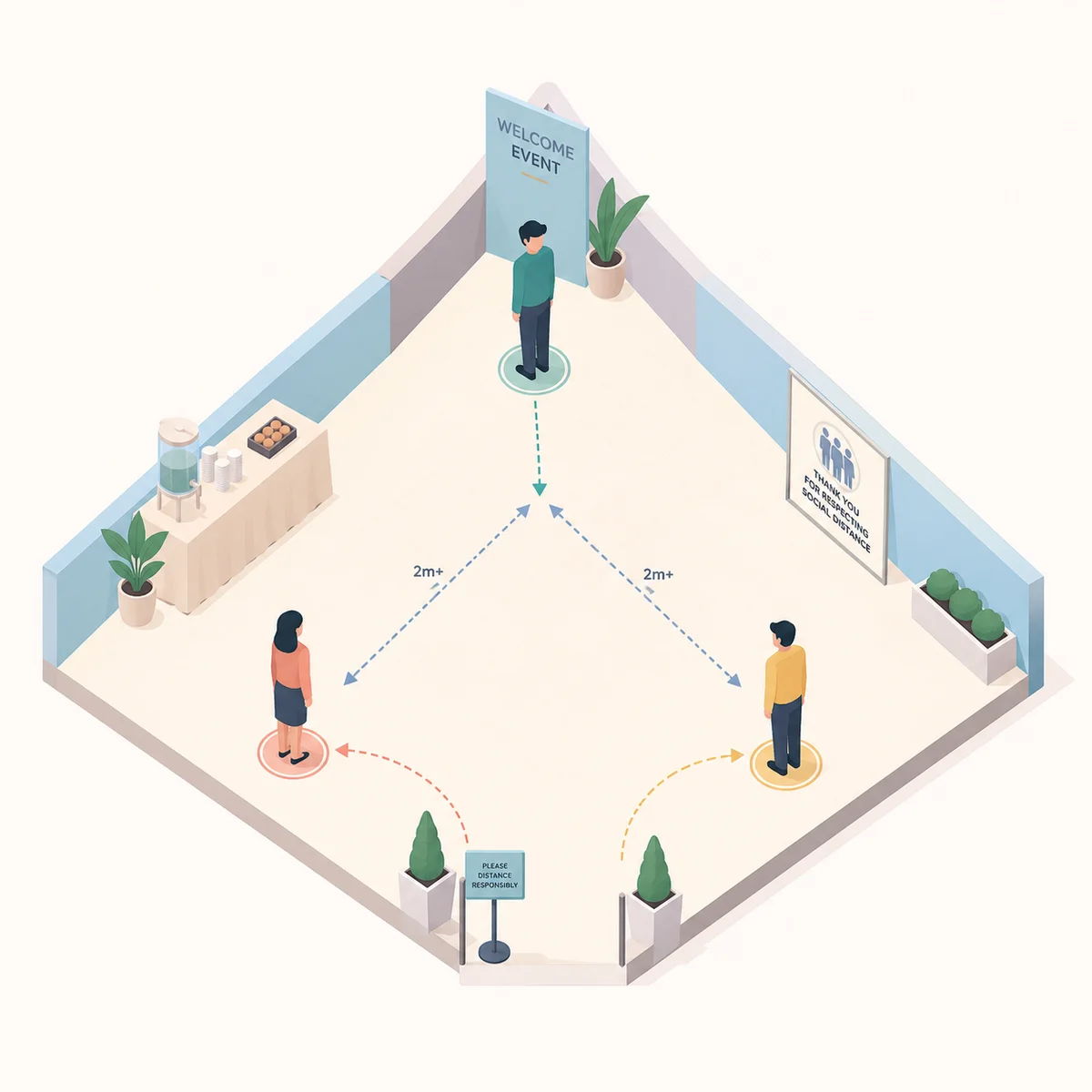
Preparation makes the difference between a great night and an anxiety-ridden one. Here’s what you and your partner should sort out before you walk through the door:
- Define your intentions. Are you just scouting? Open to conversation? Hoping to exchange numbers? Be brutally honest with each other about what “success” looks like for this specific event.
- Set a shared boundary baseline. What’s off the table tonight — even if the perfect person shows up? Having a boundaries checklist ready prevents in-the-moment decisions you might regret.
- Agree on a check-in signal. A specific phrase, a touch on the arm, or a look that means “I need to talk to you privately for a minute.” This is your safety net.
- Discuss alcohol limits. It’s easy to overdrink when you’re nervous. Set a number beforehand. If you want more guidance, our article on alcohol and threesome dating covers this in depth.
- Plan your exit. Always have a way to leave early together, no questions asked. A pre-agreed code word that means “we’re out of here, right now” removes the pressure of having to explain in the moment.
- Dress for confidence. Wear something you feel genuinely good in — not what you think you “should” wear. Authenticity reads better than costume at any lifestyle event.
Event Etiquette: The Do’s and Don’ts
Lifestyle communities run on unwritten rules. Break them once and word travels. Here’s what experienced attendees wish someone had told them:
| Do | Don’t |
|---|---|
| Introduce yourself to the host first | Corner someone who’s clearly not interested |
| Ask “What brought you here tonight?” | Ask “So what are you into?” as an opener |
| Respect wristband/color codes if present | Assume a friendly conversation means sexual interest |
| Take “no thanks” gracefully and move on | Try to convince or negotiate after a no |
| Keep your phone in your pocket | Take photos or record anything — ever |
| Check in with your partner throughout | Disappear with someone without letting your partner know |
| Thank the host before leaving | Overstay or linger after the event ends |
These aren’t arbitrary — they’re what keeps spaces safe and welcoming. For a deeper dive into the social norms, our threesome etiquette guide covers interaction dynamics in more detail.
One more thing worth noting: discretion is currency in these communities. Never out someone you met at an event, never name-drop attendees to people who weren’t there, and never post about it on social media. According to research on non-monogamous community norms published by Psychology Today, privacy is consistently rated as the top concern among lifestyle community members — above even physical safety concerns.
Reading the Room: Signals and Body Language
At a lifestyle event, what people don’t say matters as much as what they do. Learning to read signals is arguably the most useful skill you can develop.
Green lights look like: sustained eye contact with a smile, open body posture angled toward you, someone finding reasons to stay in your conversation circle, light physical contact (a touch on the arm during laughter), and direct questions about you rather than generic small talk.
Yellow lights include: glancing around the room while talking to you, crossed arms, one-word answers, physically stepping back when you step closer, or a partner who seems disengaged while their other half carries the conversation. None of these necessarily mean “go away” — but they do mean “slow down and reassess.”
Red lights are non-negotiable: someone who’s visibly intoxicated, anyone who ignores a stated boundary, people who talk over their partner, or anyone making others visibly uncomfortable. In these cases, don’t try to navigate it — just create distance and, if warranted, quietly alert the host.
The single most reliable signal? Enthusiasm. In any form of ethical non-monogamy, if it’s not an enthusiastic yes, treat it as a no. This applies as much to a conversation at a bar as it does to anything beyond that.

After the Event: The Follow-Up Protocol
You came, you mingled, you exchanged a few numbers. Now what? The follow-up is where most people fumble — either by waiting too long or coming on too strong.
Send a message within 24 hours. Something simple and specific: “Hey, it was great meeting you both at the mixer last night. Loved hearing about your trip to Portugal.” This anchors the message to the actual conversation, which feels genuine rather than generic.
Suggest a low-stakes next step. Coffee. A walk. A drink at a public place. Not “let’s plan a date” — just “would you be up for grabbing coffee sometime?” The goal is to transition from event-small-talk to real-conversation, not to rush into anything.
Debrief with your partner before responding to anyone. After the event, take 24 hours. Talk through what you each felt, who you were drawn to, and whether your boundaries held. This conversation is at least as important as any follow-up message you send. For more on this, see our complete guide on finding a third safely, which covers the full journey from first contact to first meeting.
If you don’t hear back, let it go. No follow-up to your follow-up. No “just checking in.” Silence is an answer, and respecting it is part of being a safe person in these communities.
Lifestyle events aren’t magic. They won’t guarantee you’ll meet the right third, and they won’t eliminate the communication work that threesome dating requires. But they do strip away the biggest obstacle most people face — the gap between a profile on a screen and a real person in a room. Show up prepared, stay present, and treat everyone you meet with the respect you’d want. The rest tends to follow.
This article is part of our ongoing series on building meaningful connections in ethical non-monogamy. For more practical guides, browse our collection of resources at 3Cupid.