Table of Contents
- When Your Body Sets the Pace
- Why Chronic Illness Changes the ENM Conversation
- Communicating Your Needs Without Over-Explaining
- Energy Budgeting: The Skill Nobody Talks About
- Finding Partners Who Get It
- When Flare-Ups Disrupt Plans
- Self-Advocacy in Multi-Partner Dynamics
When Your Body Sets the Pace
Dating with a chronic illness or disability adds a layer of complexity that most ENM guides never mention. Your body has its own schedule. Some days you have energy for a dinner date, a long conversation, and maybe more. Other days, getting out of bed is the accomplishment. That reality does not disqualify you from ENM with chronic illness — it just means your approach needs to look different from the standard advice.
Too many relationship guides assume everyone starts from the same baseline: consistent energy, predictable availability, and a body that cooperates. If you live with chronic pain, fatigue, autoimmune conditions, or mobility limitations, you already know that assumption does not apply to you. The good news is that ethical non-monogamy is inherently flexible. It asks you to design relationships intentionally rather than defaulting to cultural scripts — and that is exactly the mindset that works best when your health is variable.
Why Chronic Illness Changes the ENM Conversation
Most ENM advice focuses on jealousy management, communication skills, and scheduling — all important topics, but none that account for what happens when a partner cancels a date because their body simply will not cooperate that day. Chronic illness reshapes every aspect of dating: how often you can see partners, what activities you can do together, how you manage emotional availability, and even how you present yourself on dating profiles.
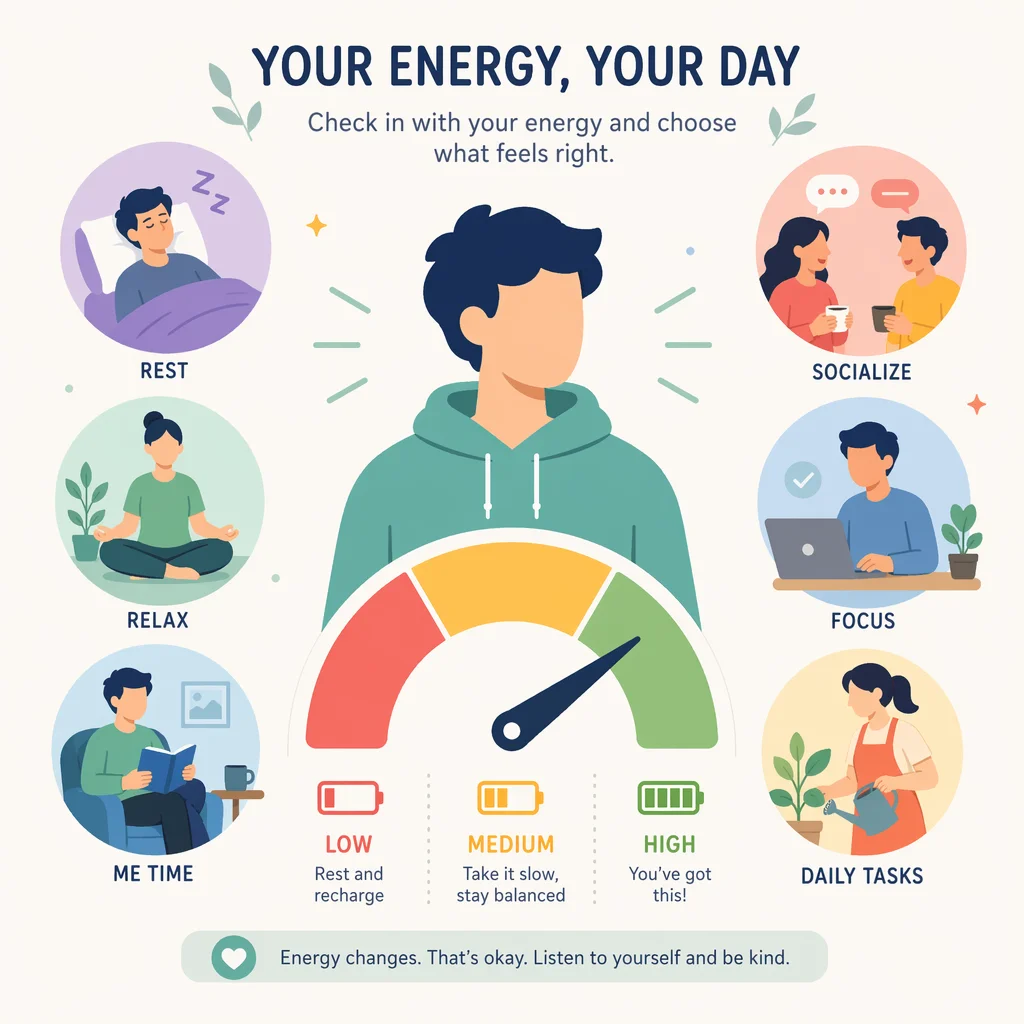
One under-discussed reality is the spoon theory dynamic. Originally developed by Christine Miserandino to explain living with lupus, spoon theory describes how people with chronic conditions start each day with a limited number of “spoons” (energy units), and every activity costs spoons. In an ENM context, this means you are constantly making trade-offs: a two-hour coffee date might cost three spoons. If you only have six for the day, that date takes half of everything you have. Partners who do not understand this framework may misinterpret your need to rest as disinterest or flakiness.
This is where solid communication becomes the foundation of everything — and where building trust through honest conversation matters more than any scheduling app ever could. When both you and your partners understand what your body needs, misunderstandings drop dramatically.
Communicating Your Needs Without Over-Explaining
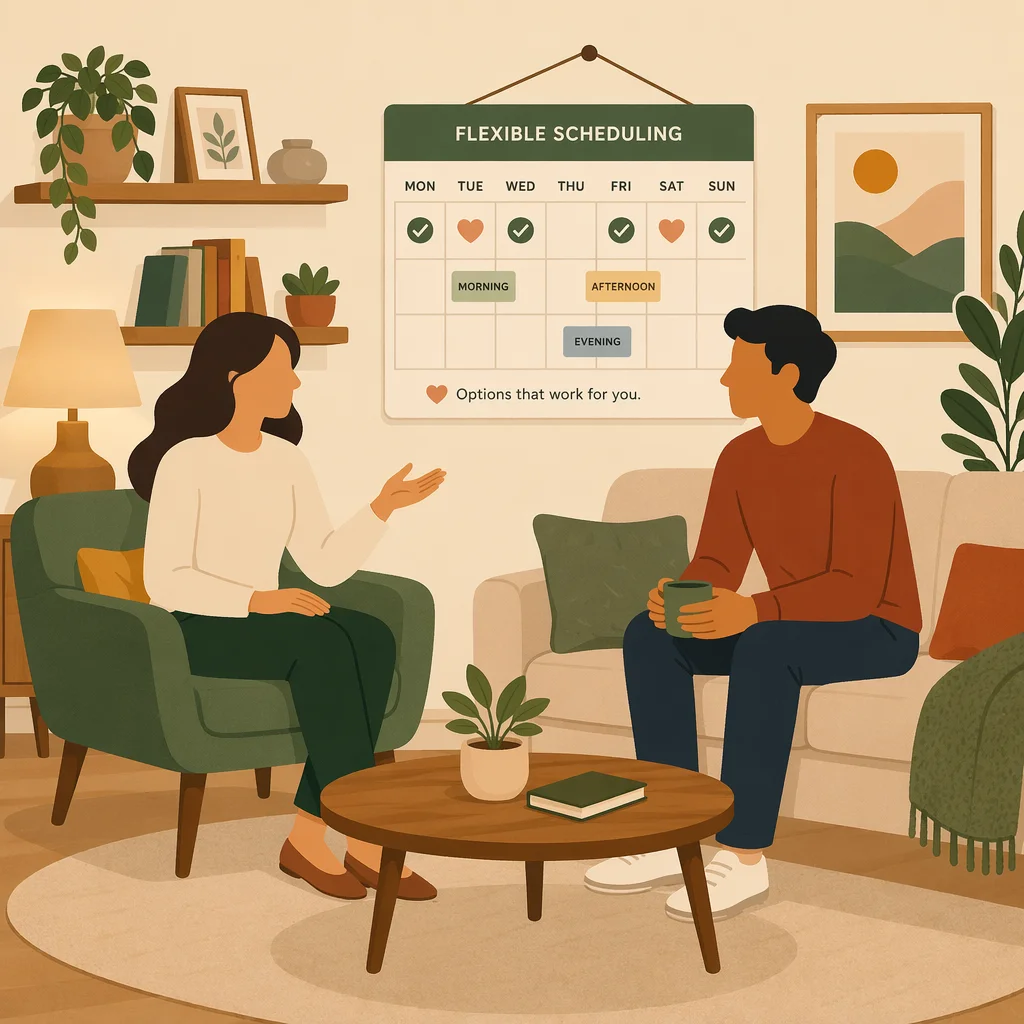
One of the hardest parts of ENM with chronic illness is figuring out how much to share and when. You do not owe anyone your full medical history on a first date. But you also need partners who understand your reality well enough to be supportive rather than confused or resentful.
The sweet spot is usually a two-phase disclosure. Early on — in your dating profile or first conversation — give a brief, matter-of-fact heads-up. Something like: “I live with a chronic condition that affects my energy levels, so my availability can be unpredictable. I value clear communication and will always let you know where I am at.” This filters out people who cannot handle that reality without oversharing before trust is built.
Phase two happens when a connection deepens. At that point, share specific practical information: what your bad days look like, what kind of support helps (and what does not), and how you prefer to handle cancellations. Here is a template you can adapt:
“I really enjoy spending time with you, so I want to share a bit more about how my [condition] works. On good days, I am up for [activities you enjoy]. On flare-up days, I might need to cancel plans last-minute or switch to a low-key hangout at home. This is not about you — it is just how my body works. What helps me most is [specific thing — e.g., patience, texting check-ins, flexible plans]. I am happy to answer questions if you have them.”
Energy Budgeting: The Skill Nobody Talks About
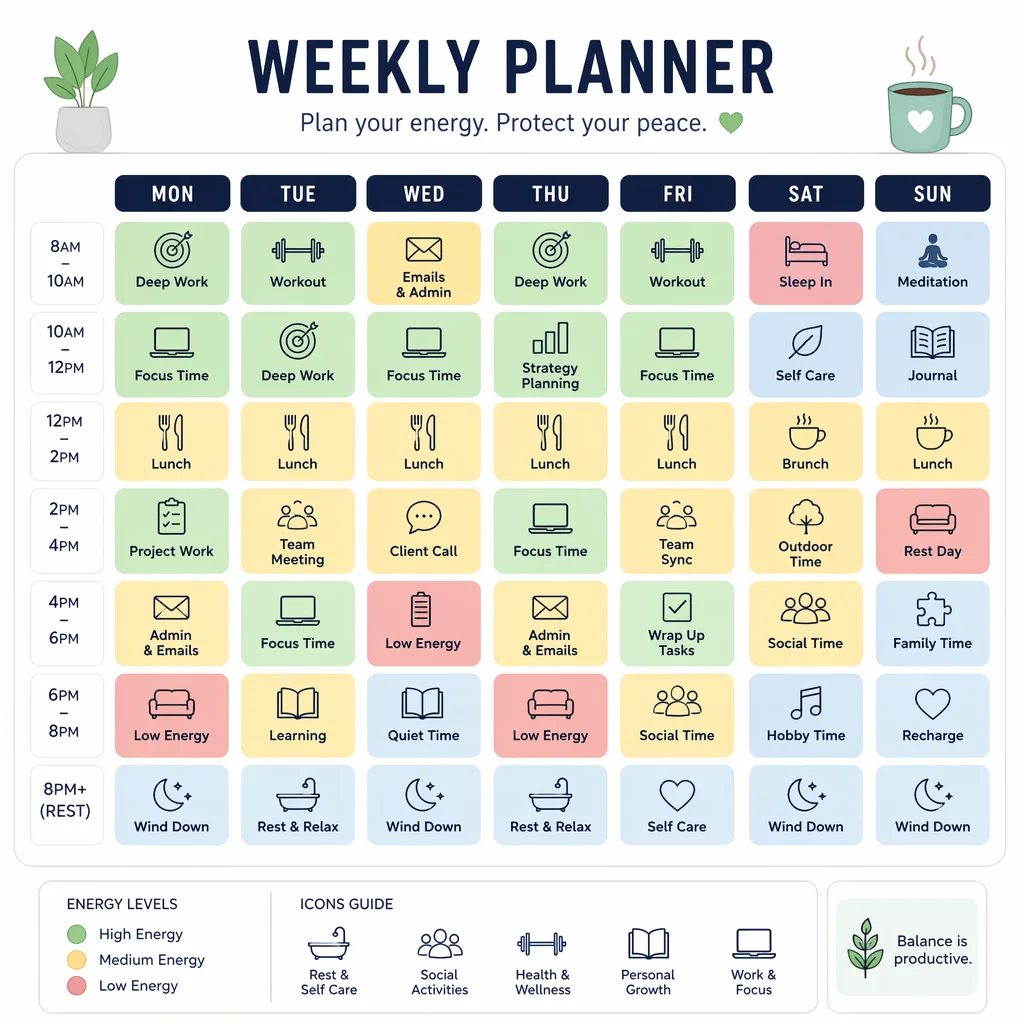
If you are practicing ethical non-monogamy with a chronic condition, energy budgeting is arguably more important than time management. Time is fixed and predictable — energy is not. Here is a practical framework that has worked for many people in the chronic illness and disability community:
- Track your patterns first. For two weeks, note your energy levels at different times of day. You might discover that mornings consistently work better than evenings, or that you need a full rest day after any social activity.
- Rate activities honestly. A dinner date is not just “dinner.” It is getting ready, traveling, socializing for two hours, traveling back, and recovering. Budget for the whole arc, not just the main event.
- Build in recovery buffers. If a date costs you four spoons, do not schedule anything spoon-heavy for the next 24 hours. Treat recovery time as non-negotiable, not as “free time” you can fill.
- Communicate your budget upfront. Let partners know: “I would love to see you Saturday, but I will need to keep it to about two hours so I can recharge afterward.” Clear expectations prevent disappointment on both sides.
This approach is not about limiting yourself — it is about making the experiences you do have genuinely enjoyable rather than exhausting. The same energy-management mindset that helps introverts navigate group dating applies here, just with a physiological rather than psychological foundation.
Finding Partners Who Get It
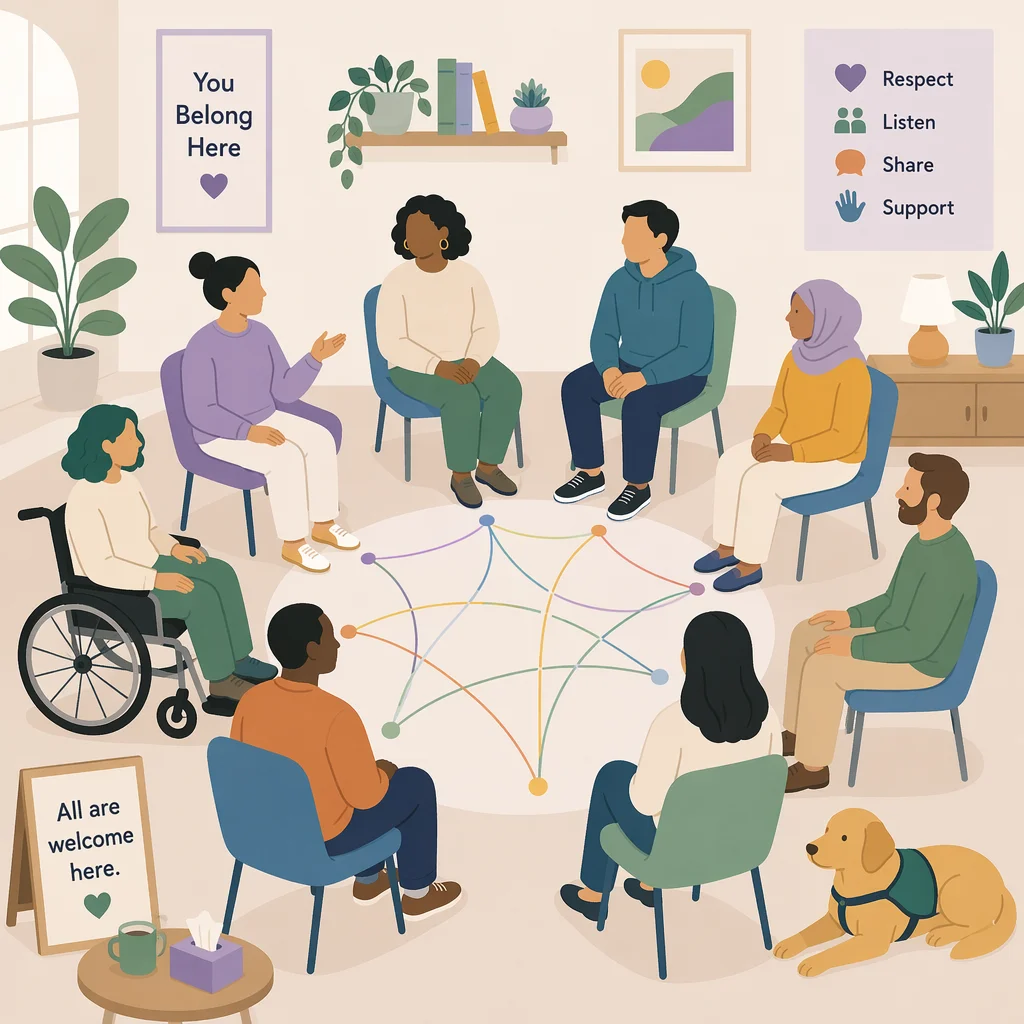
Not everyone is equipped to date someone with a chronic illness, and that is okay. The goal is not to convince skeptics — it is to find people who already have the emotional maturity and flexibility to meet you where you are.
Look for partners who demonstrate these qualities early on: they ask thoughtful questions instead of making assumptions, they respect your boundaries without pushing back, and they respond to cancellations with understanding rather than guilt-tripping. In your dating profile, you can signal for compatibility without leading with your diagnosis. Phrases like “I value low-key dates and deep conversation over packed schedules” or “Looking for people who appreciate flexibility and direct communication” attract the right kind of attention.
Some ENM-specific platforms and communities are more disability-friendly than others. Spaces that already emphasize clear communication, consent, and individualized relationship design tend to be more welcoming. When you find partners who genuinely understand, hold onto them — they are worth their weight in gold.
When Flare-Ups Disrupt Plans
Flare-ups are going to happen. The question is not whether plans will get disrupted — it is how you and your partners handle those disruptions together. A relationship built on mutual care does not crumble when someone needs to cancel; it adapts.
Here are a few strategies that make a real difference:
- Have a “Plan B” ready. When you make plans, agree on a backup option. “If I am not up for going out, could we order food and watch something at my place instead?” This keeps the connection going even when the original plan falls through.
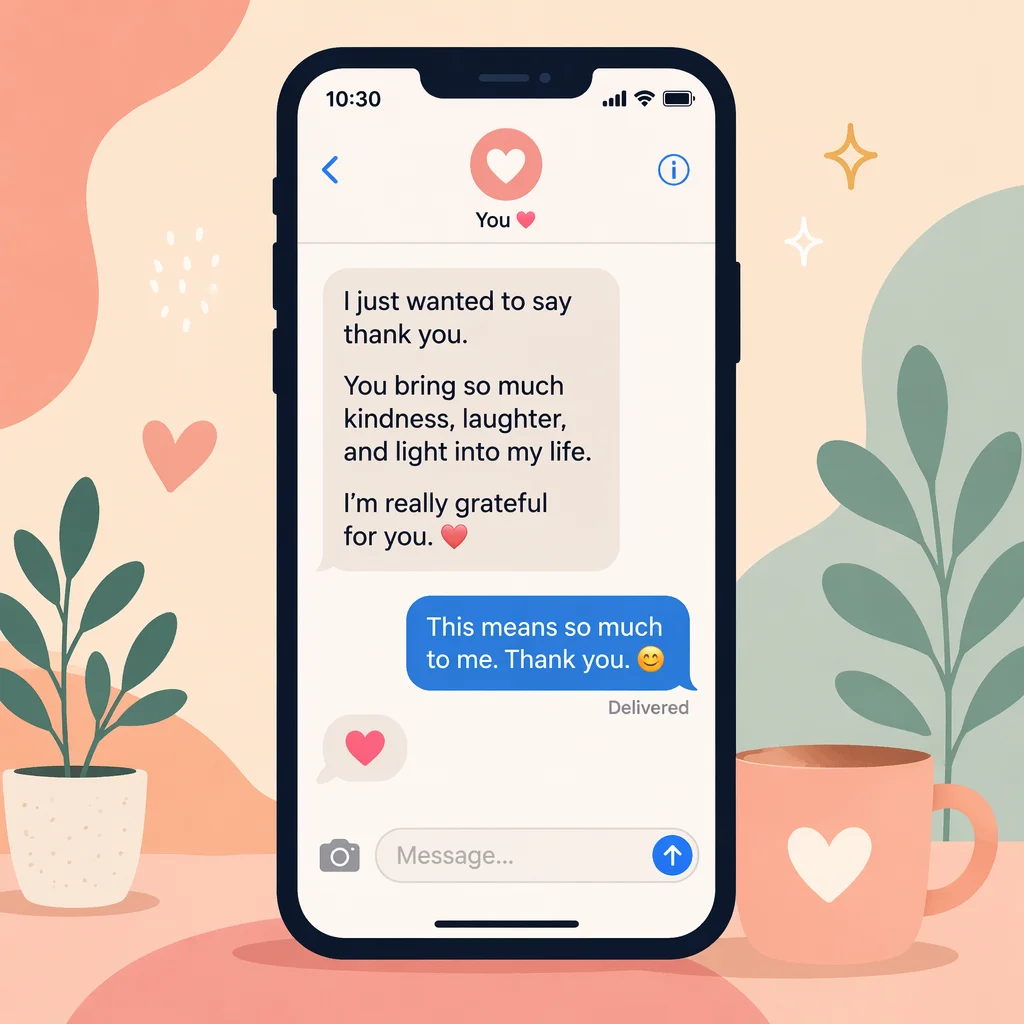
- Check in briefly, even on bad days. A two-sentence text — “Rough flare-up today, thinking of you though” — goes a long way toward reassuring partners that your absence is about your body, not your interest level.
- Let partners opt in, not guess. Instead of staying silent until you feel better, let them know what is happening. Some partners will want to help; others will give you space. Either way, they are making an informed choice, which builds trust.
- Do not apologize excessively. You did not choose to have a chronic illness. A simple “I am disappointed I could not make it tonight — I was really looking forward to seeing you” is enough. Over-apologizing can make partners feel like they need to manage your guilt on top of everything else.

Self-Advocacy in Multi-Partner Dynamics
Multi-partner dynamics add another dimension. When you have two or more partners, the energy math gets more complicated — and so does the emotional landscape. One partner might be incredibly understanding about your limitations while another struggles with feeling deprioritized. You might find yourself comparing: “Partner A gets my good days, Partner B only sees me when I am running on empty.”
Self-advocacy here means being honest about what you can offer each relationship without trying to make everything “fair” in a way that burns you out. Maybe one relationship is more casual and flexible, while another is deeper but less frequent. That is not a failure — it is an honest adaptation to reality.
It also means recognizing when a relationship dynamic is actively harming your health. If a partner consistently pressures you to push past your limits, dismisses your symptoms, or makes you feel like a burden, that is not a communication problem — it is a compatibility problem. You deserve partners who see your whole self, including your health realities, and show up with compassion rather than resentment.
For those managing multiple relationships alongside health challenges, practical life skills like financial planning for polyamorous relationships become essential — because stress in one area of life inevitably bleeds into others, and financial security can directly affect your ability to manage your health.
Dating with a chronic illness or disability in an ENM context is not about doing it perfectly. It is about building relationships that respect your body’s reality while still honoring your desire for connection, intimacy, and community. The right partners will not just tolerate your needs — they will appreciate the clarity and intentionality you bring to the table. Start with honesty, budget your energy like the finite resource it is, and remember: you are not asking for too much. You are asking the right people.
This article is part of our ongoing series on navigating non-monogamous relationships in real-world contexts. Every person’s experience with chronic illness is unique, and no single guide covers every situation. Take what works for you, adapt what does not, and always prioritize your well-being.