If you’re an introvert, the idea of introvert threesome dating might feel like a contradiction. Threesomes are often portrayed as high-energy, socially intense events — the exact opposite of what drains you. But here’s what nobody tells you: introverts often make better ENM partners. You tend to listen more carefully, read emotional cues better, and think before you act. These are genuine assets in any multi-person dynamic.
This guide is for introverts who want to explore threesome dating without pretending to be someone they’re not. You don’t need to become an extrovert. You need strategies that work with your wiring, not against it.
Table of Contents
- Why Being Introverted Changes the ENM Experience
- The Social Energy Budget: Know Your Limits
- Communication That Works for Introverts
- Finding the Right Third Partner When You’re Reserved
- Group Dynamics Without Social Drain
- Aftercare for Introverts: Recharging After Connection
- Introvert’s ENM Energy Checklist
Why Being Introverted Changes the ENM Experience
Introversion isn’t shyness. It’s about where you draw energy from — and where you lose it. Extroverts recharge through social interaction. Introverts recharge through solitude. In threesome dating, this matters enormously.
A typical threesome scenario — meeting someone new, navigating a three-way conversation, managing your partner’s energy and a new person’s energy simultaneously — is cognitively demanding for anyone. For an introvert, it can be genuinely exhausting. Susan Cain’s research on introversion, discussed in Quiet (and explored by Psychology Today), shows that introverts process information more deeply and are more sensitive to stimulation. In a threesome context, that means you’re taking in more detail — which is a strength, but also a drain.
The good news: once you understand your energy patterns, you can design your introvert threesome dating experience around them. You don’t have to match an extrovert’s pace. What you need is a structure that gives you space to process, recharge, and show up authentically.
This is also where a solid boundaries framework becomes essential. Knowing your limits before you enter a situation is half the battle — and introverts tend to be better at identifying those limits because they spend more time in self-reflection.
The Social Energy Budget: Know Your Limits
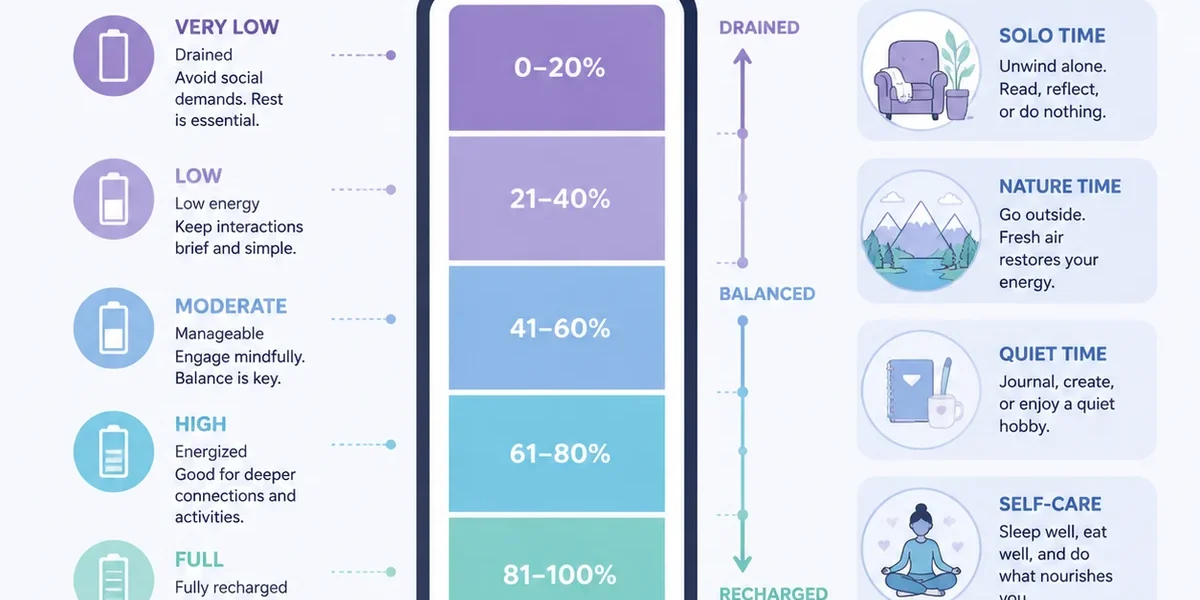
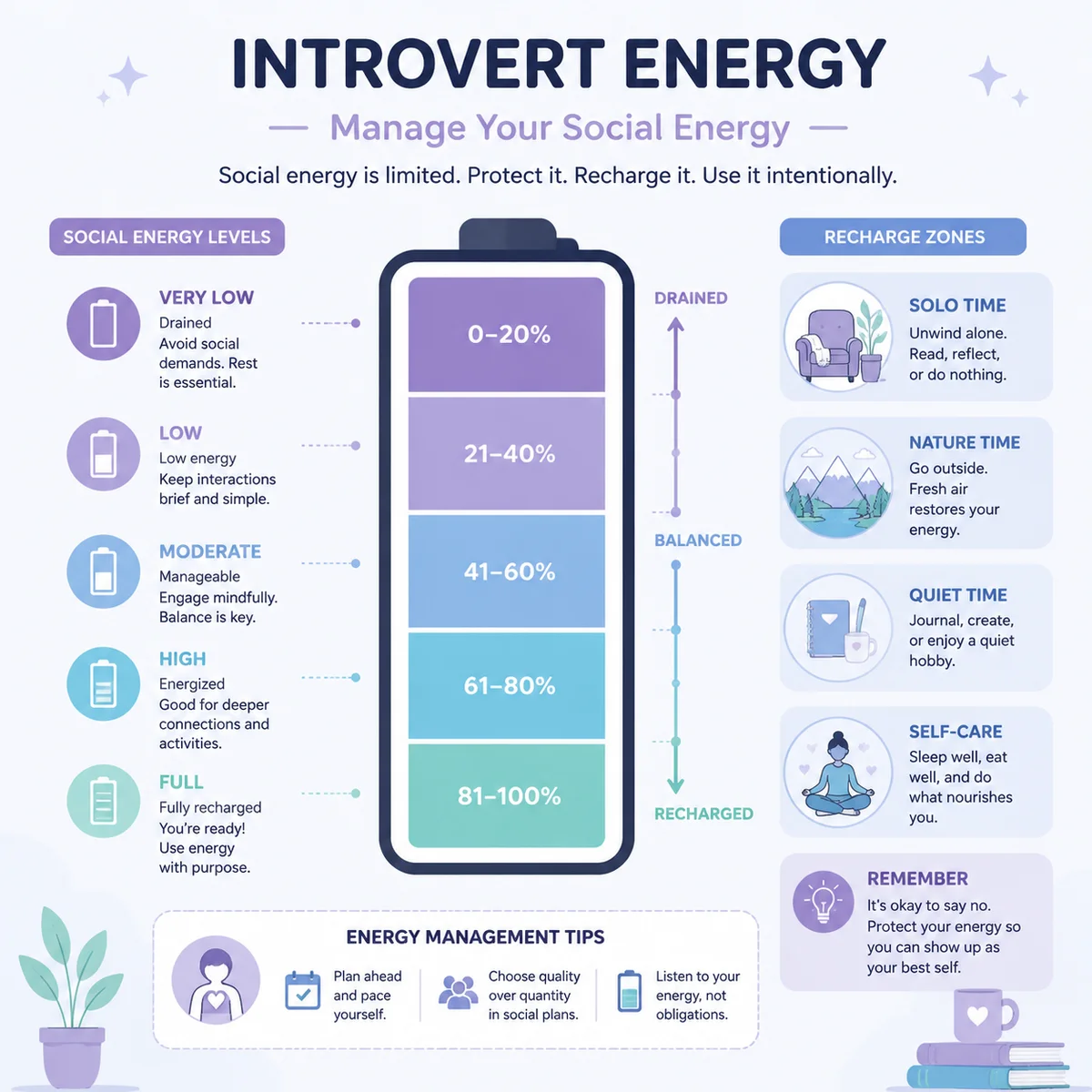
Think of your social energy like a battery. Every interaction draws from it. Small talk with a new third partner draws more. Group conversation where you’re tracking three people’s body language, tone, and emotional state draws the most. If you don’t budget, you crash.
Here’s a practical way to think about it. Before any threesome date or meetup, ask yourself:
- How much social energy do I have right now? (1-10 scale)
- How draining is this specific situation likely to be? (1-10)
- Do I have recovery time blocked afterward?
- Am I entering this because I want to, or because I feel I should?
That last question is the most important. Introverts often feel pressure to perform extroversion — to be “fun enough,” “talkative enough,” “energetic enough.” But the right third partner doesn’t need you to perform. They need you to be present. Presence looks different on an introvert, and that’s fine.
One practical rule: never schedule a threesome date back-to-back with other social obligations. Give yourself at least a few hours of quiet before and a full evening of recovery after. This alone can transform your introvert threesome dating experience from draining to manageable.
This connects directly to the negotiation phase — when you’re discussing expectations with your partner and a potential third, be upfront about your need for pacing. “I’m someone who needs some quiet time to process” is a perfectly reasonable thing to communicate. Anyone who treats that as a problem is probably not a good match.
Communication That Works for Introverts
Extroverts often process out loud — they figure out what they think by talking. Introverts process internally first, then speak. In a threesome dynamic, this difference can create friction if nobody names it.
Here are communication approaches that play to introvert strengths:
- Written check-ins before verbal ones. If discussing boundaries or feelings feels overwhelming in person, start with a shared document or chat. Write it out first. Then talk. This gives you time to find your words.
- Use silence strategically. You don’t need to fill every pause. A thoughtful pause before responding signals that you’re actually considering what was said — which is a sign of respect in any relationship.
- Name your processing style upfront. A simple “I need a minute to think about that” sets expectations. It also gives your partner and the third partner permission to do the same.
- One-on-one moments within the three. Even in group settings, carve out brief one-on-one exchanges. Introverts often connect more deeply in dyads. A 5-minute side conversation can build more trust than an hour of group chat.
For a deeper dive into communication strategies specifically designed for threesome dynamics, check out our guide on how to communicate during a threesome. The techniques there pair well with an introvert’s natural communication style.
What makes introvert threesome dating different in the communication department isn’t that you communicate less — it’s that your communication is often more deliberate. Use that. Write things down. Ask for time to reflect. These aren’t weaknesses; they’re ways of ensuring that when you do speak, what you say actually reflects what you mean.
Finding the Right Third Partner When You’re Reserved
Dating apps and swinger sites tend to reward extroverted behavior — quick banter, bold openers, high-volume matching. For an introvert looking for a third, that environment can feel alienating. The solution isn’t to become more extroverted online. It’s to use platforms and approaches that align with how you actually communicate.
What works for introverts:
- Longer-form profiles over swipe apps. Platforms that let you write detailed profiles give you space to express yourself thoughtfully rather than perform charisma in 3-second snap judgments. Look for apps and sites that prioritize compatibility over volume.
- Look for fellow introverts. Some third partners will explicitly mention being introverted, low-key, or preferring quiet environments. These are your people. A third who’s also introverted understands the need for pacing without explanation.
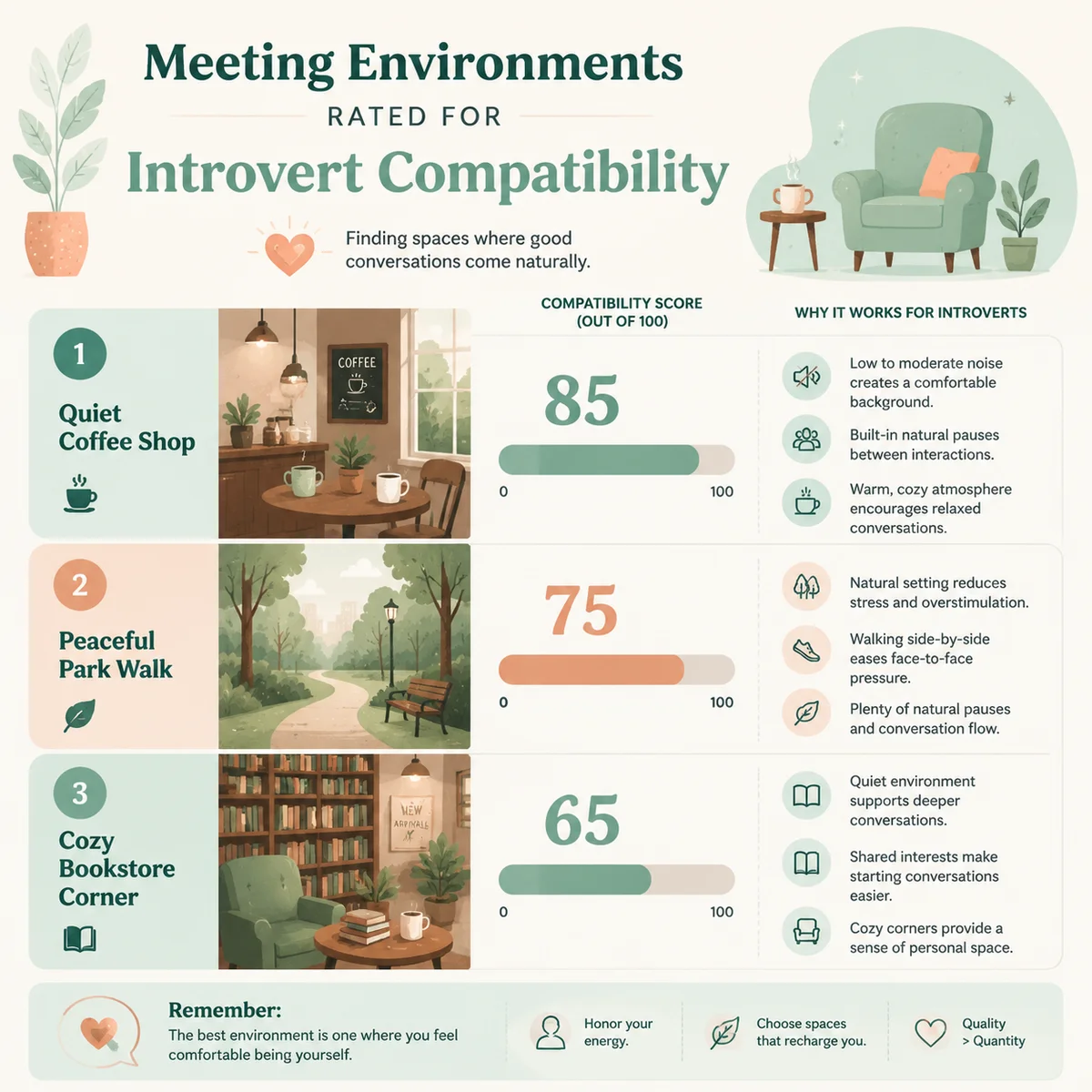
- Start with low-pressure environments. Coffee, a walk, a quiet bar — not a loud club or party. The setting communicates what kind of experience you’re offering. An introvert-friendly first meeting signals that you value genuine connection over performance.
- Be honest in your couple profile. If one or both of you are introverts, say so. “We’re a low-key couple — think books, quiet dinners, and genuine conversation” attracts the right people and filters out those looking for high-energy party dynamics.
Our complete guide to finding a third safely covers the vetting process in detail. The key for introverts specifically: trust your gut about energy compatibility. If someone’s communication style already feels draining before you’ve even met, that won’t improve in person.
Group Dynamics Without Social Drain
Here’s the scenario most introverts dread: you’re sitting across from your partner and the third, conversation is flowing (or not), and you feel yourself retreating inward while everyone else seems to be connecting effortlessly. It’s uncomfortable — but it’s also preventable.
Group dynamics in a threesome don’t have to be a free-for-all. Structure them:
- Build in natural breaks. A 10-minute solo walk, stepping out to get drinks, even a bathroom break where you take an extra minute to breathe — these micro-recharges matter. Plan them into the evening rather than waiting until you’re already drained.
- Rotate focus. Instead of trying to maintain equal attention across three people simultaneously (exhausting), let the dynamic shift naturally. Sometimes you’re the observer. That’s not passive — you’re taking in information that will make you a better participant when you re-engage.
- Have a signal with your partner. A subtle cue — a specific phrase, a hand squeeze — that means “I need a moment” or “I’m hitting my limit.” Your partner knowing when to create space for you is invaluable.
- Embrace parallel activities. Not every moment needs to be a three-way conversation. Watching a movie together, cooking a meal, playing a board game — these parallel activities reduce the social pressure while still building connection.
Some introverts discover that they actually enjoy being the “observer role” in certain moments — not excluded, but present without the pressure of being the center of attention. This is a valid way to experience group dynamics, and it doesn’t mean you’re not participating. It means you’re participating on your terms.
Jealousy can complicate group dynamics regardless of personality type. If you notice feelings surfacing, our threesome jealousy guide walks through specific strategies for managing those moments — and many of them (journaling, private reflection, structured check-ins) are naturally aligned with introvert strengths.
Aftercare for Introverts: Recharging After Connection
Aftercare is a well-established concept in ENM communities — the practice of reconnecting and attending to emotional needs after an intense shared experience. For introverts, aftercare has an additional dimension: energy recovery.
Standard aftercare advice focuses on emotional processing and partner reconnection. Those matter. But for introvert threesome dating, you also need to account for the cognitive and social energy you’ve spent. A threesome that was emotionally positive can still leave you drained — and that drain can be mistaken for regret or dissatisfaction if you don’t recognize it for what it is.
What introvert-specific aftercare looks like:
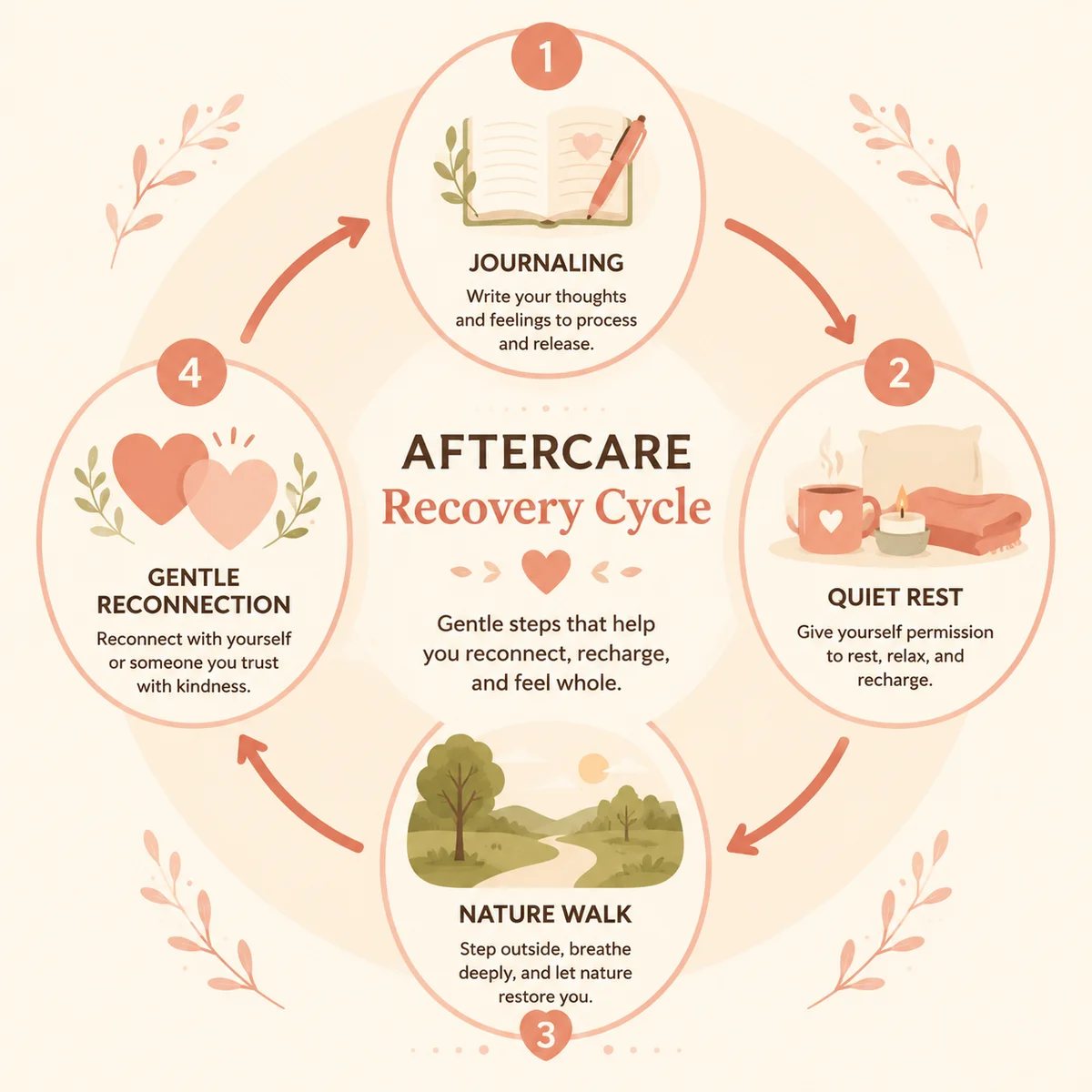
- Schedule solitude after connection. Not just “I’ll rest when I feel tired” — actually block time. If the experience ends at 10pm, assume you’ll need quiet until noon the next day. Don’t schedule brunch with friends.
- Separate emotional processing from energy recovery. They’re different needs. You might feel emotionally great but physically depleted. Treat them as separate recovery tracks.
- Low-stimulation reconnection with your partner. Instead of a big “how was that?” conversation immediately, try lying next to each other quietly, sharing a meal without much talking, or going for a walk. Talk when you’re ready, not when you feel you’re supposed to.
- Journal before you discuss. Write down your own thoughts first. This prevents your partner’s interpretation from overwriting your own before you’ve had time to form it.
For a comprehensive framework on post-threesome emotional care, our threesome aftercare guide covers the emotional side in depth. Pair it with the energy-management approach above, and you’ve got a complete introvert recovery plan.
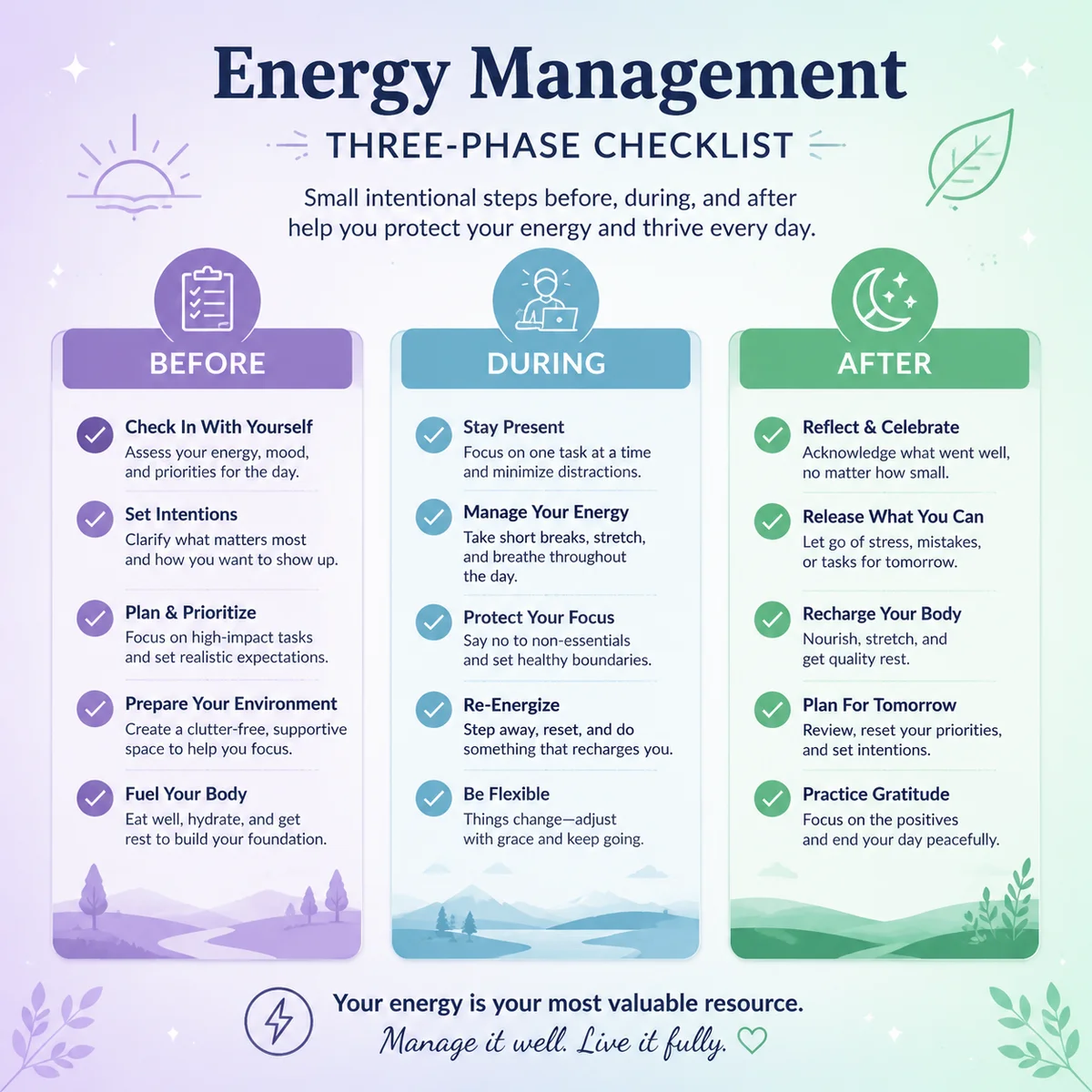
Introvert’s ENM Energy Checklist
Use this checklist before, during, and after any threesome dating experience. It’s designed specifically for introverts who need to manage their social energy alongside emotional connection.
Before the Experience
- ☐ Social battery is at 7/10 or higher. If not, reschedule — showing up drained guarantees a worse experience.
- ☐ At least 2 hours of quiet time scheduled before the meetup.
- ☐ A full evening and next morning blocked for recovery — no other social obligations.
- ☐ Your partner knows your energy signals and what to watch for.
- ☐ The third partner knows your communication style (if you’ve disclosed introversion).
- ☐ A low-stimulation environment has been chosen — quiet venue, comfortable setting.
During the Experience
- ☐ Natural breaks built in — you’ve identified when you’ll step away for a moment.
- ☐ You’re checking in with yourself every 30-60 minutes: “How’s my energy?”
- ☐ You’re not forcing extroverted behavior — silence and observation are valid participation.
- ☐ The signal with your partner is established and you both remember it.
After the Experience
- ☐ At least 12 hours of low-stimulation recovery before extensive emotional processing.
- ☐ Journal your own impressions before discussing with your partner.
- ☐ Low-key reconnection with your partner — quiet meal, walk, or shared downtime.
- ☐ Separate “How do I feel emotionally?” from “How drained am I?” — don’t conflate the two.
- ☐ Note what worked and what didn’t for the next experience. Iterate.
This checklist isn’t about limiting your experience — it’s about making introvert threesome dating sustainable. The goal isn’t to survive each encounter. It’s to build a lifestyle where ENM enriches your life rather than exhausting it.
The Introvert Advantage
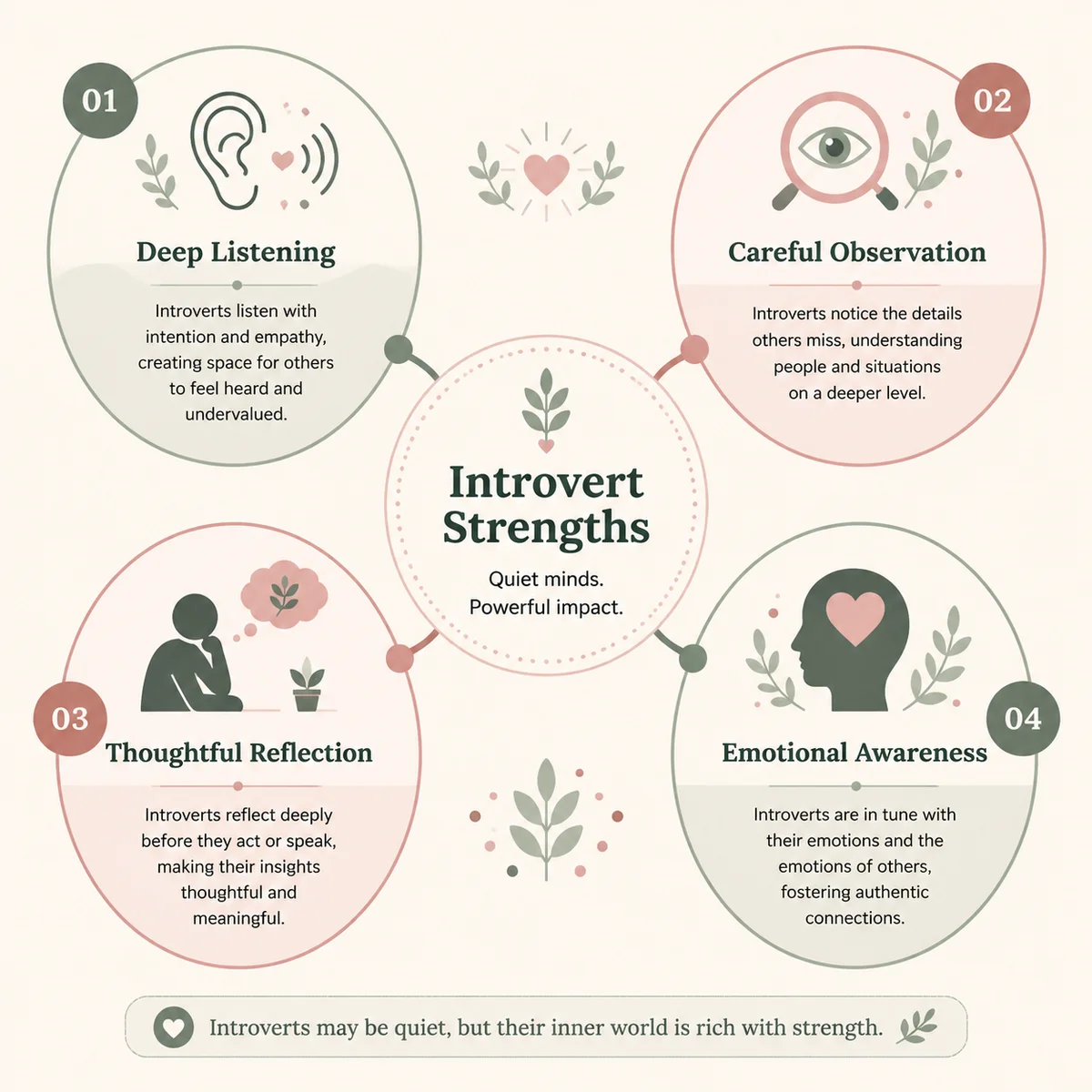
Let’s circle back to the thing nobody tells you: being an introvert in ENM spaces isn’t a liability. Your tendency to listen deeply, observe carefully, and process thoroughly makes you a safer, more considerate partner. The people you connect with will feel genuinely seen — because you actually paid attention.
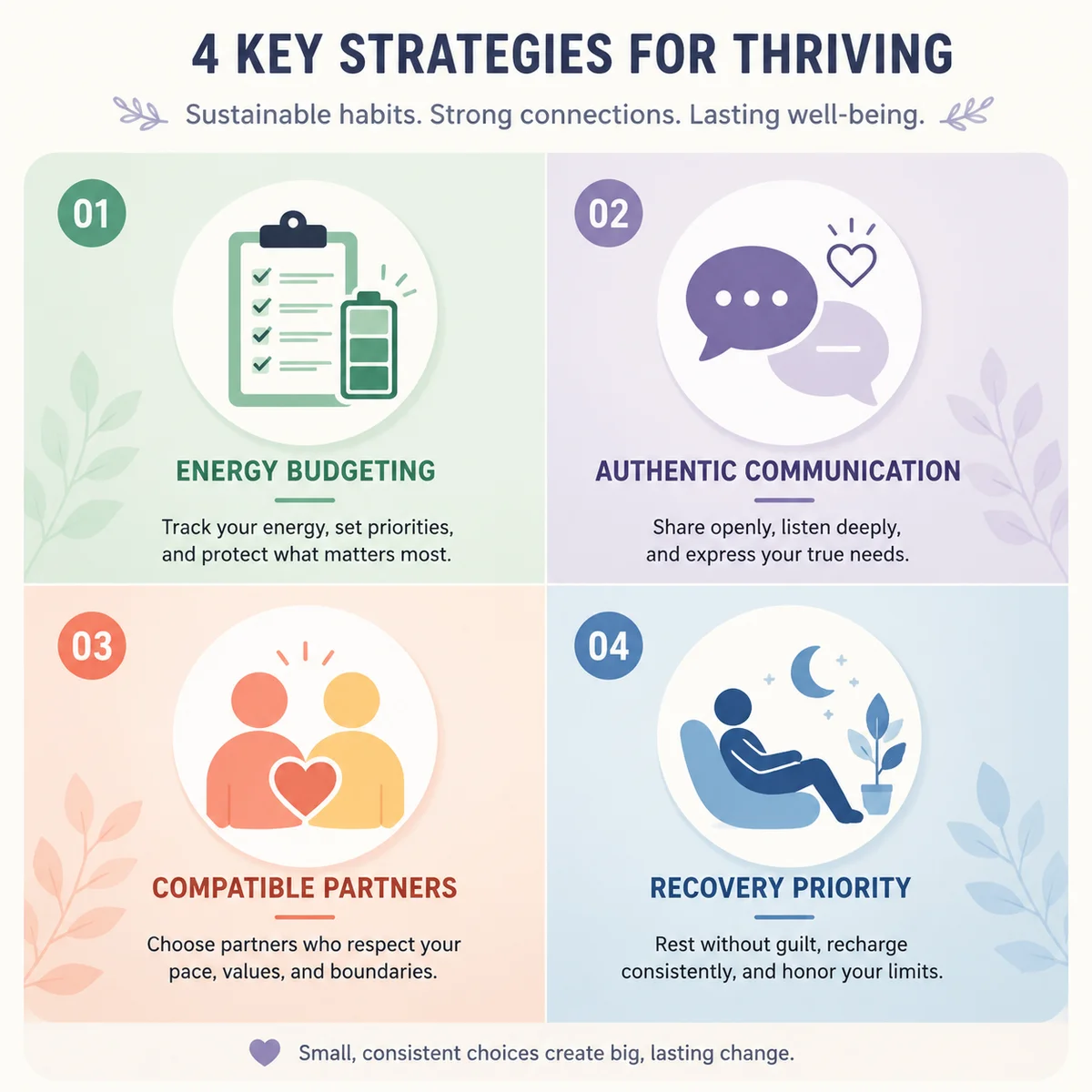
The challenge isn’t your personality. It’s that most threesome advice assumes extroversion as the default. It doesn’t have to be. By budgeting your social energy, communicating on your terms, choosing compatible partners and environments, and taking recovery seriously, you can build an ENM practice that fits who you actually are.
If you’re ready to explore threesome dating in a space that respects different communication styles and energy levels, you can create a profile on 3Cupid and connect with people who value genuine connection over performative energy.
The four pillars of introvert-friendly ENM — energy budgeting, authentic communication, compatible partners, and recovery priority — work together as a system. Skip one and the others become harder to maintain.
Editor’s note: This article is part of 3Cupid’s ongoing guide to navigating threesome dating with self-awareness and emotional intelligence. All content is intended for adults 18+ and emphasizes communication, consent, and mutual respect.