You planned it carefully. You talked through boundaries. You found someone who seemed right. And then, somewhere between the first awkward silence and the moment you realized this was not working, the threesome went wrong. Maybe someone froze up. Maybe jealousy blindsided you. Maybe the chemistry was simply not there. Whatever happened, you are now sitting with a knot in your stomach wondering what this means for your relationship.
First thing to know: you are not alone, and you are not broken. Threesomes are complex social and emotional experiences. Even with perfect preparation, things can go sideways. What matters now is not what went wrong — it is what you do next.

The gap between expectation and reality in threesome dating can be wide—acknowledging that is the first step toward recovering from it.
Table of Contents
- It Happens More Than You Think
- Common Ways Threesomes Go Off Track
- Immediate Emotional First Aid
- How to Talk About It With Your Partner
- When to Try Again — and When to Pause
- Learning from the Experience
- 5-Step Recovery Framework
It Happens More Than You Think
Nobody posts about their disappointing threesome on social media. That is why it feels like everyone else is having flawless, movie-scene experiences while you are sitting there wondering what is wrong with you. The reality is that many first threesomes fall short of expectations — a dynamic relationship researchers at VeryWell Mind have explored when discussing the gap between fantasy and lived group-sex experiences. The fantasy rarely matches the logistics. Bodies do not always cooperate. Emotions show up uninvited.

Understanding what specifically went wrong helps you separate a one-time chemistry issue from a deeper relational concern.
Acknowledging this normalizes your experience. You did not “fail” at a threesome — you learned something important about yourself, your partner, or your relationship. That is uncomfortable but valuable information. The couples who come through this strongest are the ones who treat a threesome that went wrong as data, not as disaster.
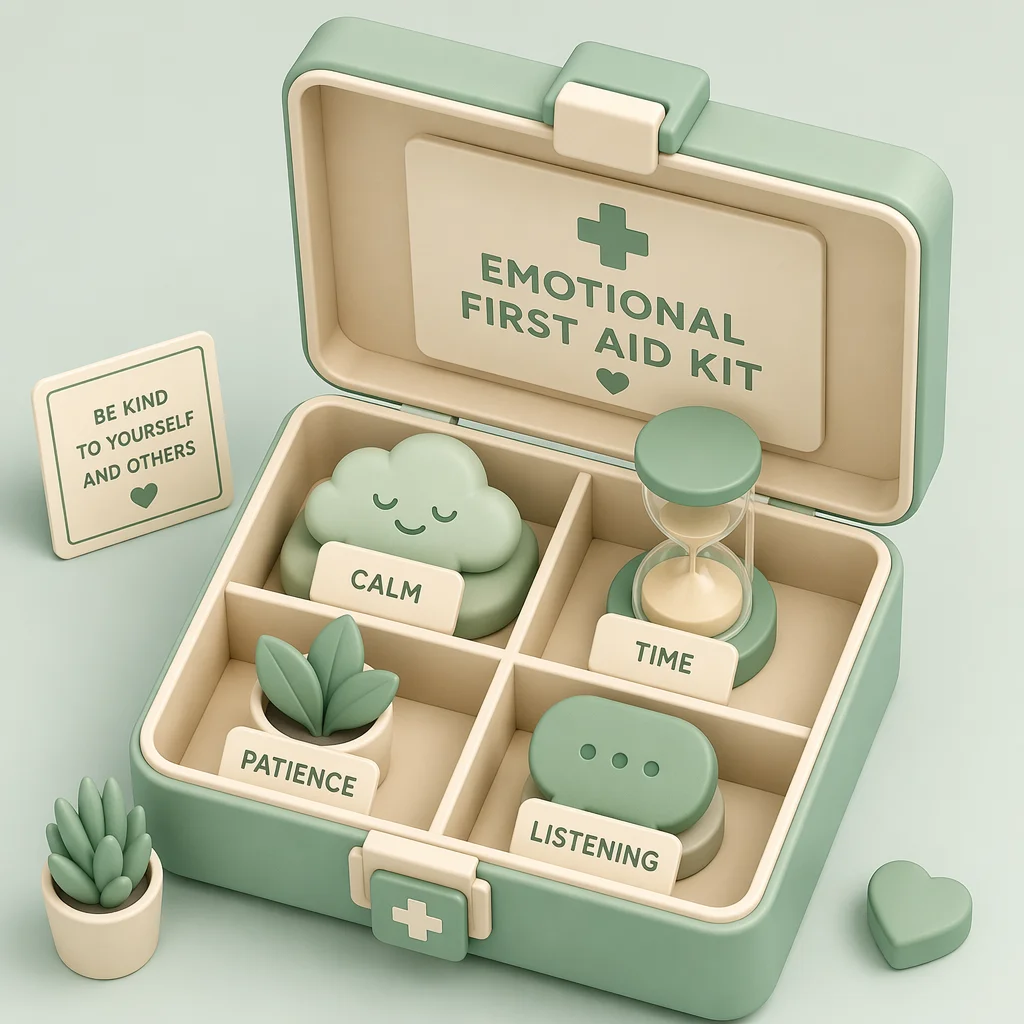
Your nervous system needs care before your relationship does. Regulate first, talk second.
Common Ways Threesomes Go Off Track
Understanding what happened helps you process it. Here are the most common scenarios couples report — none of them mean your relationship is doomed.
Someone froze or shut down. One partner became quiet, withdrawn, or checked out emotionally. This often stems from anxiety or sensory overload — not lack of desire. The person who shut down may feel guilty for “ruining” things, while the other may feel rejected. Both need reassurance that freezing is a nervous system response, not a verdict.
Jealousy hit hard and fast. One partner felt unexpectedly jealous watching their partner with someone else, even though they intellectually wanted this. The jealousy may have caused them to act cold, make passive-aggressive comments, or want to end things abruptly. This is the most common “things went wrong” scenario and also the most recoverable one.
The chemistry was absent. Everyone was theoretically on board, but in practice the energy was flat. Conversations felt forced. Physical chemistry did not click. This happens frequently — compatibility on paper does not guarantee chemistry in person — and it says nothing about anyone’s attractiveness or worth.
A boundary was crossed. Someone did something outside the agreed-upon rules — maybe unintentionally, maybe not. This is the most serious scenario and requires the most careful handling. It can range from a miscommunication (“I thought oral was okay”) to a clear violation (“we agreed no penetration and they went there anyway”).
Immediate Emotional First Aid
The hours immediately after a threesome that went wrong are when people make their biggest mistakes. They lash out. They shut down. They spiral into worst-case interpretations. Here is what to do instead.
Pause, do not panic. Your brain is flooded with stress hormones. This is not the moment for a big conversation. Tell your partner: “I need some time to process before we talk about this. Can we check in tomorrow?” This alone prevents more damage than any debrief technique. It signals that you care about the relationship and you are not running away — you just need space to think clearly.
Take care of your body. Eat something. Drink water. Take a shower. Go for a walk. These sound trivial, but they signal to your nervous system that the immediate threat is over and it is safe to regulate. A regulated body makes better decisions than a dysregulated one.
Do not vent to friends yet. Venting to an uninvolved friend can feel cathartic in the moment, but it also locks in a narrative before you have had a chance to talk it through with your partner. Once you have told your best friend “it was a disaster,” it becomes harder to revise that story into something more nuanced later. Wait until you and your partner have processed together before sharing externally.

How you talk about a difficult experience can either widen the wound or begin to close it.
How to Talk About It With Your Partner
When you are both calm — ideally after sleep, food, and some physical distance from the event — sit down for a conversation. This is not a trial. There is no defendant and no prosecutor. You are two people who shared an experience that was harder than expected, and you are figuring out what it means together.
Lead with care, not blame. Start by acknowledging what you know to be true about your partner: “I know you love me and would never intentionally hurt me.” Then share your experience using the phrase: “For me, the hardest part was…” This framing makes it about your experience rather than their actions, which reduces defensiveness and opens the door for real listening.
If a boundary was crossed, address it directly but calmly. Say what happened, how it made you feel, and what you need now. “We agreed on X, and Y happened instead. I felt [scared/disrespected/hurt]. Can we talk about why that happened and how we make sure it never happens again?” If the violation was intentional — not a miscommunication — this is a much more serious conversation about trust and possibly about whether to continue threesome dating at all.
Let silence be okay. Not every moment needs to be filled with words. Sometimes one partner needs to cry, or stare at the ceiling, or just sit in the discomfort of not having answers yet. Give each other that space without rushing to fix it.

The question of whether to try again should never feel like a deadline—take the time you both need.
When to Try Again — and When to Pause
After processing, every couple faces the same question: do we try this again?
Signs you might try again: The issue was mainly about chemistry (wrong person, not wrong dynamic). Both partners still want the experience in theory. You were able to talk through the difficult feelings and feel closer afterward. You have identified specific adjustments that would make a difference — different type of person, different pace, different boundaries.
Signs you should pause: One partner is saying yes out of guilt or pressure rather than genuine desire. The experience triggered trauma or deep-seated insecurity that needs individual work before re-engaging. There was an intentional boundary violation. One of you is using threesomes to avoid addressing problems in the primary relationship.
Pausing is not failing. It is the most responsible choice you can make when the conditions are not right. Many couples pause threesome dating for months or even years and return to it later with stronger communication and clearer boundaries.

The experiences that challenge us most often teach us the most, if we are willing to listen.
Learning from the Experience
Every threesome that went wrong carries lessons that a perfect one never could. Ask yourselves: what did this reveal about our communication gaps? About unspoken expectations? About what each of us actually wants versus what we thought we wanted?
Write down two or three takeaways while they are fresh. They do not need to be profound. “I need more verbal reassurance during the experience” is a perfectly useful takeaway. So is “We need to meet people for a non-sexual coffee first” or “I am not ready for this and that is okay.”
The couples who stay together through difficult threesome experiences are not the ones who had perfect luck — they are the ones who treated every experience, good and bad, as part of a longer journey of learning what works for them. Your relationship is not defined by one disappointing night. It is defined by how you show up for each other the morning after.
5-Step Recovery Framework
- Pause and self-regulate. Give yourselves physical and emotional space for at least 12 hours. Eat, sleep, hydrate. No major conversations while flooded with stress hormones.
- Reconnect as a couple first. Before discussing what went wrong, remind each other of your bond. A simple “I love you and we are okay” goes a long way.
- Share experiences without blame. Use “I felt” statements. Let each person speak fully without interruption. The goal is understanding, not winning an argument.
- Identify what you need. Does someone need an apology? A boundary adjustment? A commitment to pause? Be specific about what would help you feel safe again.
- Decide together and follow through. Whether you choose to try again with adjustments or take a break, make the decision as a team and honor it. Revisit in a month to check in.
For a structured approach to processing experiences together, our guide on how to debrief after a threesome walks you through a practical conversation framework. Understanding the emotional side of threesome dating can also help you make sense of feelings that caught you off guard. And if trust needs rebuilding, start with building trust and communication in threesome dating.
If and when you are ready to explore again with clearer boundaries and stronger communication, you will find a community of open-minded singles and couples right here at 3Cupid.
Editor’s note: This article is written for informational purposes. Every couple’s experience is unique, and there is no single right way to recover from a disappointing shared experience. If feelings of distress persist, consider speaking with a relationship therapist familiar with non-monogamous dynamics.