
In non-monogamous circles you’ll hear a phrase that sounds a lot more loaded than it is: “we’re fluid bonded.” It usually gets said in a quiet, deliberate voice, because it marks a real shift in a relationship. So what does fluid bonding actually mean? It’s a spoken, intentional agreement between partners to stop using barrier protection during sex — condoms, dental dams, the works. The key word is “intentional.” It’s not the same as forgetting a condom or drifting into a habit. In ENM relationships especially, the decision carries weight, because what you agree with one partner touches everyone else in your network.

This guide walks through what fluid bonding is, how it works when you have more than one partner, the risks worth naming out loud, and what belongs in a real agreement before you drop the barriers. Read it as a starting point for a conversation, not a replacement for medical advice or your own judgment.
What Fluid Bonding Actually Means
At the most literal level, fluid bonding is the choice to exchange bodily fluids — semen, vaginal fluids, and sometimes blood and saliva — without a barrier between you. The term comes from the idea that sharing those fluids creates a kind of “bond,” a shared risk pool that the two of you now manage together.
In a monogamous relationship, this often happens quietly. Two people get tested, decide they’re exclusive, and stop using condoms without ever naming it. In non-monogamy, it’s different. Because either partner might still be seeing other people, dropping a barrier isn’t a default — it’s a decision that needs to be said out loud, agreed to, and usually written down.
That’s really the core difference. Fluid bonding in ENM is a negotiated status change. It signals, “we’ve talked about our sexual health, we’ve tested, and we’re choosing this together.” It is not something that should happen by accident or assumption.
How Fluid Bonding Works in Non-Monogamy
Here’s the part that surprises people new to ENM: fluid bonding is a network decision, not a couple decision. When you choose to be fluid bonded with one partner, the risk you share doesn’t stop at the two of you. It extends to every other person that partner exchanges fluids with, and everyone those people exchange fluids with, and so on. Health educators sometimes call this your “risk network.”

That’s why fluid bonding is most common in specific setups. Closed polycules and polyfidelity arrangements — where everyone has agreed to be exclusive within the group — make fluid bonding simpler, because the network is small and stable. It also shows up between long-term nesting partners, or between two people who have a long, trusting sexual history together.
You can absolutely be fluid bonded with one partner while using barriers with everyone else. That’s a legitimate and common choice. The point is that you’re explicit about it, and everyone in the network understands where the boundaries sit.
Why People Choose Fluid Bonding
People fluid bond for a mix of reasons, and most of them are emotional as much as practical. Some couples want the feeling of closeness and trust that comes with removing a barrier. Others simply find it more comfortable or convenient within a long-term relationship. For some, it’s a way to mark that a relationship has reached a deeper level of commitment.
But here’s an important nuance worth saying plainly: fluid bonding is not a measurement of how much you love or trust someone. Health experts, including the team at Healthline, are careful to point out that there’s nothing inherently more intimate about sex without barriers — plenty of couples maintain deep intimacy for decades while always using protection. If the only reason you’re considering it is to “prove” something, slow down.
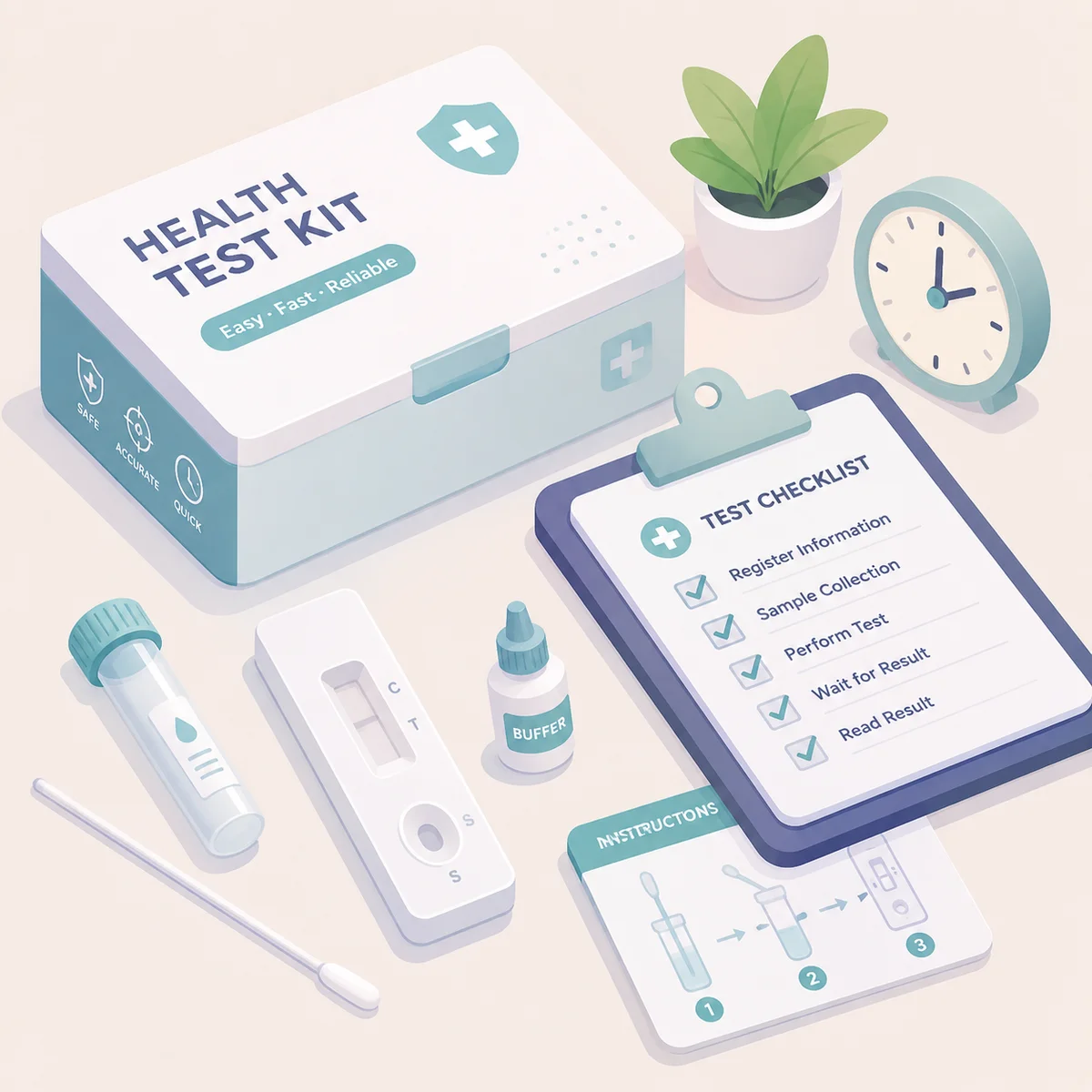
The healthiest reason to fluid bond is the simplest one: you’ve talked about your sexual health in detail, you’re on the same page about what “exclusive to each other” means, and you both genuinely want this. Everything else — the romance, the closeness — can exist whether or not barriers are in the picture.
The Risks You Should Understand First
Fluid bonding changes your STI risk profile, full stop. Barrier-free sex removes the one layer that most effectively reduces transmission of several common infections. That doesn’t mean the decision is wrong — it means the decision should be made with your eyes open.
One of the biggest traps is the false sense of security that comes from a recent test. Many people don’t realize that some STIs take weeks to show up on a standard panel — the window can be two to six weeks or more depending on the infection. “We both tested negative last month” is not the same as “we’ve tested negative and haven’t exchanged fluids with anyone else since.” Timing matters as much as the result.

There’s also the issue of test coverage. Not every standard panel tests for every STI. HPV and HSV (herpes), for example, are often left off routine screens, which means a clean result can give a false sense of “all clear.” This is exactly why fluid bonding belongs inside a larger sexual health conversation — like the one in our guide to navigating STI conversations — rather than a quick yes-or-no question.
What a Fluid Bonding Agreement Usually Includes
If you decide to move forward, put the details on paper or in a shared note. A solid fluid bonding agreement usually covers a handful of specifics, and none of them are romantic — they’re the boring, practical scaffolding that keeps everyone safe.
Here’s what most thoughtful agreements include:
- Testing: What panel, how recently, and whether both of you have shared results openly.
- The window: A clear period between testing and bonding where neither of you exchanges fluids with anyone else.
- Who else is in the network: Every partner either of you might still be fluid-exchanging with.
- Contraception: How you’ll handle pregnancy prevention without a barrier, and what happens if plans go sideways.
- End triggers: What would make either of you want to return to barriers — a new partner, a lapse, a broken agreement.

This is the same muscle you’d use to build a broader sexual health agreement in ENM. In fact, fluid bonding usually works best as one chapter inside that larger agreement, not a standalone promise made in a warm moment.
How It Compares to Other Terms You’ll Hear
If you spend time in ENM communities, you’ll hear a lot of overlapping language. It helps to know where fluid bonding sits among them.
- Barrier-free / raw: Casual, descriptive words for sex without protection — but they carry no assumption of an agreement or testing. Fluid bonding is the deliberate, discussed version.
- Polyfidelity: A relationship structure where a group is exclusive to itself. Fluid bonding often happens inside these closed networks because the risk chain stays contained. We break that down in our guide to what polyfidelity is.
- Fluid-bonded pair: A shorthand for two people who’ve made this agreement with each other.
The distinction between “we just don’t use condoms” and “we’re fluid bonded” is the whole point. One is a habit. The other is an agreement with a conversation behind it.
Is Fluid Bonding Right for Your Relationship?
There’s no universal answer, but there’s a useful self-check. Read through these and see how many you can honestly check off:
- Both of us have shared recent, comprehensive test results — and we understand what the panel did and didn’t cover.
- We’ve talked openly about everyone else in our sexual network, with no omissions.
- We agree on what would end the fluid bond and send us back to barriers.
- We’re choosing this for practical closeness, not to prove love, trust, or commitment.
- Either of us can change our mind without guilt or pressure.

If you can’t check most of those boxes yet, that’s not a failure — it’s information. It means the conversation isn’t finished. Keep talking until the agreement feels easy to explain to another person in one breath. And when you’re ready to have that talk, we’ve got a full walkthrough on how to have the fluid bonding conversation with your partner.
Fluid bonding can be a meaningful, trust-deepening step in any relationship structure, monogamous or not. It just has to be built on clarity, not on a vibe. Whether you’re exploring it inside a triad, a closed polycule, or a two-person partnership, the rule is the same: talk first, test, then decide together. If you’re still early in figuring out how multiple partners fit into your life, there’s a whole community of like-minded people to meet right here at 3Cupid.
Editor’s note: This article is for general information only and is not a substitute for professional medical advice. For questions about STI testing and sexual health, consult a qualified healthcare provider.