Somewhere around your third relationship, the calendar gets tight enough that the first thing to go is usually the thing nobody else shares: the Tuesday ceramics class, the Sunday trail run, the guitar that leans in the corner. That is the moment hobbies in polyamory stop being a nice-to-have and start being load-bearing.
This piece covers why solo interests matter more in a multi-partner life than in a single one, how to defend the hours, what to do when a partner feels shut out of something you love, and how hobby spaces can be a decent way to meet people without turning every room into an approach.
Table of Contents
- Why Hobbies in Polyamory Matter More Than They Look
- The Three Kinds of Hobby Time
- When a Partner Feels Left Out
- Meeting People Through Hobbies Without Ruining the Hobby
- Protecting Hobby Time on a Shared Calendar
- When a Hobby Becomes a Whole Identity
- After a Breakup, a Move, or a Pause
- FAQ: Hobbies and Polyamory
Why Hobbies in Polyamory Matter More Than They Look
In a monogamous default, a hobby is mostly something a couple negotiates around. In a network, every hour you spend is an hour not spent with any of several people, and each of them has a legitimate claim on your attention. The hobby becomes the line item with the weakest advocate in the room: you. The American Psychological Association’s overview of healthy relationships is a useful shared reference for what a balanced week actually looks like.
There is a second reason, and it is not about scheduling at all. Non-monogamy asks you to hold several relational identities at once — partner to one person, metamour to another, hinge between them. Interests that belong to none of those roles are what stop you from being entirely defined by your relationships. We wrote about the internal version in maintaining your sense of self in polyamory; this is the practical one.
And then there is the plain maintenance reason. Time spent on something you chose, where nobody is evaluating you, is one of the few reliable buffers against emotional burnout in ENM. People who quietly drop everything tend to notice about four months later, when they are resentful and cannot explain why.
The Three Kinds of Hobby Time
Not all hobby hours are the same, and lumping them together is why scheduling arguments go in circles. Broadly, there are three, and they need defending in different amounts.
| Type | What it does for you | How much it needs protecting |
|---|---|---|
| Solo hobby time — something only you do | Restores the part of you that is not anybody’s partner | Weekly, and treat it as non-negotiable |
| One-to-one hobby time — you and one partner | Builds a shared history that is not only conversations about feelings | Per partner, roughly monthly |
| Network hobby time — everyone together | Turns metamours into actual people who know each other | Occasionally, and only if everyone wants it |
The mistake almost everyone makes is letting the third category eat the first. Group activities feel generous and they look good, so they get scheduled first, and the solo thing quietly disappears without anyone ever deciding to cancel it.
If you are solo polyamorous or closer to relationship anarchy, the first category is usually the whole point. If you are nested with someone, it is the one most likely to evaporate through simple inertia rather than conflict.
When a Partner Feels Left Out
Here is the most common complaint: I never get to see you do the thing you love. Sometimes that is a real gap worth closing. Sometimes it is envy of a part of your life that was never theirs to begin with.
A quick way to tell the difference is to ask what they actually want. ‘I would like to come to your climbing session once a month’ is a request you can schedule. ‘I want to be the person you climb with’ is a request to change what the activity means to you, and it is entirely fair to say no to that one.
Six questions worth running before you change anything:
- Is this hobby something I chose for myself, or something I drifted into?
- Do I talk about it at home, or does it feel like a separate life I keep quiet?
- Would I be comfortable if a partner took up the same hobby separately?
- Have I extended an invitation in the last three months?
- When I am doing it, am I actually present — or managing three group chats?
- If a partner asked me to cut it, would I feel relief, or loss?
If the last answer is loss, the hobby is not clutter. It is infrastructure.
Worth saying plainly as well: some hobbies are deliberately yours, and that does not make you less committed. Self-worth in non-monogamy makes the same point about rank — your value to the network is not measured by how much of yourself you hand over.

Meeting People Through Hobbies Without Ruining the Hobby
Hobby spaces are a genuinely good place to meet people who share your real interests, including people who turn out to be non-monogamous. They are also the fastest way to get quietly uninvited from a running club. The difference is mostly about pace and purpose.
| Do | Don’t |
|---|---|
| Show up for the activity first, consistently, for weeks before anything else | Join mainly in order to find someone to date |
| Let friendship or flirting grow out of repeated, unhurried contact | Approach whoever is newest, every single week |
| Mention you are non-monogamous when it becomes relevant | Treat every class or club as a pool of prospects |
| Accept I keep this part of my life separate immediately and warmly | Ask again, or ask them to explain the no |
| Talk to people across ages, genders and skill levels | Only engage with the people you find attractive |
The reputation cost is real and it is collective. In most cities the ENM community is smaller than it looks from the inside, and news about the person who approaches everyone at board-game night travels much faster than your good qualities do.
If you would rather have structured events where the intent is already clear, organizing an ENM meetup in your city is written for exactly that. And if you do develop a crush on someone in a hobby space, the same rules apply as anywhere else — we worked through the specifics in gym crushes when you are non-monogamous.
Protecting Hobby Time on a Shared Calendar
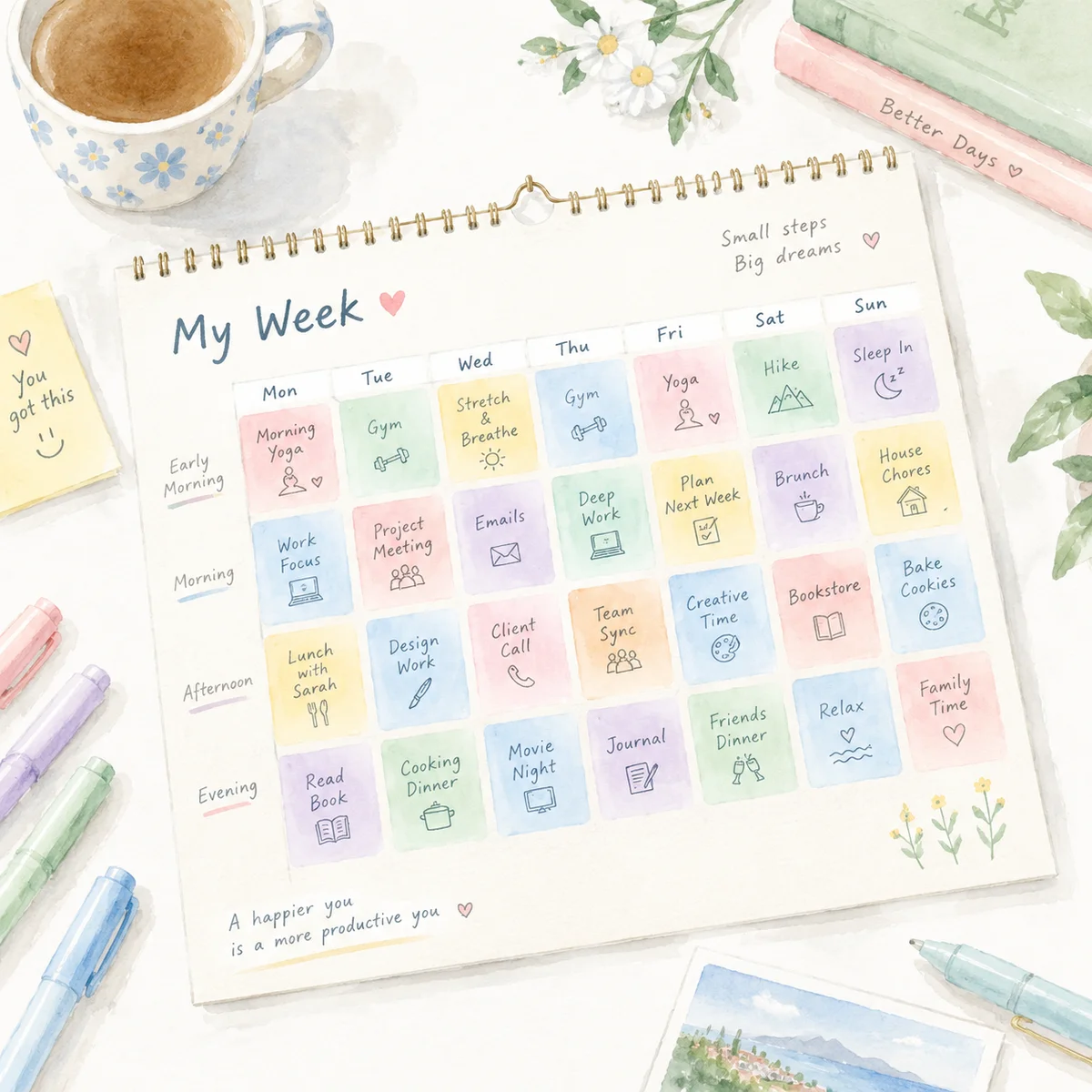
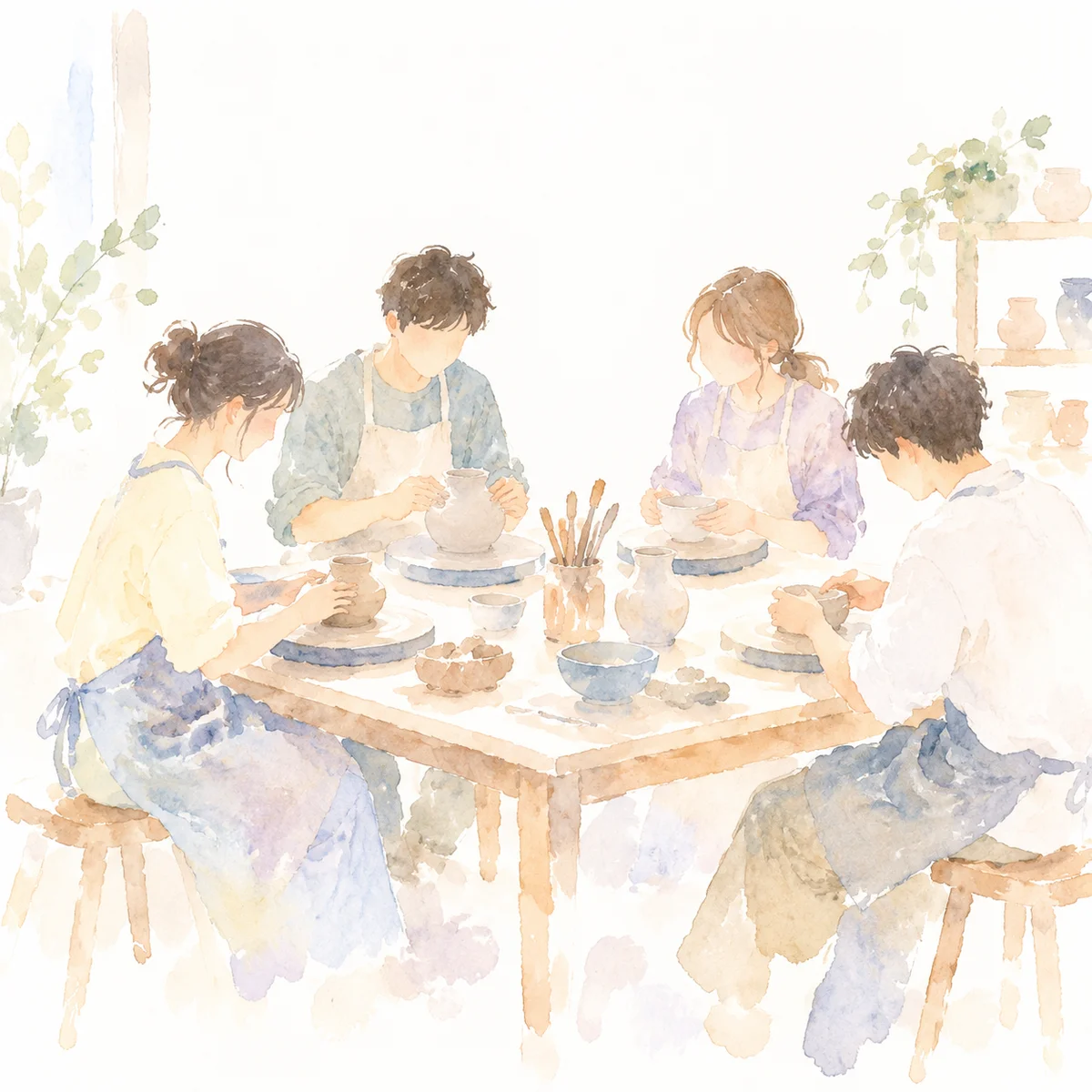
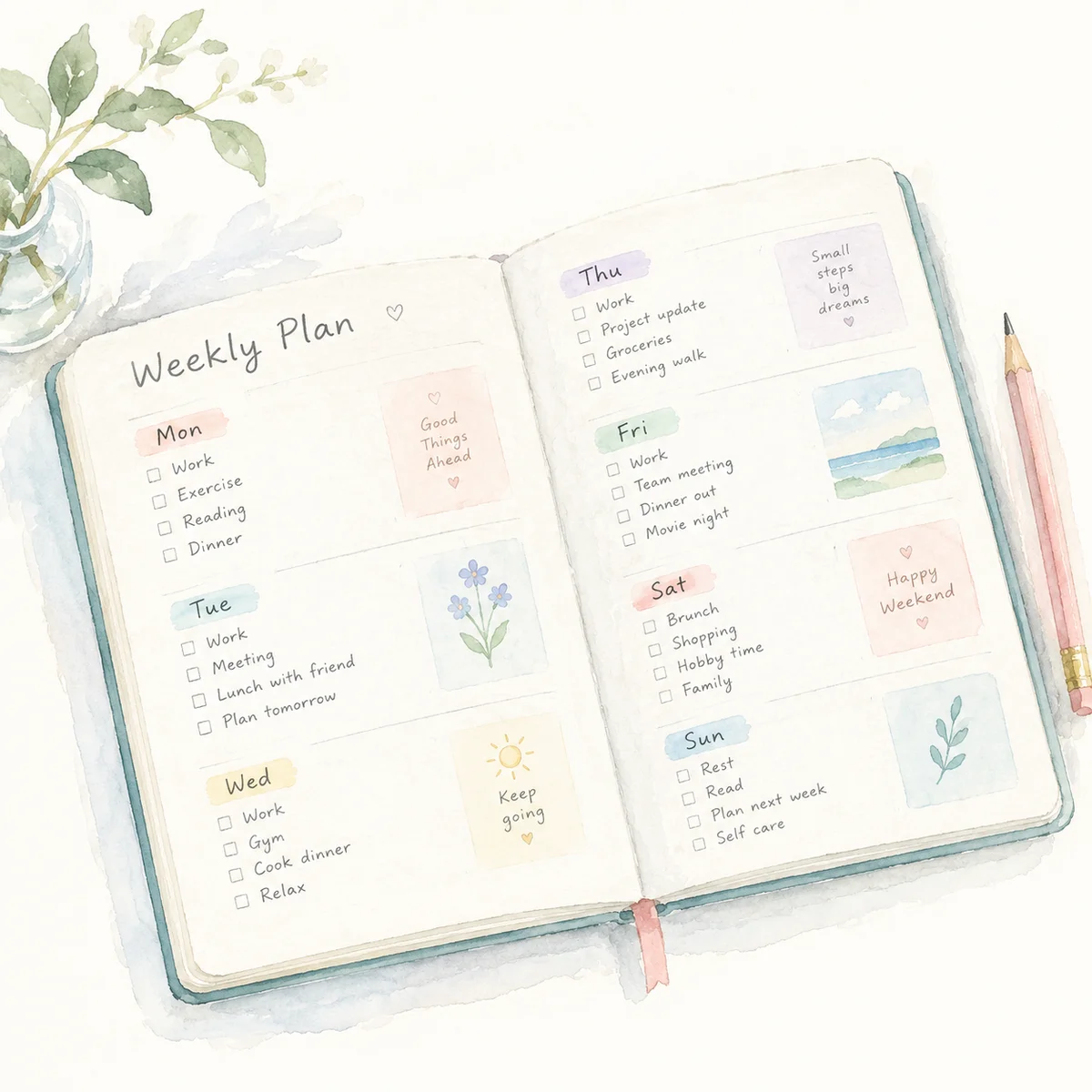
Good intentions do not survive an empty calendar. If solo time is not on the shared calendar as a named, repeating block, it will be the first thing traded away when someone’s parent visits or a partner has a hard week.
- Put it in as a repeating event with a name. ‘Tuesday 7–9: ceramics’ holds far better than a blank gap.
- Treat it like a work commitment: you can move it, you do not cancel it because something nicer came up.
- Give your partners’ blocks the same respect. You being free while they are at their thing is not an invitation.
- Review it monthly. Interests drift, and the block should follow the interest rather than the guilt.
If you are balancing several partners, polyamory time management covers the wider system, and fair scheduling without keeping score handles the fairness arguments that show up when one person’s hobby is simply bigger than another’s.
When a Hobby Becomes a Whole Identity
Sometimes an interest grows into something that eats the rest of your life: a band that tours, a sport that competes every weekend, a qualification that takes two years. That is not automatically a problem, but it does need to be discussed rather than announced through absence.
The useful conversation is about shape, not permission. How many weekends per season? What happens during competition blocks? Is this a phase or a direction? Partners can adapt to a great deal when they have been told what is coming and can plan around it. What they struggle with is discovering it by subtraction, three weekends in a row.
The flip side matters too. If one partner’s hobby is expanding while yours has been quietly shrinking for a year, say that out loud before it becomes resentment. At that point it is a scheduling problem, not a character flaw — and scheduling problems have solutions.

After a Breakup, a Move, or a Pause
Hobbies do double duty during transitions. When a relationship ends or you move cities, the people who were woven into your routine disappear at the same time, and the losses stack on each other.
Interests travel better than relationships do. A running club in a new city, a class at a new studio, a regular slot at a new games night — these rebuild the non-romantic part of your week first, which is usually the part that hurts most. Loneliness in polyamory goes into why that layer matters more than people expect, and Psychology Today’s overview of loneliness is a solid plain-language starting point if you want to read further.
If you are starting from zero, choose something with a fixed schedule and other people physically in the room. Showing up consistently does more for belonging than enthusiasm ever will.
The short version: hobbies in polyamory are not a luxury you earn once everyone else has been looked after. They are part of what makes you worth being around. Put them on the calendar, defend the solo ones hardest, invite people in when the invitation is genuine, and let the rest stay yours.
Editorial note: This article is general relationship information for adults. It is not mental-health or medical advice. If your schedule, mood, or energy feels unmanageable, consider speaking with a qualified professional.
FAQ: Hobbies and Polyamory
How much solo hobby time is reasonable in polyamory?
There is no number that works for every network, but one protected block a week is a common floor. What matters more than the count is that it is named and repeating, so it does not get traded away every time something else comes up.
My partner is jealous of my hobby. What should I do?
Ask what specifically they want. Wanting to join occasionally is a request you can schedule. Wanting to be the only person you do it with is a request to change what the activity means to you, and it is fair to decline that while offering something else.
Can I meet partners through hobby groups?
Yes, and it often works better than apps, because you get to see how someone behaves over months. The condition is that the activity comes first. Show up consistently, let things develop slowly, and accept a no immediately.
What if my hobby takes up most of my weekends?
Talk about the shape of it before it becomes a problem: how many weekends, how long the season lasts, and what happens during the intense blocks. Most partners can plan around a lot when they have been told in advance.