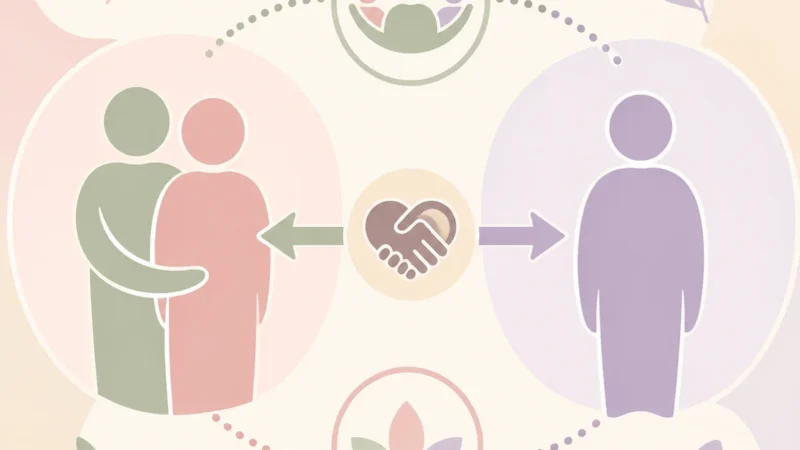
When couples first explore cuckold dynamics, they often assume there’s only one way to do it. The reality is far more nuanced. Cuckolding isn’t a single experience — it’s a spectrum that ranges from private fantasy sharing to fully integrated lifestyle choices. Understanding where you and your partner fall on that spectrum is the difference between a dynamic that strengthens your connection and one that creates confusion.
This guide walks through five distinct cuckold dynamics, what each involves, who it works best for, and how to figure out which one aligns with your relationship. Every dynamic described here assumes enthusiastic consent, clear communication, and mutual respect as the foundation.
Table of Contents
- 1. Fantasy-Only Cuckolding
- 2. Stag & Vixen Dynamic
- 3. Hotwife Dynamic
- 4. Traditional Cuckolding
- 5. Lifestyle-Integrated Cuckolding
- 6. How to Find Your Fit
1. Fantasy-Only Cuckolding
This is the lightest entry point on the cuckold dynamics spectrum — and for many couples, it’s where exploration starts and stays. Fantasy-only cuckolding means the experience lives entirely in conversation, roleplay, or imagination between partners. Nothing happens outside the couple’s private dynamic.
Couples in this dynamic might share fantasies during intimate moments, read cuckold-themed erotica together, or talk about hypothetical scenarios without ever involving another person. The appeal is simple: it adds a layer of psychological excitement without navigating the logistical or emotional complexities of bringing in a third.
Who it works for: Couples who are curious about cuckolding but uncertain about taking real-world steps. Partners who want to explore the mental and emotional dimensions first. Relationships where one person is interested and the other needs time to process — fantasy provides a low-pressure testing ground.
The key to making fantasy-only cuckolding healthy is clarity. Both partners should agree on what “fantasy-only” means for them. Does it include watching cuckold-themed content? Does it extend to flirtatious conversations online? Drawing those lines early prevents the “I thought we were just talking” disconnect later.

2. Stag & Vixen Dynamic
The stag and vixen dynamic is one of the most misunderstood cuckold dynamics. In this arrangement, the male partner (the “stag”) derives excitement from watching or knowing his partner (the “vixen”) is with someone else — but there is no humiliation element involved. Unlike traditional cuckolding, the stag feels pride and shared arousal rather than degradation.
Stag and vixen couples typically describe their dynamic as a shared adventure. The stag is often present during encounters, either watching or participating. The emotional temperature stays warm and affirming. Both partners view the experience as something they’re doing together rather than something being done to one of them.
Who it works for: Couples with strong baseline trust who want to share the excitement of outside exploration without power imbalance. Partners who are turned on by seeing their significant other desired by others but don’t connect that arousal to degradation. If words like “proud,” “shared,” and “together” describe your motivation, stag and vixen may be your fit.
One thing to clarify early: stag and vixen is not the same as traditional cuckolding. The distinction matters because people searching for cuckold content or communities may encounter dynamics that don’t match what they want. Being specific about your dynamic helps you find compatible third partners and avoid mismatched expectations. For a deeper dive into the differences, check out our guide on stag and vixen vs cuckold dating.

3. Hotwife Dynamic
The hotwife dynamic centers on the female partner’s sexual autonomy. In this arrangement, the woman has the freedom to pursue outside connections — with or without her partner present — while the male partner experiences arousal from her experiences. The emotional core is compersion: finding joy in your partner’s pleasure with others.
Unlike stag and vixen, the hotwife dynamic often involves the female partner taking the lead in selecting and connecting with other partners. She may go on solo dates, share details afterward, or involve her partner in the selection process. The male partner’s role varies — some prefer to hear about encounters, others enjoy participating in the screening and communication.
Who it works for: Couples where the female partner wants sexual exploration with autonomy, and the male partner feels secure enough to genuinely celebrate her experiences. Relationships built on strong communication habits and emotional transparency. This dynamic requires the male partner to be honest about his emotional boundaries — compersion is a skill that takes practice, not a switch you flip.
A common pitfall in hotwife dynamics is assuming the male partner “shouldn’t” have difficult feelings. In reality, jealousy, insecurity, and comparison can surface even in couples who’ve been practicing for years. What matters isn’t the absence of those feelings — it’s having a framework to process them. Our article on handling jealousy in cuckold dating offers practical tools for exactly this.

4. Traditional Cuckolding
Traditional cuckolding is what most people picture when they hear the word: a dynamic that incorporates consensual power exchange, often with elements of erotic humiliation or submission. The cuckold partner derives psychological and emotional intensity from the power differential — being “less than” or “denied” within a carefully negotiated container.
This is the cuckold dynamic that requires the most explicit negotiation because it deliberately plays with emotional edges. Couples who practice traditional cuckolding typically establish detailed agreements around what language is acceptable, what scenarios are on the table, and — crucially — what aftercare looks like when the scene ends.
Who it works for: Couples experienced with power exchange dynamics who already have strong communication infrastructure. Partners who can clearly distinguish between consensual scene energy and genuine relationship disrespect. The humiliation element must stay within the agreed-upon container — it’s roleplay, not reality, and both people need to feel the difference viscerally.
If you’re considering traditional cuckolding, start with smaller power exchange scenarios before involving a third partner. Practice the dynamic just between the two of you. Can the cuckold partner handle the emotional intensity? Does the leading partner feel comfortable in that role? Can you both transition smoothly back to equal footing afterward? These questions deserve real answers before bringing someone else into the picture.
For couples new to any form of cuckolding, reading Cuckold Dating 101 provides a solid foundation before exploring more intense dynamics.

5. Lifestyle-Integrated Cuckolding
At the most involved end of the spectrum, lifestyle-integrated cuckolding weaves the dynamic into the fabric of daily life. This isn’t occasional play — it’s an ongoing relationship structure where cuckold themes, rituals, and dynamics are present across weeks, months, or years.
Lifestyle couples might have regular third partners, maintain long-term dynamics with specific individuals, or structure household routines around the arrangement. The dynamic isn’t something they “do” — it’s part of how they relate. Some couples describe reaching a point where the cuckold dynamic feels as natural and integrated as any other aspect of their partnership.
Who it works for: Couples who’ve spent significant time in lighter cuckold dynamics and found that it genuinely enhances their connection. Partners whose identities and relationship satisfaction are aligned with this structure long-term. This isn’t a starting point — it’s where couples arrive after years of gradual exploration.
The risks at this level are different. Burnout, identity fusion (where the dynamic becomes the entire relationship), and social navigation become real considerations. Maintaining a relationship that exists outside the dynamic — date nights, non-cuckold intimacy, shared goals — is essential for sustainability. If you’re interested in how couples keep their primary connection strong, our guide on building trust in cuckold relationships is worth reading.

6. How to Find Your Fit
Finding where you belong on the cuckold dynamics spectrum isn’t about picking a category and forcing yourself into it. It’s about honest self-assessment, open partner conversations, and sometimes trial and adjustment. Here’s a practical framework to help:
- Start with fantasy. Before any real-world steps, spend time exploring the idea together. What turns you on? What makes you uncomfortable? Pay attention to both reactions — they’re equally informative.
- Define your motivation. Ask each other: Why does this appeal to us? Is it about shared excitement, personal freedom, power dynamics, or something else? Your answer points toward the right part of the spectrum.
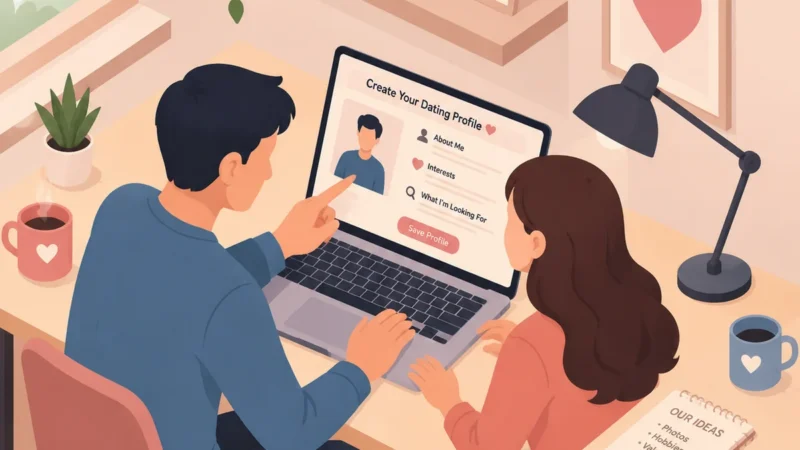
- Test one degree at a time. If you’re in fantasy-only mode, try adding one real-world element (like creating a profile on a cuckold dating platform) and see how it feels before going further.
- Check in relentlessly. After every step — every conversation, every new element — ask: How are we both feeling? Is this bringing us closer or creating distance?
The five dynamics described above sit on a spectrum, and most couples don’t fit perfectly into one box. You might be “fantasy-only with occasional stag and vixen exploration” or “hotwife-leaning with some traditional elements.” The label matters less than the alignment between what you want and what you’re actually doing.
Cuckold Dynamics at a Glance
| Dynamic | Humiliation? | Partner Present? | Intensity Level | Best For |
|---|---|---|---|---|
| Fantasy-Only | No | N/A | Low | Curious beginners |
| Stag & Vixen | No | Often | Medium | Shared-adventure couples |
| Hotwife | No | Optional | Medium-High | Autonomy-focused partners |
| Traditional | Yes (negotiated) | Varies | High | Power-exchange experienced |
| Lifestyle | Varies | Varies | Highest | Long-term aligned couples |
Wherever you land on the spectrum, the fundamentals don’t change: enthusiastic consent, ongoing communication, and genuine respect for every person involved. The dynamic you choose matters less than how you practice it. According to research on the psychology of cuckolding, couples who approach these dynamics with clear communication and mutual care report higher relationship satisfaction than those who skip the groundwork.
Editor’s note: This article was written to help couples and individuals understand the spectrum of cuckold dating dynamics. All dynamics described assume enthusiastic consent from all parties. For more guidance on ethical cuckold dating, explore our complete resource library here at 3Cupid.