You’ve matched with someone. The messages have been good. There’s mutual interest and the conversation has moved past the small talk stage. Now comes the step that makes plenty of couples freeze up: meeting in person for the first time.
This isn’t the threesome itself — it’s the introduction. A low-pressure meeting where everyone gets to see if the chemistry translates offline. And honestly? How you handle this step often determines whether the whole experience happens at all. Nail the first meeting, and you build trust. Mess it up, and you’ll likely never hear from that person again.
Meeting a potential third isn’t exactly like a regular first date, but it’s also not a job interview. It lives somewhere in between — and getting that balance right is what this guide is about.
Table of Contents
- Why the First Meeting Matters More Than You Think
- Where to Meet — and Where Not To
- What to Talk About (and What to Save for Later)
- Reading the Room: Signs It’s Going Well
- After the Date: Next Steps Without the Pressure
- The Pre-Meeting Checklist Every Couple Should Run Through
Why the First Meeting Matters More Than You Think
Some couples treat the first meeting like a formality — something to get through before the “real” event. That’s a mistake. For the single person, this meeting is the test. It’s where they decide whether you’re safe, whether both partners are genuinely on board, and whether the vibe matches what your messages promised.
Think about what’s at stake for them. They’re walking into a room with two people who have an established relationship. They’re outnumbered in every sense — socially, emotionally, sometimes even physically. The first meeting is their chance to answer one core question: “Do I feel good about this?”
If you’ve already read our guide on what to expect from a first threesome, you know that preparation shapes outcomes. The same principle applies here — except the “preparation” is less about logistics and more about creating emotional safety from the very first handshake.

Where to Meet — and Where Not To
Location sets the tone. Pick wrong, and you’re starting from behind. Here’s what works and what doesn’t:
Good choices: A casual coffee shop, a quiet bar with seating, a walkable park, a low-key restaurant with small plates to share. The common thread: public, daytime or early evening, easy to leave, and conducive to conversation — not loud music or dark corners.
Bad choices: Your home (too much pressure, too private), a loud club (can’t talk), a formal dinner (feels like an audition), anywhere remote or requiring a long drive together (removes the exit option). Never suggest meeting at your place for a first introduction — it signals that you’re skipping the safety step, and most singles will interpret that as a red flag.
One practical tip: let the single person choose the location or at least weigh in. It’s a small gesture that communicates a lot. It says: “Your comfort matters, and you have agency here.”
What to Talk About (and What to Save for Later)
The goal of this conversation is connection, not negotiation. You’re not finalizing terms — you’re seeing if you actually enjoy each other’s company. Keep it light, keep it human, and follow the natural flow.
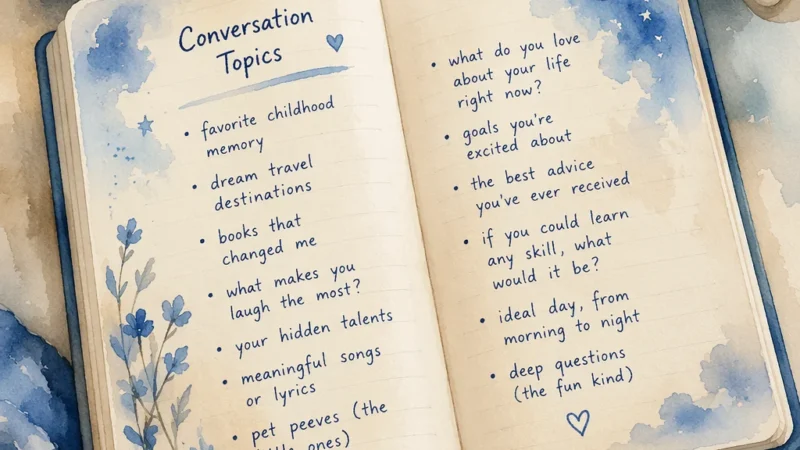
Good topics for the first meeting: Interests and hobbies, travel stories, what you enjoy doing in your free time, how you each got into non-monogamous dating, funny anecdotes, shared tastes in music or food. Basically: anything you’d talk about on a normal first date.
Save these for later conversations: Detailed sexual preferences, past threesome play-by-plays, specific boundaries about physical acts (high-level is fine — “we prefer to take things slow” counts as high-level), complaints about previous partners or thirds, and any pressure to commit to a next step.
One question that almost always lands well: “What’s been your experience with this kind of dating so far?” It’s open-ended, it shows genuine curiosity, and it gives the single person space to share whatever they’re comfortable sharing — which could be a lot or very little.
For more on navigating these conversations once things progress, our guide on how to communicate during a threesome picks up where the first meeting leaves off.

Reading the Room: Signs It’s Going Well
You can’t script chemistry, but you can learn to spot it. Here are the green flags that suggest the first meeting is heading in a good direction:
- Everyone is talking to everyone. Not just the more outgoing partner carrying the conversation while the other sits quietly. If the single person is engaging with both of you equally, that’s the best sign there is.
- Laughter comes naturally. Not forced politeness, but real moments of humor and ease.
- Body language is open. Leaning in, uncrossed arms, sustained eye contact — these are unconscious signals of comfort.
- The conversation goes longer than planned. When someone checks their phone and says “oh wow, it’s been two hours” — that’s the meeting you want.
- Someone brings up a next step unprompted. If the single person says “we should do this again” before you do, that’s about as clear a signal as you’ll get.
And the red flags? One partner dominating, the single person looking at their phone repeatedly, short answers that don’t invite follow-up, visible tension between the couple, or anyone seeming distracted or disengaged. If you notice these, wrap up gracefully — thank them for their time, and let the connection breathe. Not every meeting becomes something more, and that’s okay. For a deeper dive into safety signals, our guide on how to verify a third partner before meeting covers the pre-meeting screening phase in detail.

After the Date: Next Steps Without the Pressure
The meeting is over. Now what? This is where many couples stumble — either by going radio silent (confusing) or by immediately pushing for the next step (pressuring).
The same evening: Send a brief, warm message. Something like: “Really enjoyed meeting you tonight — thanks for making the time. Hope you got home safe!” That’s it. No agenda, no follow-up questions, no pressure. Just acknowledgment.
The next day: Check in with each other as a couple first. How did you both feel? Any concerns? Any misaligned impressions? Get on the same page before you reach out again. If one of you is uncertain, honor that — don’t override it because the other partner is excited.
When you do reach out again: Be direct about where you stand. “We had a really nice time and we’d love to see you again if you’re interested. No rush — let us know what you’re thinking when you’re ready.” This makes your interest clear while leaving the door open for them to set the pace.
And if the chemistry wasn’t there? Say so kindly. “We really enjoyed meeting you but we’re not sure the connection is quite what we were looking for. We wish you the best.” It might feel awkward, but it’s far more respectful than ghosting — and it’s exactly the kind of behavior that builds a good reputation in this community.

The Pre-Meeting Checklist Every Couple Should Run Through
Before you walk out the door, make sure you’ve covered these bases. This checklist is built from the collective wisdom of couples who’ve been through this — and singles who’ve been on the receiving end of both good and bad first meetings.
- Are both of us genuinely excited? Not just willing, not just going along with it — actively looking forward to meeting this person. If one partner is hesitant, pause and talk it through.
- Have we agreed on what tonight is and isn’t? This is a get-to-know-you, not a guarantee of anything more. Both partners should be aligned on that.
- Did the single person choose or approve the location? Agency starts with small decisions like where to meet.
- Do they have their own transportation? Never assume they’re comfortable sharing a ride — confirm they have an independent way to arrive and leave.
- Have we discussed who pays? The couple typically offers to cover drinks or the meal — it’s a hosting gesture, not a transaction.
- Do we know our own boundaries for tonight? What’s the latest we want to stay out? What happens if one of us wants to leave early? Having answers to these prevents awkwardness in the moment.
- Have we planned something low-key for after? Whether the meeting goes great or falls flat, having a plan to decompress together afterward — even just grabbing late-night tacos — reinforces your primary connection.
- Are we prepared for any outcome? They might cancel last minute. They might not look like their photos. The vibe might be off. Or it might be amazing. Mentally rehearse all scenarios so none of them throw you.

Meeting a potential third doesn’t have to be nerve-wracking. Most of what makes it go well isn’t about being smooth or saying the perfect thing. It’s about being prepared, being present, and treating the person across from you like someone whose time and comfort matter as much as your own.
For the complete picture — from finding matches to establishing trust to navigating the experience itself — start with our pillar guide on how to find a third for a threesome safely. And if you want to make sure your approach is grounded in good etiquette from start to finish, our threesome etiquette guide covers the ground rules that make the whole experience better for everyone.

Editor’s note: This article draws on community experiences and established relationship advice. All content is for informational purposes and intended for readers 18+. Individual experiences vary — trust your instincts and prioritize safety in every interaction.