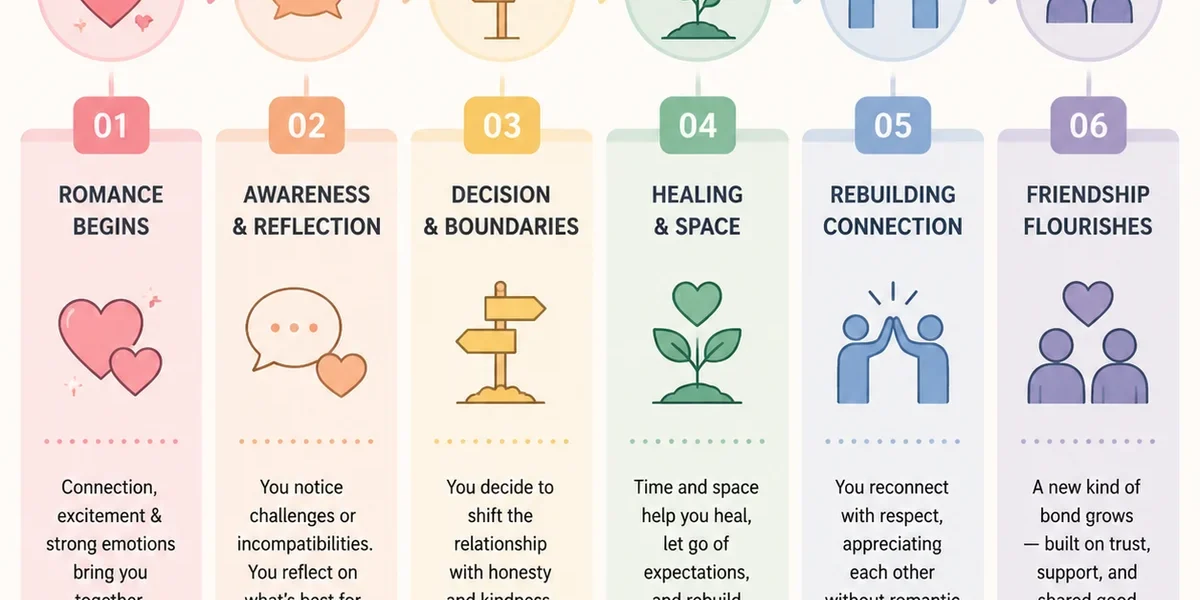
Threesome arrangements end for all kinds of reasons. Someone moves away. A couple decides to focus on each other. The chemistry fades. Or the dynamic simply ran its natural course. When that happens, there’s a question that doesn’t get asked enough: can you stay friends after a threesome arrangement ends — and if so, how?
For many people, the default assumption is that once the arrangement is over, so is the relationship. You go your separate ways, delete the messages, and move on. But that assumption misses something important — namely, that you built a genuine human connection with this person. They’re not a prop you discard. The question deserves a real answer, and the answer is: yes, staying friends is possible. It just requires intention, timing, and a willingness to rewrite the script.
Why Most People Don’t Even Try (And Why They Should)
The simplest reason people default to a clean break is that it’s easier. No awkward transitions. No navigating “what are we now.” No risk of one person hoping for more while the other has moved on. Clean breaks feel safe.
But clean breaks also mean losing someone who understood a specific chapter of your life — someone who saw you in a context few others ever will. According to research covered by VeryWell Mind, the emotional bonds formed in consensually non-monogamous dynamics can be as meaningful as those in traditional relationships, even when the arrangement itself is temporary. Walking away from that completely is a loss, and it’s worth asking whether you want to absorb that loss when a friendship might be possible instead.
Trying for friendship isn’t about avoiding discomfort. It’s about honoring the connection for what it was — and what it could still be, in a different form.
The Emotional Reset Period — How Long Should You Wait?
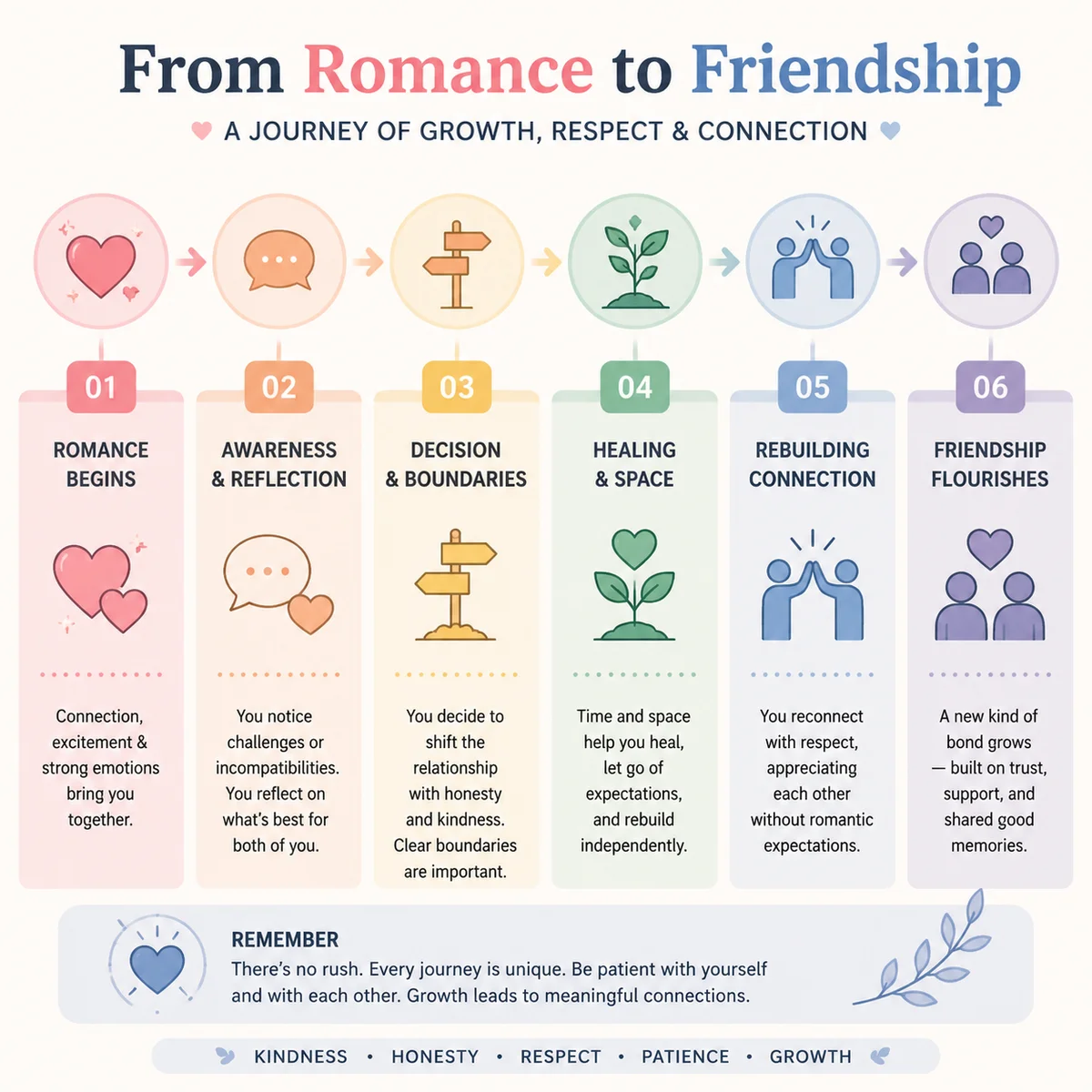
If you try to jump straight from “we’re ending our arrangement” to “let’s grab coffee as friends,” you’re setting yourself up for confusion at best and hurt feelings at worst. There needs to be a gap — an emotional reset period where everyone recalibrates.
How long depends on the depth of your involvement. A casual arrangement that lasted a few dates might need a couple of weeks. A recurring dynamic that spanned months, with genuine emotional investment, might need several months of distance before friendship feels natural rather than forced.
During this reset period, resist the urge to check in. No “just saying hi” texts. No liking each other’s social media posts as a way to stay on the radar. The point of the gap is to let the old dynamic fully dissolve so that when you reconnect, you’re not dragging remnants of the arrangement into the friendship. Learning how to end a threesome arrangement respectfully includes giving space — not just to yourself, but to everyone involved.
Checking In With Everyone (Including the Third)
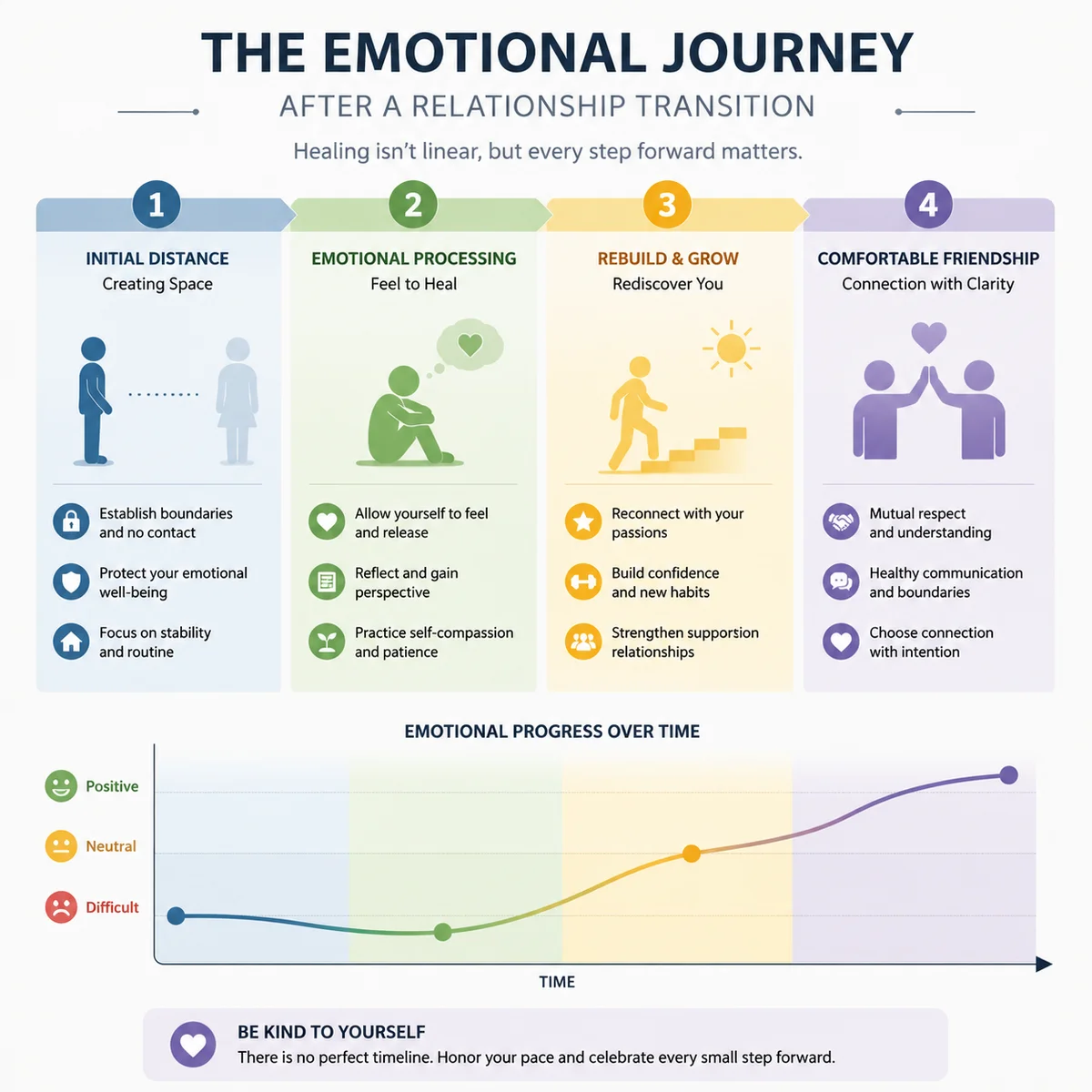
Before you decide friendship is the goal, ask everyone involved: your partner, yourself, and — crucially — the third. Too often, couples make this decision between themselves and present it to the third as a done deal. That’s a fundamental mistake. The third had an equal role in the arrangement, and their feelings about transitioning to friendship carry equal weight.
Be prepared for an answer you didn’t want. The third might say they need a complete break, with no contact. They might say they’d like friendship but not yet. They might even say they were hoping the arrangement would continue. None of these answers are wrong. Your role isn’t to persuade — it’s to listen and respect the response you receive.
If you’re the couple, have this conversation between the two of you first. Are you on the same page about wanting friendship? Does one of you want to maintain contact while the other prefers a clean break? These differences need to be resolved before you approach the third — presenting a unified front isn’t just courteous, it’s essential for the friendship to have any chance.
Redefining the Relationship: What “Friends” Actually Means Now
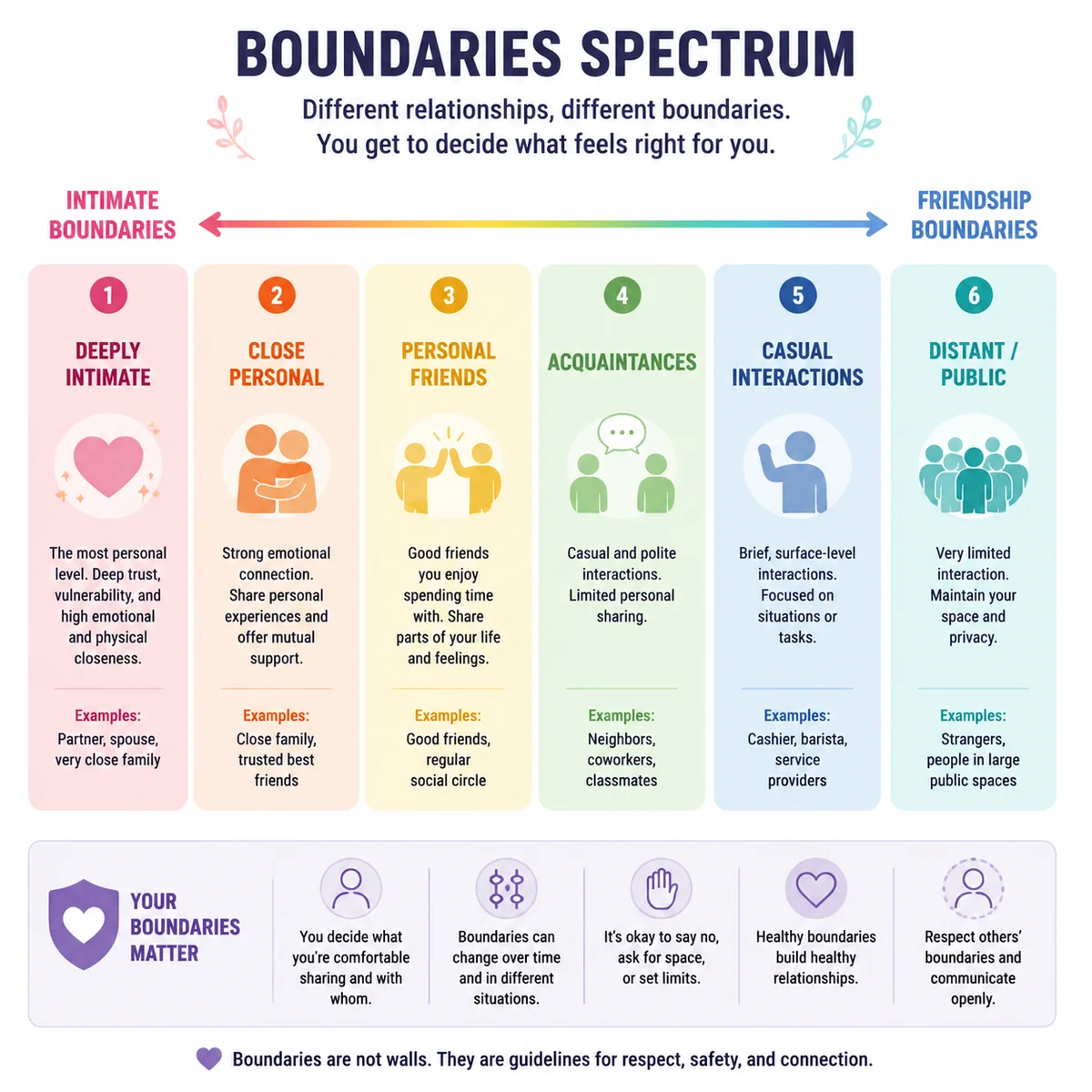
“Let’s stay friends” is an easy thing to say. Living it out requires specificity. What kind of friends are you? The kind who grab dinner once a month? The kind who text occasionally but don’t hang out in person? The kind who can attend each other’s parties without it being weird?
Be concrete. If you used to spend evenings together after dates, decide now: are you still doing that, or does friendship mean daytime coffee only? If you used to share details about other relationships, does that continue or stop? If physical contact was part of the dynamic, what’s the new rule — a hug when you meet in public, or a handshake?
These might sound like minor details, but they’re the difference between a friendship that feels clear and one that’s constantly tugging at old patterns. This is similar to the work couples do when transitioning from ENM to monogamy — the old rules no longer apply, and new ones need to be built deliberately.
| Area | During Arrangement | As Friends |
|---|---|---|
| Communication frequency | Daily or near-daily | Weekly or occasional check-ins |
| Physical contact | Intimate | Platonic (hug, handshake, or none) |
| Time together | Evenings, private settings | Daytime, public places |
| Emotional sharing | Deep, relationship-oriented | Lighter, friendship-appropriate |
| Topic boundaries | Open discussion of dynamic | No reminiscing about intimate past |
| Partner involvement | All three together | One-on-one or group, as comfortable |
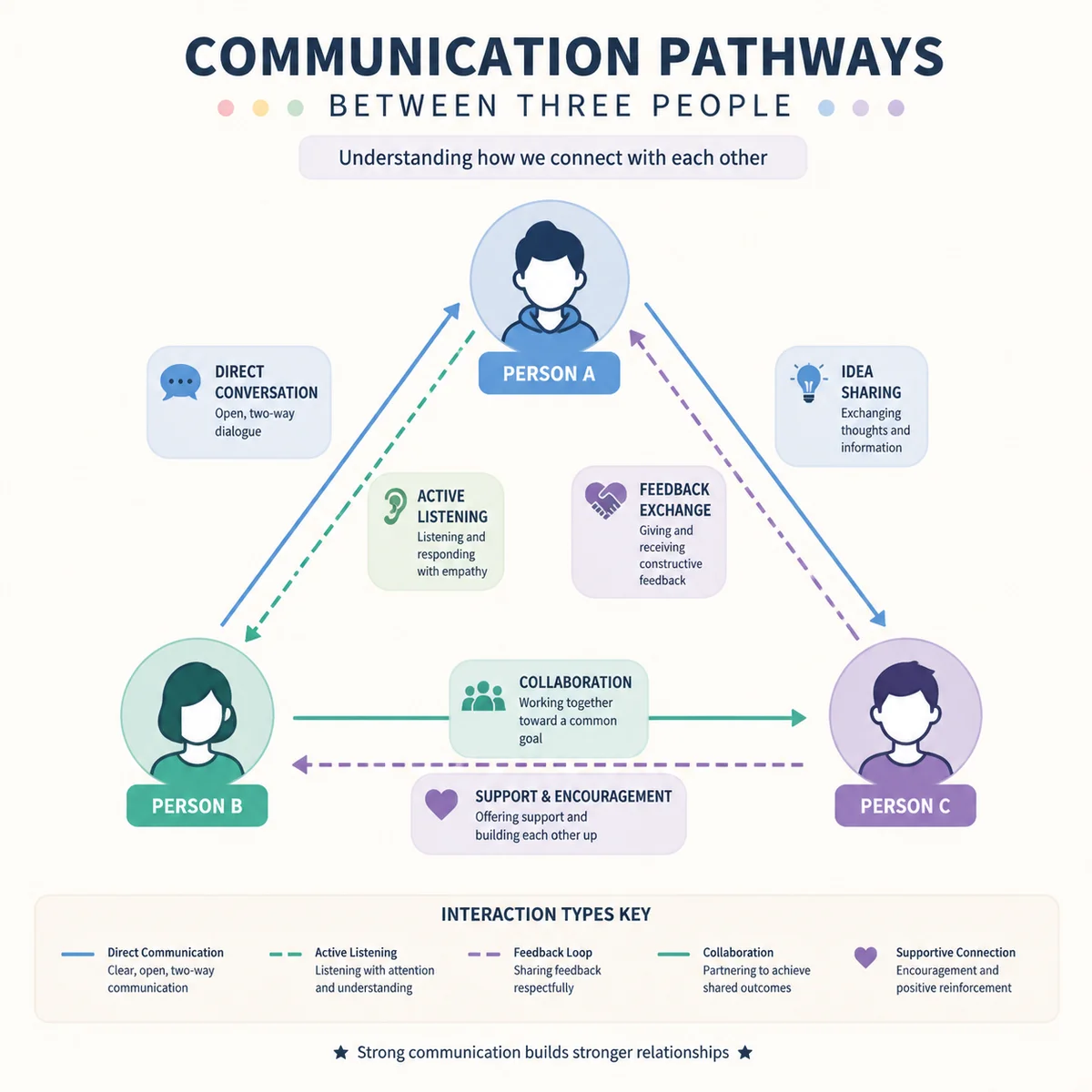
New Boundaries That Make Friendship Possible
The old boundaries — the ones that governed your arrangement — are no longer relevant. You need new ones specifically designed for friendship. Here are the ones that tend to matter most:
No reminiscing about the intimate past. Talking about what happened during the arrangement keeps one foot in the old dynamic. If you’re genuinely building a friendship, the present and future matter more than the shared history. This doesn’t mean pretending it never happened — it means not treating those memories as the foundation of your current connection.
Your partner always knows when you’re in touch. Secrecy is corrosive even in friendships. If you’re texting the former third, your partner should know — not because they need to approve every interaction, but because transparency prevents suspicion from taking root. The same goes in reverse if you’re the third staying friends with a couple.
Public settings only, at least initially. Meeting in private recreates the old context. Meeting for coffee or lunch in a public place establishes a new one. After a few months of public-only interactions, if the friendship feels genuinely platonic and uncomplicated, you can revisit this boundary. But don’t rush it. When dynamics go badly, recovering from a threesome that went wrong is far more work than preventing the situation in the first place.
What to Do When One Person Isn’t Ready
Sometimes the desire for friendship isn’t mutual. One person wants to stay connected. Another needs distance. This is where things get delicate.
If you’re the one who wants friendship and the other person doesn’t, don’t push. Express your desire once, clearly and without guilt, then respect the answer. Continuing to reach out after someone has said they need space isn’t persistence — it’s boundary violation. If you’re the one who needs space, say so directly rather than ghosting or hoping they’ll figure it out. “I value what we shared, but I’m not ready for friendship right now. I’ll reach out if that changes” is honest, kind, and definitive.
This is also where couples need to be especially careful. If your partner wants friendship with the former third and you don’t, or vice versa, you have a conflict that needs resolving between the two of you before anything else. The principle here is the same one that governs all ethical non-monogamy: the primary relationship’s agreement comes first. If you can’t align on this, the safer default is no friendship for now.
Signs the Friendship Is Working (And When to Let Go)
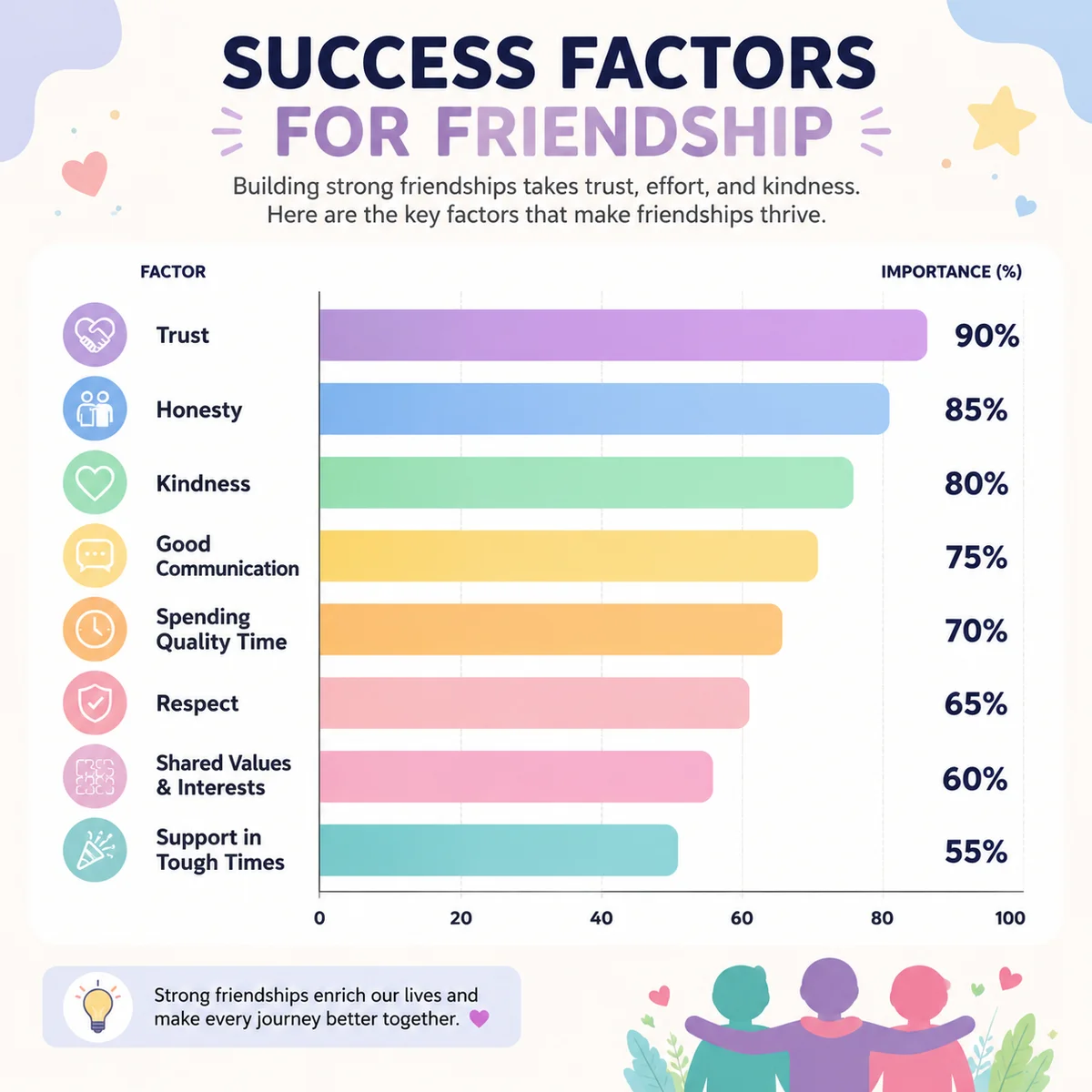
A successful post-arrangement friendship isn’t one where things feel exactly like they did before. It’s one where the new dynamic feels natural — not forced, not painful, not confusing.
Signs it’s working: interactions don’t trigger longing or jealousy. You genuinely care about their life updates without a hidden agenda. Your partner feels secure about the friendship rather than threatened by it. You can go weeks without contact and pick up without awkwardness. The friendship exists on its own terms, not as a consolation prize for the arrangement ending.
Signs it’s not working: someone is clearly hoping the arrangement will restart. Contact creates emotional turbulence rather than ease. Your partner’s discomfort is growing rather than fading. The “friendship” feels like a way to avoid fully letting go. If these signs are present, it may be time to accept that staying friends isn’t the right path — and that’s okay. Not every connection is meant to last in every form. Sometimes the most respectful thing you can do is acknowledge that what you had was good for the season it existed in, and let it rest there.
Friendship Readiness Checklist
- The arrangement has been clearly and mutually ended — no ambiguity
- An emotional reset period (weeks to months) has passed with no contact
- You’ve asked yourself honestly: “Do I want friendship, or am I hoping the arrangement resumes?”
- Your partner is genuinely comfortable with the idea — not just going along
- The former third has been asked (not assumed) about their interest in friendship
- New boundaries specific to friendship have been discussed and agreed on
- You’ve defined what “friendship” concretely means: frequency, settings, topics, physical contact
- You’re prepared for the possibility that it may not work — and that’s acceptable
Why It’s Worth Trying
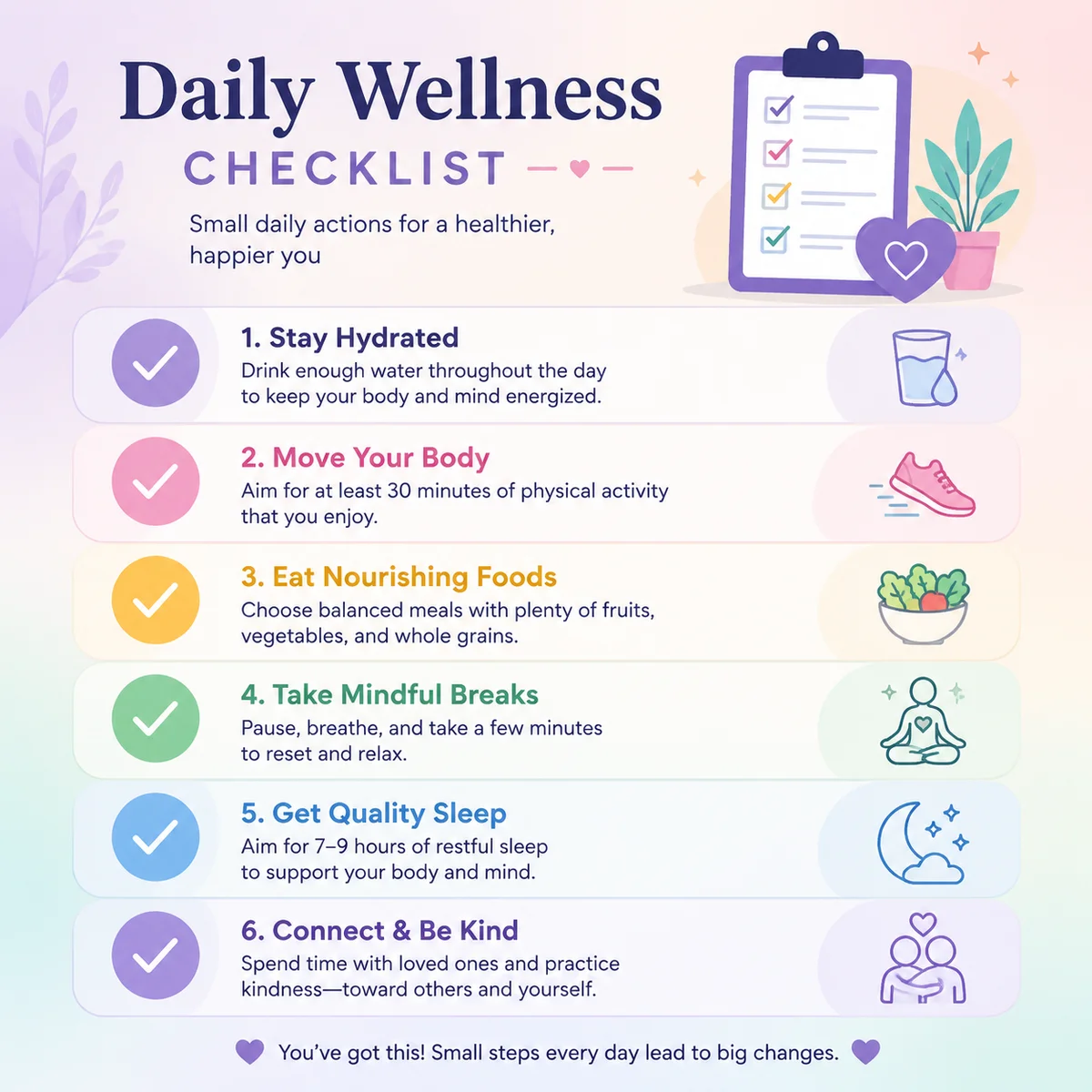
Staying friends after a threesome arrangement ends isn’t always possible, and it shouldn’t be forced. But when the conditions are right — when everyone genuinely wants it, when sufficient time has passed, when new boundaries are clear — the result can be something rare and valuable: a friendship built on a foundation of trust that most friendships never get the chance to develop.
You’ve already navigated vulnerability, communication, and complex emotions together. Those are the same skills that sustain deep friendships. The context changed, but the connection doesn’t have to disappear with it. If you’re navigating the ending of an arrangement and wondering what comes next, the door to friendship isn’t automatically closed. It just requires everyone to walk through it at their own pace, with their eyes open. For couples and singles approaching ethical non-monogamy with intention, learning how to handle emotional complexity — including when your partner develops feelings for the third — builds exactly the kind of communication muscle that makes post-arrangement friendship possible.
If you’re exploring threesome dating and want to connect with people who value respect and communication as much as chemistry, you can start right here at 3Cupid.
Editorial note: This article provides general guidance on navigating post-arrangement relationships. Individual circumstances vary, and there is no single correct approach. If you’re experiencing significant emotional difficulty, consider speaking with a therapist familiar with non-monogamous relationship structures.