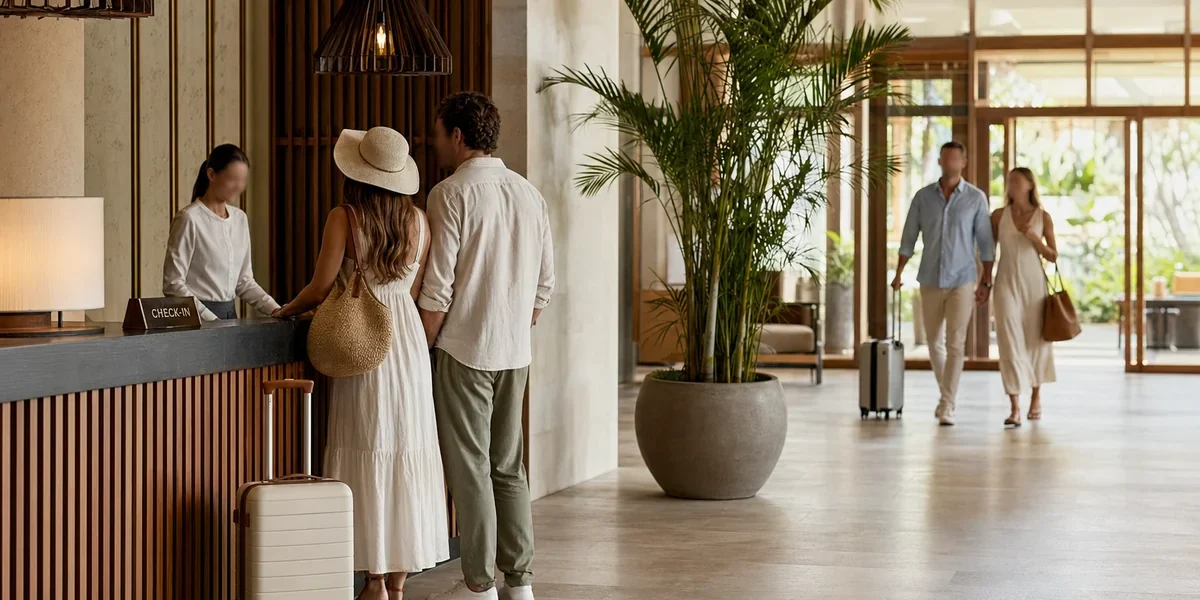
If you have ever scrolled through photos of a lifestyle resort and wondered what actually happens behind those palm-fringed walls, you are not alone. The world of swingers resorts and hotel takeovers can seem like a parallel universe from the outside — glamorous, intimidating, and entirely unknowable until you step through the door. Here is what the brochures do not tell you: the reality is far more ordinary, far more social, and far less pressure-filled than most first-timers imagine.
This guide walks through everything you need to know before booking your first lifestyle resort stay or hotel takeover — from choosing the right type of event to understanding the unspoken social norms that govern these spaces. Whether you are a curious couple who has never attended a lifestyle event or experienced swingers looking to try a dedicated resort for the first time, the information here will help you walk in feeling prepared rather than panicked.
Table of Contents
- Resorts vs. Takeovers vs. Clubs: The Landscape
- What Actually Happens at a Lifestyle Resort
- How to Choose the Right Resort or Event
- The Social Rhythm of a Resort Stay
- Boundaries and Safety at Lifestyle Resorts
- After the Experience: Returning Home
Resorts vs. Takeovers vs. Clubs: Understanding the Landscape
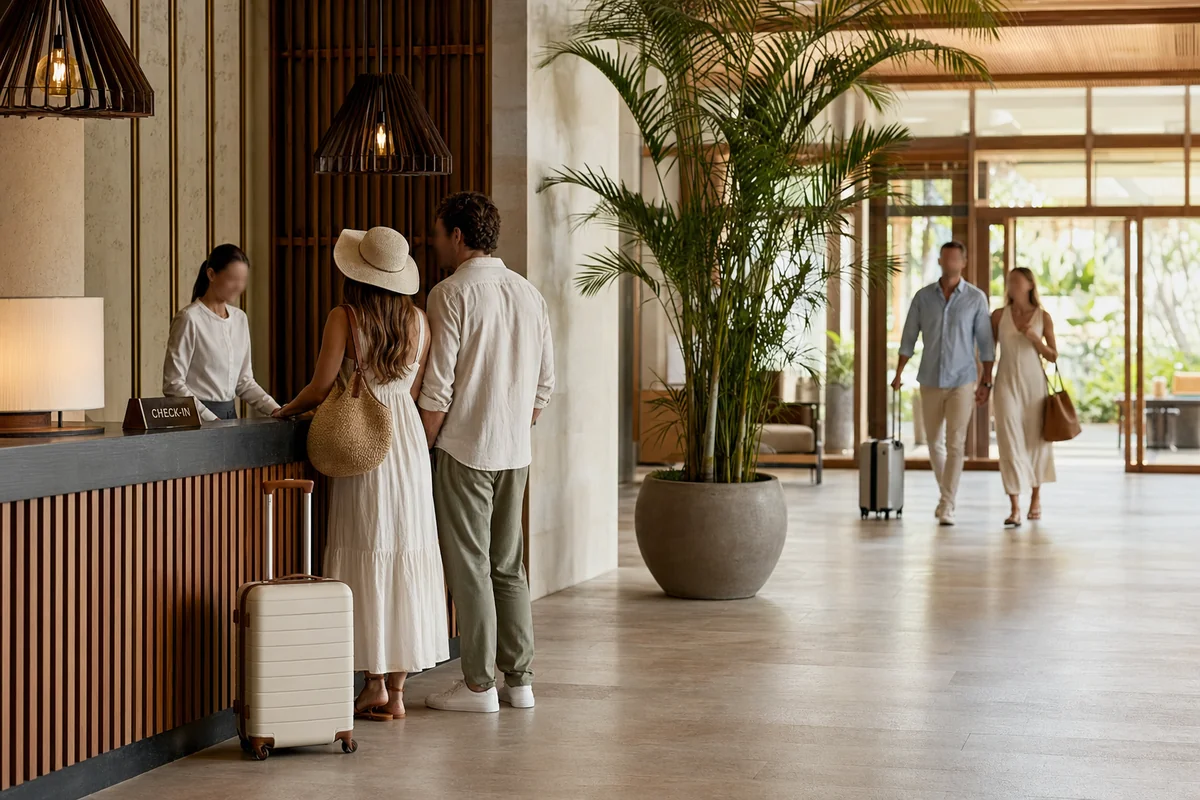
Before booking anything, it helps to understand the three main formats available to lifestyle travelers. Each offers a distinctly different experience, and what works for one couple may feel completely wrong for another.
Dedicated lifestyle resorts — places like Desire Riviera Maya, Hedonism II, or Caliente — are full-time lifestyle properties. The entire resort operates with lifestyle norms: clothing-optional areas, play spaces, themed parties, and a social atmosphere where non-monogamy is the default assumption rather than an exception. These resorts range from upscale and romantic to party-focused and high-energy. The advantage is consistency — everyone on property shares the same basic understanding of the space, and staff are trained to handle the unique dynamics of lifestyle guests. The potential downside for first-timers is the immersion: once you check in, you are in it for the duration of your stay.
Hotel takeovers are temporary events where a lifestyle group books every room in a standard hotel for a weekend or a few days. The hotel temporarily operates as a lifestyle space — clothing-optional pool areas, themed parties in the ballroom, play spaces set up in converted conference rooms — but returns to normal operations when the event ends. Takeovers offer more variety in budget and location since they can happen anywhere. They also tend to attract a specific community, so returning to the same takeover each year can feel like a reunion. The shorter duration is appealing for first-timers who want a contained experience with a clear endpoint.
Lifestyle-friendly hotels and boutique properties occupy a middle ground — they are not exclusively lifestyle-focused but actively welcome the community and may host events or offer clothing-optional areas. These are ideal for couples who want a more low-key introduction without the full-resort experience. Before attending any of these venues, reviewing etiquette basics for swinging venues will help you understand the norms that apply across all three formats.
What Actually Happens at a Lifestyle Resort
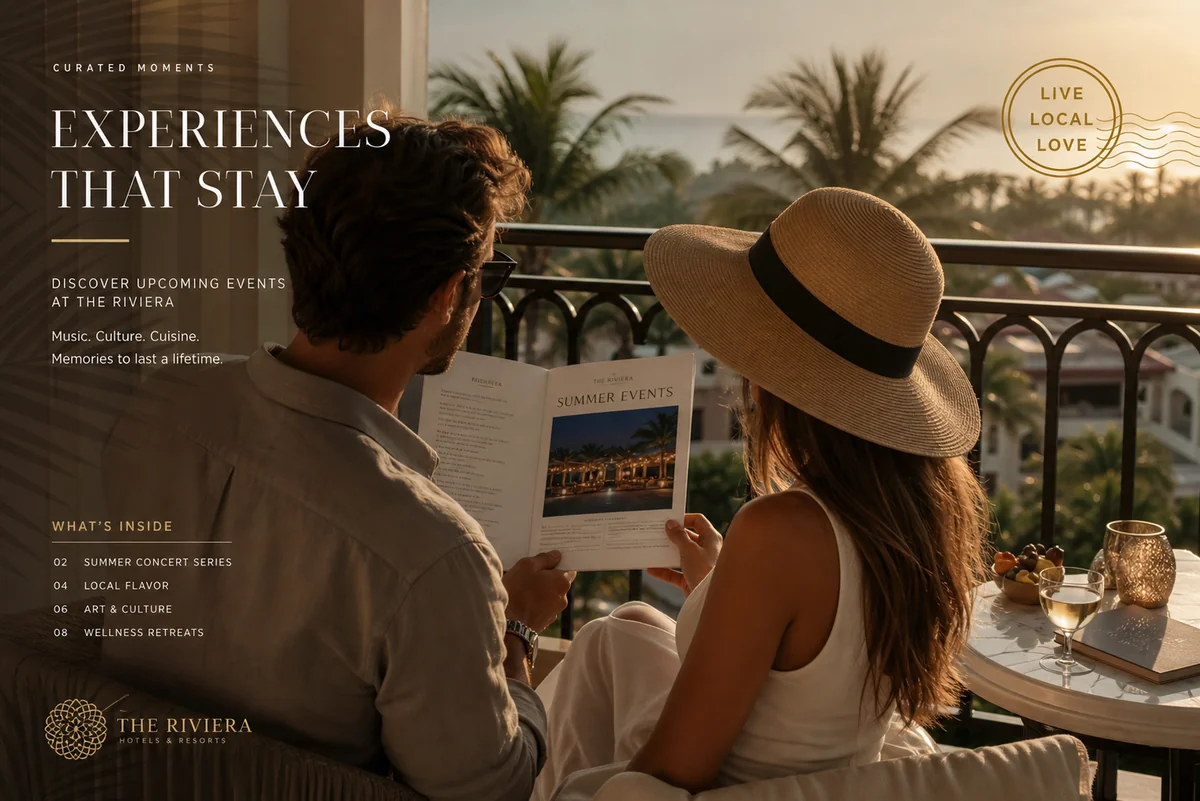
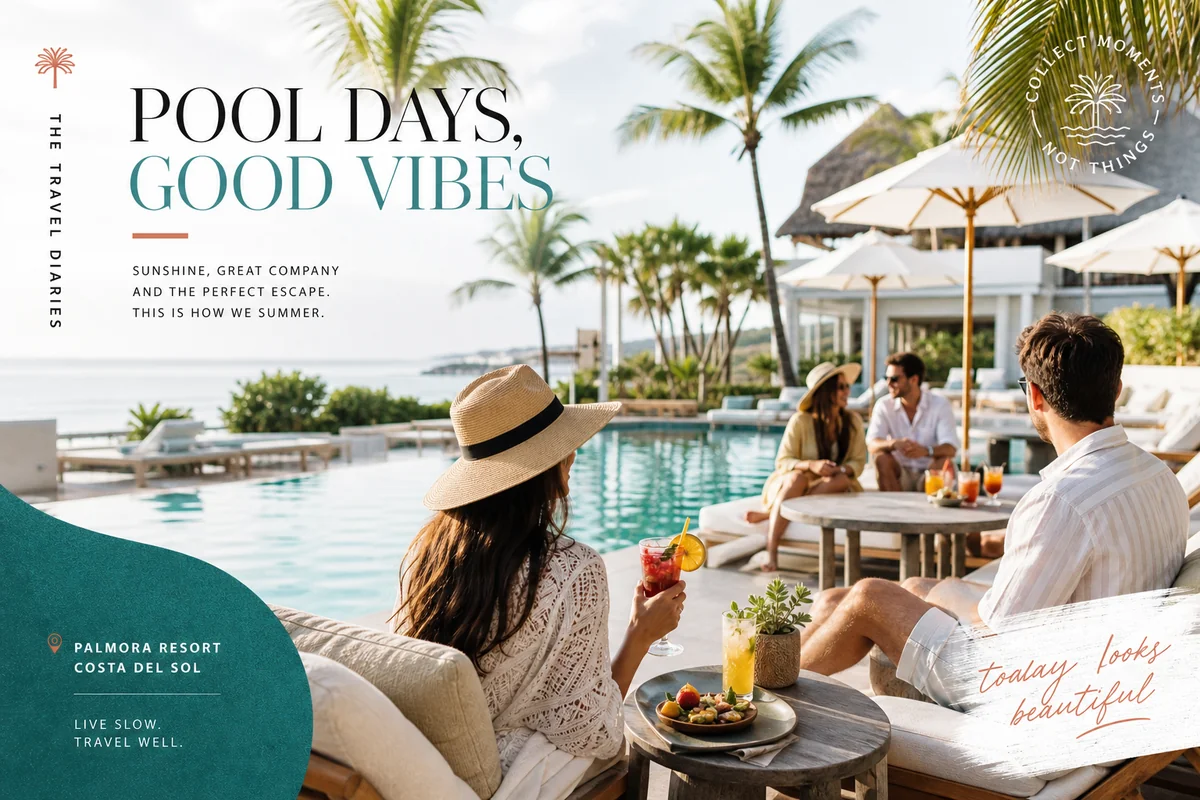
If your mental image of a swingers resort comes from movies or sensationalized media, prepare for a recalibration. The daytime at most lifestyle resorts looks remarkably like any other vacation. People are at the pool, reading books, napping on loungers, ordering drinks, and making small talk. The difference is that the pool area might be clothing-optional, the conversation might be more candid, and the people you chat with at lunch might become friends you dance with at the evening theme party.
Evenings follow a predictable rhythm: dinner, a theme party (think “glow night,” “toga,” or “erotic masquerade”), socializing at the bar or disco, and then — for those who choose to — playtime in designated areas. The crucial detail that surprises most newcomers is how much of the experience is simply social. You can go to a lifestyle resort, attend every party, meet dozens of people, and never engage in any sexual activity beyond your own relationship. Plenty of guests do exactly that. The environment is permissive, not mandatory. No one is tracking whether you “participate enough,” and anyone who pressures you is violating the core norms of the space.
Play areas are typically separated from social areas, often requiring a specific wristband or key access. This physical separation is intentional — it means the pool and bar remain social, public spaces where nothing explicit is happening. You can enjoy the full resort experience without ever stepping into a play area, and many first-timers do exactly that on their initial visit. Knowing how to dress appropriately for lifestyle events helps you feel confident whether you are in the social spaces or attending the evening theme parties.
How to Choose the Right Resort or Event for You
Not all lifestyle resorts and takeovers are created equal — and not all of them will be a good fit for you. The choice comes down to a handful of practical factors that are worth weighing carefully before you hand over your credit card.
Atmosphere and crowd. Some resorts lean heavily into the party scene with DJs, foam parties, and a younger, high-energy crowd. Others emphasize romance, relaxation, and a more mature demographic. Read recent reviews — not the polished marketing copy on the resort’s website — to get a sense of the actual vibe. Pay attention to what reviewers say about age range, energy level, and how welcoming the atmosphere felt for newcomers.
Clothing-optional vs. nude vs. lifestyle. These are three different things. A clothing-optional resort simply means you are allowed to be nude in designated areas — it says nothing about sexual activity. A nude resort is exactly what it sounds like. A lifestyle resort explicitly welcomes consensual non-monogamy and provides play spaces. Some properties blur these categories, so read the fine print. If you want a lifestyle resort, book one. If you accidentally book a nude resort, you may find yourself surrounded by very relaxed retirees with zero interest in anything beyond sunbathing.
Budget and duration. Lifestyle resorts range from roughly $300 to $800+ per night for a couple, with all-inclusive being the norm at the higher end. Hotel takeovers are often more affordable per night but require booking the full event duration. Factor in flights, theme party outfits, and the inevitable “we need a fancy dinner before the big party” splurge. For first-timers, a three- or four-night stay is usually ideal — long enough to settle in and experience the rhythm, short enough that you are not trapped if it is not your scene. Many travelers start by researching how to find lifestyle communities and connecting with people who have been to the resorts they are considering, which provides honest insights no brochure can match.

The Social Rhythm of a Resort Stay
Understanding the daily rhythm of a lifestyle resort helps you pace yourself and avoid the most common first-timer mistake: burning out on day one. Here is what a typical day looks like:
Morning (8 AM – 11 AM): Quiet and recovery. The pool area is peaceful. Couples who stayed up late are sleeping in. This is your time for a relaxed breakfast, a walk on the beach, or a workout. Nobody expects you to be social at 9 AM.
Afternoon (11 AM – 4 PM): Pool time. This is where casual socializing happens — floating in the pool with a drink, chatting with the couple on the next lounger, joining a casual volleyball game. Conversations here are light and friendly, not pressure-filled. This is where you will meet most of the people you end up spending time with later.
Early evening (5 PM – 7 PM): The transition. Everyone retreats to their rooms to shower, nap, and transform into their theme party outfits. This is also a good time for a private check-in with your partner — how are you both feeling? What sounds good for tonight?
Night (8 PM onward): Dinner, then the theme party, then dancing, then whatever comes next. The energy escalates as the night progresses, but you always control your level of participation. One of the most valuable aspects of the lifestyle is building genuine friendships within the community — people you can laugh with at the pool and trust during more vulnerable moments.
Boundaries and Safety at Lifestyle Resorts
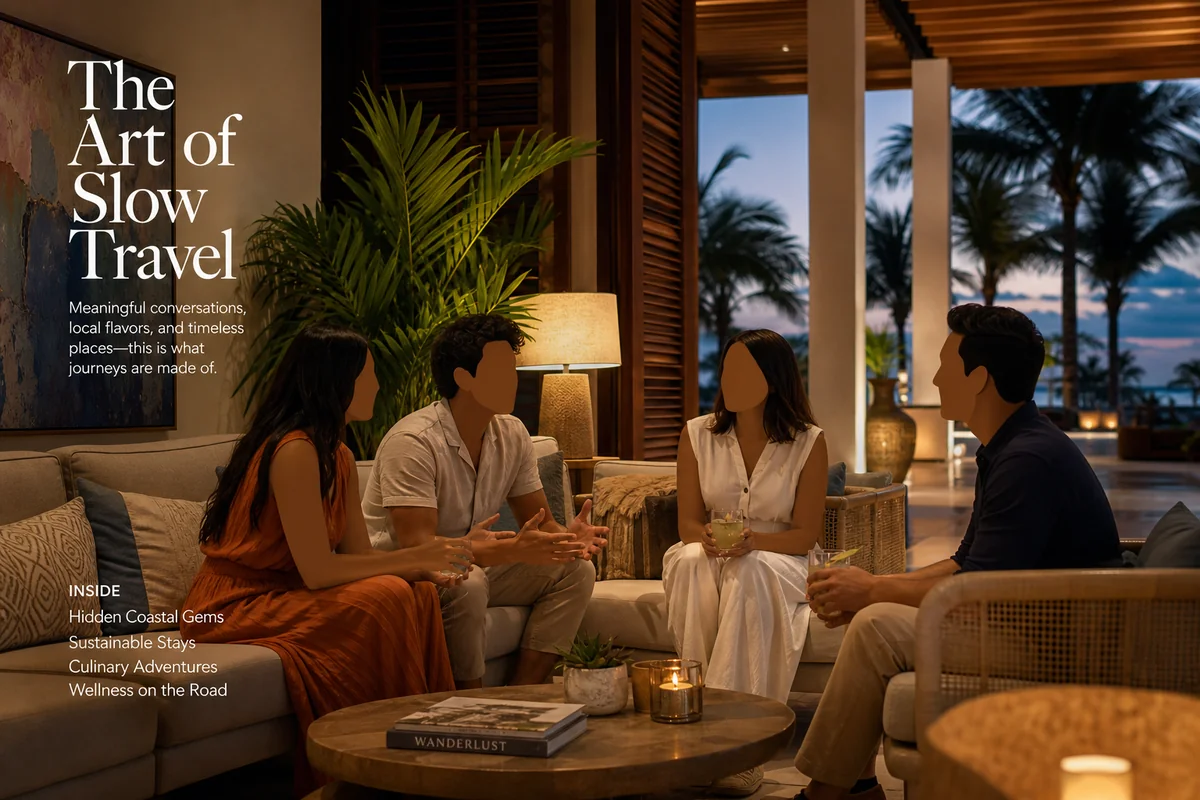
The most important thing to understand about reputable lifestyle resorts is that they operate on explicit consent culture. “No” is a complete sentence. Changing your mind is always allowed. Anyone who disregards a boundary is the one in the wrong — never the person who set it. Staff at well-run resorts are trained to enforce this, and guests who violate consent policies are typically removed from the property. But no system is perfect, and your own vigilance matters.
Agree with your partner on a communication system before you arrive. Many couples use a simple traffic light: green means “I am into this, let’s keep going,” yellow means “slow down, I need to check in,” and red means “stop, we need to leave this situation immediately.” Having a nonverbal version — like a specific hand squeeze or touch — is useful when you cannot speak freely. The system only works if both partners commit to using it and respecting it without pushback. A red light is not a negotiation. It is the end of the conversation.
Practical safety measures matter too. Keep your drinks in sight. Do not leave valuables unsecured. Know where the resort’s medical staff or security office is located. If you are traveling internationally, save the local emergency numbers in your phone before you arrive. These precautions are not paranoia — they are the same common-sense measures you would take on any vacation, applied to an environment where alcohol and social vulnerability intersect.
After the Experience: Returning Home
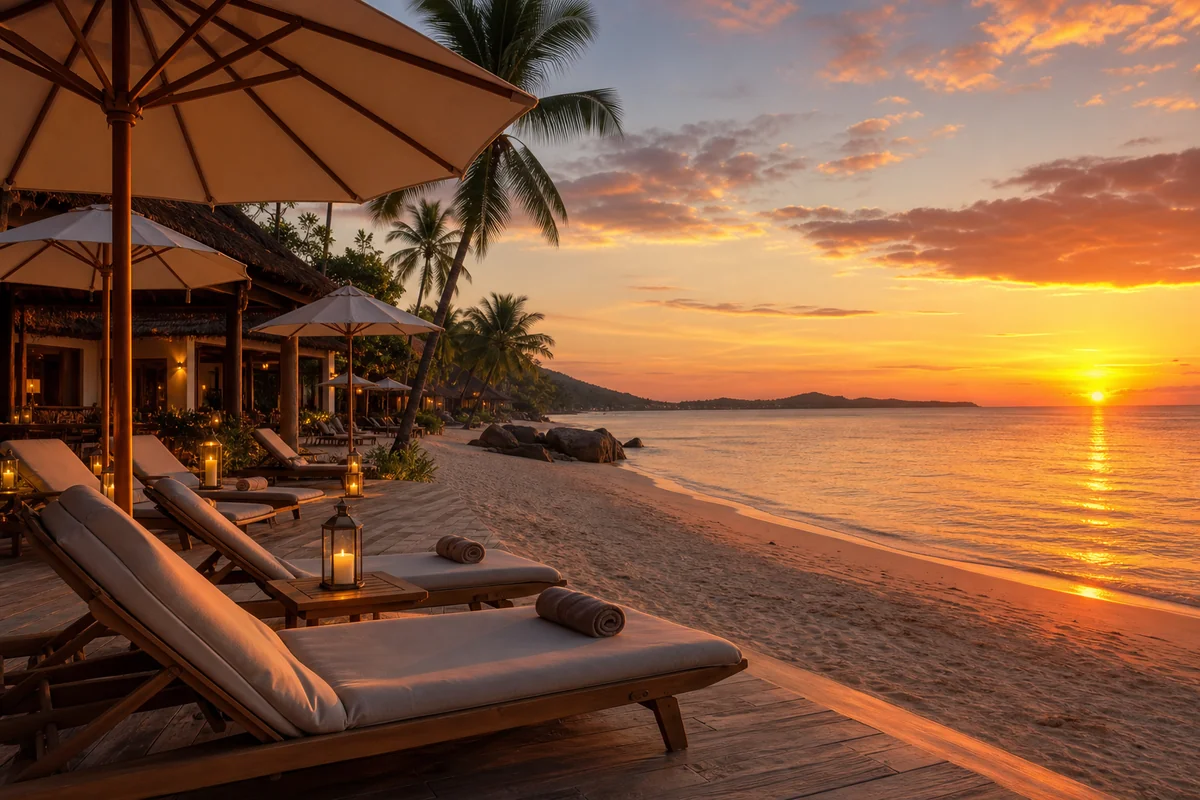
Coming home from a lifestyle resort stay can trigger a surprising emotional drop. You have spent several days in a highly social, sexually open environment, and suddenly you are back in your living room with a pile of laundry and a Monday morning meeting on the calendar. This is sometimes called the “lifestyle hangover” or “post-resort drop,” and it is completely normal.
Give yourselves time to process before making any sweeping decisions about whether the lifestyle is for you. Talk through the experience over the course of several days, not in one marathon conversation the moment you walk through the door. Focus on what you each enjoyed, what felt challenging, and what you might want to try differently next time. If your feelings are complicated — thrilled and exhausted, closer than ever and a little unsettled — that is also normal. Complicated does not mean wrong.
For many couples, a lifestyle resort stay becomes a cherished memory and a relationship milestone — proof that they can navigate complex social situations together and come out stronger. For others, it confirms that the fantasy was better than the reality, and they close that chapter with clarity. Both outcomes are valid. What matters is that you experienced it together, communicated honestly throughout, and respected each other’s limits at every step. That is the real success metric — not how many parties you attended or how many people you met.
This article is part of our ongoing series on navigating lifestyle resorts, clubs, and events with confidence. For more on preparing for your first lifestyle experience, explore our guides on venue etiquette, dress codes, and community building. Research into the psychology behind consensual non-monogamy continues to demonstrate that open communication and mutual respect are the strongest predictors of positive experiences. Ready to begin your own adventure? Connect with like-minded people at 3Cupid, where every journey starts with a conversation.