
Finding someone you all click with is hard enough. Finding someone you all click with and want to keep seeing? That’s genuinely rare. So when it happens, the instinct is often to just let things ride — don’t overthink it, don’t complicate it, just enjoy the good thing while it lasts.
Here’s the problem with that approach: recurring arrangements don’t maintain themselves. The same dynamics that make a first threesome successful — clear communication, thoughtful boundaries, mutual respect — become even more important when you’re seeing the same person over weeks or months. Without intention, even the best chemistry eventually drifts into confusion, mismatched expectations, or the slow fade nobody wants but everyone has experienced.
This guide covers what it actually takes to maintain a recurring threesome arrangement in a way that feels good for everyone — the couple and the third. Not just keeping it going, but keeping it healthy.
Why Recurring Arrangements Are Different From One-Time Encounters
A one-time threesome has a natural arc: anticipation, the event itself, and a defined after. You can process it as a contained experience — something you did, something you learned from, something you either repeat with someone new or don’t.
A recurring arrangement doesn’t have that clean ending. It unfolds over time, and time introduces variables that a single encounter doesn’t: changing feelings, shifting expectations, the blurring of casual and meaningful, and the gradual accumulation of small unresolved moments that nobody brought up because “it’s going so well.”
The shift from one-time to recurring also changes the power dynamic in subtle ways. The couple is no longer the fixed unit with a guest — the third becomes a presence in your lives, even if a limited one. That presence comes with its own needs, preferences, and emotional reality. Treating a recurring arrangement like a series of disconnected one-time encounters is the fastest way to make someone feel like a convenience rather than a person.

Setting Clear Expectations From the Start
The conversation about what “ongoing” actually means needs to happen early — ideally after the second or third meetup, when it’s clear there’s mutual interest in continuing but before patterns have solidified into unspoken assumptions.
The questions worth answering explicitly:
- Frequency: How often are we thinking? Weekly? Every other week? Once a month when schedules align? The gap between “whenever we’re all free” and someone feeling neglected is usually about three weeks.
- Communication between meetups: Are we chatting regularly? Only to plan the next date? Is there an expectation of daily check-ins, or is radio silence between meetups totally fine?
- Exclusivity within the arrangement: Are we all seeing other people? Is there an expectation of sexual health transparency about other partners? This doesn’t need to be a “closed triad” conversation — but everyone should know what the landscape looks like.
- Emotional boundaries: What happens if someone develops stronger feelings? Is that something we can talk about openly, or is it a signal that the arrangement needs to end? Silence on this question is what turns manageable emotions into crises.
- The exit door: How do we end this when someone wants to stop? Having a pre-agreed understanding that anyone can step away at any time — no guilt, no pressure — makes staying feel like a choice rather than an obligation.
You don’t need to answer all of these in one heavy conversation. But if after a month of seeing each other nobody has raised any of them, you’re building on sand. For more on aligning expectations across three people, our guide on pacing a threesome relationship covers the timing side of these conversations.

The Check-In Rhythm That Prevents Resentment
Most recurring arrangements don’t fail because of a dramatic event. They fail because small things — a comment that landed wrong, a boundary that got nudged a little further than comfortable, a night where someone felt more like a spectator than a participant — never got addressed. One unspoken thing is manageable. Five unspoken things over two months become a reason to stop answering texts.
The antidote is a simple, low-pressure check-in rhythm. Not a formal relationship summit — just a regular moment where the question “how’s this feeling for you?” is explicitly on the table.
Here’s a template that works for most recurring arrangements:
After every meetup (same night or next day): A brief group message — “That was really fun. How’s everyone feeling?” This normalizes the idea that feelings after the fact are worth checking on, not just assuming they’re fine.
Every 3-4 meetups (roughly monthly): A slightly deeper conversation. This can be in person over a drink or on a group call — whatever feels natural. The prompt is simple: “Is there anything that’s working especially well? Anything you’d like to adjust?” Giving equal space to what’s working keeps it from feeling like a complaint session.
Whenever something shifts: If someone’s availability changes, if a couple is going through a rough patch, if the third starts dating someone new more seriously — any change that affects the arrangement gets communicated proactively, not discovered by surprise.
The key isn’t the specific format — it’s the consistency. When check-ins are predictable, they feel routine rather than loaded. And when they’re routine, people actually say what they’re thinking.

When Boundaries Need to Shift — And How to Renegotiate
Boundaries that worked for the first few encounters don’t always hold over time. Maybe the couple initially wanted to keep things strictly physical but now genuinely enjoys the third’s company and wants more social time together. Maybe the third started out fine with limited communication between dates but now feels disconnected and wants more. These aren’t failures of the original agreement — they’re signs that the arrangement is alive and evolving.
The mistake people make is treating boundary shifts as something to resist rather than something to navigate. When someone expresses a need for adjustment, the healthy response is curiosity, not defensiveness: “Tell me more about what’s feeling different” rather than “But we agreed on this.”
We have a detailed walkthrough on this in our guide to renegotiating threesome boundaries, but the core principle is worth repeating: renegotiation is a feature of healthy arrangements, not a bug. The arrangements that last are the ones where people feel safe saying “this isn’t working for me anymore” without fear that saying so will end everything.

Signs the Arrangement Is Working — And Signs It Isn’t
Recurring arrangements can drift into unhealthy territory so gradually that nobody notices until something breaks. Having a clear sense of what “good” looks like — and what the early warnings look like — helps you course-correct before things go sideways.
Green flags — signs you’re in a healthy groove:
- Everyone initiates contact roughly equally — plans don’t always come from the same person.
- You can talk about things other than the arrangement — there’s a genuine human connection beyond the dynamic.
- Cancellations happen occasionally and nobody spirals — life happens and flexibility exists on all sides.
- You look forward to meetups without anxiety — anticipation, not dread.
- Problems get raised early, not stockpiled — someone says “hey, one thing…” within days, not months.
Red flags — signals that need attention:
- One person consistently feels like the “scheduler” — carrying the emotional labor of keeping things going.
- Communication drops sharply between meetups with no explanation — the arrangement starts feeling like it only exists when you’re in the same room.
- You feel relieved rather than disappointed when a meetup gets canceled — your body is telling you something your mind hasn’t admitted yet.
- The couple starts treating the third like a service provider rather than a person — expectations without appreciation.
- Someone is clearly catching feelings but nobody will name it — the elephant in the room grows heavier every meetup.
One of the most dangerous patterns in recurring arrangements is what psychologists call “emotional drift” — where feelings intensify slowly and asymmetrically until one person is far more invested than the others. Research on non-monogamous relationship structures (VeryWell Mind) emphasizes that regular emotional temperature checks are essential for preventing drift from becoming crisis.
What to Do When Someone Catches Feelings
It’s the scenario everyone knows is possible but hopes won’t happen: someone in the arrangement develops stronger romantic feelings. The third falls for one member of the couple. One partner feels unexpectedly attached to the third. Or the third starts wanting more than the arrangement was designed to offer.
Feelings aren’t the problem. The problem is the silence around them — the pretending, the hoping it’ll pass, the fear that naming it will destroy everything. In most cases, naming it early is what saves the arrangement, even if it changes its shape.
If you’re the one with the feelings: Acknowledge them honestly but own them as yours — “I’m noticing I’m developing feelings, and I wanted to be upfront about it rather than let it build. I’m not asking for anything to change — I just didn’t want to pretend.” This gives everyone information without backing anyone into a corner.
If you’re receiving this disclosure: Thank them for telling you. Take time to process before responding. And resist the instinct to “solve” it immediately — sometimes what someone needs is just to be heard, not to have their feelings managed.
For a deeper exploration of this territory, read our guide on what happens when a casual third becomes more. The important thing to remember is that feelings in recurring arrangements are normal — what matters is whether you’ve built a dynamic where they can be discussed.
Ending Things Gracefully When It’s Time
Not all arrangements are meant to last forever. Some run their natural course in a few months. Some end because life circumstances change. Some end because what worked for a while doesn’t work anymore — and that’s not a failure, it’s just how human connections work.
The quality of an ending says as much about the arrangement as anything that came before it. A good ending preserves dignity on all sides. It acknowledges what was good. It doesn’t leave anyone wondering what happened. And it leaves the door open — not necessarily for restarting the same arrangement, but for everyone to look back on the experience without resentment.
A few principles for ending well:
- Say it directly, not through distance. Ghosting or slow-fading is the coward’s exit. If it’s time to end, say so clearly and kindly.
- Own your side. “This has been really good, and I’m noticing my needs are shifting in a direction this arrangement wasn’t designed for” lands differently than “this isn’t really working for me anymore” with no context.
- Don’t offer a post-mortem unless they ask. The urge to explain everything that went wrong is about your discomfort, not their needs.
- Leave a clean break. Lingering texts, “maybe someday” messages, and keeping someone on the hook “just in case” extends the ending into something messier than it needs to be.
Taking care of yourself through an ending matters too. If you’re feeling depleted by the dating cycle, our guide on preventing ENM dating burnout offers practical strategies for staying well through the natural ups and downs of non-monogamous dating.
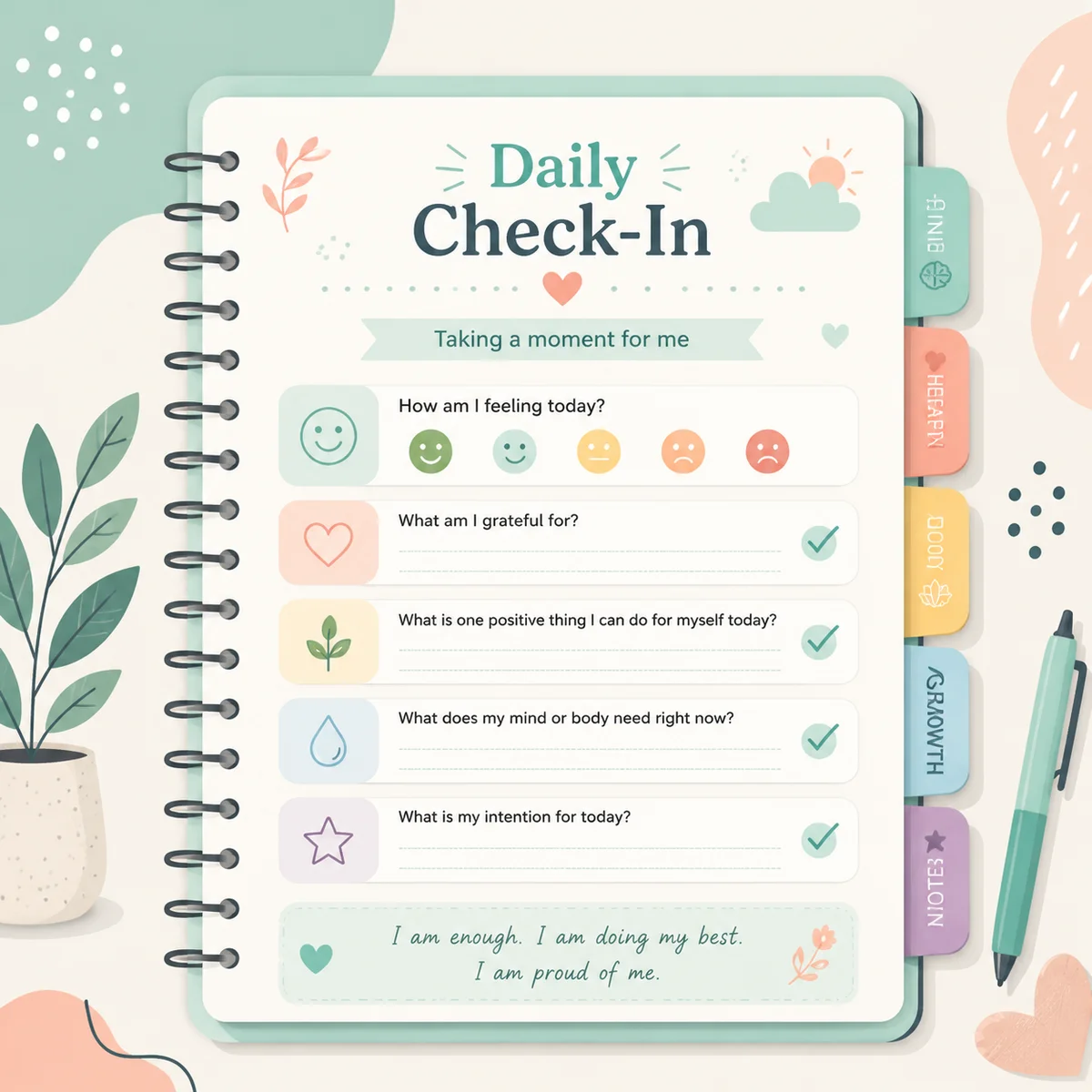
Recurring Arrangement Check-In Template
Use this framework for your monthly check-in conversation. Adapt the wording to your own voice — the content matters more than the phrasing.
What’s working well?
“What’s something from the last few meetups that felt genuinely good — something you’d want more of?”
What could use adjustment?
“Is there anything that’s been feeling slightly off — even if you can’t quite name why yet?”
How’s the communication balance?
“Are you feeling connected between meetups, or does it feel like things drop off? What would feel right to you?”
How are the boundaries holding?
“Is anything we originally agreed on starting to feel restrictive — or anything we didn’t discuss starting to feel important?”
What’s your capacity right now?
“How’s life outside this arrangement — work, other relationships, energy levels? Is this frequency sustainable for you right now?”
Anything unspoken?
“Is there anything we haven’t talked about that we probably should?”
You don’t need to hit every question every time. Pick the ones that feel relevant, and let the conversation go where it naturally needs to go. The template exists to make sure nothing important gets skipped just because bringing it up feels awkward.

A recurring threesome arrangement is one of the more nuanced relationship structures people navigate — not quite casual, not quite a relationship, existing in a space that most dating advice doesn’t acknowledge. The fact that it’s unconventional doesn’t mean it shouldn’t be thoughtful. If anything, it demands more intentionality precisely because there’s no default script to follow. Start by finding the right people, build genuine rapport before diving in, and let clear communication carry the rest.
Editor’s note: This article is written for adults 18 and older exploring ongoing non-monogamous arrangements. All advice emphasizes communication, consent, and mutual respect.