
You and your partner have talked about it. You’re both interested. Maybe you’ve even browsed a few profiles together. But between “we should try this” and actually doing it, there’s a step most couples skip — and it’s the one that makes the difference between a threesome that strengthens your relationship and one that creates weeks of tension.
A threesome agreement isn’t a legal contract. It’s not about being rigid or unromantic. It’s about making sure both of you are operating from the same playbook — before there’s a third person in the room whose experience also matters. This guide walks you through creating one that actually works in real life, not just on paper.

A written agreement is only as strong as the conversations that created it — every section should reflect real discussion, not assumptions.
Table of Contents
- Why Verbal Rules Aren’t Enough
- What a Threesome Agreement Actually Covers
- The Core Sections Every Agreement Needs
- How to Have the Agreement Conversation
- Handling Disagreements During the Process
- Updating Your Agreement Over Time
- Common Agreement Mistakes to Avoid
Why Verbal Rules Aren’t Enough
Most couples rely on a single conversation — often late at night, often vague — to set their ground rules. “We’ll stop if either of us feels uncomfortable.” “No kissing.” “We’ll figure out the rest as we go.”
The problem? Memory is unreliable, especially under pressure. What you agreed to three weeks ago might feel completely different when you’re actually in the moment. And “we’ll figure it out” leaves the third person guessing about what’s okay and what isn’t — which isn’t fair to them either.
Research on threesome expectations shows that the gap between what people imagine and what actually happens is where most negative experiences originate. Writing things down closes that gap. It doesn’t remove spontaneity — it creates a container where spontaneity can happen safely.
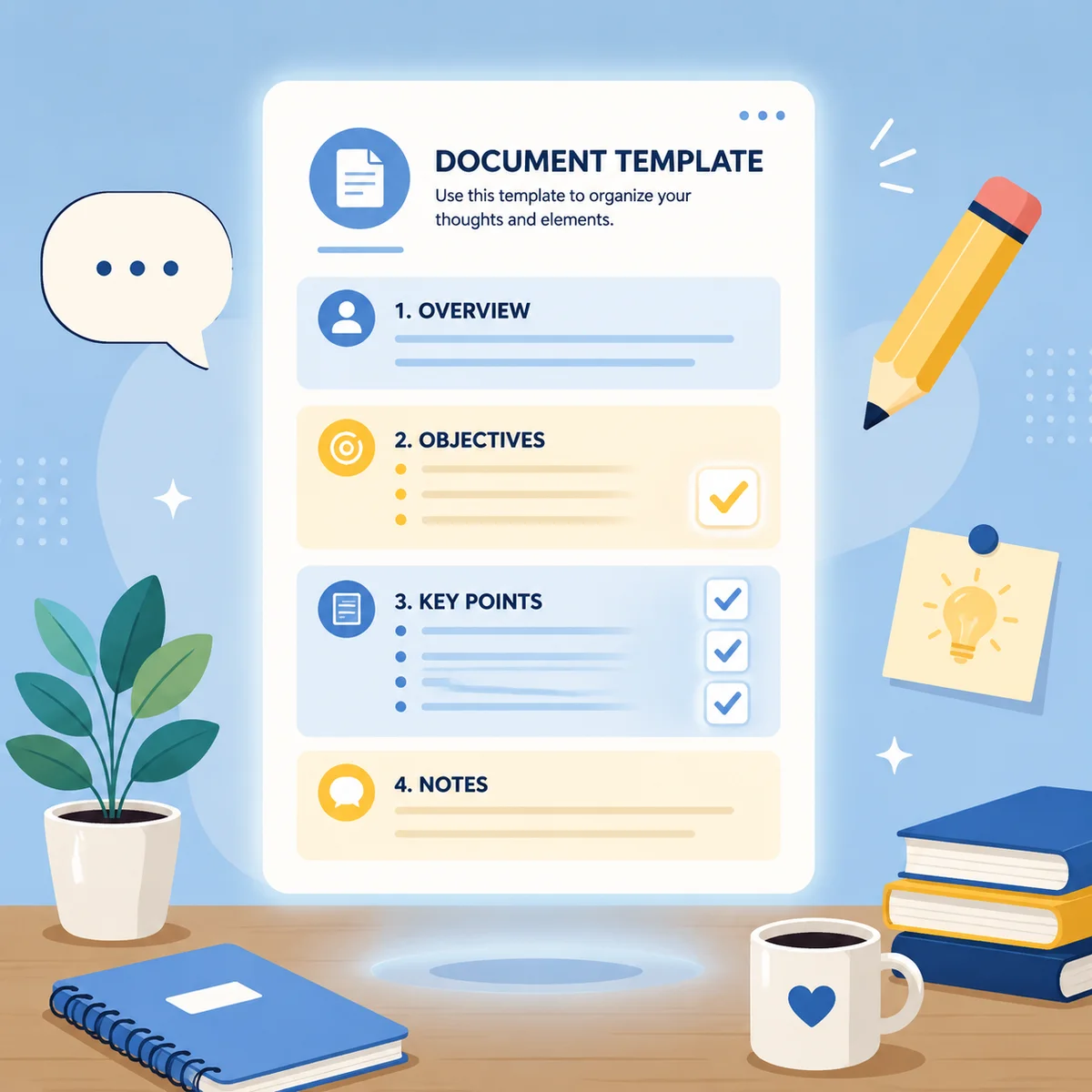
Taking the time to write things down together can feel surprisingly intimate. It’s not about rules — it’s about being seen and understood.
What a Threesome Agreement Actually Covers
People sometimes confuse a threesome agreement with threesome rules or a boundaries checklist. Those are components of an agreement, but an agreement is broader. It covers not just what happens physically, but the emotional framework, communication signals, and what happens after.
Think of it as the operating manual for your specific dynamic — not a generic list of dos and don’ts. A well-written agreement answers questions like: How do we check in with each other during the experience? What happens if one of us needs to pause? What does the next day look like? How do we handle it if one person develops unexpected feelings?
It also protects the third person. When a couple has a clear agreement, the third isn’t walking into an unpredictable situation where they might accidentally cross an invisible line. That clarity is part of what makes threesome negotiation ethical rather than extractive.

When both partners contribute equally to the agreement, there’s no room for ‘I thought you meant something else’ later on.
The Core Sections Every Agreement Needs
Every couple’s agreement will look different, but most effective ones include these foundational sections. You don’t need to cover everything at once — start with what matters most to both of you and build from there.
Physical Boundaries
Be specific about what acts are on the table and what’s off limits. “We’ll see how it goes” isn’t specific enough. If kissing is important to one of you, say so. If certain activities feel too intimate to share, name them. Your sexual boundaries conversation is the foundation this section builds on.
Communication Signals
Agree on specific signals for “I’m good,” “slow down,” and “I need to stop.” Words, hand signals, eye contact — whatever works for you both. The key is that they’re unambiguous and you’ve practiced using them. This ties directly into your safeword and check-in system.
Emotional Check-In Plan
Decide when and how you’ll reconnect afterward. Some couples prefer immediately after the third leaves. Others need a night of sleep first. There’s no right answer — only what works for your relationship. What matters is that the check-in is scheduled, not left to chance.
Third Partner Respect
Your agreement should include commitments to the third person: transparency about what this is (and isn’t), no ghosting, clear communication about boundaries, and treating them as a person with their own needs — not a prop for your relationship.
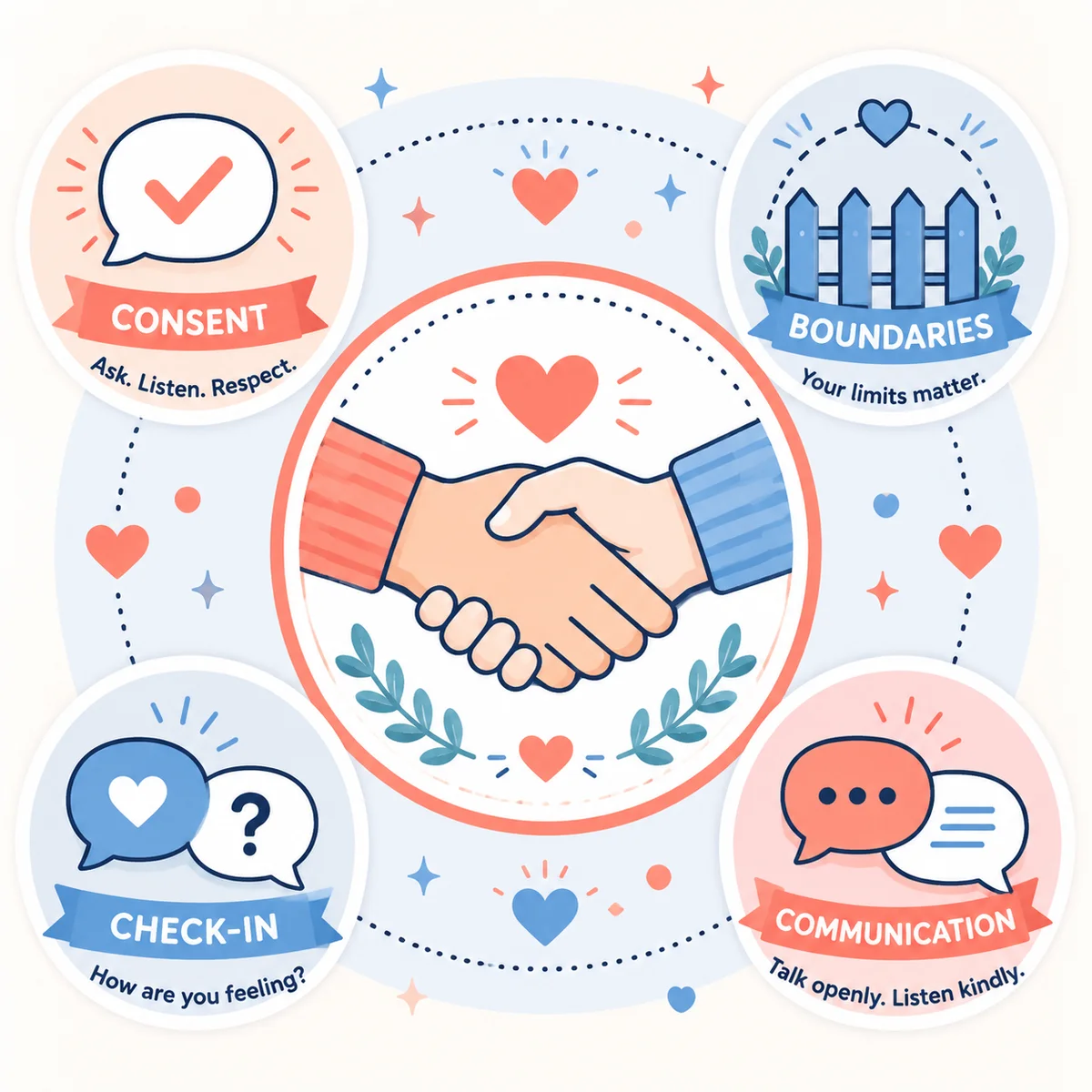
The best agreements make space for things to change. What feels right today might shift after your first shared experience.
How to Have the Agreement Conversation
The conversation about creating an agreement is almost as important as the agreement itself. If one person feels pressured or railroaded, the document won’t mean anything. Here’s how to approach it productively.
Pick a neutral time — not right after an argument, not when you’re already planning a date with someone. Make it clear this isn’t about restriction; it’s about clarity. Start with what you both want to experience, not what you want to avoid. That positive framing makes the conversation feel collaborative instead of defensive.
Write things down together, in real time. If you’re using a shared document, both of you should be able to see and edit it. This isn’t one person drafting rules for the other to approve. When something feels unclear, pause and get specific. “I’m not sure what you mean by that — can you give me an example?” is a perfectly good thing to ask.
Handling Disagreements During the Process
You will disagree on something. That’s not a sign the threesome is a bad idea — it’s a sign you’re both being honest. The question is how you handle it.
When you hit a sticking point, don’t try to resolve it in one sitting. Table it. Give each person 24 hours to think about why they feel the way they do. Often the real issue isn’t the specific boundary being discussed, but an underlying fear or insecurity that needs addressing separately.
If you genuinely can’t agree on something core to the experience, that’s valuable information. It might mean the timing isn’t right, or that you need more conversations about what each of you is actually hoping to get from this. There’s no shame in slowing down — rushing past a real disagreement is how resentment gets built into the foundation.
Clarity isn’t cold — it’s considerate. A third person walking into a well-defined situation can relax and be present in a way that ambiguity never allows.
Updating Your Agreement Over Time
Your first agreement won’t be your last. After your first experience, you’ll learn things about yourselves and your dynamic that you couldn’t have known beforehand. Maybe a boundary you thought was crucial turned out to not matter much. Maybe something you didn’t think to discuss became a major touchpoint.
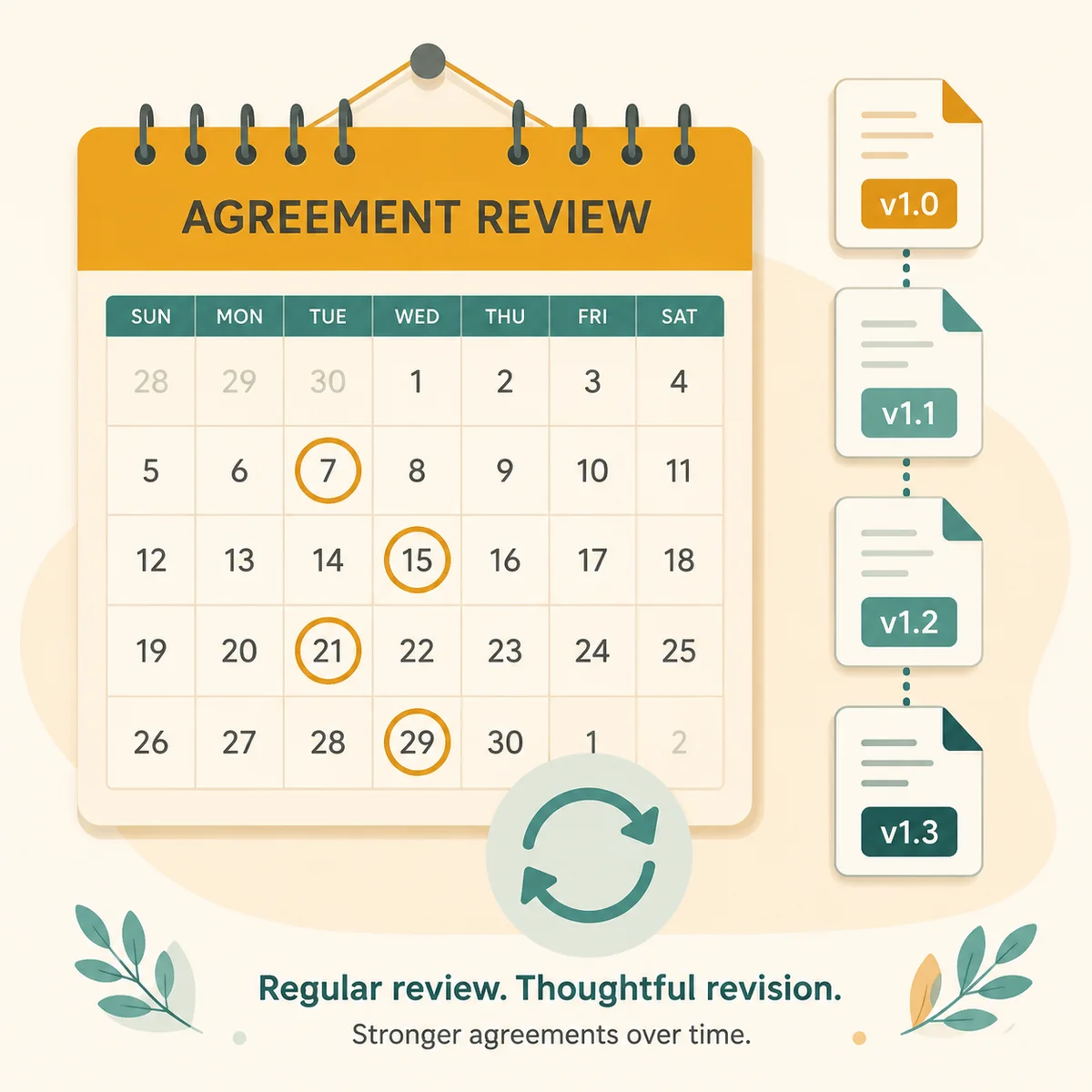
Schedule a formal review — not “we’ll talk about it sometime” but an actual date on the calendar. Many couples find that a 48-hour post-experience review works well: enough time for initial emotions to settle, but recent enough that details are still fresh.
When you update, don’t just verbally agree to changes. Actually revise the document. The act of updating it together reinforces that this is a living agreement, not something you wrote once and forgot about. It also gives you a record of how your comfort zones have expanded (or contracted) over time — which is genuinely useful self-knowledge.
Common Agreement Mistakes to Avoid
After observing how couples approach (and sometimes fumble) this process, here are the patterns to watch for:
- Making it too vague. “We’ll be respectful” sounds good but means nothing when applied. Be specific enough that a third person could read it and know exactly what’s expected.
- One person writing it alone. If you draft the agreement and hand it to your partner for approval, you’ve already created a power imbalance. Write it together.
- Skipping the third person’s perspective. Read your agreement and ask: if I were the third, would I feel safe and respected? If not, revise.
- Treating it as unchangeable. An agreement that can’t evolve is one that will eventually be ignored. Build in review dates from the start.
- Focusing only on restrictions. An agreement should also include what you’re both excited about. Balance the “don’ts” with the “we’re really looking forward to’s.”

A good agreement creates balance where all three people feel equally valued and protected — it’s the foundation that lets everyone relax and be present.
Agreement Starter Template
Below is a starter structure you and your partner can adapt. This isn’t meant to be filled out in ten minutes — it’s a framework for the conversations you’ll have over days or weeks. Use it as a shared document, and fill in each section together.
| Section | Our Agreement | Notes / Questions |
|---|---|---|
| What we’re both excited about | What drew each of us to this? What do we hope to experience? | |
| Physical boundaries | On the table / off limits / we need to discuss more | |
| Communication signals | Our words/signals for: good, slow down, stop | |
| Location & logistics | Where? When? How long? Who hosts? | |
| Aftercare plan | Immediately after? Next morning? What do we each need? | |
| Third partner commitments | What do we promise the third person about honesty, respect, communication? | |
| Emotional check-in schedule | First check-in date: _____. Regular review: every ___ weeks | |
| What we’ll do if things go wrong | Who initiates pause? What does recovery look like? When do we try again? |
If you’re also navigating feelings of insecurity — particularly around who your partner is attracted to — that’s a normal part of this conversation. Our guide on handling insecurity about your partner’s type walks through that specifically.
This article is part of 3Cupid’s ongoing guide to safer, more fulfilling threesome dating. Whether you’re just starting the conversation or refining an existing dynamic, you’ll find more resources and like-minded people at 3Cupid.