Table of Contents
- The Identity Shift Nobody Warns You About
- Letting Go of the Monogamy Script
- How ENM Changes How You See Yourself in Relationships
- Navigating the Gap Between Your Public and Private Self
- Finding Your Community: Why Belonging Matters
- Integrating Your New Identity: You’re Still You
When people talk about ethical non-monogamy, the conversation usually centers on logistics — boundaries, schedules, communication strategies. But there’s a deeper layer that gets far less attention: ENM dating changes how you see yourself. Not just how you date or who you date. How you understand your own identity, your values, and your place in the world. This isn’t a side effect of ENM — it’s one of the most profound parts of the journey. And hardly anyone prepares you for it.
Whether you’re just starting to explore or you’ve been practicing ENM for years, the identity shift is real. It reshapes your relationship with yourself, your sense of belonging, and even how you walk through everyday life. This article explores what that transformation looks like — and how to navigate it with self-compassion.
The Identity Shift Nobody Warns You About
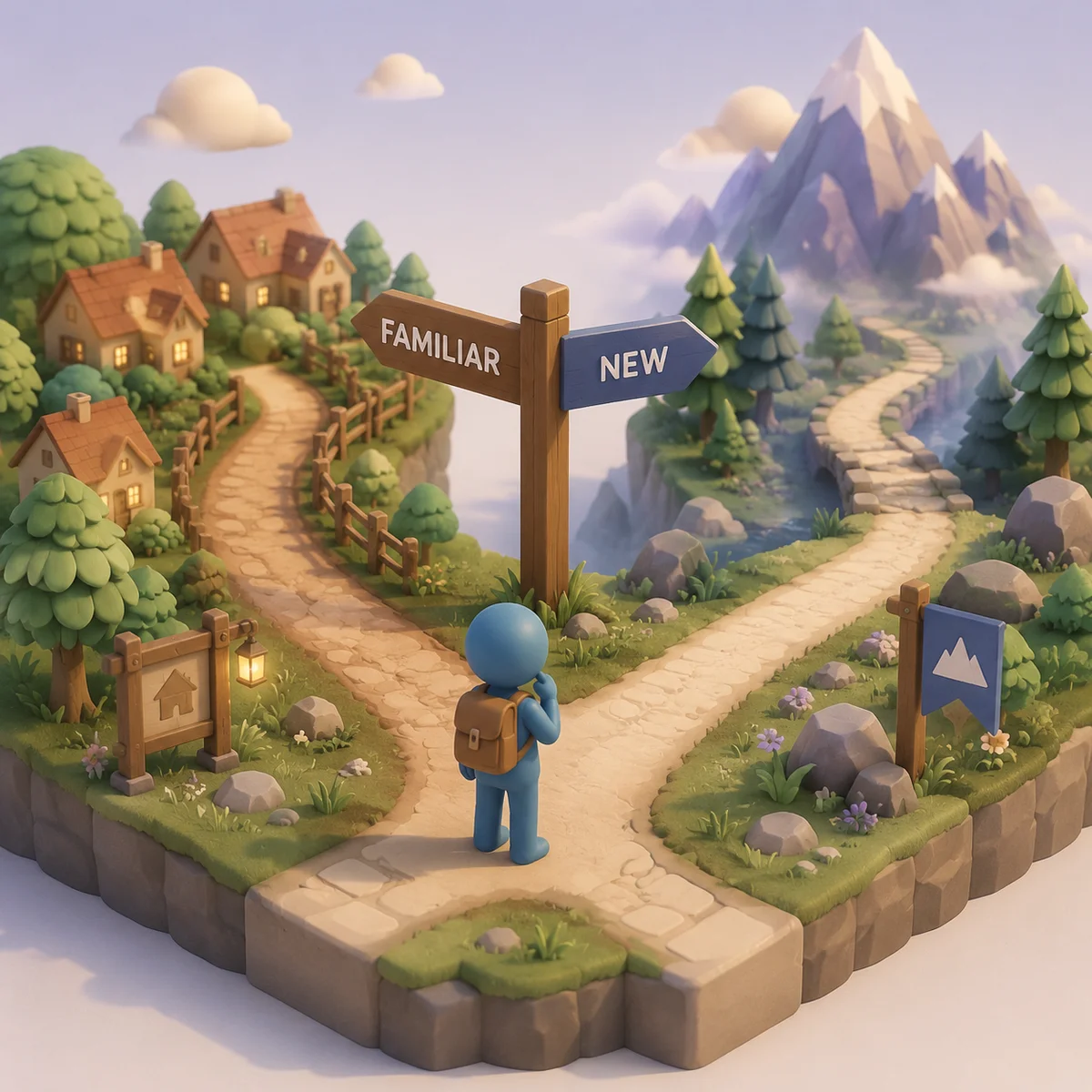
Most people enter ENM dating focused on external changes — new partners, new experiences, new relationship configurations. What catches them off guard is the internal shift. Suddenly, the person looking back at you in the mirror isn’t quite who you thought they were.
This can be disorienting. For years — maybe decades — you’ve understood yourself through a monogamous lens. You knew what “committed” looked like. You knew the script: meet someone, fall in love, be exclusive, build a life together. ENM asks you to rewrite that script, and that rewrite doesn’t just change your relationship structure. It changes how you understand love, commitment, jealousy, and your own capacity for connection.
Some people describe this shift as liberating. Others find it destabilizing. Most experience both. The key is recognizing that identity evolution is a process, not a single event. You don’t wake up one morning as a “new person.” You gradually integrate new understandings of yourself, layer by layer. Giving yourself permission to be in process — rather than rushing toward a finished identity — is essential.

Letting Go of the Monogamy Script
The monogamy script isn’t just about exclusivity. It’s a complete story about what love should look like: one person meets all your needs, jealousy means something is wrong, commitment requires sexual exclusivity, and “success” means staying together forever. These ideas are so deeply embedded in our culture that you might not even realize you’ve been carrying them until you start questioning them.
Letting go of this script doesn’t mean rejecting monogamy as invalid. Plenty of people thrive in monogamous relationships. It means recognizing that the script is one way to do relationships — not the only way. And that realization alone can be identity-shaking. If you were wrong about this, what else might you have been wrong about?
This deconstruction process often triggers broader self-examination. You might start questioning other inherited beliefs — about career, family, lifestyle. That’s not a bug. It’s a feature of genuine personal growth. ENM becomes a doorway to asking bigger questions about who you want to be, not just how you want to date.

How ENM Changes How You See Yourself in Relationships
In monogamous culture, your value as a partner is often tied to being someone’s “one and only.” When you step into ENM, that identity anchor shifts. You’re no longer valuable because you’re the sole focus of someone’s romantic attention. You’re valuable because of who you are — your presence, your qualities, the specific connection you offer.
This can be both freeing and terrifying. Freeing because you stop measuring yourself against the impossible standard of being “everything” to one person. Terrifying because you have to develop a sense of self-worth that isn’t dependent on being someone’s only partner.
You might also discover aspects of yourself that monogamy kept hidden. Perhaps you’re more capable of compersion — feeling joy in your partner’s other connections — than you expected. Maybe you find that having multiple connections actually makes you more present in each one, not less. Or you might discover limits you didn’t know you had, boundaries that only become visible when tested. All of this is data about who you are — and who you’re becoming.

Navigating the Gap Between Your Public and Private Self
One of the most challenging aspects of the ENM identity shift is managing the gap between who you are privately and who you can be publicly. Not everyone in your life needs to know about your relationship structure — but carrying a hidden identity comes with its own weight.
You might find yourself editing your language at work when colleagues ask about your weekend. You might hesitate before posting a photo with a partner on social media. You might feel a pang of something — grief? frustration? — when a family member makes a comment that assumes monogamy is the only option.
Deciding who to tell and when is deeply personal. There’s no universal right answer. What matters is that you’re making these choices consciously rather than defaulting to secrecy out of shame. Some people find that sharing their ENM identity with a trusted friend or family member brings immense relief — suddenly, you don’t have to split yourself in two. Others prefer to keep their private life private and find community elsewhere. Both approaches are valid. The goal is to build a life where your external presentation and internal reality don’t feel like they’re at war.
Finding Your Community: Why Belonging Matters
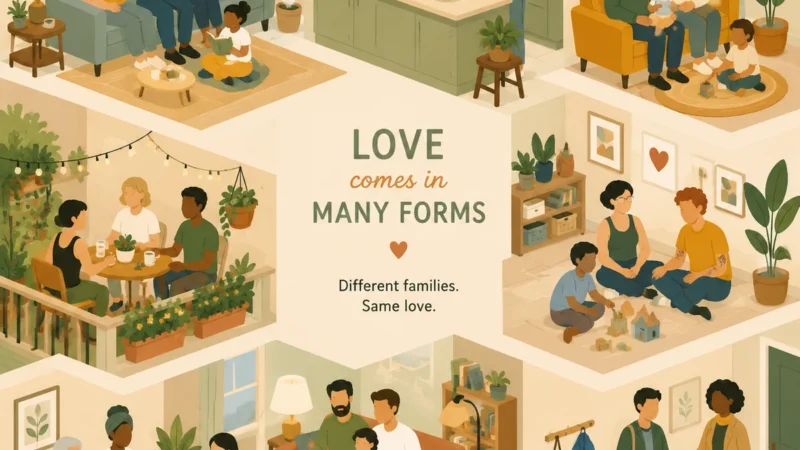
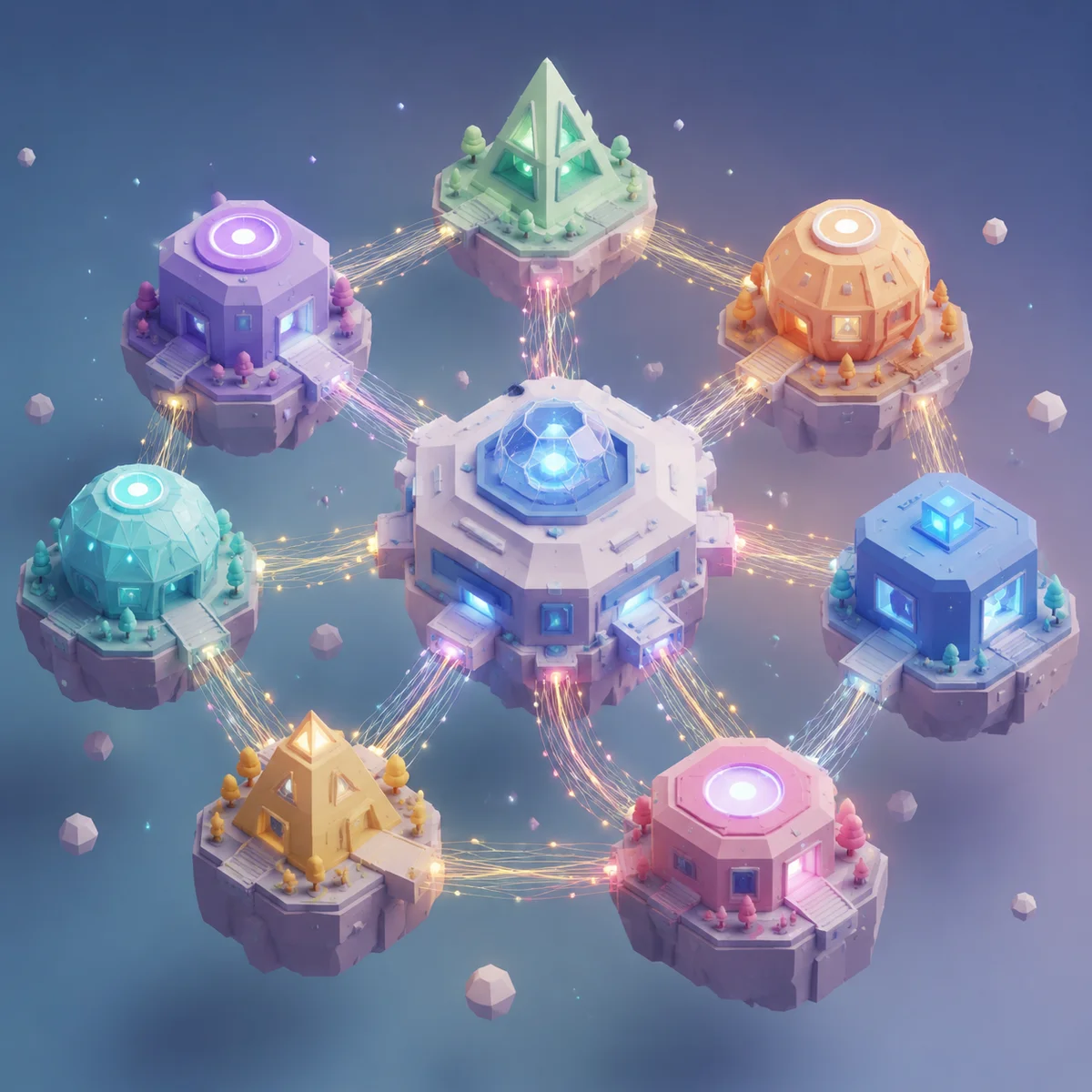
Identity doesn’t develop in isolation. We understand ourselves partly through the people who reflect our experiences back to us. For people practicing ENM, finding community isn’t just nice to have — it’s essential for healthy identity integration.
This community can take many forms. Online forums and social media groups provide low-barrier entry points where you can ask questions anonymously and learn from others’ experiences. Local meetups and ENM-friendly events offer in-person connection. Some people find community through classes, discussion groups, or even casual friendships with other ENM practitioners.
What you’re looking for isn’t just information — though that’s valuable. You’re looking for normalization. The experience of sitting in a room (physical or virtual) where your relationship structure isn’t unusual, where people understand the specific joys and challenges without needing an explanation, where you don’t have to translate your life into terms others will accept. That experience of belonging is a powerful anchor during identity transition.

Integrating Your New Identity: You’re Still You
Here’s what often gets lost in conversations about identity transformation: you don’t become a different person. You become a more complete version of the person you already were.
The parts of you that existed before ENM — your values, your humor, your quirks, the way you love, the things that matter most to you — none of that disappears. What changes is your framework for understanding those parts. You gain new language for desires you may have always had. You develop new skills for navigating complexity. You build a self-concept that’s bigger and more flexible than before.
Integration takes time. There will be moments where the old script and the new reality collide — where you feel like two different people trying to inhabit one life. That’s normal. The goal isn’t to eliminate the tension but to hold it with curiosity rather than judgment. Over time, the pieces settle into a coherent whole. You look back and realize that while the journey changed you, it didn’t erase you. It revealed you.
ENM dating doesn’t just add partners to your life. It adds dimensions to your sense of self. Some of those dimensions will surprise you. Some will challenge you. All of them are worth exploring — not despite the identity work they require, but because of it.
- Identity Shift Signals: You notice yourself questioning assumptions about love and commitment you’ve held for years
- Deconstruction: You stop measuring your worth by whether you’re someone’s “one and only”
- Integration Challenge: You navigate the gap between who you are privately and what you share publicly
- Community Need: You seek out spaces where your relationship structure is understood and normalized
- Growth Sign: You can hold both your past self and your evolving self without rejecting either
- Stability Mark: Your identity feels coherent — not split between “ENM you” and “other you”
For more on navigating the social dimensions of ENM, read our guide on coming out as non-monogamous to friends and family. If you’re dealing with dating fatigue from the identity work, check out our article on recognizing and preventing ENM dating burnout. For a broader perspective on identity and relationships, VeryWell Mind offers excellent resources on psychological well-being in non-traditional relationship structures.
This article is part of 3Cupid’s educational content series. Last updated: June 2026.