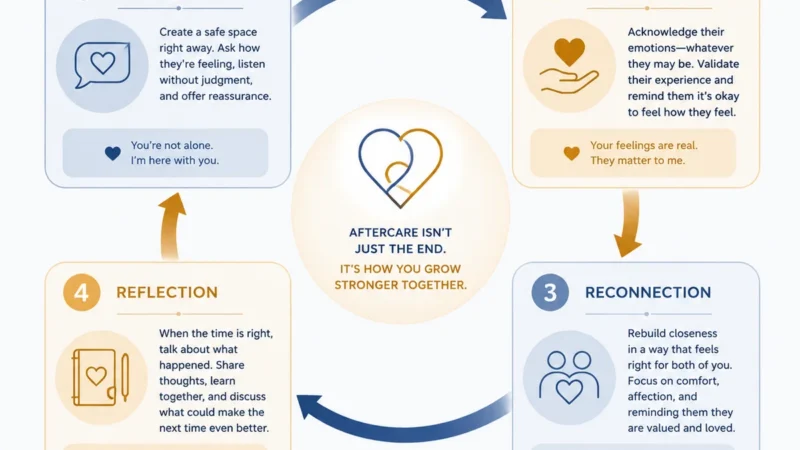
So you and your partner have talked about it. You’ve had the conversations. You’ve aligned on what you’re looking for. And now comes the question every couple faces next: where do we actually start?
If you’re couples seeking a unicorn — a term used in ethical non-monogamy for a single person (often bisexual or pansexual) open to connecting with an established couple — the “where” is one of the most practical questions you’ll answer. But before you download any apps or join any communities, there’s groundwork to lay.
This guide walks through where couples can ethically and effectively begin their search, what each option actually looks like in practice, and the emotional preparation that makes the difference between a thoughtful approach and one that leaves someone feeling like an afterthought.
Table of Contents
- The Emotional Groundwork Before Any Search
- Specialized Dating Platforms Worth Your Time
- Community Spaces and Events
- Social Media and Online Communities
- Writing a Couple Profile That Doesn’t Scare People Away
- Red Flags to Watch For — In Yourselves and Others
- Making the First Outreach Feel Human
The Emotional Groundwork Before Any Search
Here’s something most “where to find a unicorn” guides skip: the where doesn’t matter if the why isn’t solid. Before you open a single app, you and your partner should be able to answer some honest questions together.
Why do you specifically want a third partner rather than dating separately? What does your ideal dynamic look like — and have you imagined it from the third person’s perspective, not just your own? What happens if one of you develops stronger feelings than the other? These aren’t hypotheticals. They’re the conversations that determine whether someone who connects with you feels valued or used.
One of the most important concepts to understand before you begin is couple privilege — the unearned advantages that come with being an established pair when entering dynamics with a single person. This includes things like shared finances, shared living space, years of history, and the implicit assumption that the couple’s relationship takes priority. Understanding how couple privilege operates isn’t about feeling guilty — it’s about being aware enough to actively counterbalance it, so the person you’re inviting in doesn’t feel like a guest with an expiration date.
Practical preparation checklist before you search:
- Have you discussed what happens after the first meeting — whether it goes well or not?
- Do you both agree on what level of ongoing connection you’re open to?
- Have you talked about safer sex practices and testing protocols?
- Is there a plan for how you’ll handle it if one person wants to continue and the other doesn’t?
- Can you articulate what you’re offering a third person — beyond just “an experience”?
Specialized Dating Platforms Worth Your Time
General dating apps like Tinder or Bumble can technically work for finding a third partner, but they come with built-in friction. Most users there are looking for conventional one-on-one dating, and couples’ profiles can come across as intrusive or unwelcome in those spaces. Specialized platforms exist precisely because they solve this mismatch.
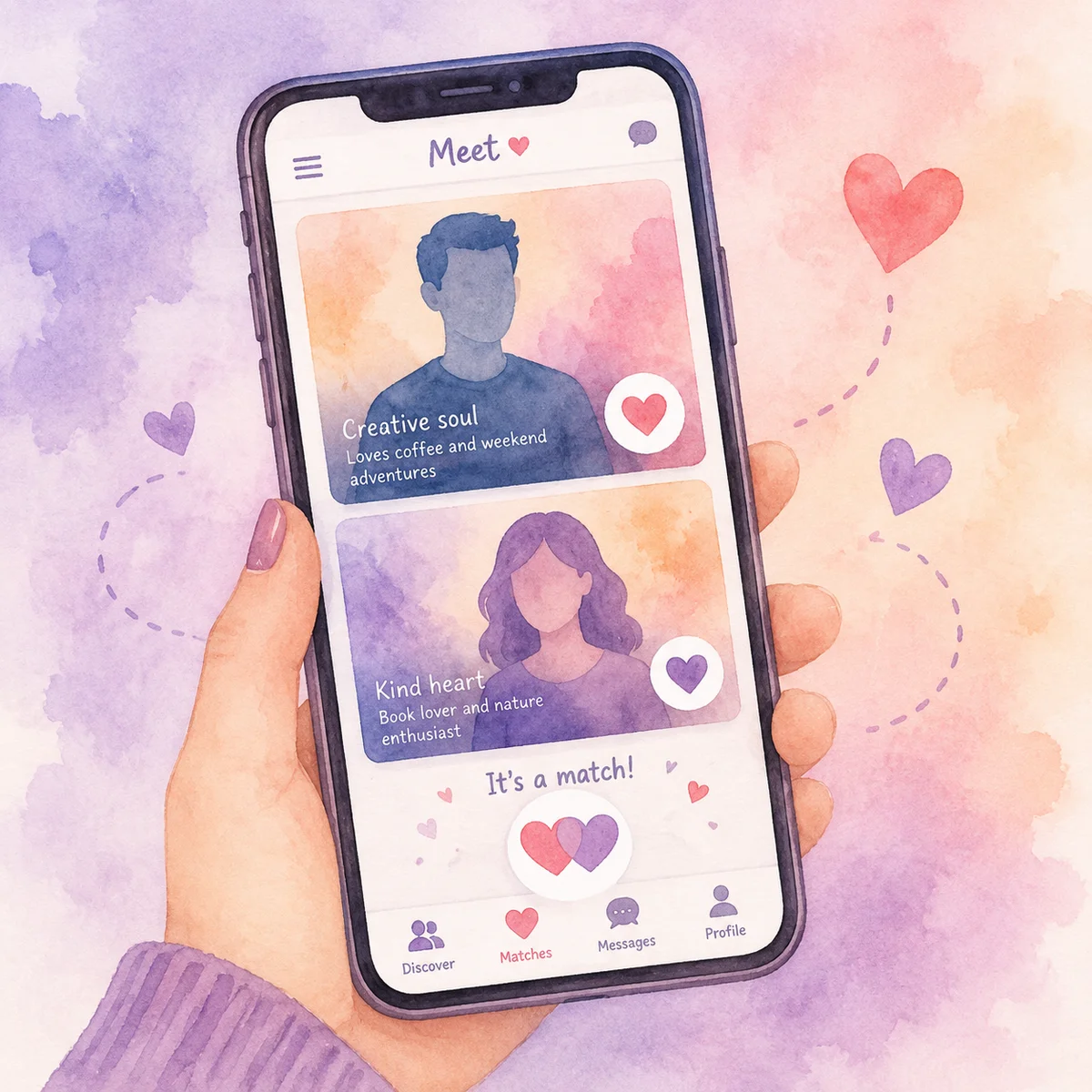
Platforms designed for ethical non-monogamy and threesome dating put everyone on the same page from the start. The people you’ll find there already understand the dynamic you’re looking for — which means less explaining, less rejection, and more conversations that start from a place of shared understanding.
What to look for in a platform:
- Profile structures that accommodate couples. The best platforms let you create a linked couple profile rather than two separate singles profiles awkwardly describing the same situation.
- Clear communication about relationship structure. Look for apps that let you specify you’re part of a couple, what you’re seeking, and what kind of dynamic you’re open to — without making you write a novel in the bio.
- Privacy features that matter. Discreet photo sharing, control over who sees your profile, and the ability to blur or hide photos until you’ve matched are all signs of a platform that understands its users’ needs.
- Active moderation against harassment. If a platform doesn’t have clear community guidelines and a reporting system, it’s not worth your time.
3Cupid, for example, was built specifically for this kind of connection — it understands that couples seeking a unicorn aren’t looking for the same thing as someone on a mainstream dating app. The platform supports couples creating joint profiles, specifying what kind of dynamic they’re looking for, and connecting with singles who have already expressed interest in that exact scenario. You can create a profile here and start browsing with clarity about what everyone’s looking for.
Community Spaces and Events
Not every meaningful connection starts on a screen. For some couples, in-person community spaces provide a more organic way to meet potential third partners — and they offer something apps can’t replicate: the ability to read someone’s energy, observe how they interact in a group, and build rapport without the pressure of a formal date.

Types of community spaces to explore:
- Polyamory and ENM meetups. Many cities have regular social gatherings for the ethically non-monogamous community. These are explicitly non-cruising events — they’re about building community first. But they’re also where you’ll meet people who understand your relationship structure without needing a TED Talk.
- Lifestyle and swinging events. These range from large hotel takeovers to smaller private parties. The key distinction: swinging events tend to be couple-focused and often expect both partners to participate, while polyamory meetups are more about relationship building.
- Workshops and discussion groups. Some communities host educational events on topics like communication, jealousy management, and negotiation skills. Attending these not only builds your own toolkit but puts you in a room with people who value the same kind of intentional approach you’re developing.
Important note about approaching people at community events: These spaces are communities, not catalogs. The people there aren’t attending to be “shopped.” Build genuine connections. Get to know people as people. If chemistry develops naturally, great. If not, you’ve still expanded your support network — which is valuable in its own right.
Before attending any in-person event, read up on the fundamentals of unicorn dating so you’re walking in with a solid understanding of what ethical engagement looks like. Knowledge isn’t just power — it’s also the thing that keeps you from accidentally being the couple everyone warns each other about.
Social Media and Online Communities
Reddit communities like r/polyamoryR4R, r/nonmonogamy, and r/UnicornSwingers host active personals sections where couples seeking a unicorn can connect with interested singles. Facebook groups dedicated to ENM dating and local polyamory communities are another option — though they come with less built-in privacy.
The social media approach works best when you:
- Engage as a community member first. Post thoughtful comments, join discussions, and be visible as a real person before posting a personal ad.
- Write a post that sounds human. Talk about who you are as individuals, what you value, and what kind of connection you’re hoping to build.
- Respect the space’s rules. Some subreddits have strict posting guidelines for couples. Read them. Follow them.
Writing a Couple Profile That Doesn’t Scare People Away
Here’s a hard truth: most couple profiles are terrible. They feature blurry bathroom selfies, copy-pasted clichés about “adding someone to our journey,” and a complete absence of anything that tells a potential third partner what they’d actually get out of this arrangement.

A profile that actually works includes:
- Photos of both of you, individually and together. Not just one cropped couple photo from a wedding three years ago. Show your faces (when privacy allows), your personalities, and what you each look like.
- Individual descriptions, not a “we” monolith. What is each of you like? What are your interests, your sense of humor, your dealbreakers?
- What you’re actually offering. Are you looking for a one-time connection? An ongoing friends-with-benefits situation? A potential triad? Be specific.
- What you value. Mentioning things like communication, consent, and emotional safety signals that you’ve done the work and take this seriously.
If you’re unsure whether your approach is coming across ethically, review the distinction between ethical unicorn dating and unicorn hunting. The difference isn’t just semantic — it’s the difference between being someone a third partner feels excited to meet and being someone they warn their friends about.
Red Flags to Watch For — In Yourselves and Others
Self-awareness isn’t just about knowing what you want. It’s about recognizing when what you want might be coming from a place that could hurt someone else — or when a potential partner’s behavior signals trouble ahead.
Red flags in your own approach:
- You feel uncomfortable with the idea of the third person dating other people besides you.
- You’re hoping a third partner will “fix” something in your relationship.
- You haven’t discussed what happens if feelings develop unevenly.
- Your partner is reluctant but “going along with it” for your sake.
- You’re more focused on “finding someone” than on what kind of experience you’re creating for them.
Red flags in potential third partners:
- They’re dismissive of your existing relationship or seem to enjoy creating tension.
- They refuse to discuss safer sex practices or testing status.
- They push for immediate exclusivity or make demands before meeting.
- Their communication is inconsistent or evasive when you ask direct questions.

Making the First Outreach Feel Human
You’ve found someone interesting. Their profile resonates. Now comes the message — and this is where most couples lose the plot.
What not to send: “Hey :)” — “We’re a fun couple looking for a third!” — copy-pasted paragraphs obviously sent to thirty people — messages written entirely by one partner that use “we” for every sentence.
What to send instead: A message that references something specific from their profile, introduces both of you in your own voices, and clearly states what kind of connection you’re hoping to explore — while making it easy for them to say no. Something like:
“Hi! I’m Alex and this is Jordan — we loved what you wrote about valuing direct communication. We’re exploring connecting with someone together and your profile stood out because [specific reason]. Totally understand if this isn’t what you’re looking for, but if you’re open to chatting more, we’d love to grab coffee somewhere public and low-pressure. No expectations beyond conversation.”
Notice what that message does: it introduces both people, references their actual profile, states the intention clearly, offers a specific and safe next step, and leaves the door open for a graceful no.

Once you’ve made contact and are moving toward an actual meeting, you’ll want to prepare thoughtfully. We’ve written a companion guide on navigating the first date with a third partner that covers choosing the right venue, reading the room, managing nerves, and handling the follow-up with care.
Start from the Right Place
The platforms, the events, the profiles — all of that is logistics. What matters most is the mindset you bring. Couples seeking a unicorn who approach this with genuine curiosity, respect for the third person’s autonomy, and a willingness to do the emotional work beforehand don’t just have better experiences — they build connections that actually last.
The people you’re hoping to meet aren’t characters in your story. They’re the main characters in their own. Treat them accordingly, and you’ll find that the “where” takes care of itself.

This article is part of the 3Cupid resource library for couples and singles navigating ethical non-monogamy, unicorn dating, and threesome relationships. All content is written for an 18+ audience and emphasizes communication, consent, and emotional safety.
External references reviewed for this guide include community discussions on r/polyamory and resources from More Than Two.