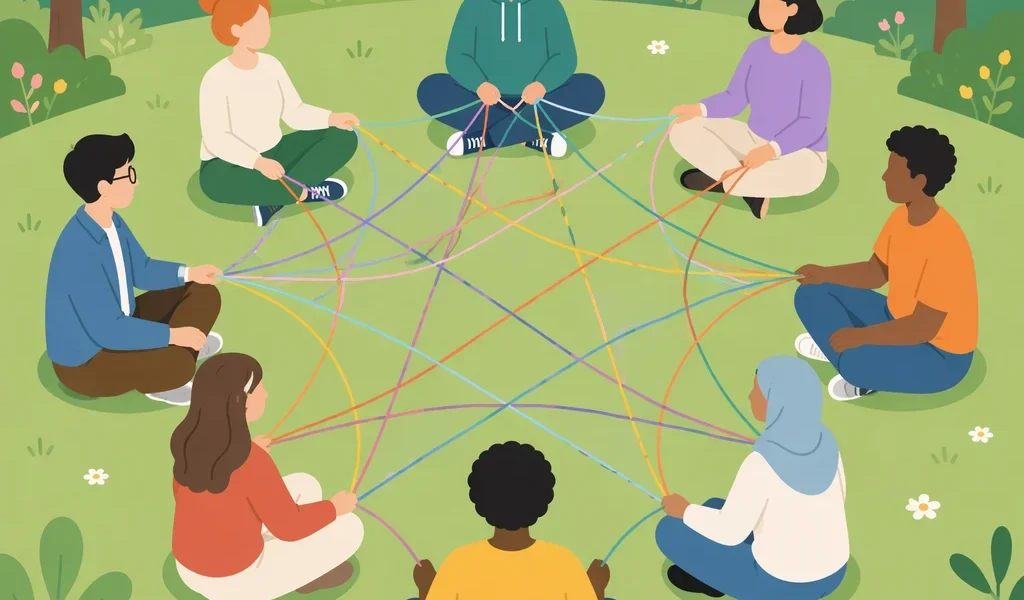
If you have spent time in ethical non-monogamy circles, you have probably heard the term relationship anarchy tossed around — sometimes with enthusiasm, sometimes with confusion. It sounds radical. It is. But it is also one of the most thoughtful approaches to connection that exists today.
Relationship anarchy (RA) is a philosophy that rejects the idea that romantic and sexual relationships should automatically take priority over friendships, family bonds, or community ties. Instead, every connection is built from scratch — no preset rules, no default hierarchy, no assumption that a romantic partner matters more than a close friend. It is not chaos. It is intentional design.
At 3Cupid, we see relationship anarchy as part of the broader conversation about ethical non-monogamy — one that pushes us to question every assumption we inherited about how love should look. Whether you are exploring polyamory, navigating threesome dating, or simply curious about alternative relationship structures, understanding RA can reshape how you approach all your connections.

Table of Contents
- What Is Relationship Anarchy?
- Where Did Relationship Anarchy Come From?
- How Relationship Anarchy Differs from Traditional ENM
- The Core Principles of Relationship Anarchy
- Is Relationship Anarchy Right for You?
- Common Misconceptions About Relationship Anarchy
What Is Relationship Anarchy?
At its simplest, relationship anarchy is the belief that all relationships should be defined by the people in them — not by cultural scripts, legal categories, or assumptions about which type of connection deserves more weight. An RA practitioner might prioritize a weekly dinner with their best friend over a date night with a romantic partner, not because they care less about the partner, but because they have consciously decided that both connections deserve intentional attention.
The term was coined by Swedish activist Andie Nordgren in 2006 through a manifesto that outlined a few radical ideas: love is abundant, not scarce; every relationship is unique; and no single type of connection should automatically sit at the top of a hierarchy. Nordgren’s manifesto was not just about romance — it was a broader political statement about valuing all forms of intimacy and care equally.
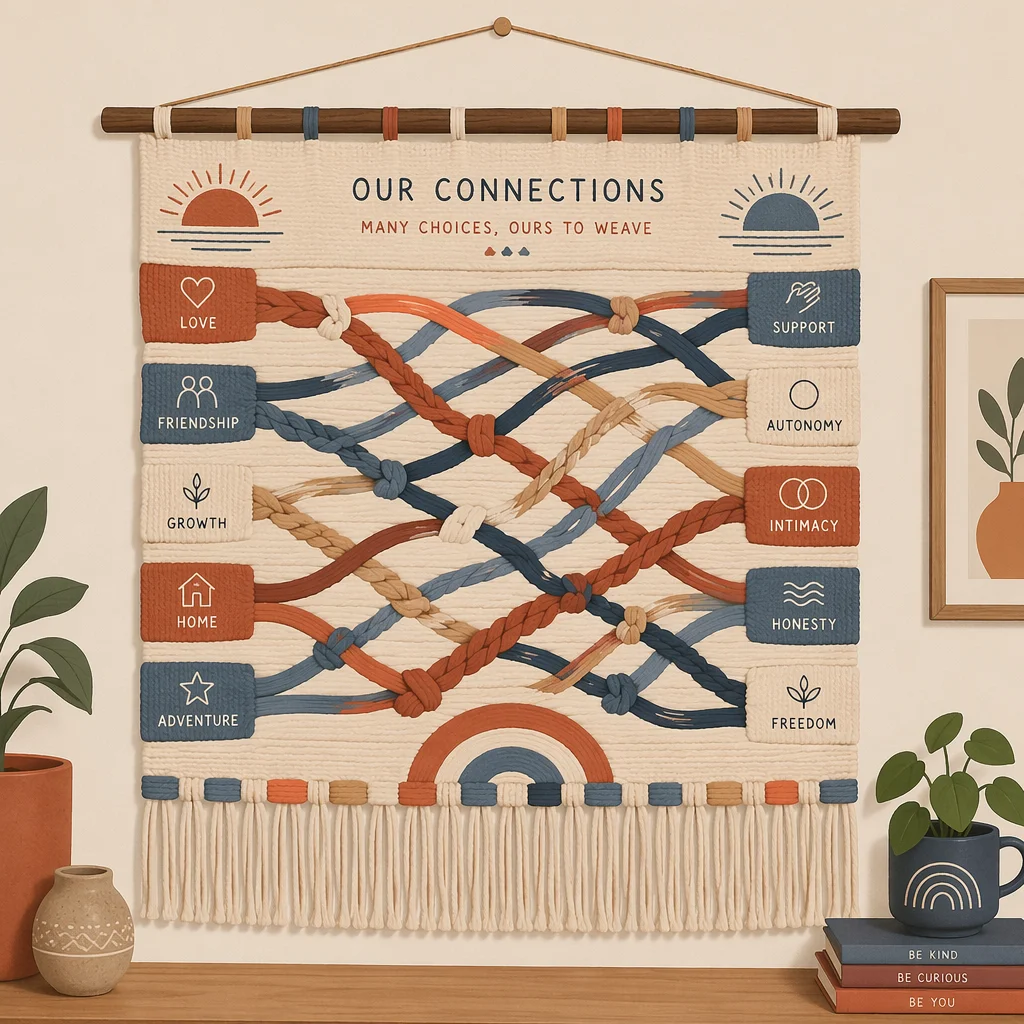
Think of it this way: most people operate with a mental flowchart where a romantic partner sits at the top, close family just below, friends lower down, and acquaintances at the bottom. Relationship anarchy throws out the flowchart entirely. Every connection stands on its own merits, negotiated between the people involved, without reference to a predetermined ranking system.
Where Did Relationship Anarchy Come From?
Nordgren’s 2006 manifesto, originally written in Swedish and titled “Relationsanarki i 8 punkter,” emerged from anarchist political philosophy applied to intimate life. The core insight was that the state, religion, and social norms have historically dictated which relationships are legitimate — marriage being the most obvious example — and this external validation creates a two-tier system where romantic relationships get structural support that friendships never receive.
Relationship anarchy challenges this head-on. It asks: why does sharing a mortgage with someone make that relationship more real than the friend who held your hand through grief? Why do we assume a romantic partner deserves more of our time, emotional energy, and decision-making power than anyone else we love?
Over the past decade, RA has grown from a niche philosophical position into a recognized approach within broader ENM communities. It overlaps with polyamory but is distinct from it — many relationship anarchists are polyamorous, but RA itself is about how you value relationships, not how many partners you have. You can be a relationship anarchist and have one romantic partner, or none.

How Relationship Anarchy Differs from Traditional ENM
To understand what makes RA unique, it helps to contrast it with more familiar ENM structures. In hierarchical polyamory, a couple might have a primary partnership with shared finances, cohabitation, and decision-making authority, while secondary partners operate within the boundaries that primary relationship sets. This is how relationship hierarchy works in non-monogamous dating, and for many people, it is a functional and satisfying model.
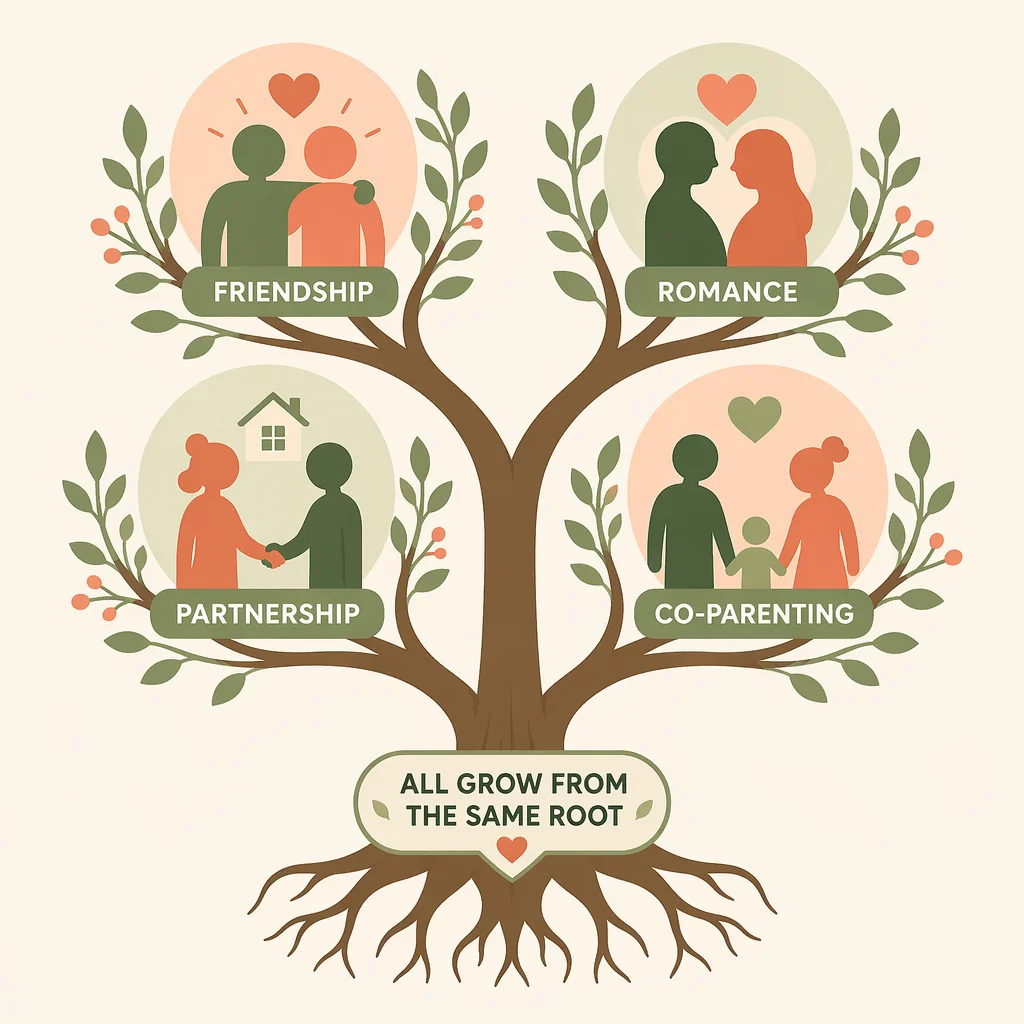
Relationship anarchy removes that primary-secondary framework entirely. There is no automatic assumption that a romantic partner or spouse gets priority. Instead, every commitment — whether to a romantic partner, a co-parent, a close friend, or a community member — is negotiated on its own terms. Time, emotional energy, and resources are distributed based on conscious choice rather than relationship category.
This does not mean relationship anarchists cannot have deep, committed romantic partnerships. Many do. The difference is that those partnerships do not come with an automatic relationship escalator — the cultural expectation that dating leads to moving in together, which leads to marriage, which leads to children. RA practitioners might ride some steps of the escalator and skip others, or build an entirely different staircase altogether.
The Core Principles of Relationship Anarchy
While every relationship anarchist interprets the philosophy differently, a few core principles tend to show up across the community. Here is a breakdown of what RA looks like in practice:
| Principle | What It Means | What It Looks Like |
|---|---|---|
| Autonomy First | You are the author of your own life. No partner has default authority over your time, body, or decisions. | Making plans based on your own values and availability, not checking with a partner before accepting an invitation. |
| No Preset Hierarchy | Romantic relationships do not automatically rank above friendships. Every connection is negotiated individually. | Spending a holiday with a close friend instead of a romantic partner because that is what feels right — not because of obligation. |
| Custom Commitments | Each relationship defines its own agreements. There is no template you have to follow. | Co-parenting with a platonic friend, romantic partnership with separate homes, a friendship that includes emotional caretaking agreements. |
| Communication Over Assumption | Never assume you know what someone wants, needs, or expects from you. Ask. Discuss. Revisit. | Regular check-ins where both people explicitly state what they want from the connection — and whether that has changed. |
| Community as Foundation | RA recognizes that no single person can meet all your needs. A network of connections is healthier than dependence on one partner. | Building a support system that includes friends, neighbors, chosen family, and romantic partners — all valued for their unique contributions. |
These principles are not rigid rules. They are starting points for asking better questions about what you want from your relationships — and what the people in your life want from you.
Is Relationship Anarchy Right for You?
Relationship anarchy is not for everyone, and that is perfectly fine. It requires a high tolerance for uncertainty, strong communication skills, and a willingness to examine your own assumptions about love and commitment. Before diving in, here are a few questions worth sitting with:
- Can you feel secure in a relationship without titles, labels, or formal commitments to anchor you?
- Are you comfortable with partners making decisions about their own lives that do not prioritize you?
- Do you have a support network outside of romantic relationships — friends, community, chosen family — that you actively invest in?
- Are you willing to have uncomfortable conversations about expectations instead of relying on cultural defaults?
- Does the idea of designing your relationships from scratch feel freeing rather than terrifying?
If you answered yes to most of these, relationship anarchy might resonate. But even if you answered no, the philosophy still offers something valuable — a lens for examining which of your relationship habits are genuinely yours, and which were placed there by a culture that never asked what you actually wanted.
Many people incorporate RA principles selectively. You might keep a primary romantic partnership but apply RA thinking to your friendships — investing in them with the same intentionality you give to dating. You might remove the romance-first assumption without going full anarchist. There is no purity test here.

Common Misconceptions About Relationship Anarchy
Relationship anarchy means you cannot commit. Quite the opposite. RA practitioners make commitments — they just make them consciously, customizing each one, rather than signing up for a package deal of assumptions. An RA commitment might say “I will show up for you on Tuesdays and in emergencies” instead of “we are in a relationship now so all the default expectations apply.”
It is just a way to avoid accountability. RA actually demands more accountability, not less. When there is no cultural script to fall back on, you have to articulate your intentions explicitly and revisit them when things change. There is no “but we are dating so it is assumed” escape hatch.
Relationship anarchists do not feel jealousy. They absolutely do. The difference is that RA gives you tools to examine jealousy rather than suppress it or use it to control a partner’s behavior. Jealousy becomes information — a signal that a need is unmet or a fear is unaddressed — rather than a reason to restrict someone’s freedom.
It only works if you are young, single, and childfree. Relationship anarchists exist at every life stage. Some are married with children and practice RA by removing hierarchy from their platonic friendships. Some are co-parenting with people they are not romantically involved with. Some are solo-poly anarchists who have built chosen families that function better than any nuclear family model they experienced growing up.
If you want to learn more about the foundations of ethical non-monogamy that underpin RA, our Ethical Non-Monogamy 101 guide is a solid starting point. For a deeper dive into how different relationship styles compare, check out our breakdown of polyamory basics and our guide to navigating metamour relationships — because once you remove the hierarchy, every connection in your network deserves the same thoughtful attention.
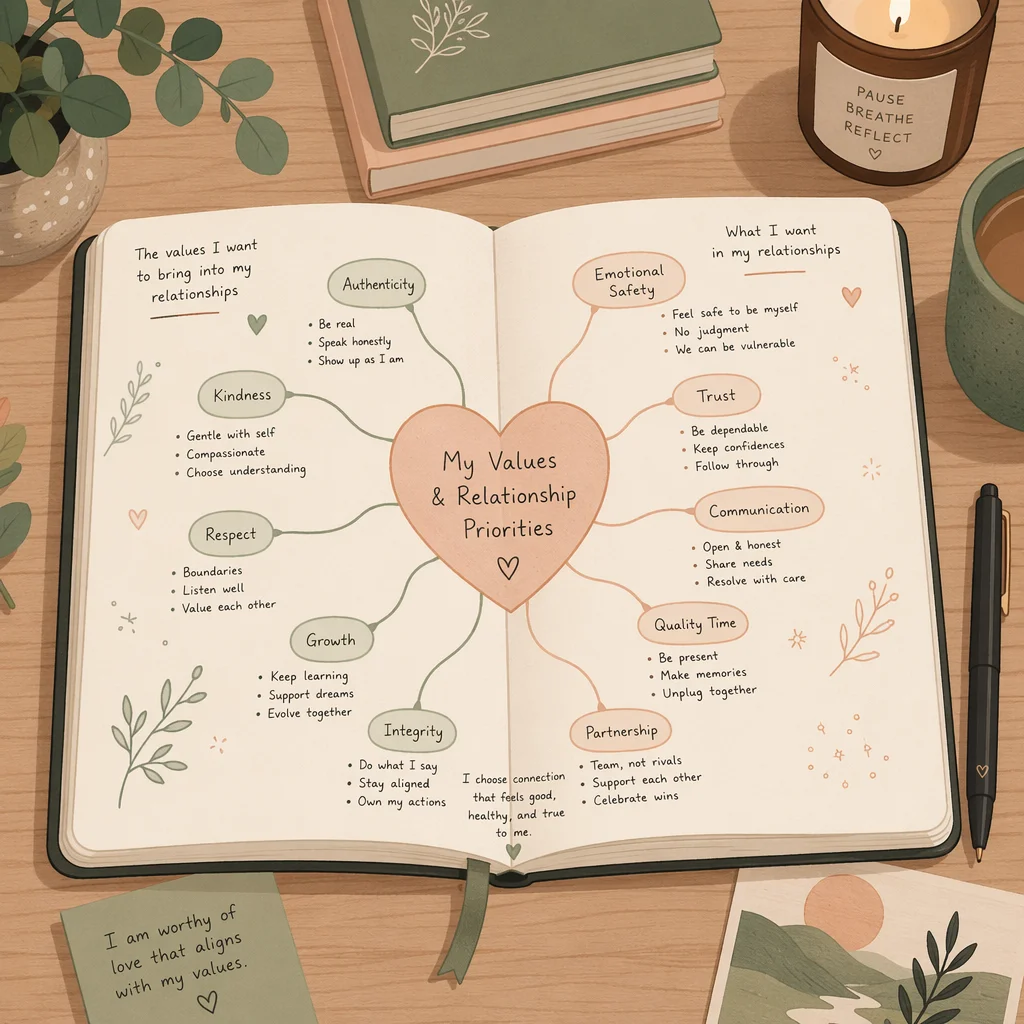
If relationship anarchy intrigues you, the best next step is simply to pay attention. Notice which of your relationship habits come from cultural scripts and which come from genuine desire. Notice who you turn to in crisis, in joy, in boredom. The people who show up across all of those moments — romantic or not — are the ones worth building something with, on purpose, on your own terms.
For further exploration, the psychology of non-traditional relationships offers research-backed perspectives on how different relationship models affect well-being and satisfaction. If you want to see how relationship anarchy stacks up against polyamory specifically, our guide to relationship anarchy vs polyamory breaks down the differences. And if you are ready to connect with others who share your curiosity about alternative relationship structures, you can explore what is possible right here at 3Cupid.
This article is part of 3Cupid’s ongoing series on relationship structures and ethical non-monogamy. Our content is written for adults exploring threesome dating, polyamory, swinging, and ENM with curiosity and care.