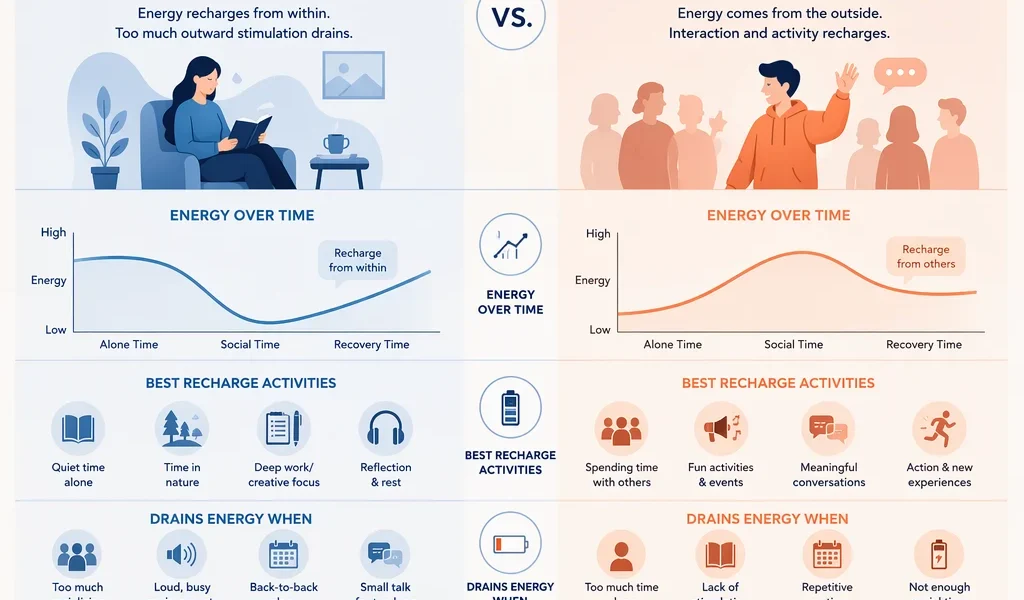
If you’ve ever looked at the swinging lifestyle and thought “that looks fascinating, but I’d be completely drained after ten minutes,” you’re not alone — and you’re not wrong about the energy cost. But you’re probably wrong about whether this lifestyle has a place for you. Swinging for introverts isn’t about pretending to be an extrovert. It’s about understanding your wiring, working with it instead of against it, and discovering that quiet people bring something genuinely valuable to lifestyle spaces.
Table of Contents
- Why Swinging Seems Built for Extroverts (and Why That’s a Myth)
- Understanding Your Social Battery in Swinging Settings
- Pre-Event Strategies: Preparing Without Draining Yourself
- Navigating Clubs and Parties as an Introvert
- Using Your Introvert Strengths in Communication
- When to Say No: Protecting Your Energy Without Guilt
- Finding Your People in the Lifestyle
- Introvert’s Energy Management Planner
This guide won’t tell you to “just put yourself out there” or “fake it till you make it.” Both of those approaches are energy disasters for introverts. Instead, we’ll look at how to engage with the swinging lifestyle in a way that respects your temperament, protects your social battery, and lets you actually enjoy the experience rather than just survive it.
Why Swinging Seems Built for Extroverts (and Why That’s a Myth)
At first glance, swinging does look like extrovert territory. Clubs are loud. Parties involve mingling with strangers. Profiles emphasize being “outgoing” and “fun.” The surface presentation of the lifestyle seems designed by and for people who thrive on social stimulation.
But this impression misses something crucial: the most successful swingers aren’t necessarily the loudest or most socially aggressive people in the room. They’re the ones who know themselves well, communicate clearly, and make others feel comfortable. Those are introvert strengths — not extrovert ones.
The swinging community is far more diverse than its public image suggests. Plenty of regulars at clubs and events are introverts who’ve learned to navigate the environment strategically. They’re just harder to spot because they’re not the ones dominating the center of the room — they’re the ones having the genuinely good conversations in the quieter corners.
Understanding Your Social Battery in Swinging Settings
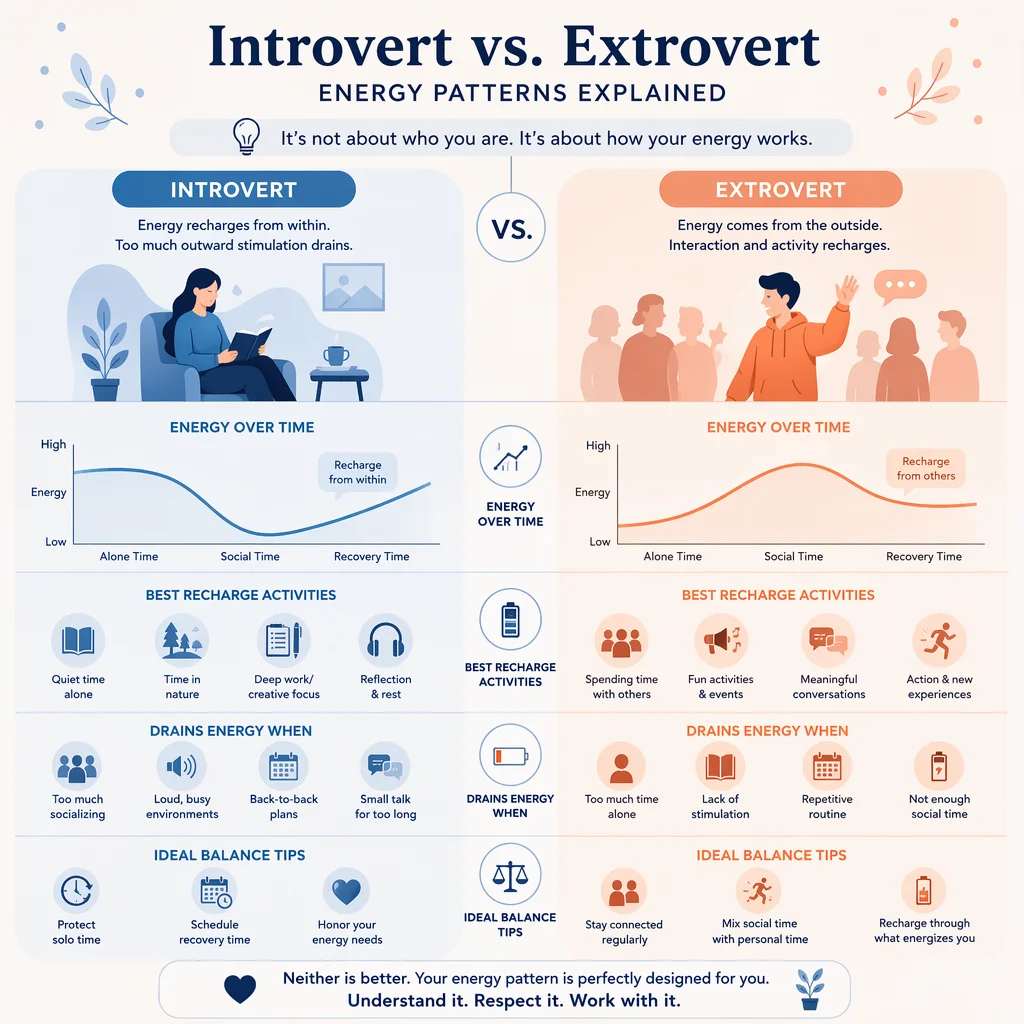
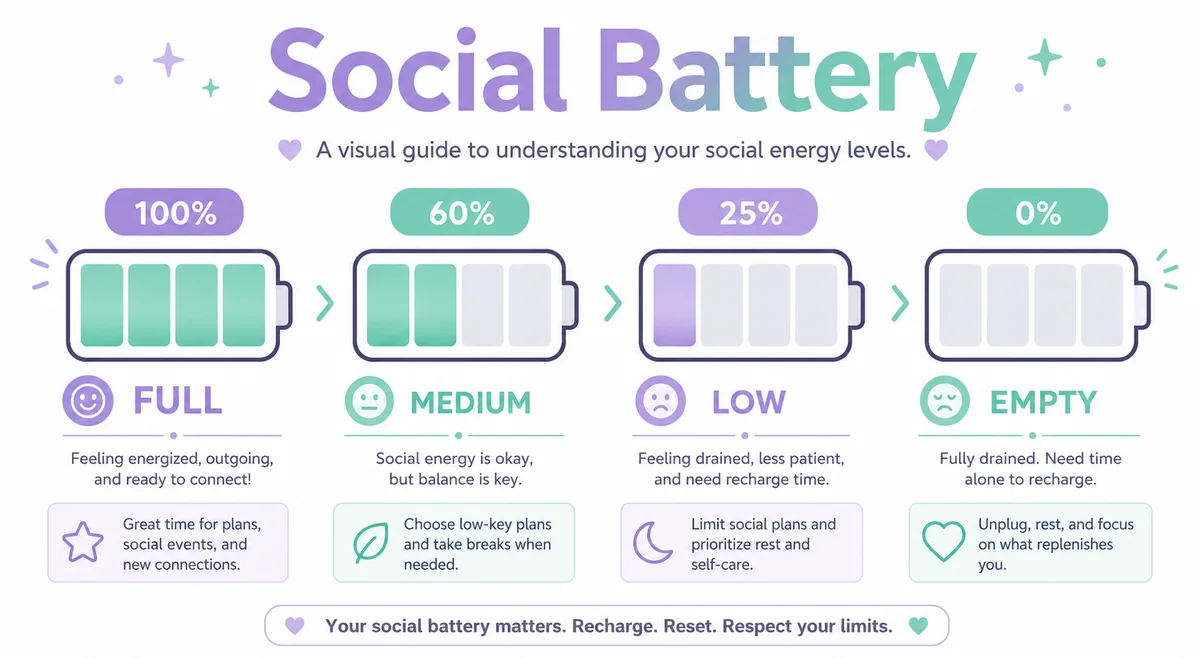
Introverts process social stimulation differently. Where extroverts tend to gain energy from social interaction, introverts expend it — and need solitude to recharge. This isn’t a flaw; it’s a different operating system. The key to enjoying lifestyle spaces as an introvert is learning to manage that battery proactively rather than reactively.
Your social battery in a swinging context will drain faster than in a typical social setting because the stakes feel higher. You’re not just making small talk — you’re navigating attraction, boundaries, and potentially intimate dynamics. That’s cognitively demanding even for extroverts. For introverts, it’s the equivalent of running multiple demanding apps on a phone that already has a smaller battery.
Practical battery management starts with knowing your baseline: How long can you typically socialize before you feel the need to withdraw? In a high-stimulation environment like a club, cut that estimate in half. If you can comfortably socialize for three hours at a dinner party, plan for about ninety minutes at a lifestyle event before taking a real break.
Pre-Event Strategies: Preparing Without Draining Yourself
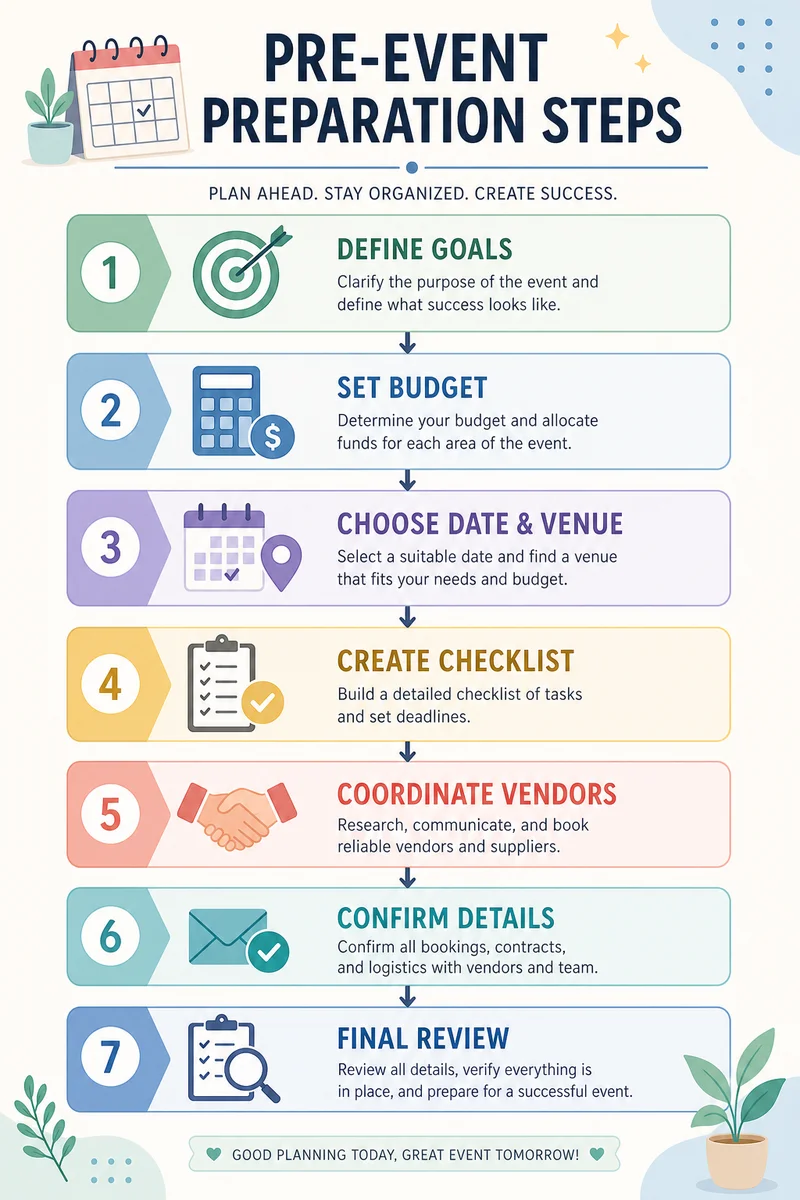
For introverts, preparation is everything. Walking into a lifestyle event without a plan is like showing up to a marathon without having eaten — you might make it, but you’ll suffer unnecessarily.
Effective pre-event preparation for introverts:
- Protect the day before the event. If you’re going to a club on Saturday night, keep Saturday daytime low-stimulation. Don’t schedule back-to-back social obligations. Give your nervous system a chance to be at baseline when you arrive.
- Set a realistic time box. Decide in advance: “We’ll arrive at 9, and I’ll check in with myself at 11 to decide whether to stay or go.” Having a defined exit option reduces the pressure of an open-ended commitment.
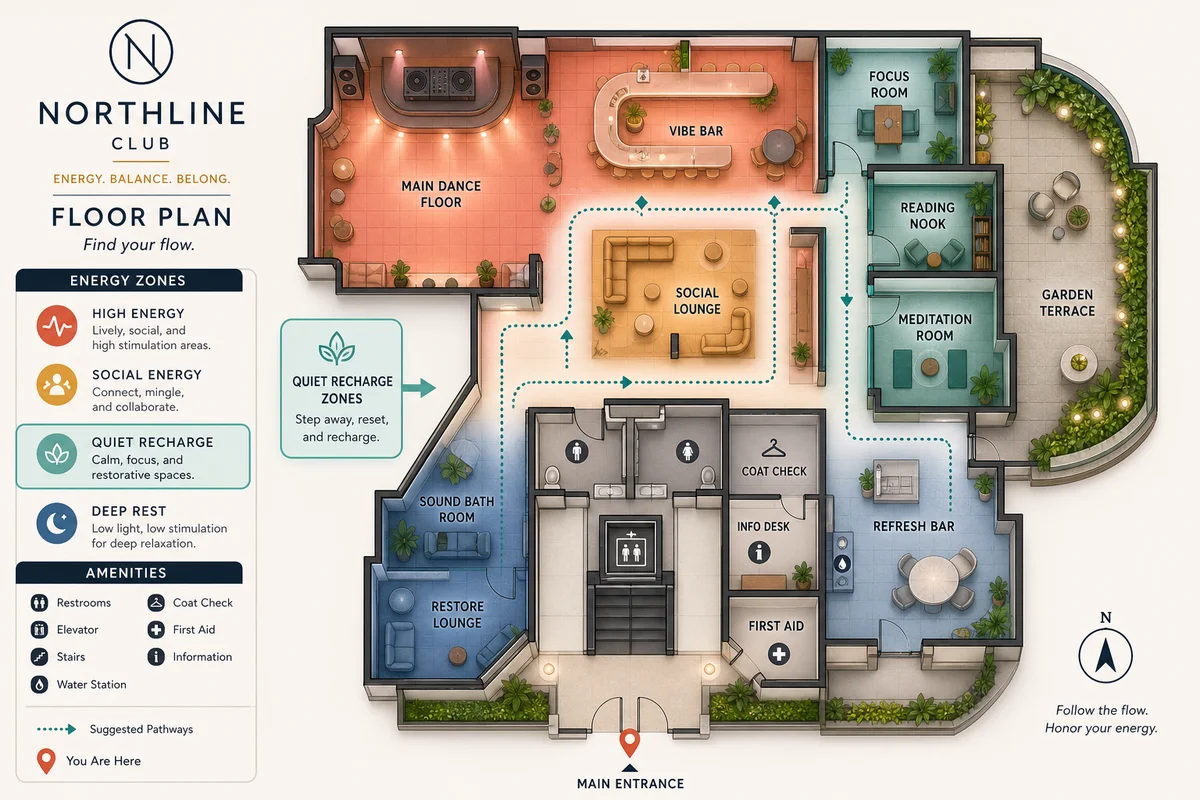
- Know the venue layout in advance. Is there an outdoor area? A quieter lounge? Knowing where you can retreat for five minutes of silence changes the entire psychological experience.
- Have a few conversation starters ready. Introverts often freeze when expected to make spontaneous small talk. Prepare two or three genuine questions you can ask anyone: “What brought you to this event?” or “How long have you been in the lifestyle?”
These strategies aren’t about avoiding interaction — they’re about creating conditions where interaction feels manageable rather than overwhelming.
Navigating Clubs and Parties as an Introvert
Lifestyle clubs are a particular challenge for introverts: loud music, crowds, and the expectation to be social. But they’re also spaces where experienced introverts have developed effective workarounds.
First, arrive early. Clubs are typically quieter in the first hour, which gives you time to acclimate to the space, find the quiet zones, and settle in before the energy peaks. This alone can make a dramatic difference in your comfort level.
Second, use physical positioning strategically. Standing at the edge of a room or near an exit isn’t awkward — it’s smart energy management. It lets you observe, choose when to engage, and slip away briefly when you need to reset. For more on navigating club environments, our swingers club etiquette guide covers the unspoken norms that make club navigation smoother for everyone.
Third, make peace with one-on-one conversations in group settings. Introverts often shine in deeper, focused interactions — and lifestyle events actually create natural opportunities for this. While extroverts work the room, you can build genuine rapport with one person or couple at a time. That depth of connection is frequently more impactful than breadth.
Using Your Introvert Strengths in Communication
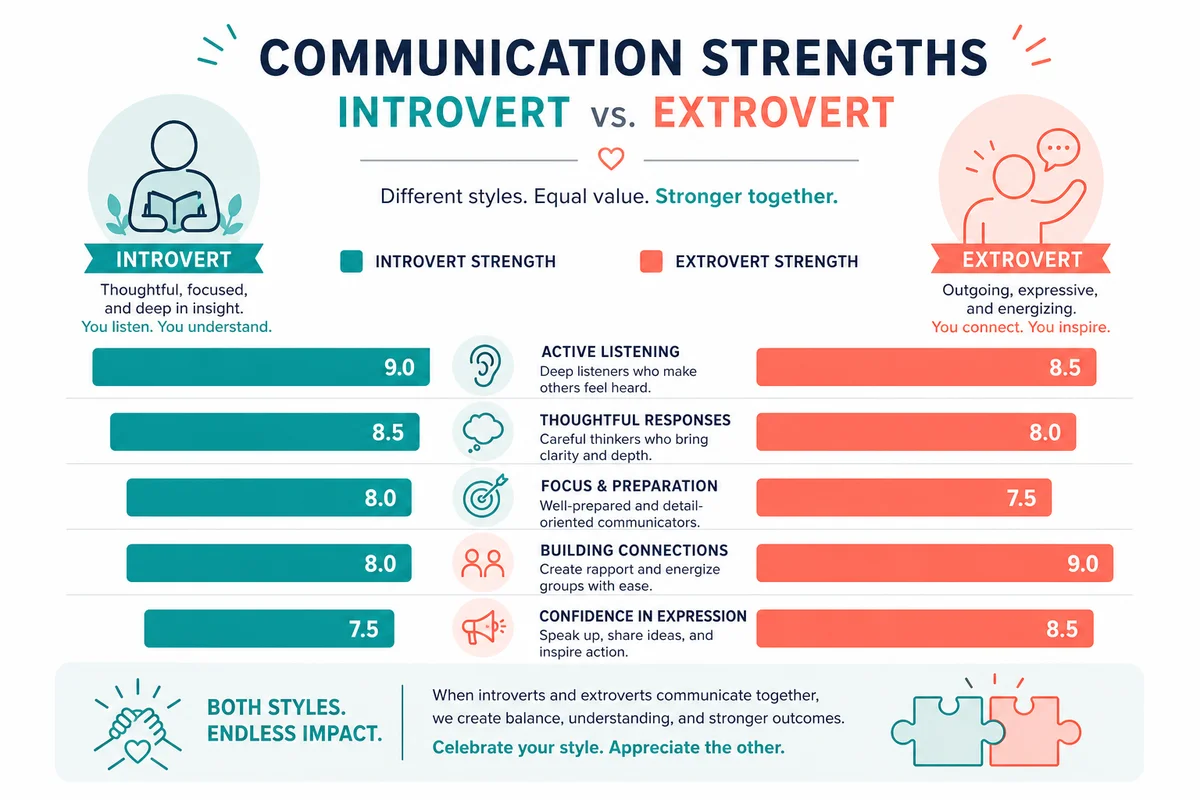
The lifestyle tends to reward qualities that many introverts possess naturally: listening carefully, reading emotional nuance, asking thoughtful questions, and creating space for others to express themselves. These aren’t consolation prizes for being quiet — they’re genuine advantages in a context where trust, safety, and emotional intelligence matter enormously.
When you’re talking to potential play partners, your tendency to listen more than you talk actually serves you well. People feel seen and heard by you in a way they might not with someone who dominates the conversation. That sense of being understood builds attraction faster than charisma alone.
Your comfort with silence — something extroverts often find uncomfortable — can also be an asset. In lifestyle negotiations, pauses create space for honest reflection. When discussing boundaries or desires, the ability to sit with a question without rushing to fill the silence often leads to clearer, more authentic answers.
When to Say No: Protecting Your Energy Without Guilt
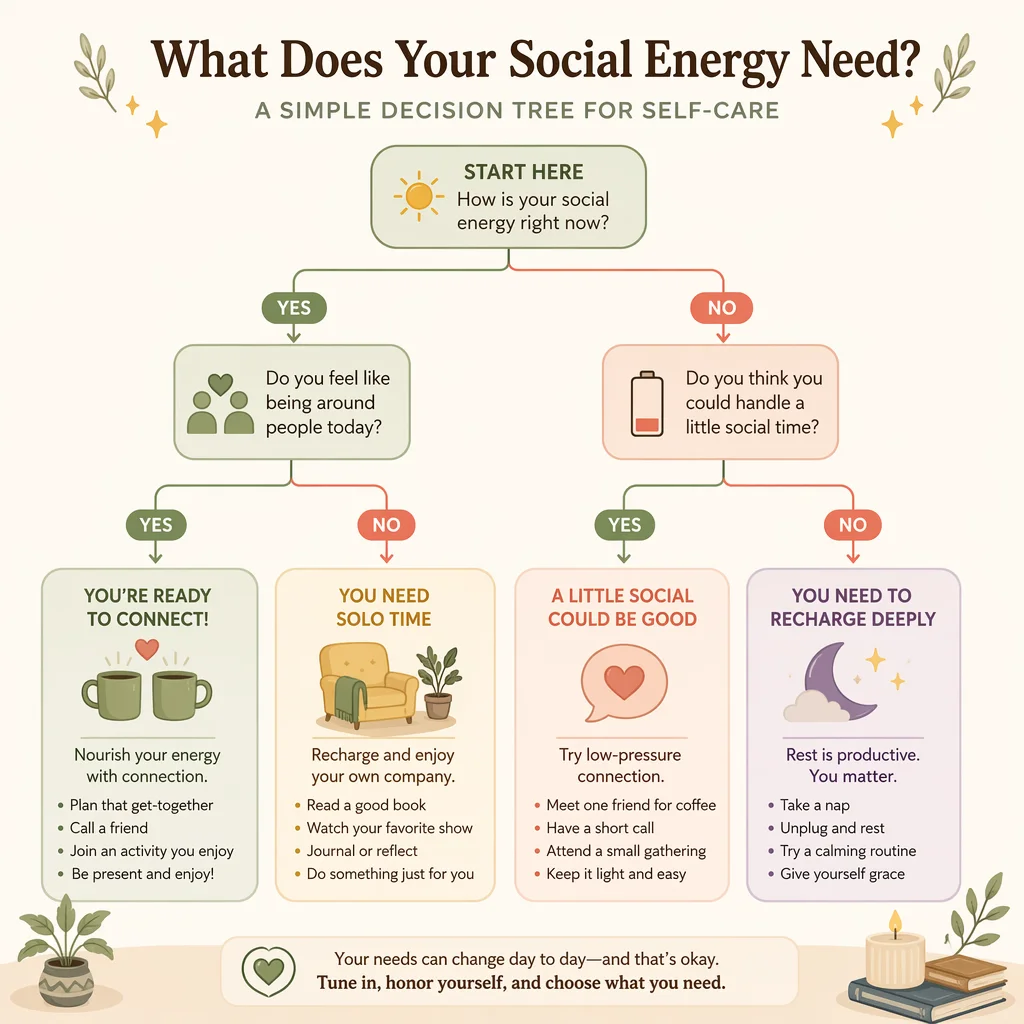
One of the hardest skills for introverts in any social context is declining participation without feeling like you’re letting people down or being “difficult.” In swinging, where social pressure can be subtle but real, this skill is essential.
A few scripts that preserve relationships while protecting your energy:
- “I’m really enjoying talking with you, but I need to take a quiet break for a bit. I’ll circle back later if you’re still around.”
- “Tonight’s been great, but my social battery is running low. We’re going to head out — really glad we met you.”
- “I’d love to continue this conversation somewhere a little quieter. Would you be up for moving to the lounge area?”
Notice what these scripts share: they affirm the connection, name the need clearly without apology, and offer a path forward when possible. None of them require you to explain or justify your introversion. Your energy limits are valid boundaries, not character flaws.
Finding Your People in the Lifestyle
Not every corner of the swinging lifestyle will feel like home. Some events skew heavily toward high-energy, high-stimulation experiences that will drain introverts quickly. Others — often smaller gatherings, discussion groups, and meetups organized through platforms like 3Cupid — create space for the kind of slow-build connections introverts thrive on.
Look for events described as “low-key,” “beginner-friendly,” or “social rather than play-focused.” Munches (casual meetups at restaurants or bars) are an introvert’s ideal entry point: structured around food and conversation rather than performance, with zero expectation of anything beyond meeting people.
Online communities can also serve as a bridge. Building familiarity through text-based interaction before meeting in person reduces the cognitive load of first encounters dramatically. Our guide to finding your swinging community covers this in more depth. If body confidence adds another layer to your social anxiety — which it does for many introverts — our article on body image in the swinging lifestyle addresses the intersection directly.
Introvert’s Energy Management Planner
Use this planner before your next lifestyle event to set yourself up for a sustainable, enjoyable experience:
24 Hours Before
☐ Protected low-stimulation time scheduled (reading, solo walk, quiet evening)
☐ Outfit chosen and tested for physical comfort
☐ Venue layout researched — quiet zones identified
☐ 2-3 conversation starters prepared and mentally rehearsed
☐ Time box set: arrival time + check-in point + tentative departure time
At the Event
☐ Arrived early to acclimate before peak energy
☐ Positioned near edges or quiet zones for easy retreat
☐ Engaged in at least one one-on-one conversation (depth over breadth)
☐ Took at least one real break (outside/quiet area, 5-10 minutes alone)
☐ Noticed battery level at check-in time and made intentional stay/go decision
After the Event
☐ Scheduled genuine recharge time the next day (not “productive” rest — actual rest)
☐ Journaled or discussed: what worked well for my energy? What would I adjust?
☐ Noted any guilt about needing solitude — and actively reframed it as responsible self-care
☐ Celebrated showing up authentically, regardless of how long I stayed
The swinging lifestyle doesn’t require you to become someone else. It requires you to become more fluent in who you already are — and to trust that the right people will appreciate exactly that. Research on introversion consistently shows that introverts thrive in social environments when they’re given autonomy over their level of engagement. The lifestyle is full of people who value depth, authenticity, and genuine connection — the very things introverts bring naturally. You don’t need to be the loudest person in the room. You just need to be the most present version of yourself.
Editor’s note: This article is part of 3Cupid’s series on navigating swinging with authenticity. If you’re new to the lifestyle, start with our soft swinging introduction for a gentle entry point that respects your pace.