
Table of Contents
- What ENM Emotional Burnout Actually Feels Like
- Why Non-Monogamous Relationships Are Especially Draining
- The Early Warning Signs Most People Miss
- When Burnout Has Already Taken Hold
- A Self-Assessment: Is It Burnout or Something Else?
- How to Start Recovering Before You Crash
- Listening to the Warning Signs
What ENM Emotional Burnout Actually Feels Like
You used to feel excitement before a date. Now you feel a vague sense of obligation. Conversations that once energized you have started to feel like work. You catch yourself zoning out during check-ins, scrolling your phone when you should be present, and feeling relief when plans get canceled.
This is ENM emotional burnout — and it sneaks up on most people long before they name it.
Burnout in non-monogamous relationships doesn’t look like the burnout you get from a demanding job. It’s not about working too many hours or missing sleep. It’s about the cumulative emotional weight of maintaining multiple relationships, processing complex feelings, scheduling endlessly, and showing up as your best self across every connection. When the emotional reserves run dry, everything starts to feel like a drain — even the relationships you deeply value.
Researchers studying emotional burnout have identified three core dimensions: emotional exhaustion, depersonalization or cynicism, and a reduced sense of personal accomplishment. In ENM specifically, these manifest in ways most advice articles never address — like dreading partner check-ins you used to enjoy, feeling resentment toward a metamour who hasn’t done anything wrong, or wondering whether non-monogamy itself was a mistake when the real problem is that you have simply run out of emotional bandwidth.

Why Non-Monogamous Relationships Are Especially Draining
Monogamous relationships have a single emotional center of gravity. ENM relationships have multiple centers, each with its own needs, rhythms, and occasional crises. This is not a flaw in the relationship structure — it is simply the reality of caring deeply about more than one person at a time.
But certain ENM-specific dynamics make burnout more likely than most people anticipate:
Constant emotional processing. Every new partner, every scheduling conflict, every moment of jealousy or compersion requires emotional labor. In monogamy, you process relationship emotions during occasional difficult conversations. In ENM, the processing never really stops — there is always another conversation on the horizon.
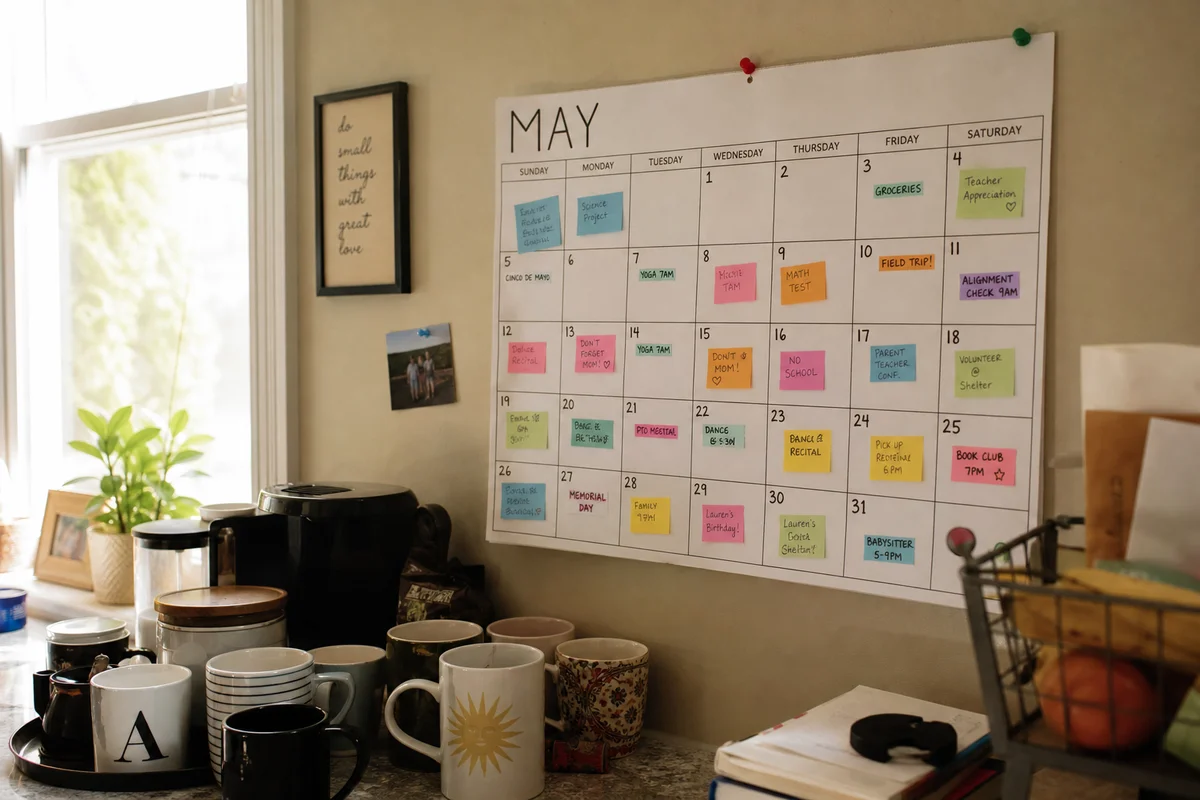
Scheduling as a second job. Coordinating calendars across two, three, or more partners — plus work, friends, family, and alone time — is not a trivial task. The administrative overhead of ENM can become exhausting on its own, separate from any emotional challenges.
Metamour dynamics you did not choose. You may have chosen your partners, but you did not choose their other partners. Navigating metamour relationships — especially when there is tension — adds an invisible layer of emotional load that rarely gets acknowledged.
Fewer models for what healthy looks like. Most people grow up with monogamous relationship scripts. ENM requires you to build your own map, often through trial and error. The cognitive load of designing your relationship structures from scratch is real, and it accumulates over time.
None of this means ENM is unhealthy. It means ENM requires intentional energy management — and most people never get taught how to do that.
The Early Warning Signs Most People Miss
Burnout does not announce itself. It arrives in small, easy-to-dismiss shifts in your behavior and emotional landscape. Here are the early signs that tend to get rationalized away:
You start avoiding communication. Texts from partners that used to make you smile now make you flinch. You take longer to reply. You find yourself thinking “I’ll deal with this later” more often than not. Avoidance is one of the earliest and clearest signals that your emotional capacity is running low.
Date nights feel like appointments. When you catch yourself treating time with a partner the same way you treat a dentist appointment — something to get through rather than something to look forward to — pay attention. This is not necessarily a sign that the relationship is wrong. It may be a sign that you are running on empty.
You resent people who have not done anything wrong. A metamour posts a happy photo with your partner and you feel a spike of irritation. Your partner asks a reasonable question about scheduling and you snap. When you start directing irritation at people who are simply existing in your relational orbit, your emotional reserves are likely depleted.

You feel relief when plans get canceled. This one is subtle but telling. If a partner texting “can we reschedule?” feels like winning the lottery, something deeper is going on. Relief at cancellation is your nervous system telling you it needs a break.
These early signs matter because catching burnout at this stage makes recovery far simpler. If you wait until the advanced stage, the path back is longer and often involves temporarily stepping away from dating entirely — something we cover in our guide on how to support a partner navigating ENM emotional strain.
When Burnout Has Already Taken Hold
If the early signs go unaddressed, burnout deepens. The advanced stage looks different — and more serious:
Emotional numbness. You stop feeling much of anything. Not anger, not excitement, not jealousy, not compersion. Just flatness. This is your emotional system hitting a protective shutdown. When a partner shares something vulnerable and you feel nothing in response, burnout has moved from warning sign to active crisis.
Decision paralysis. Even small relational decisions — which night to see someone, whether to attend a polycule gathering, how to respond to a simple text — start to feel overwhelming. Your brain’s executive function is depleted, and everything feels disproportionately heavy.
Physical symptoms. Burnout is not just emotional. It often shows up as disrupted sleep, changes in appetite, headaches, or a general sense of physical depletion. If you are exhausted even after a full night of rest, your body may be carrying the weight your mind has been trying to process alone.

Questioning everything. In the advanced stage of burnout, people often start doubting their relationship choices entirely. “Maybe I’m not cut out for non-monogamy.” “Maybe all of this was a mistake.” These thoughts are often burnout talking — not an accurate reflection of your values or your relationships. Distinguishing between genuine incompatibility and burnout-induced despair is one of the most important skills in ENM, and it is also a core theme in our article on managing anxiety in non-monogamous relationships.
A Self-Assessment: Is It Burnout or Something Else?
Before you take action, it helps to know whether what you are experiencing is actually ENM emotional burnout — or something adjacent like depression, a relationship-specific problem, or general life stress. Use this checklist to orient yourself.
Burnout Self-Assessment for ENM
- □ I feel drained by relational activities that used to energize me.
- □ I avoid phone calls, texts, or planning conversations with partners.
- □ I feel relief when dates or gatherings are canceled.
- □ I am more irritable with partners and metamours than usual.
- □ The thought of adding a new connection feels impossible, not exciting.
- □ I have started to feel numb or detached during intimate conversations.
- □ My sleep, appetite, or energy levels have changed noticeably.
- □ I find myself questioning whether ENM is ‘worth it’ more often than usual.
How to interpret your results: If you check 1-2 items, you may be approaching the early edge of burnout — a weekend of reduced social engagement might be all you need. If you check 3-5 items, burnout is taking hold and requires deliberate intervention. Consider reducing your dating calendar for two to four weeks. If you check 6 or more, you are in advanced burnout territory and should consider the pause strategies outlined in our guide on building emotional resilience in non-monogamous relationships.
Important distinction: if your low mood persists regardless of changes in your ENM activity level — and if you have lost interest in non-relational activities too — consider speaking with a mental health professional. Burnout is circumstantial. Depression is clinical. They can coexist, and they can look similar, but the treatment path differs.

How to Start Recovering Before You Crash
Recovery from ENM emotional burnout is not about “pushing through.” It is about reducing input so your emotional system can reset. Here are the most effective starting points:
1. Cut your calendar in half for two weeks. This sounds drastic, and it is. But if you are burned out, you do not have the capacity for your current schedule. Cut non-essential dates, group events, and anything that fills your calendar with relational obligations. Tell your partners what you are doing and why. Most will understand — and if they do not, that is useful information.
2. Institute a temporary communication boundary. Let partners know you will be slower to respond for a set period. Something like: “I’m noticing some emotional fatigue and I’m going to take the next week to recharge. I will still respond to important things, but I might not be as available for casual texting.” Giving people a timeline prevents them from spiraling into anxiety about your silence.
3. Reclaim solo time that is genuinely solo. Not scrolling dating apps. Not texting partners. Not processing feelings or journaling about relationships. Just you, doing something you enjoy, with no relational agenda. Walk, cook, read a novel, watch a movie. The goal is to remind your nervous system that you exist as a complete person outside of your relationships.
4. Identify the specific drain, not the vague one. Instead of thinking “ENM is exhausting me,” get specific. Is it one particular relationship that is draining? The scheduling? A tense metamour dynamic? The emotional processing load? Naming the specific drain lets you address it surgically instead of throwing out the whole structure.
5. Reconnect with your “why.” When you are burned out, it is easy to forget why you chose non-monogamy in the first place. Write down what you value about this relationship structure — not for anyone else to read, but for yourself. Autonomy, variety, deep connections, personal growth, community. Reconnecting with your motivations helps you distinguish between “I need rest” and “I need a different life.”

If these early steps are not enough and you feel you may need a longer pause from dating, that is a valid and healthy choice. Our companion guide on how to take a healthy break from ENM dating walks through the full process of communicating a pause to partners, using the time intentionally, and returning with clarity. For additional perspective on what partners experience during these periods, read our guide on supporting a partner through ENM emotional challenges.
Listening to the Warning Signs
ENM emotional burnout is not a sign of failure. It is a sign that you have been giving more than your system can sustain — and that is something every person in non-monogamous relationships will face at some point. What matters is not whether you burn out, but whether you listen when the warning signs appear.
The people who thrive in ENM over the long term are not the ones who never get tired. They are the ones who know how to recognize when they are running low and have the self-awareness to step back, recalibrate, and return when they are genuinely ready. Burnout is information. Use it.
If you are currently in the thick of it, start small. Cancel one thing. Take one evening for yourself. Tell one partner how you are actually feeling. You do not need to solve everything today — you just need to stop digging.
This article was written by the 3Cupid editorial team. 3Cupid is a dating platform for adults exploring threesome dating, ENM, and polyamory. All content is intended for readers 18+ and reflects our commitment to informed, empathetic relationship guidance.