
You love the lifestyle. The events, the connections, the way it’s opened up your relationship in ways you didn’t expect. But somewhere along the way, the excitement that used to carry you through each weekend started feeling more like exhaustion. You’re still showing up, but you’re less present. Conversations feel repetitive. The thought of another club night makes you want to stay home and watch something mindless.
That’s not a sign you’ve outgrown swinging. It’s a sign you need to pace yourself differently.
Swinging lifestyle burnout prevention isn’t about quitting or taking a permanent break. It’s about recalibrating so the lifestyle stays a source of energy instead of something that drains you. Here’s how to do that without losing the momentum you’ve worked to build.
Table of Contents
- Why Swinging Can Lead to Burnout
- Recognizing the Early Signs of Lifestyle Fatigue
- Setting a Sustainable Pace
- Quality Over Quantity in Your Connections
- Protecting Your Relationship’s Recovery Time
- Knowing When to Sit One Out
- Building a Burnout-Resistant Approach

Why Swinging Can Lead to Burnout
Swinging is socially, emotionally, and physically demanding in ways that vanilla socializing rarely is. You’re meeting new people, managing first impressions, reading group dynamics, staying attuned to your partner’s comfort level, and navigating attraction — all while maintaining the social energy of a good guest. Even when you’re having a great time, your nervous system is working overtime.
Most couples don’t notice the accumulation because the early experiences are genuinely thrilling. That novelty creates a natural high that masks fatigue. But novelty has a shelf life. After six months or a year of regular events, the same scenarios that once felt electric can start to feel like a routine you’re obligated to maintain.
Research on social burnout from Psychology Today reinforces what many lifestyle veterans discover on their own: sustained high-intensity socializing without adequate recovery doesn’t just drain your energy — it can erode the very enthusiasm that drew you to an activity in the first place. The swinging lifestyle burnout prevention strategies that work best mirror what we know about general burnout recovery: intentional pacing, boundary-setting, and protected rest periods.
The relationship dimension adds another layer. You’re not just managing your own energy — you’re managing the energy of a partnership that needs to stay aligned. When one person starts to drag, the other often feels pressure to compensate, and that imbalance eventually catches up to both of you.
Recognizing the Early Signs of Lifestyle Fatigue
Burnout doesn’t announce itself. It shows up in small ways that are easy to dismiss.
You might notice you’re going through the motions at events — smiling, chatting, being polite — but feeling emotionally checked out. You might start dreading the Friday night logistics: the drive, the outfit planning, the small talk warm-up. The idea of meeting yet another couple starts to feel more like work than an adventure.
Other signs include irritability with your partner over minor decisions (which club, which night, who to message back), a creeping sense of relief when plans get canceled, and a decline in the quality of your interactions during play. When you’re just showing up physically but not really showing up, it’s time to reassess.
For a deeper dive into recognizing the emotional patterns that lead to fatigue in non-monogamous contexts, our guide on recognizing ENM dating fatigue before it becomes burnout covers the psychological warning signs in more detail.
The key distinction: burnout isn’t a problem with the lifestyle. It’s a problem with how you’re approaching it right now.
Setting a Sustainable Pace
Most couples fall into an all-or-nothing pattern when they discover swinging. They go from zero to every weekend, RSVP-ing to everything, treating the lifestyle calendar like a to-do list they can’t afford to fall behind on.
A sustainable pace usually looks different. For many experienced couples, once or twice a month is the sweet spot — frequent enough to maintain connections and momentum, but spaced enough to allow full recovery between events. Some couples thrive on more; others do better with less. There’s no universal number, and the right rhythm depends on your personalities, your work demands, whether you have kids, and what else is happening in your lives.
What matters more than frequency is consistency with flexibility. If you block out one lifestyle weekend a month and protect it, you’ll maintain more reliable momentum than if you frantically try to make every event and burn out after three months.
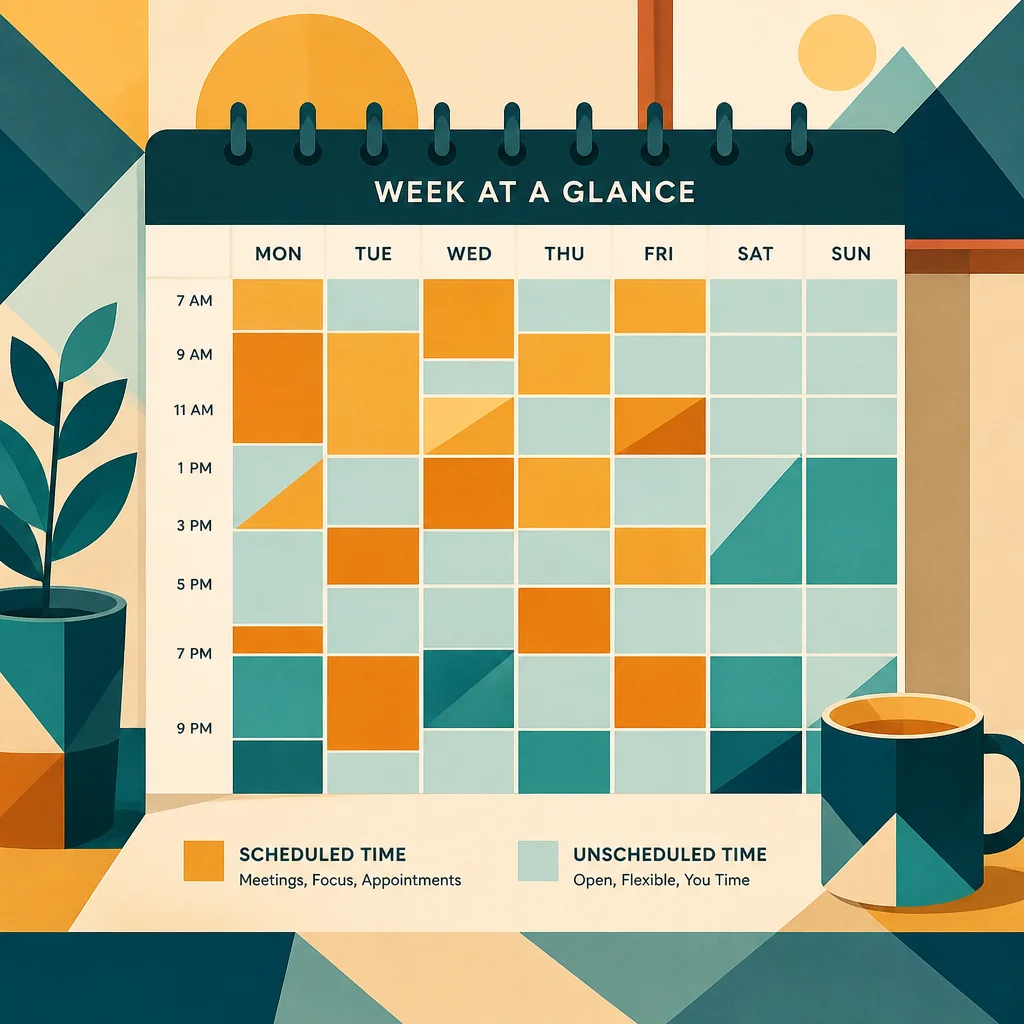
Try this: Sit down with your partner and a calendar. Look at the next three months. Before you add a single swinging event, block out your non-negotiable rest weekends first — family time, date nights just the two of you, weekends where you do absolutely nothing. The events that fit around those protected blocks are your realistic capacity. Build from there.

Quality Over Quantity in Your Connections
When you’re new to the lifestyle, quantity can feel like the measure of success. More events, more conversations, more connections. But as you settle in, you’ll notice that one genuinely warm conversation with people you already know can be more satisfying than five rounds of introductions with strangers.
This is where deepening genuine friendships within your swinging community becomes a practical burnout prevention tool. When you walk into a club and see familiar faces you actually like — not just people you’ve connected with, but people you genuinely enjoy talking to — the social effort drops significantly. You can skip the exhausting performance of first impressions and settle into something more natural.
Think about which connections have felt energizing rather than draining. Which couples or singles left you feeling lighter after spending time with them? Prioritize those people. Let the rest find their natural level.
Investing in fewer, deeper connections also reduces decision fatigue. You’re not constantly evaluating new prospects, running through mental checklists, or managing the uncertainty of whether someone is a good fit. You’ve already answered those questions.
Protecting Your Relationship’s Recovery Time
The most overlooked part of swinging lifestyle burnout prevention is what happens between events. Not the debrief (though that matters too), but the genuine recovery time where you and your partner are just a couple again — no profiles, no group chats, no planning the next thing.
This recovery time serves two purposes. First, it gives your nervous system a reset. The heightened social awareness required at lifestyle events isn’t something you can sustain indefinitely. Your brain needs stretches where it’s not scanning for social cues, managing group dynamics, or navigating attraction in a charged environment.
Second, it reinforces the foundation everything else is built on. Your relationship isn’t an accessory to your swinging life. The swinging is an addition to your relationship. When you protect time where you’re just the two of you — cooking together, taking a walk, watching something mindless on TV — you’re protecting the thing that makes swinging possible in the first place.
Couples who treat recovery time as non-negotiable tend to last longer in the lifestyle than couples who treat it as whatever time is left over.

Knowing When to Sit One Out
Saying no to an event when you’re genuinely tired isn’t weakness — it’s calibration. The couples who stay in the lifestyle for years aren’t the ones who never miss an event. They’re the ones who know when to skip.
But sitting one out can stir up anxiety. What if people forget about us? What if we miss something great? What if our partner resents staying home even though they agreed?
Those fears are real, but they’re usually louder in your head than in reality. The community you’ve built isn’t going to evaporate because you missed one party. And if your partner says they’re fine staying home, trust them — managing resentment over a missed event is a different conversation, one we cover in depth in our guide on pausing the lifestyle without building resentment.
When one of you wants to go and the other doesn’t, the default should be staying home together. The lifestyle is a shared experience. If one person is dragging, the shared experience at the event is already compromised. You’re better off staying in, reconnecting, and showing up fully next time.
Building a Burnout-Resistant Approach
The couples who sustain momentum in swinging for years tend to share a few habits.
First, they treat the lifestyle as a season — something that ebbs and flows with the rest of their lives. They’re more active during low-stress periods and naturally pull back when work, family, or health demands more attention. They don’t fight the rhythm; they work with it.
Second, they’ve learned to separate FOMO from genuine desire. Before saying yes to an event, they ask themselves: “Do I actually want to go, or am I just afraid of what I’ll miss?” If the answer is the latter, they stay home.
Third, they’ve built a community within the community — people they genuinely care about and who care about them. When the lifestyle feels like a social circle rather than a performance circuit, the energy math changes completely. You’re refueled by the people, not drained by the effort of meeting them.
Finally, they’ve internalized that swinging lifestyle burnout prevention isn’t a one-time fix. It’s ongoing maintenance, like checking the oil in your car. You do it regularly so you don’t break down on the highway.

Know Your Signals
Here’s a practical self-check you and your partner can use when you’re trying to decide whether it’s time to dial back:
| Signal | What It Might Mean |
|---|---|
| You feel relieved when plans get canceled | You need a break — take one before resentment builds |
| You’re excited about events but exhausted after | Your pacing is close to right but recovery needs more protection |
| One of you consistently wants to go more than the other | Pause and realign — don’t let one person carry both |
| You’re going through the motions during interactions | Immediate break needed — check in with each other |
| You’re dreading the logistics more than looking forward to the experience | Reduce frequency and simplify the ones you keep |
The goal isn’t to swing less. It’s to swing in a way that leaves you with more energy than you started with — not less.
And if you’re looking for people who understand that the lifestyle is a marathon, not a sprint, you’ll find them right here at 3Cupid, where thoughtful couples and singles connect at a pace that actually works.
Editorial note: This article reflects the experiences shared by members of the swinging and ENM communities. Individual experiences vary, and all lifestyle participation should be rooted in enthusiastic consent, open communication, and mutual care.