Most threesome conversations start with excitement. Couples imagine the possibilities, singles wonder what it would be like, and the fantasy takes shape long before anyone sends a first message. That anticipation is normal — but it is also where the most common threesome mistakes begin.
The reality is that threesomes that go well almost always share one thing: the people involved spent as much time preparing as they did fantasizing. The ones that go sideways usually share the opposite pattern — they rushed, skipped steps, or assumed good intentions would be enough.
This article walks through the mistakes that come up again and again in threesome dating, whether you are a couple looking for a third or a single considering joining one. Every section includes what the mistake looks like, why it causes problems, and — most importantly — what to do instead.
Table of Contents
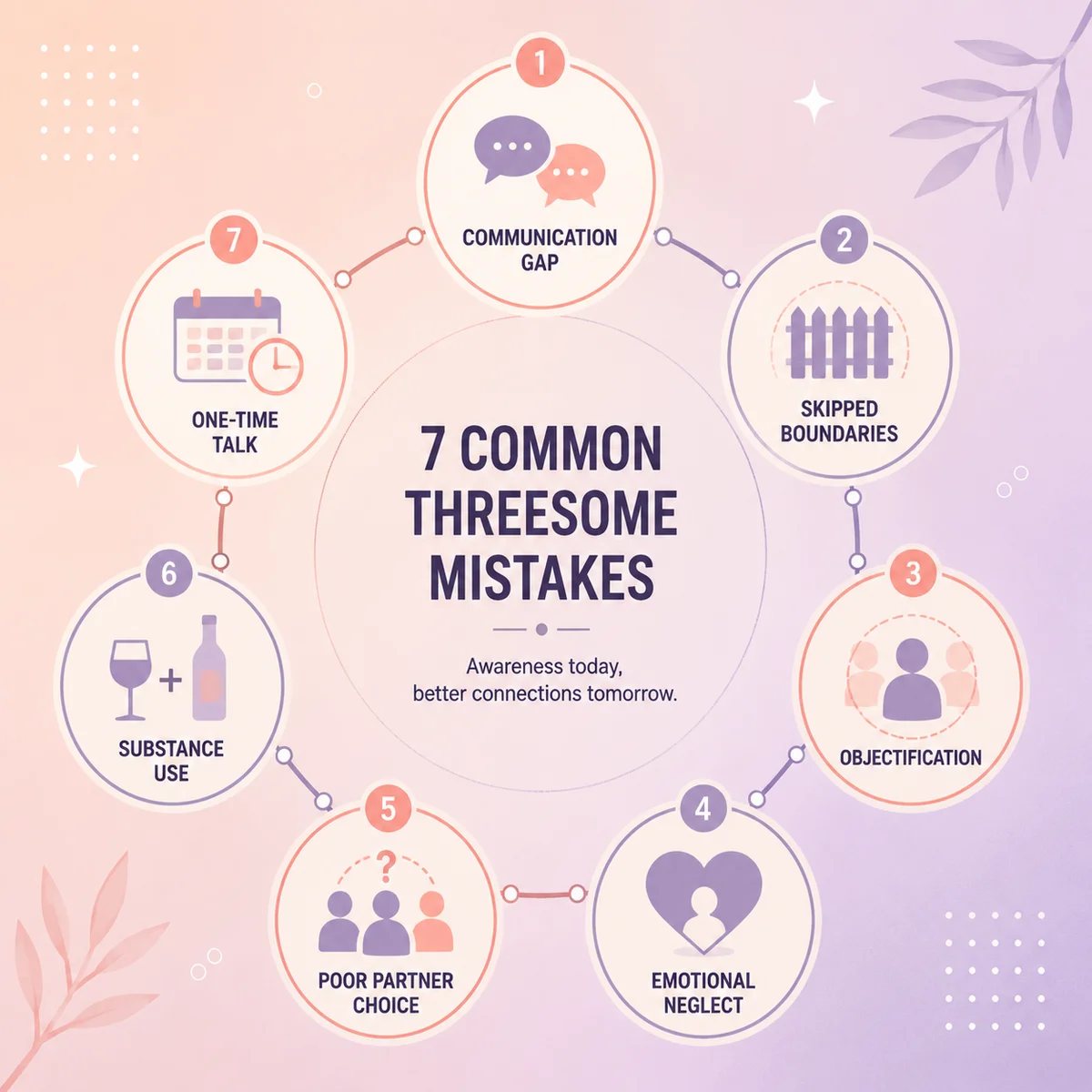
- Rushing In Without Enough Conversation
- Skipping the Boundaries Conversation
- Treating the Third Partner Like an Accessory
- Underestimating the Emotional Aftermath
- Choosing the Wrong Third for the Wrong Reasons
- Letting Substances Cloud Your Judgment
- Believing One Conversation Is Enough
Rushing In Without Enough Conversation
This is the single most common threesome mistake couples make, and it almost always follows the same script. One partner brings up the idea. The other partner, wanting to be supportive or adventurous, says yes before they have actually sat with the question. Within days — sometimes hours — they are scrolling through profiles together.
The problem is not the speed itself. It is that speed usually means skipping the conversations that would have surfaced mismatched expectations, hidden fears, or unspoken conditions. One person might be imagining a one-time experience while the other is picturing an ongoing arrangement. One might assume certain acts are off the table; the other might assume the opposite.
What this looks like in practice: a couple who talked about a threesome exactly twice — once when the idea was floated and once when they matched with someone — and then found themselves in a situation neither felt prepared for. The awkwardness that follows often has nothing to do with compatibility and everything to do with skipping the groundwork.
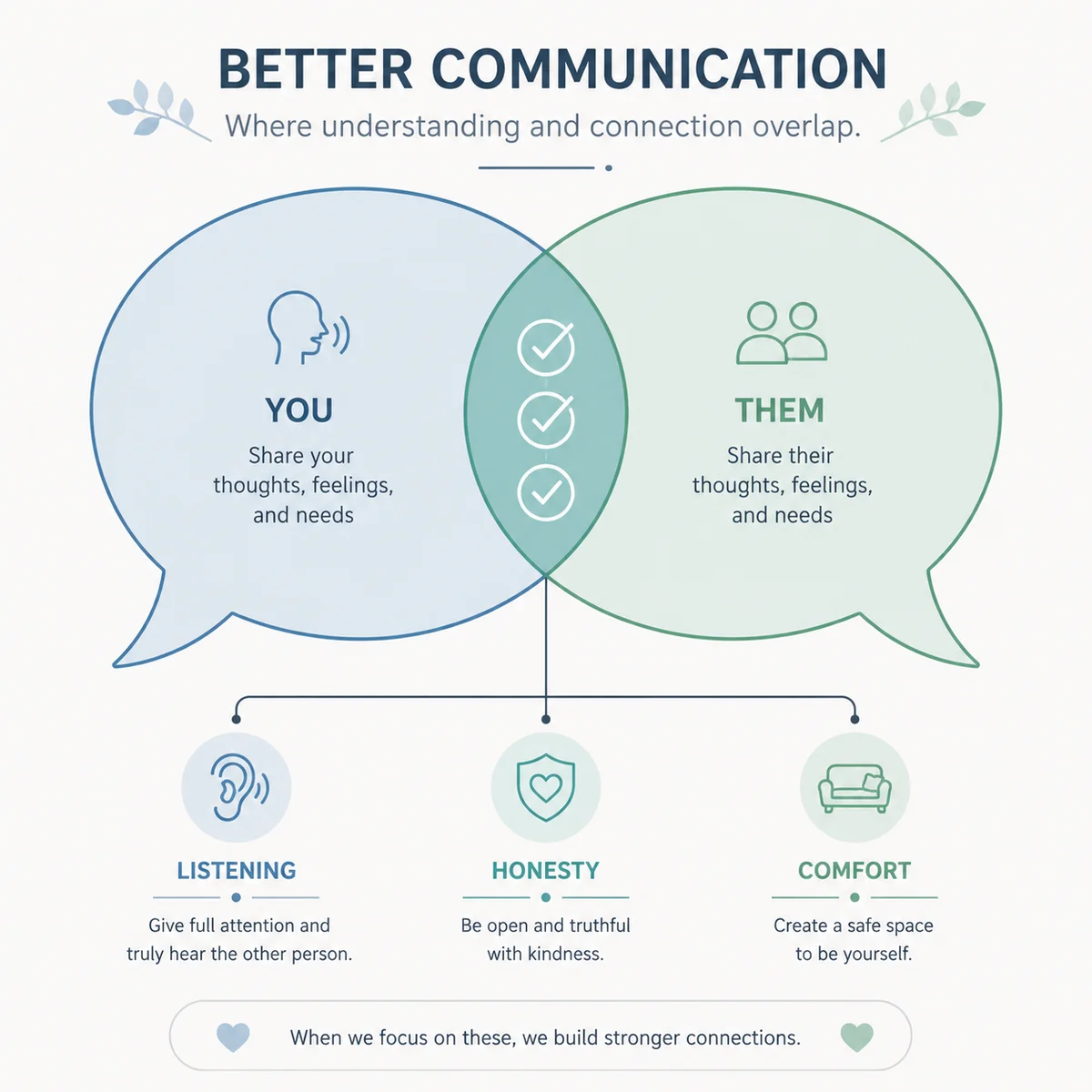
What to do instead: Give the conversation at least a week — not a day, not an evening — before taking any action. Use that time to each write down what you are hoping for, what makes you nervous, and what would make you feel safe. Compare notes. If your lists look completely different, you just saved yourselves a difficult experience. If they align, you now have a shared starting point that neither of you invented in the heat of the moment.
Skipping the Boundaries Conversation
Plenty of couples have a boundaries conversation. The mistake is having the wrong kind of boundaries conversation — one that stays at the surface level of “what acts are okay” without touching the deeper questions that actually determine whether everyone feels safe.
Surface-level boundaries cover physical acts. That matters, but it is not enough. The conversations that prevent the most serious misunderstandings cover things like: What happens if one of us wants to stop mid-experience? How do we signal that? What does aftercare look like for us as a couple? Is communication with the third allowed between encounters, and if so, what is the format — group chat only, or one-on-one messages?
Skipping this layer is why so many people describe feeling blindsided during or after a threesome. They agreed on physical limits but never discussed the emotional and logistical guardrails that would have made those limits actually enforceable in the moment.
What to do instead: Use a structured boundaries checklist — it forces you to address categories you might not think to bring up on your own. Our threesome boundaries checklist covers physical, emotional, communication, and aftercare boundaries in one framework. Go through it together before you start looking for a third. If you disagree on any item, that is not a dealbreaker — it is exactly the conversation you needed to have.
Treating the Third Partner Like an Accessory
This threesome mistake is so common in the ENM community that it has its own vocabulary — “unicorn hunting,” “couple privilege,” “third as a prop.” The pattern is not always malicious. Often it comes from a couple who have never stopped to consider what the experience looks like from the third person’s side.
The signs are recognizable. Profiles that say “looking for a third to spice things up” without any mention of what they offer in return. Conversations where the couple makes all the decisions — time, place, limits, duration — and presents them as non-negotiable. An expectation that the third will adapt to the couple’s dynamic without having any say in how that dynamic operates.
Singles who have been on the receiving end of this describe feeling disposable. They show up, they participate, and when the couple has gotten what they wanted, the connection ends — sometimes abruptly, sometimes with a polite ghosting. Research on relationship dynamics consistently shows that equity and mutual respect predict positive outcomes far more reliably than attraction alone.
What to do instead: Ask the third what they want out of the experience — and mean it. Let them weigh in on pacing, boundaries, and communication style. Treat their comfort as equal to yours, not subordinate to it. If you are a couple, remember that your existing relationship does not give you the right to dictate someone else’s experience. The best encounters happen when all three people feel like co-creators, not guests.
Underestimating the Emotional Aftermath
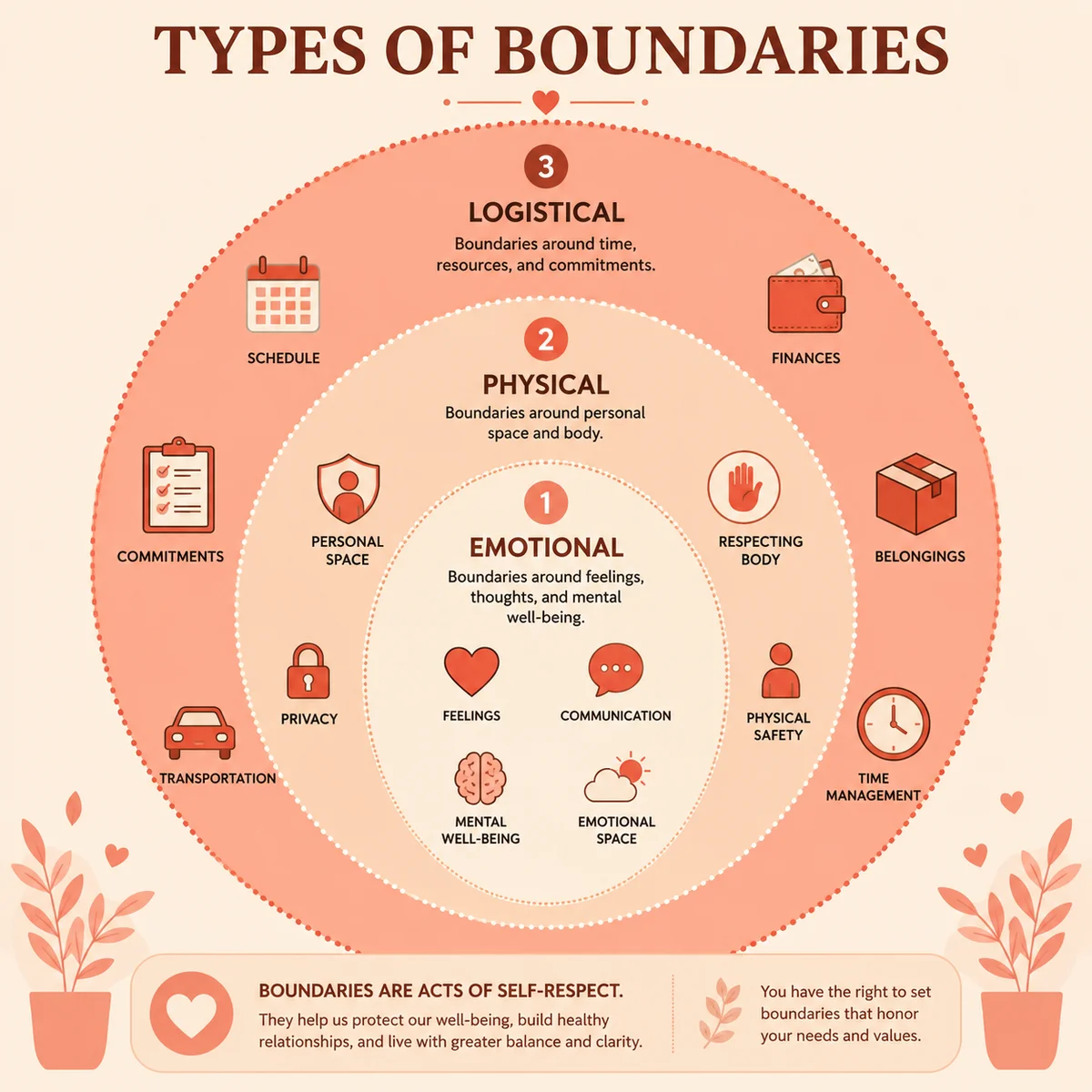
The fantasy version of a threesome ends when the encounter does. The real version keeps going — sometimes for days, sometimes for weeks. People who did not plan for the emotional aftermath are the ones who find themselves confused, withdrawn, or fighting about things they cannot quite name.
The emotions that surface after a threesome are not always negative, but they are often unexpected. One partner might feel closer than ever while the other feels strangely distant. A single who had a great time might still wrestle with a wave of loneliness afterward. A couple who thought they had everything figured out might discover that watching your partner connect with someone else in real time feels different than imagining it did.
None of these reactions mean the experience was a mistake. They mean the people involved are human. The mistake is not planning for emotional processing as a normal, expected part of the experience rather than a sign that something went wrong.
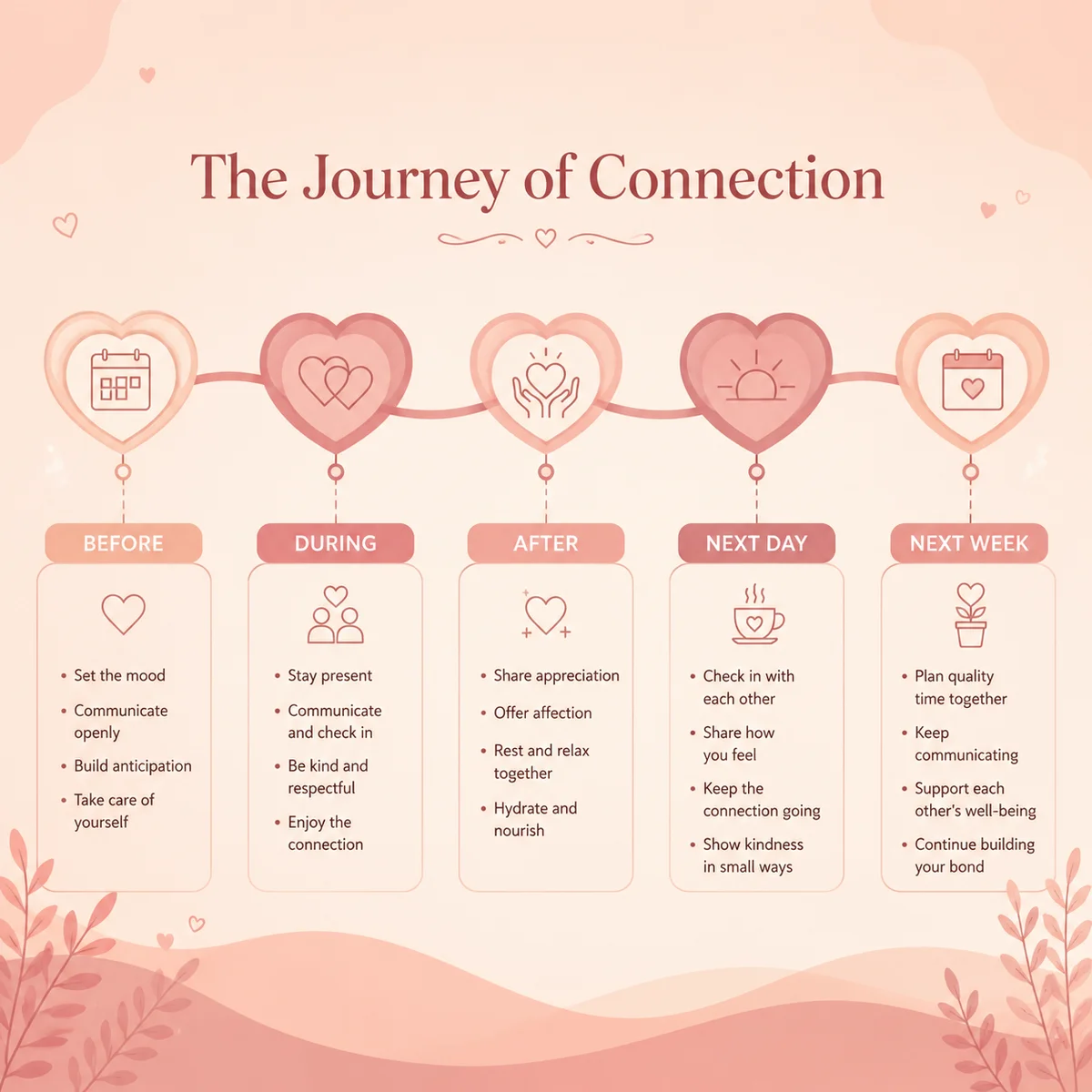
What to do instead: Schedule time together as a couple within 24 hours of the experience — not to analyze every detail, but to check in. “How are you feeling?” is a better opener than “Was that okay?” because it leaves room for whatever comes up. If either of you needs more processing time, take it without judgment. If the feelings are intense or confusing, that is normal — and it is also worth talking through rather than burying.
Choosing the Wrong Third for the Wrong Reasons
When couples first start looking, there is a strong temptation to prioritize availability over compatibility. Someone responded to your message, they seem nice enough, and you do not want to lose momentum — so you move forward. This is how couples end up in situations where the chemistry is lukewarm and the conversation fizzles before anything meaningful happens.
Another version of this threesome mistake: choosing a third based primarily on fantasy rather than fit. One partner is drawn to a specific physical type or dynamic, the other goes along with it, and no one stops to ask whether this person’s communication style, boundaries, and expectations actually align with what both of you need to feel secure.
A less obvious but equally common pattern is choosing someone you already know — a friend, a coworker, an ex — because it feels safer than meeting a stranger. Sometimes this works. More often, it introduces complications (jealousy, awkwardness, blurred boundaries) that a stranger would not have brought, precisely because there is no pre-existing emotional context to navigate.
What to do instead: Slow down. Compatibility matters more than availability. Have at least one non-physical meetup — coffee, a walk, a drink with a hard stop — before anything else happens. Use that time to assess whether this person listens well, respects boundaries, and communicates clearly. If you are using a platform like 3Cupid’s threesome dating community, take advantage of the messaging features to have those conversations before meeting in person.
Letting Substances Cloud Your Judgment
Alcohol and threesomes have a long cultural association, but the reality is that substances reduce the very skills a positive threesome most requires: clear communication, emotional awareness, and the ability to recognize and respect boundaries in real time.
The risk is not just about safety — though that matters enormously. It is about the quality of the experience itself. When one or more people are drinking to manage nerves, they are less present, less attuned to cues from others, and far more likely to wake up the next day with regrets they cannot fully explain. The encounter becomes something that happened to them rather than something they actively chose and participated in.
We have written about this in more depth in our guide to alcohol and threesome dating, but the short version is this: if you feel like you need a drink to get through the experience, that is worth examining before you proceed — not after.
What to do instead: Agree on a substance limit before the encounter — ideally zero for the first time, or one drink maximum if everyone involved is comfortable with that. Treat this as a boundary like any other, not a suggestion. If nerves are a concern, address them directly: talk through what is making you anxious, establish a safeword or pause signal, and remind yourself that backing out is always an option.
Believing One Conversation Is Enough
Couples who have one good boundaries conversation and then assume they are set tend to be the same couples who are surprised when a threesome surfaces issues they never discussed. Boundaries are not a one-time checklist item. They evolve — sometimes because the people involved change their minds, sometimes because real experiences reveal questions the hypothetical conversation never touched.
This matters especially for couples who plan to have more than one threesome or who are exploring ENM more broadly. What felt fine the first time might feel different the third time. A boundary you set early on might start to feel restrictive; a dynamic you assumed would stay casual might deepen in ways you did not anticipate.
What to do instead: Build regular check-ins into your relationship rhythm, whether or not a threesome is immediately on the horizon. After each experience, debrief: what worked, what felt off, what would you change next time. Use our threesome rules guide as a starting framework and revisit it periodically. The goal is not to have a perfect set of rules that never changes — it is to have a communication habit that keeps up with how you both actually feel.
7 Threesome Mistakes Checklist — And What to Do Instead
| Mistake | What It Looks Like | What to Do Instead |
|---|---|---|
| Rushing the conversation | Moving from idea to action in under a week | Give it at least 7 days; each partner writes down hopes and fears separately first |
| Skipping deep boundaries | Only discussing physical acts, not emotional or logistical limits | Use a structured checklist covering emotional, communication, and aftercare boundaries |
| Treating the third as an accessory | Making all decisions as a couple without the third’s input | Ask the third what they want; let them co-create the experience |
| Ignoring emotional aftermath | No plan for processing feelings after the encounter | Schedule a check-in within 24 hours; leave room for whatever comes up |
| Choosing based on availability | Moving forward because someone responded, not because they are a good fit | Prioritize compatibility over speed; have a non-physical meetup first |
| Using substances to cope | Drinking or using to manage nerves or awkwardness | Agree on a substance limit; address anxiety directly instead |
| One-and-done boundaries | Assuming a single conversation covers everything forever | Build regular check-ins; revisit boundaries after each experience |
Getting It Right Means Going Slow
The thread running through every threesome mistake on this list is speed. Rushing the conversation, skipping the deep boundaries, grabbing the first available third, treating aftercare as an afterthought — these are all consequences of treating a threesome like an event to be scheduled rather than an experience to be designed.
The couples and singles who have consistently positive experiences are not immune to nerves, jealousy, or awkward moments. They just built a container strong enough to hold those feelings when they show up. That container is made of honest conversations, clear agreements, mutual respect, and the willingness to pause or stop when something feels off.
If you are just starting to explore threesome dating, the single best thing you can do is give yourself and your partner the time to do it thoughtfully. The fantasy will still be there in a week, a month, or however long it takes to feel genuinely ready. The opportunity to do it right, on the other hand, is harder to get back once it has been rushed.
When you are ready to take that step, you will find a community of couples and singles who value the same things — clear communication, mutual respect, and ethical connection — right here at 3Cupid.
Editor’s note: This article was written to help adults navigate threesome dating with more awareness and less regret. All advice emphasizes communication, consent, and mutual respect. Content is intended for readers 18+.