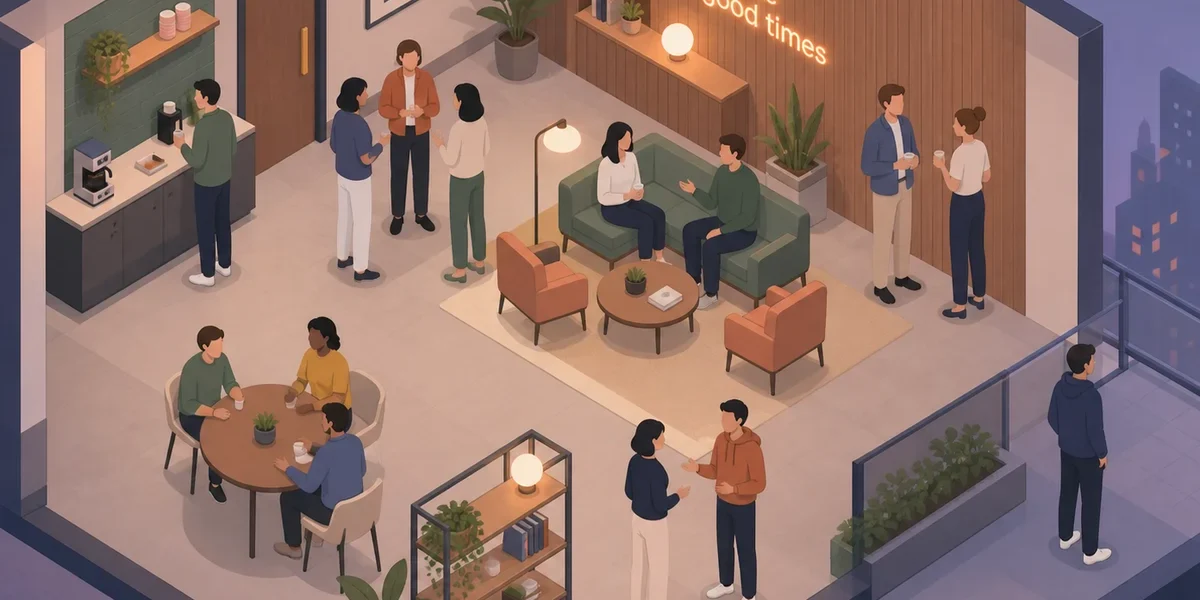
You did the prep work. You had the conversations. You showed up to the event feeling good — outfit sorted, boundaries clear, partner by your side. And then, somewhere between walking through the door and your second drink, a familiar feeling creeps in. Everyone else seems to be connecting, laughing, pairing off. And you are standing there wondering if you missed a memo, a signal, or some invisible social cue that everyone else received except you.
Feeling left out at a swinger event is one of the most common experiences in the lifestyle — and one of the least discussed. People talk openly about boundaries, safer sex protocols, and navigating jealousy. Far fewer talk about what it feels like to be in a room full of attractive, open-minded people and still feel like you are watching through a window. But this feeling is not evidence that you do not belong. It is not proof that swinging is not for you. It is a specific emotional experience with specific causes and, more importantly, specific strategies for handling it.
This article breaks down why feeling left out happens, what you can do in the moment when it hits, how to reconnect with your partner when they are the one thriving while you are not, and how to build a signal system that catches these moments before they spiral.
Table of Contents
- Why Feeling Left Out Happens — Even to Confident People
- In the Moment — What to Do When Exclusion Hits
- When Your Partner Is Thriving and You Are Not
- Build a Signal System That Actually Works
- Red Flags vs. Green Flags: Knowing What You Are Dealing With
- After the Event — Processing Without Resentment
Why Feeling Left Out Happens — Even to Confident People
Let’s get one thing clear from the start: feeling left out at a swinging event has very little to do with how attractive, interesting, or socially skilled you are. It has everything to do with how group dynamics work in spaces where people are forming rapid, chemistry-based connections. Swinging environments are not like a typical party where you can float between conversations with no stakes. Every interaction carries an undercurrent of evaluation — is there mutual interest? Is this heading somewhere? Are we on the same page? That undercurrent changes how people move through the room, and it often rewards those who move fast and punishes those who move carefully.
There are structural reasons this happens. Couples who arrive as established pairs naturally gravitate toward other couples, and singles — unless they are unusually outgoing — can find themselves on the periphery. Even within couples, if one partner is naturally more extroverted or more conventionally attractive by the norms of that particular space, they may receive more initial attention, leaving the other partner momentarily sidelined. Research on strategies for coping with feelings of exclusion in social settings confirms that the emotional impact of perceived exclusion is neurologically real — the same brain regions that register physical pain light up when we feel socially rejected. This is not you being oversensitive. It is your nervous system doing exactly what it evolved to do.
The first step to handling it is recognizing that the feeling itself is not a red flag. It is data — information about the environment, about the specific dynamics of that particular event, and sometimes about what you personally need to feel safe and included. Treating it as data rather than a personal failure is the difference between spiraling and solving.
In the Moment — What to Do When Exclusion Hits
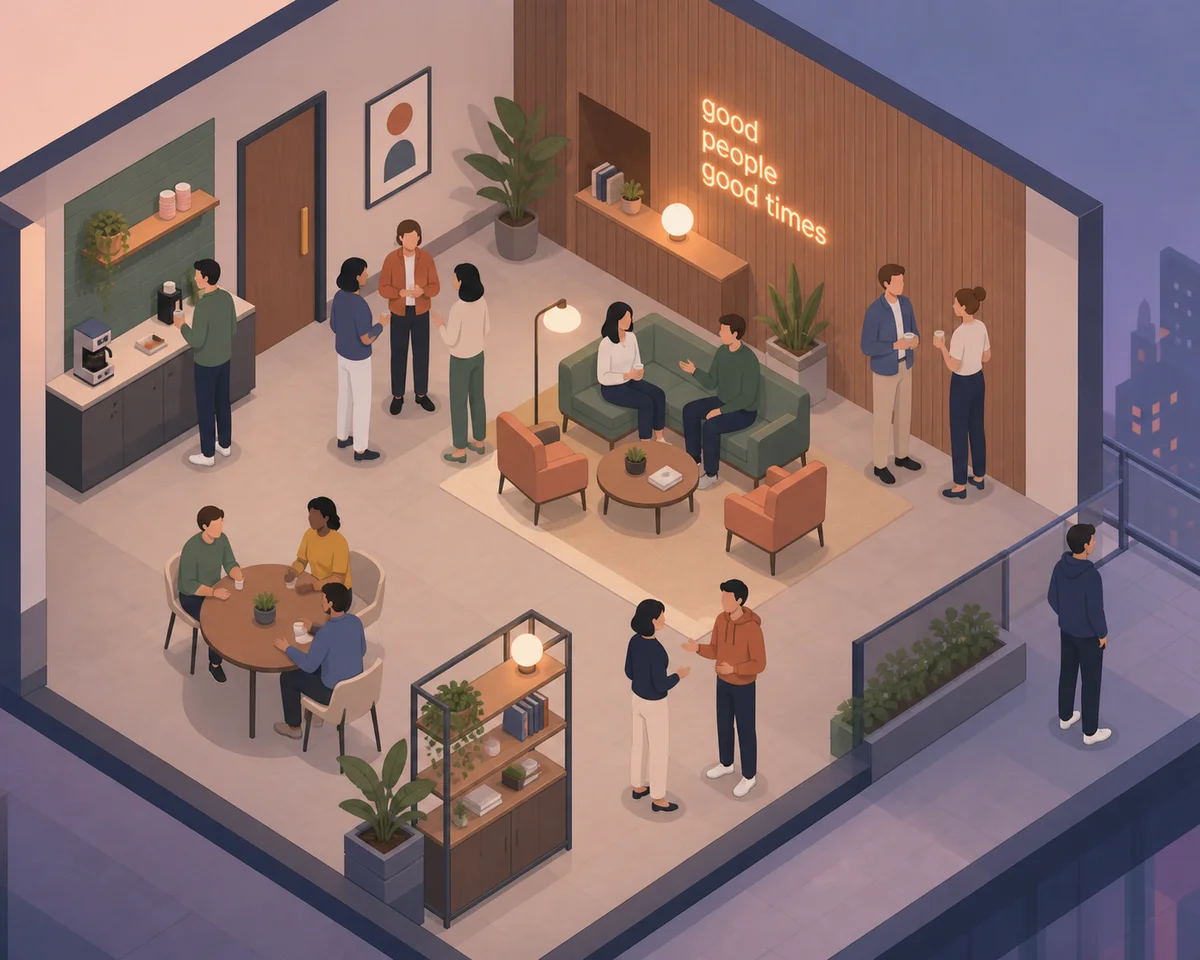
So you are standing there. The room is buzzing around you. Your drink is half empty. You have scanned the crowd twice and no one has made eye contact in what feels like ten minutes. What now?
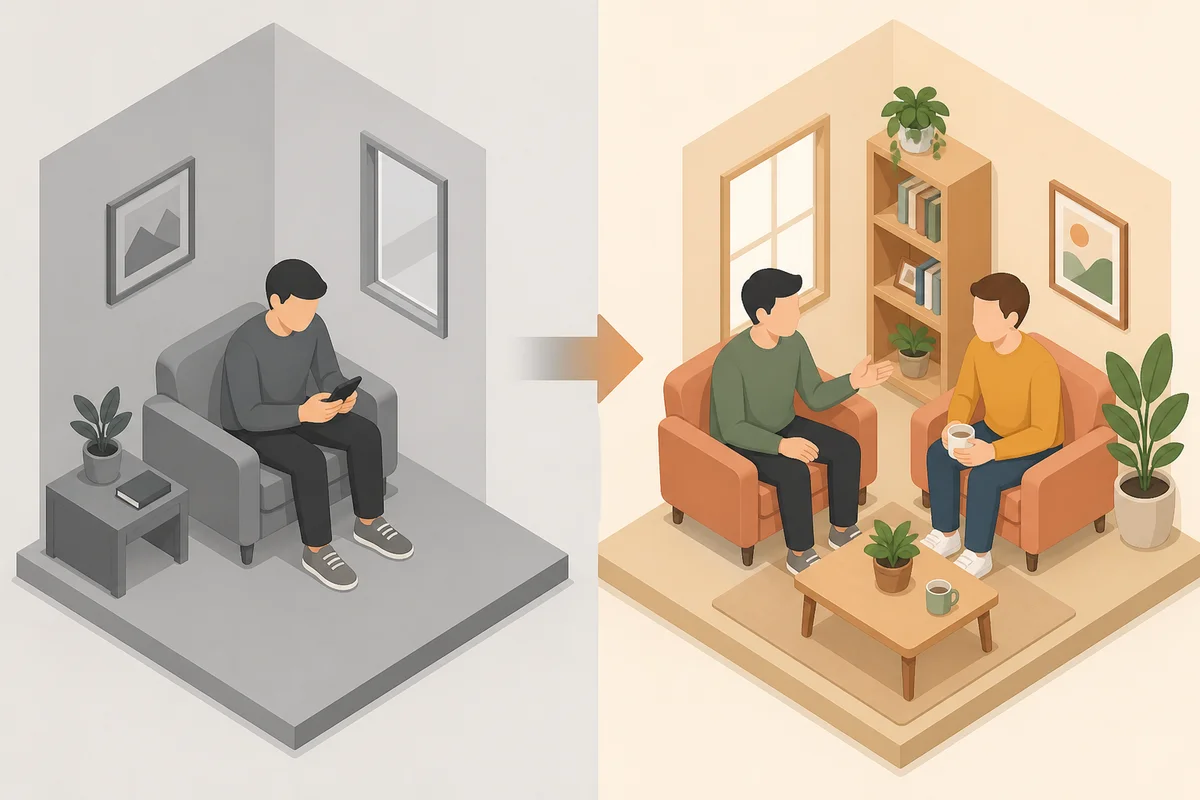
First, resist the reflexive retreat into your phone. This is the single most common response and the single most counterproductive one. Scrolling through messages sends a clear signal to everyone around you: “I am not available for connection.” It may feel like a safe escape hatch, but it actively reinforces your isolation. If you need a moment to collect yourself, move to a different part of the venue — the bar, the outdoor area, a quieter corner. Changing your physical location resets your posture, your facial expression, and your openness to interaction in ways that scrolling cannot.
Second, look for the other person who also seems to be standing alone. Every swinging event has them — the person nursing a drink at the bar, the single standing near the edge of a group conversation without quite entering it, the couple who arrived late and hasn’t found their rhythm yet. Approaching someone who looks as uncertain as you feel is dramatically easier than breaking into an established group, and the odds of a genuine connection are surprisingly high because you are meeting as equals rather than as outsider and insider.
Third, if you are part of a couple and you are the one feeling left out while your partner is engaged, use your signal system immediately — not after twenty minutes of stewing. For more on navigating those real-time consent and comfort dynamics, see our guide on handling consent moments during a swinging encounter. A timely signal prevents a manageable moment from hardening into resentment.
When Your Partner Is Thriving and You Are Not
This is the hardest version of feeling left out — not just watching strangers connect while you stand by, but watching your own partner light up with someone else while you stand by. It is not jealousy in the traditional sense. You are not upset that your partner is interacting with others; you signed up for that. You are upset because you feel invisible, and the contrast between their experience and yours sharpens the sting.
The emotional mechanics here are worth understanding. When your partner is thriving socially and you are not, your brain does a rapid comparison — “They are having the experience we came here for, and I am not” — and that comparison generates a cascade of secondary emotions: inadequacy, loneliness, even resentment toward your partner for not noticing. None of this makes you a bad partner. It makes you a human being in a situation that would challenge anyone.
The single most effective move you can make in this situation is to signal your partner before the feeling hardens. The difference between a five-minute window of discomfort and a forty-five-minute spiral is almost entirely determined by how quickly your partner knows something is off. Couples who have a pre-established “tap-out” or “check-in” protocol — something as simple as a text with an emoji you agreed on beforehand — can address the imbalance when it is still small. Couples who wait until the car ride home to bring it up have usually let the feeling grow into something much harder to process calmly. For strategies on protecting your relationship through these moments, read our full article on protecting your relationship while exploring swinging.
Build a Signal System That Actually Works
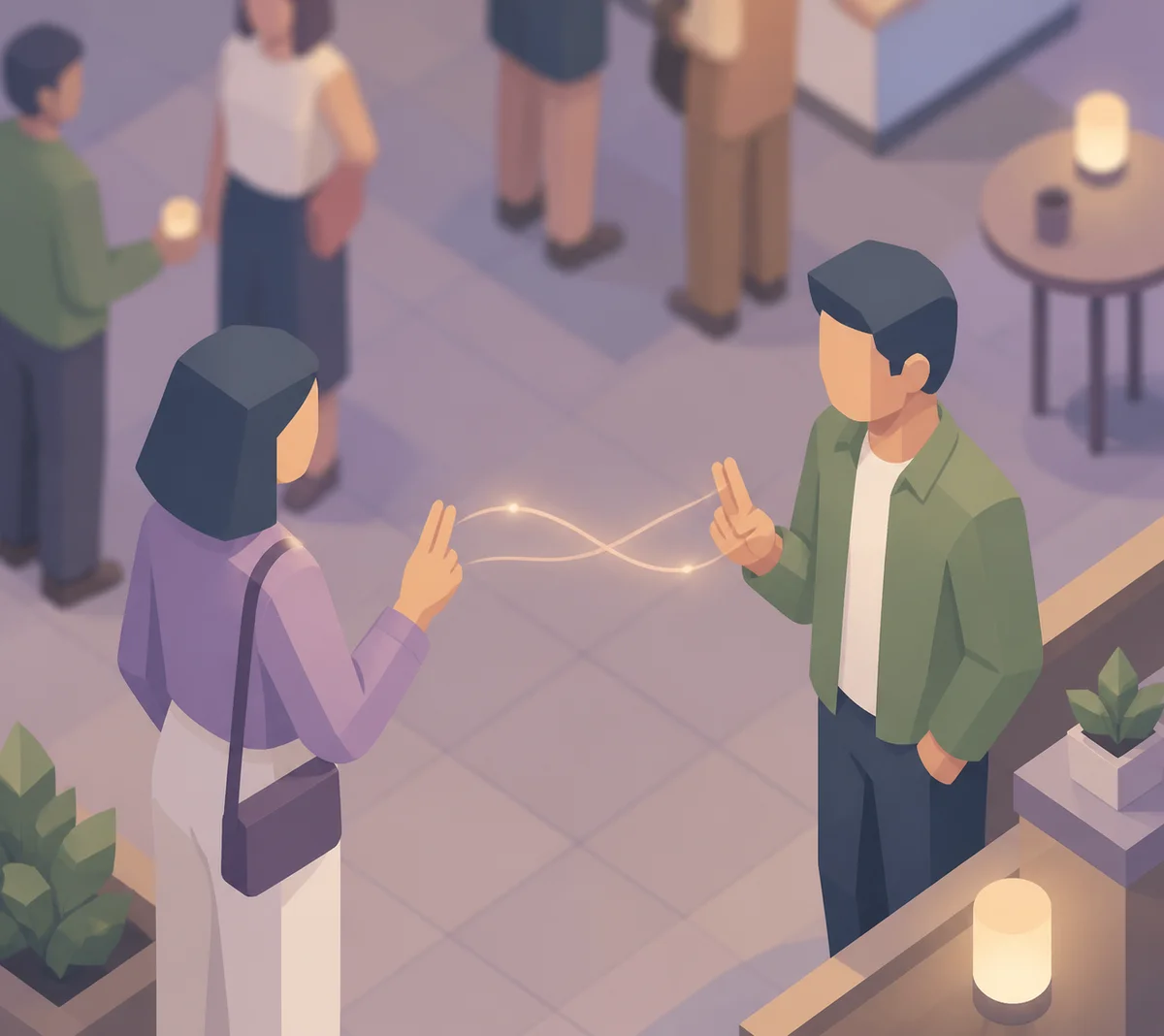
Most couples in the lifestyle have some version of a “signal” — but far fewer have one that works reliably under real conditions. A signal that requires eye contact across a crowded room is a signal that will fail at the exact moment you need it most. A signal that is too obvious (“Hey babe, I’m feeling really uncomfortable right now”) works technically but creates social awkwardness that adds a new layer of discomfort on top of the original one.
The best signal systems share three characteristics. They are discreet — no one outside the two of you should be able to interpret them. They are unambiguous — both of you should know exactly what the signal means without room for misinterpretation. And they are immediate — they should prompt a response within seconds, not minutes.
Here is a tested framework that many experienced lifestyle couples use:
- Green (all good): A specific hand squeeze — two quick pulses — that says “I’m fine, carry on.” This matters because uncertainty about whether your partner is okay can pull one person out of an otherwise positive interaction.
- Yellow (check in soon): A text message with a pre-agreed emoji or word. This says “I need a private conversation within the next five minutes — not an emergency, but don’t wait too long.”
- Red (exit now): A specific phrase spoken aloud — “Hey, I need to grab some air” or “Can you come with me to the bar?” — that signals an immediate need to step away together. This phrase should be something you would plausibly say at any social event, so it does not draw attention.
Practice these signals at low-stakes events before relying on them in higher-intensity environments. A couple who has used their signal system three times at a vanilla party will deploy it instinctively at a swinger event. A couple trying it for the first time under pressure will fumble it — and then blame the system rather than the lack of practice.
Red Flags vs. Green Flags: Knowing What You Are Dealing With
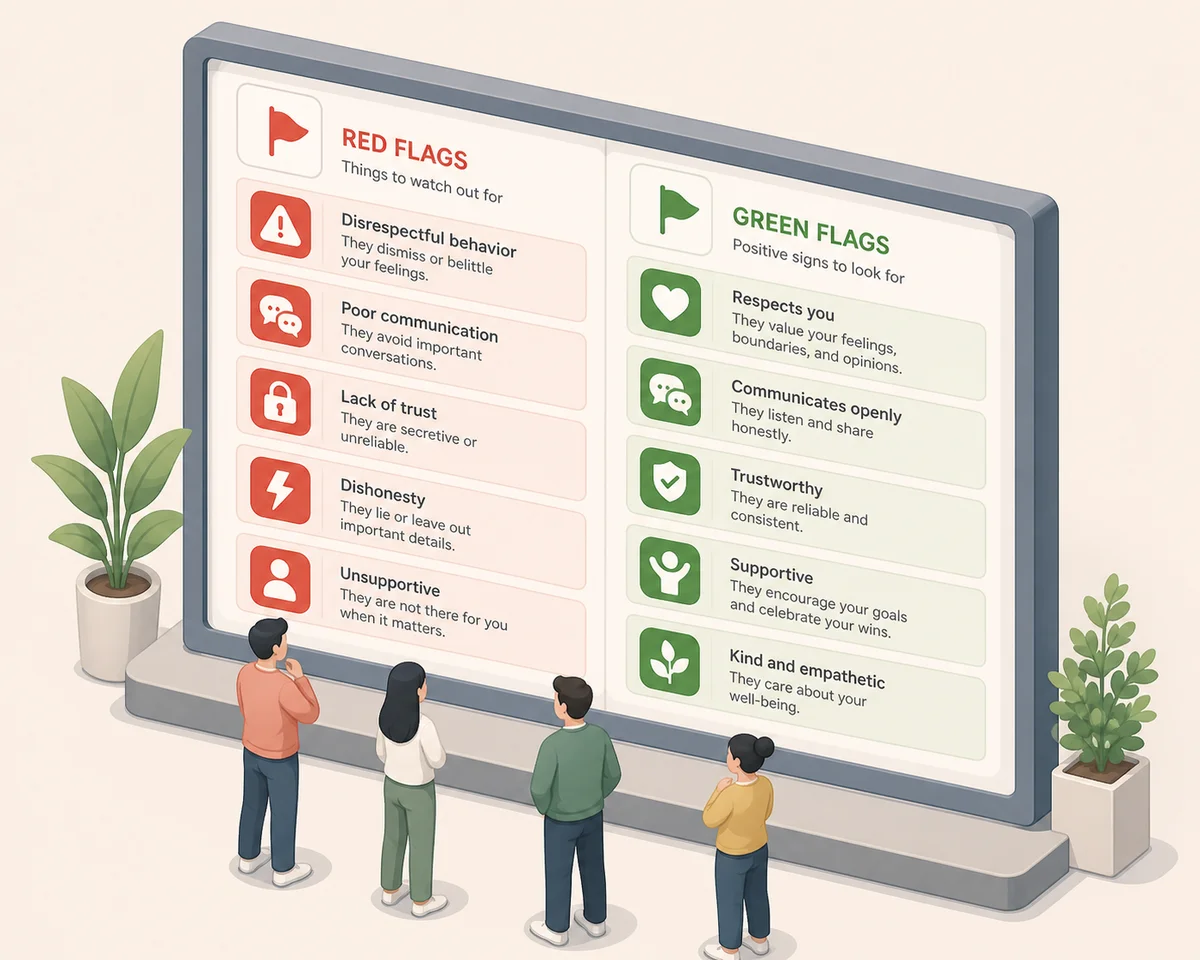
Feeling left out is not always just about you. Sometimes the environment, the people in it, or the event itself is genuinely excluding you — and recognizing the difference between “I feel out of place” and “this space is not welcoming” is crucial for deciding whether to stay, adjust, or leave.
- 🟢 Green Flag: People make eye contact and smile, even if they do not immediately approach. The room has an open, circulating energy rather than rigid cliques.
- 🔴 Red Flag: Established groups actively turn their backs or close their body language when you approach. You try to join conversations and consistently get one-word responses.
- 🟢 Green Flag: The event host or organizer checks in with you, introduces you to others, or makes an effort to integrate newcomers.
- 🔴 Red Flag: You have been standing alone for over thirty minutes with zero outreach from anyone — not even a “how’s your night going?” from staff or regulars.
- 🟢 Green Flag: Your partner notices your discomfort unprompted and checks in, even before you use the signal.
- 🔴 Red Flag: Your partner is so absorbed that they miss your signal entirely, or they see it and brush it off with “just give it a few more minutes.”
- 🟢 Green Flag: You leave the event feeling like it was neutral or mixed — not euphoric, but not devastating either. You feel closer to your partner for having navigated it together.
- 🔴 Red Flag: You leave the event feeling worse about yourself than when you arrived. The experience has eroded rather than reinforced your sense of belonging in the lifestyle.
If the red flags keep stacking up at a particular venue or event type, that is useful information — not about your worth, but about which environments suit your personality and which ones do not. Some people thrive in loud, high-energy club settings. Others do their best connecting at smaller house parties or dinner-based meet-ups. Neither is better. One is simply a better fit for you.
After the Event — Processing Without Resentment
The conversation you have after an event where one of you felt left out determines whether the experience becomes a shared growth moment or a slow-burning grievance. The key is timing and framing.
Do not debrief in the car on the way home when you are both tired, possibly tipsy, and your partner may still be riding the high of their own positive interactions. Agree on a specific time the next day — over coffee, after a good night’s sleep, when your nervous systems have settled. This alone prevents more post-event arguments than any communication technique.
When you do talk, frame it around your experience rather than your partner’s behavior: “I found myself feeling invisible after about twenty minutes, and I didn’t know how to pull myself back in” instead of “You totally abandoned me in there.” The second statement will trigger defensiveness. The first invites empathy and problem-solving. For more on navigating the emotional aftermath of swinging experiences, read our guide on navigating the emotional drop and reconnecting after swinging.
Finally, end every post-event conversation with one concrete takeaway for next time. “Next time, let’s arrive thirty minutes earlier so we can settle in before the room fills up.” “Next time, I’ll use the yellow signal sooner instead of waiting until I’m already frustrated.” “Next time, let’s try a smaller event and see if that changes the dynamic.” Concrete takeaways transform a difficult experience from something that just happened to you into something you learned from — and that shift in framing is everything.
Feeling left out at a swinging event does not mean you are bad at this. It does not mean the lifestyle isn’t for you. It means you are navigating a complex social environment where chemistry, timing, and personality all interact in unpredictable ways — and like any complex environment, it takes practice, patience, and a partner who approaches it with you rather than ahead of you. At 3Cupid, we built this community so that every person — whether arriving as half of a couple or stepping in solo — has a place where they belong.
This article was written by the 3Cupid editorial team to support individuals and couples in building resilient, emotionally intelligent approaches to the swinging lifestyle.