Telling someone you’re in an open relationship or practice ethical non-monogamy can feel like standing at the edge of a diving board — you know the water is fine, but that first step takes real courage. Whether you’re on a dating app, at a coffee date, or meeting someone through friends, figuring out how and when to disclose ENM relationship status while dating is one of the most common challenges people in non-monogamous communities face.
Here’s the good news: disclosure doesn’t have to be awkward, confrontational, or a big dramatic reveal. With the right timing, phrasing, and mindset, you can be honest about who you are while giving the other person space to process and respond. This guide walks you through exactly that — from timing to scripts to handling reactions.
Why Disclosure Matters — For Everyone Involved
Disclosure isn’t just about being honest. It’s about building relationships on a foundation of trust from the very first interaction. When you withhold your ENM or open relationship status, you’re not protecting anyone — you’re delaying a conversation that will feel heavier the longer you wait.
For the person you’re dating, learning that someone is non-monogamous after emotional attachment has formed can feel like a betrayal, even if you never intended to mislead. For you, carrying the weight of an unshared truth creates anxiety that seeps into every interaction. And for your existing partner or partners, knowing you’re upfront with new people reinforces security and respect within your relationship structure.
Research on relationship satisfaction consistently shows that early honesty about relationship structures leads to better outcomes for everyone involved. A study summarized by Psychology Today found that consensually non-monogamous relationships report similar satisfaction levels to monogamous ones — but only when communication is clear and consistent from the start.
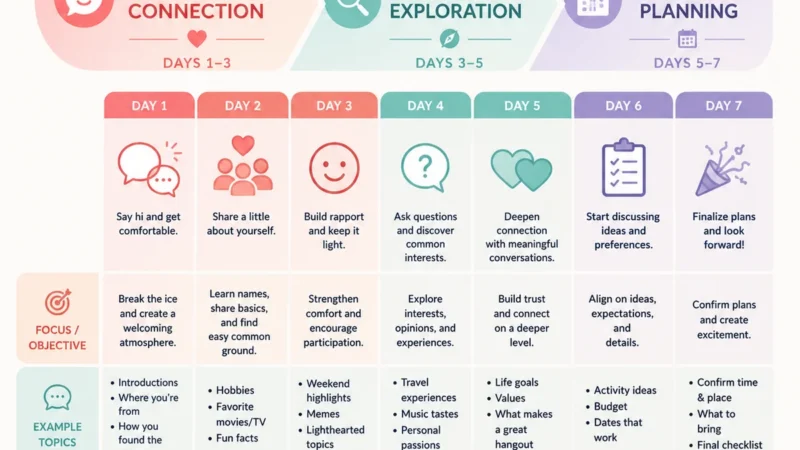
Here is what the disclosure journey looks like in practice.
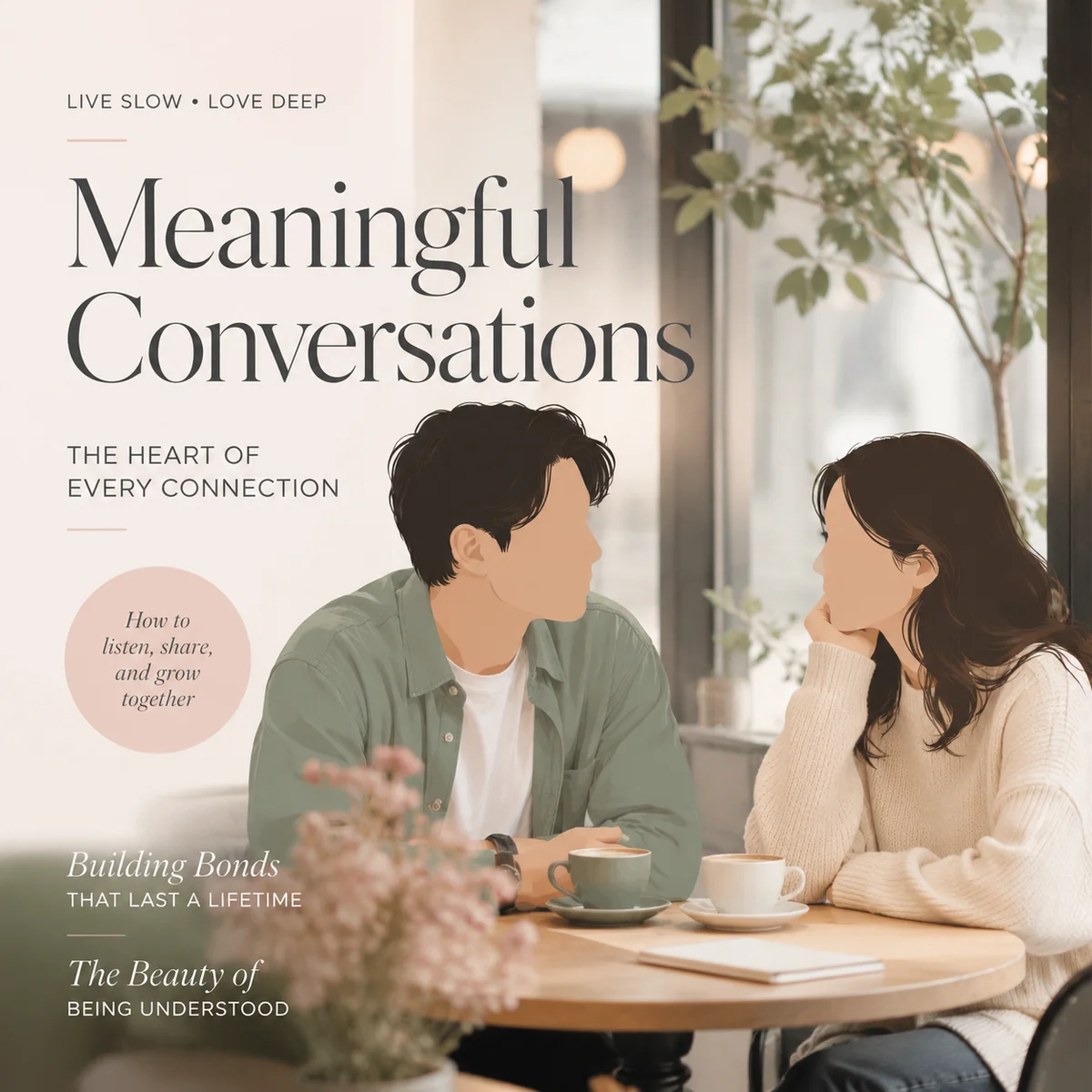
Taking the time to prepare for an honest conversation makes all the difference.
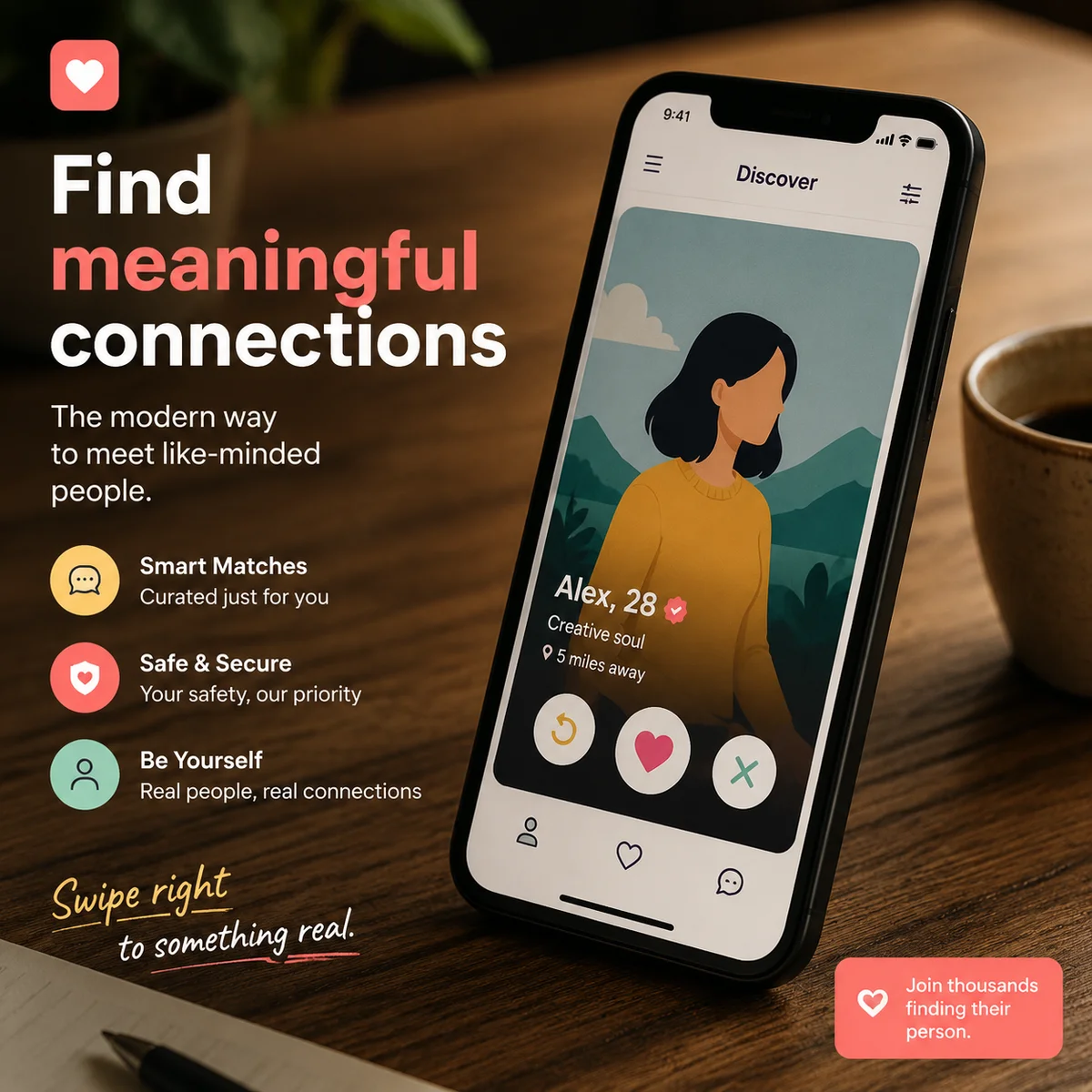
Taking the time to prepare for an honest conversation makes all the difference.

Taking the time to prepare for an honest conversation makes all the difference.
Taking the time to prepare for an honest conversation makes all the difference.
Taking the time to prepare for an honest conversation makes all the difference.
When Is the Right Time to Tell Someone?
Timing is everything. Tell someone too early — before there’s any connection — and it can feel like unnecessary oversharing. Wait too long, and it starts to feel like you were hiding something. So where’s the sweet spot?
On dating apps: The consensus among experienced ENM daters leans toward early disclosure — either in your profile bio or within the first few messages. Many people feel misled if they match and chat for days only to discover a fundamental incompatibility. Putting “ENM” or “open relationship” in your bio filters out people for whom this is a dealbreaker, saving everyone time.
In person or through social circles: If you meet someone organically — at a party, through friends, at an event — you don’t need to lead with your relationship structure. But it should come up within the first one or two conversations where romantic or sexual interest is being explored. A good rule of thumb: disclose before the first date, or at the very latest, during it.
What does “too late” look like? If you’ve been on multiple dates, if emotional intimacy is building, or if physical intimacy has already happened — and the other person still assumes you’re monogamous and single — you’ve already waited too long.
How to Have the Disclosure Conversation — Scripts That Work
You don’t need a rehearsed speech, but having some language ready can help you stay calm and clear. The goal is to be direct, unapologetic, and open to questions — without overwhelming the other person with details they didn’t ask for.
For Dating Apps (First Few Messages)
“Just so you have the full picture — I’m in an open relationship and practice ethical non-monogamy. My partner and I date separately. I wanted to mention it early in case that’s not your thing. If you’re curious, I’m happy to answer any questions!”
For a First Date (In Person)
“I’ve really enjoyed talking with you, and I want to be upfront about something. I practice ethical non-monogamy — I have a partner, and we both date other people openly. I know that’s not for everyone, so I wanted to mention it now rather than later. How does that land for you?”
For Someone You Already Know (Friend or Acquaintance)
“Before this goes further, I want to share something about how I approach relationships. I’m non-monogamous — I’m seeing someone, but we’re open. I value our connection enough to be transparent. Is that something you’d be open to talking about?”
When You Have Multiple Partners
“I should let you know that I date within an ENM framework — I have more than one partner, and everyone knows about each other. I know that can sound like a lot, so if you have questions, ask away. I’d rather you know now than feel surprised later.”
Common Reactions and How to Handle Each
Most people won’t react with anger or judgment — but they will have questions. Being ready for the most common responses helps you stay grounded instead of defensive.
- Curiosity: “How does that work exactly?” — This is the best-case scenario. Answer honestly, keep it simple, and let them guide the depth.
- Confusion: “So you’re cheating?” — Respond calmly: “No, everyone involved knows and consents. That’s what makes it ethical. My partner is fully aware.”
- Judgment: “I could never do that.” — Reply with: “That’s totally fair — it’s not for everyone, and I respect that.”
- Assumptions: “So you’re just looking for something casual?” — Clarify: “Not necessarily. I’m open to genuine connection — I just don’t offer exclusivity.”
- Interest: “I’ve always been curious about that.” — If this excites you, explore it. But don’t pressure anyone who’s just asking out of curiosity.
Disclosure on Dating Apps: Profile vs First Message
One of the biggest strategic decisions is whether to put your ENM status directly in your bio or reveal it in conversation. Both approaches have valid reasoning behind them.
Profile disclosure means listing “ENM,” “open relationship,” or “non-monogamous” in your bio. The upside: it pre-filters matches, so everyone who swipes right already knows what they’re getting into. The downside: some people make snap judgments without understanding what ENM actually means, and you might attract people with inaccurate assumptions.
First-message disclosure means leaving your profile neutral and bringing it up within the first few exchanges. The upside: people get to see you as a person before they see a label. The downside: you’ll invest energy in conversations that end the moment you disclose, which can be draining. It also risks the other person feeling misled.
If privacy is a significant concern — for example, you work in a conservative field or live in a small community — first-message disclosure may be the safer choice. Just make sure that “early” actually means early: within the first five to ten messages, not after a week of daily chatting.
When They Say No — Navigating Rejection Gracefully
Rejection stings, no matter how prepared you are. But when someone rejects you because of your relationship structure, it’s important not to take it as a rejection of you as a person. Monogamy is deeply ingrained in most cultures — for many people, ENM simply isn’t something they’ve ever considered or want for themselves.
When someone says no, thank them for their honesty. Something as simple as “I appreciate you being upfront — thanks for letting me know” preserves dignity on both sides. Don’t argue. Don’t try to convince them. Don’t send follow-up messages explaining why they’re wrong about ENM.
After a rejection, give yourself space to feel whatever comes up. It’s normal to feel frustrated, sad, or even question whether being open is worth it. Remember: every “no” brings you closer to someone whose “yes” is genuine and informed.
For more on navigating the social side of non-monogamy, our guide on handling social stigma in ENM dating covers strategies for dealing with judgment without letting it shake your confidence.
Keeping Your Existing Partner(s) in the Loop About Disclosure
Disclosure isn’t just between you and the new person — it’s something that affects your existing partner or partners too. Being thoughtful about how you handle this internally strengthens everyone’s sense of security.
There’s a balance between keeping partners informed and oversharing. Most ENM relationships benefit from having a loose agreement about what gets shared and when. Some couples prefer to know about new connections as soon as they start developing. Others only want updates when something becomes ongoing. There’s no universal right answer — what matters is that you’ve discussed it and you’re honoring what you agreed to.
What you should generally avoid: disclosing your relationship status to a new person without your partner knowing you’re actively dating, or using disclosure to a new person as a way to process relationship issues with your existing partner. Those conversations should happen separately and intentionally.
If you’re still figuring out how ENM fits into your life, our guide on coming out as non-monogamous to friends and family explores the broader disclosure journey beyond dating.
Disclosure Scripts and Do’s & Don’ts
Here’s a practical reference you can use whenever you’re preparing to disclose your ENM status to someone new.
| Scenario | What to Say |
|---|---|
| Dating app match (message 3-5) | “Before we get too far into chatting — I practice ethical non-monogamy. My partner and I date separately, and everyone knows. Totally understand if that’s not your thing!” |
| Someone asks you out in person | “I’d actually really like that — but I want to be upfront. I’m in an open relationship. If that changes things for you, no worries at all.” |
| A friend expresses interest | “I value our friendship enough to be completely honest. I’m non-monogamous and have a partner. I don’t want to risk our friendship by not telling you.” |
| Things are getting flirty at a social event | “Hey, I’m really enjoying this — and before it goes further, I should mention I’m ENM and partnered. If you’re still interested, awesome. If not, I’m glad we had this conversation.” |
| Do | Don’t |
|---|---|
| Be direct and use plain language | Use euphemisms like “I’m complicated” |
| Give them space to ask questions | Launch into a 10-minute explanation |
| Respect their decision either way | Try to convince someone ENM can work for them |
| Disclose before emotional attachment builds | Wait until they’ve caught feelings |
| Check in with existing partners about disclosure | Share private details without consent |
| Be consistent — same honesty with everyone | Disclose selectively based on how attractive they are |
The Bottom Line
Disclosing your ENM or open relationship status isn’t about seeking permission — it’s about giving someone the information they need to make their own choice. When you lead with honesty, you filter out incompatible connections quickly and build the ones that remain on a foundation of mutual respect.
It gets easier with practice. The first few disclosures might feel clumsy or nerve-wracking. That’s normal. What matters is that you’re showing up authentically and treating the people you date with the transparency they deserve.
If you’re looking for a space where ENM, open relationships, and threesome dating are the norm rather than the exception, you can explore connections on 3Cupid — a platform built for people who don’t need to explain themselves before they even say hello.
Editor’s note: This article is part of 3Cupid’s ongoing series on navigating ethical non-monogamy with honesty and care. All content is written for an 18+ audience and reflects our commitment to communication, consent, and emotional safety.