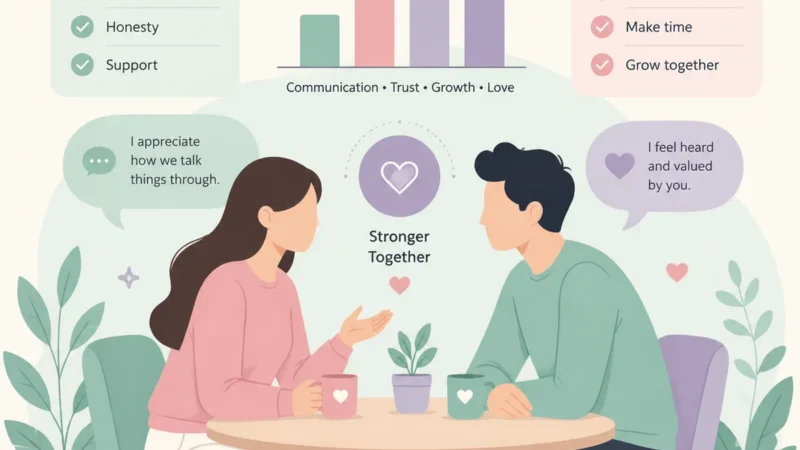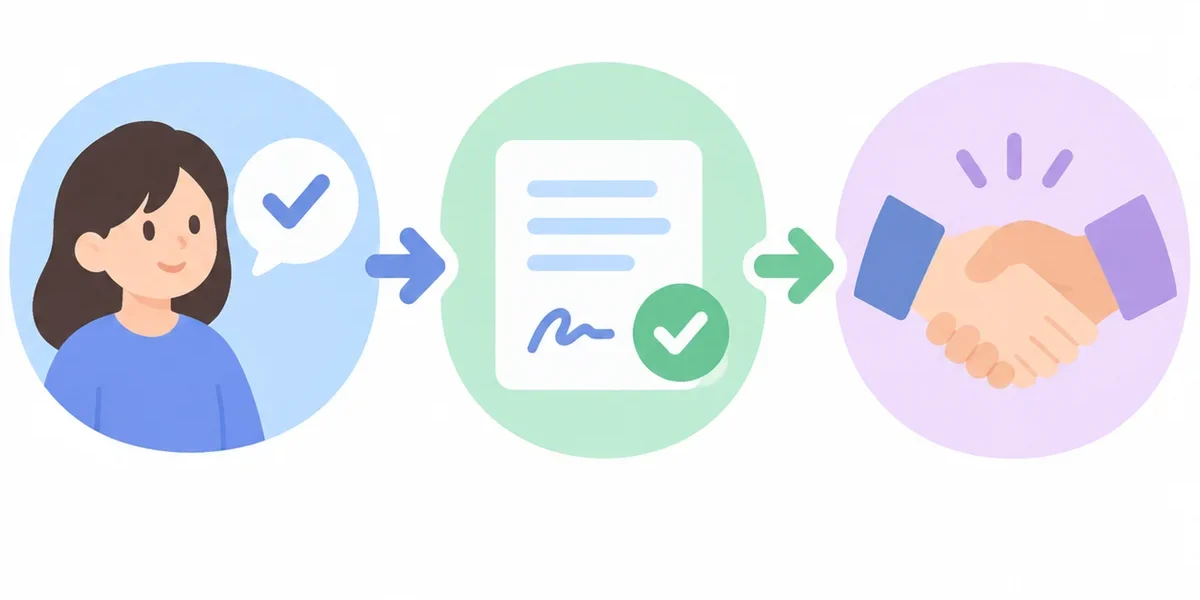
Consent isn’t a switch you flip once and never touch again. It’s an ongoing conversation, and part of that conversation is being able to say “stop” — even when you said “yes” earlier. Knowing how to withdraw consent is one of the most important skills you can build in ethical non-monogamy, and it’s also one of the most emotionally loaded. People worry it makes them difficult, dramatic, or a disappointment.
It doesn’t. Changing your mind is a normal, healthy part of being a person with feelings that shift. This guide walks you through how to withdraw consent in an ENM relationship — how to recognize when you want to, what to say in the moment, and how to care for yourself and your partners afterward.
Table of Contents
- Why Changing Your Mind Is Normal (and Not a Failure)
- How to Know When You Want to Withdraw Consent
- Scripts for Withdrawing Consent in the Moment
- Withdrawing Consent in an Ongoing Dynamic
- Red Flags in How a Partner Responds
- After You Withdraw: Reconnecting and Checking In
- Consent Is Ongoing — Make It a Habit
Why Changing Your Mind Is Normal (and Not a Failure)
Your body and your feelings are allowed to change. You might say yes to a threesome on Tuesday and feel completely differently by Saturday. You might be enjoying something one minute and feel a wave of discomfort the next. Neither of those is a betrayal of your earlier yes. Consent is specific to the moment, which means it’s always allowed to end.
A lot of people in non-monogamy carry shame about withdrawing consent because they’ve been taught that backing out makes them a problem. That’s a myth, and it’s a harmful one. A person who withdraws consent is giving you important information about their comfort. Treating that information with care is what separates ethical dating from everything else. Psychologists frame consent as a process rather than a single event — and a reversible yes is a core part of that.
How to Know When You Want to Withdraw Consent
Sometimes it’s obvious — a clear internal “no.” Other times it’s quieter. You might notice you’ve gone still, that your mind is racing, or that you’re going through the motions while feeling disconnected. You might feel anxious, resentful, or just… done. None of these need a grand justification.
Some common signals that you want to stop or slow down:
- Your stomach tightens or you feel a wave of anxiety.
- You’re thinking about how to escape rather than what’s happening.
- You feel pressure to perform or to please.
- You’re saying “yes” out loud but thinking “no” inside.
- You realize the situation isn’t what you agreed to.
You don’t need to wait for a dramatic moment. The earlier you catch the feeling and name it, the easier it is to speak up.
Scripts for Withdrawing Consent in the Moment
In the heat of a moment, long explanations are hard. Short, clear phrases work best. Here are a few you can memorize or keep in the back of your mind:
- “I need to pause.”
- “I’m not comfortable anymore. Let’s stop.”
- “I’m not into this anymore.”
- “Can we slow down?”
- “I need a minute alone.”

You don’t owe anyone an essay in the moment. You can offer more context later if you want to. What matters is that the activity stops and the people around you respond with care. If you and your partners use a safeword or check-in signal, this is exactly what it’s for — our guide to safewords and check-in signals explains how to set those up.
Withdrawing Consent in an Ongoing Dynamic
Withdrawing consent isn’t only a mid-scene thing. It also happens in the slower, everyday parts of a relationship. You might have agreed to a certain dynamic — a regular arrangement, a specific type of play, or a level of involvement — and realize weeks later that it no longer feels right. That’s withdrawal too, and it deserves just as much care.
This kind of conversation is harder to schedule but easier to script. A simple version sounds like: “I know we agreed to X, and I’ve realized it’s not working for me anymore. Can we talk about changing it?” You’re not breaking a promise. You’re updating an agreement as new information arrives, which is exactly what healthy agreements are built for. If the shift involves a new connection you no longer want, saying no is still your right — see our guide on how to say no to a new connection in polyamory.

Red Flags in How a Partner Responds
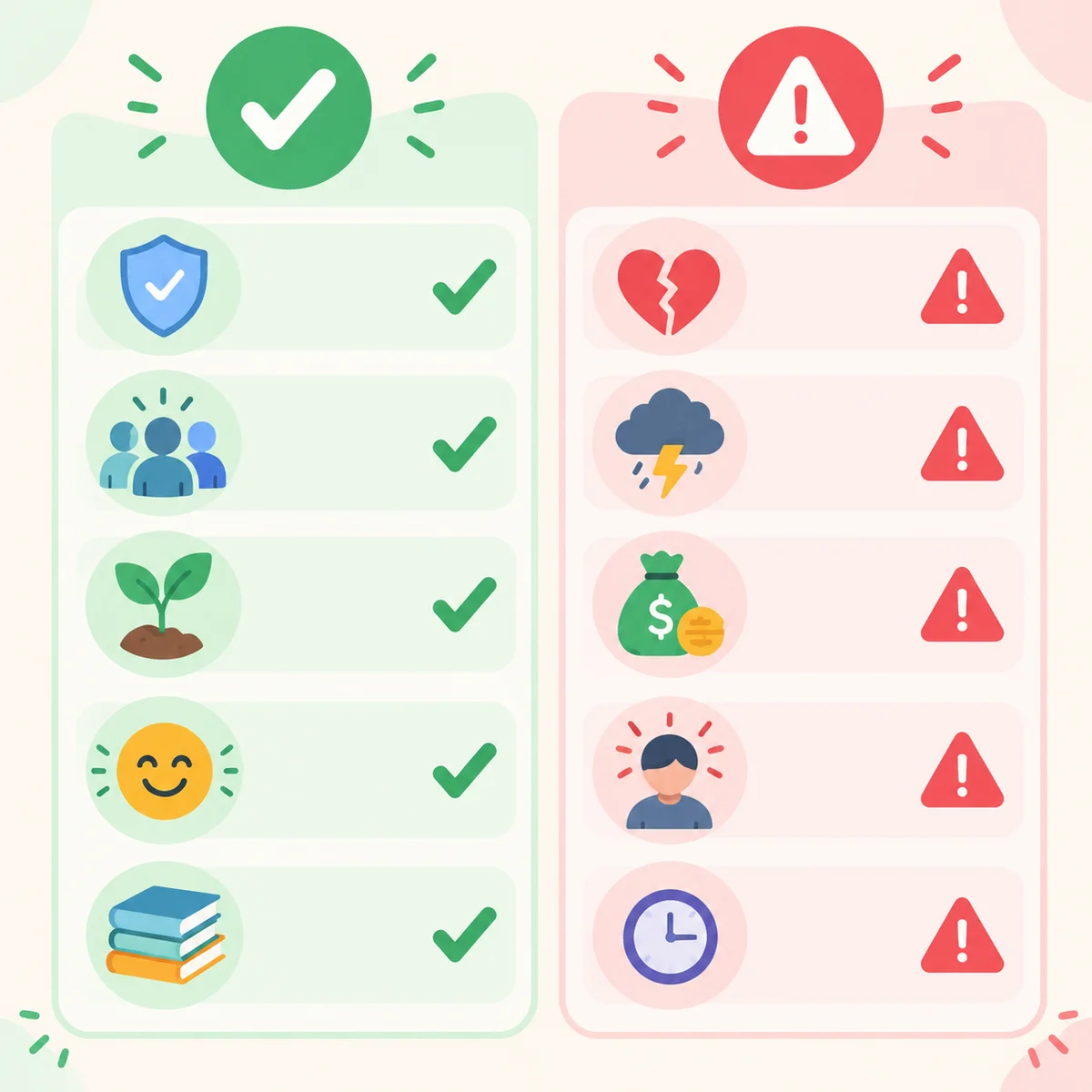
How someone responds to your withdrawal tells you a lot about them. A caring partner will stop, check in, and thank you for telling them — even if they’re disappointed. Here’s what a healthy response looks like, and what it doesn’t:
- Healthy: stops immediately and asks what you need.
- Healthy: thanks you for speaking up instead of sulking.
- Healthy: doesn’t pressure you to explain or justify yourself.
- Red flag: “But you said yes earlier.”
- Red flag: guilt-tripping, pouting, or making it about their ego.
- Red flag: continuing or “finishing” anyway.
- Red flag: punishing you afterward with coldness or blame.
If a partner reacts with pressure or punishment, that’s not a failure of your consent. That’s a signal about them. Trust it.
After You Withdraw: Reconnecting and Checking In
After the stop, there’s an after. Some people want to process right away; others need space first. Both are fine. The key is to come back together when you’re ready and talk about what happened without blame — what shifted for you, what you need going forward, and how your partners can support you.
This is where aftercare and rebuilding trust come in. A withdrawal of consent can leave everyone feeling shaky, even when it was handled well. Checking in the next day — “How are you feeling about last night?” — can restore a lot of safety. If the withdrawal happened because an agreement was broken or a boundary was crossed, the repair conversation is a separate, important step — our guide on rebuilding trust after breaking an ENM agreement walks through it.
Consent Is Ongoing — Make It a Habit
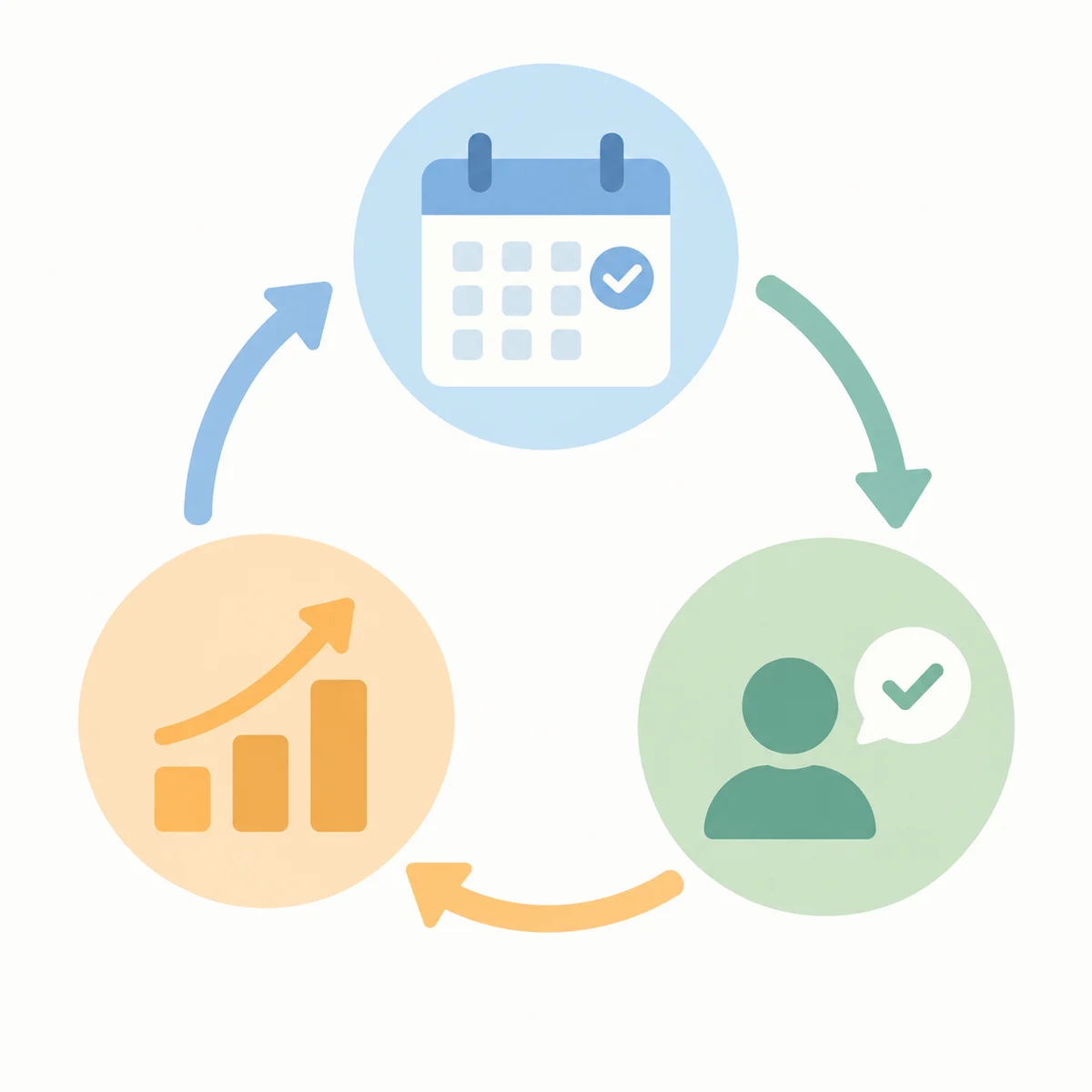
The more you practice withdrawing consent, the less frightening it becomes. You might start small — declining a plan you’re not up for, asking to slow down, voicing a preference. Each time you do, you teach your nervous system that saying “stop” is safe, and you teach your partners that your “yes” actually means something.
That’s the gift of it. When your yes is always free to become a no, your yes gets more trustworthy — to yourself and to everyone else. If you want to understand the deeper idea behind all of this, our guide to enthusiastic consent in non-monogamy is the place to start.

Knowing how to withdraw consent isn’t a failure of the relationship or the night. It’s a sign that the relationship is safe enough to tell the truth in. The more everyone in your dynamic treats “stop” as a gift rather than a rejection, the more trust you’ll build — and the more freely you’ll all be able to say yes.
That kind of trust is easier to build with people who share your values from the start. If you’re looking for singles and couples who take consent as seriously as you do, you can find them right here at 3Cupid.
This article was written by the 3Cupid editorial team to help adults explore ethical, consensual non-monogamy. It is for informational purposes only and does not replace professional medical, legal, or relationship advice.