You’ve found your third, talked through boundaries, and set a date. Now comes the part most guides skip: hosting a threesome — the practical, physical, and emotional work of creating a space where three people can feel comfortable enough to be vulnerable together. A thoughtfully prepared environment does more than look nice. It signals to everyone walking through your door that you’ve considered their comfort, not just your own fantasy.
Whether you’re hosting at your home, a hotel, or your third partner’s place, getting the environment right changes the entire dynamic. Here’s how to do it without overthinking it.

Why the Space Matters More Than You Think
Environment shapes behavior. A cluttered, chaotic space creates subconscious stress. A sterile, impersonal room feels cold and transactional. The sweet spot is somewhere between “lived-in and welcoming” and “intentionally prepared.”
For a third partner walking into a couple’s home, the space is the first data point. Is it clean? Does it smell neutral? Are there personal photos everywhere that scream “this is our territory and you’re a guest”? Small signals add up. A space that feels considered — fresh sheets, dimmed lighting, water within reach — communicates respect. A space that feels like someone hastily cleared pizza boxes off the coffee table communicates something else entirely.
This isn’t about impressing anyone with interior design. It’s about removing friction. When the environment feels safe and comfortable, people can focus on each other instead of silently cataloging things that make them uneasy. As research on environmental psychology has shown, physical surroundings directly influence emotional openness and perceived safety (Psychology Today).
Taking a moment to consider this from another angle helps deepen the experience for everyone.

Setting Up the Physical Environment
Think about the path your third will walk: from the front door to the living area to the bedroom and back. Every transition matters.
Lighting. Overhead fluorescents are nobody’s friend. Use warm, dimmable lamps or string lights. The goal is soft enough to feel intimate but bright enough that nobody feels like they’re in a cave. A dimmer switch or a few candles (battery-operated if you’re safety-conscious) gives you adjustable control.
Taking a moment to consider this from another angle helps deepen the experience for everyone.
Temperature. Bodies generate heat. Three bodies generate a lot of it. Set the thermostat a couple degrees cooler than normal. Have a fan available — physical activity in a warm room gets uncomfortable fast.
Sound. A pre-made playlist at low-to-medium volume eliminates awkward silences and provides a buffer. Instrumental or ambient works better than lyrics, which can be distracting. The music should fill quiet moments, not compete with conversation.
Taking a moment to consider this from another angle helps deepen the experience for everyone.

The bedroom. Fresh sheets — this is non-negotiable. Extra pillows (three people means multiple configurations). A blanket within reach for moments when someone wants partial coverage. Clear surfaces: nightstands shouldn’t be cluttered with your daily debris. If you’ve planned the logistics of your threesome, the bedroom setup should be part of that plan.
What to Have on Hand: A Host’s Practical Checklist
You don’t need a hotel turndown service. But a few basics make the difference between “we didn’t think about this” and “they prepared.” Here’s what to have ready before anyone arrives:
Taking a moment to consider this from another angle helps deepen the experience for everyone.
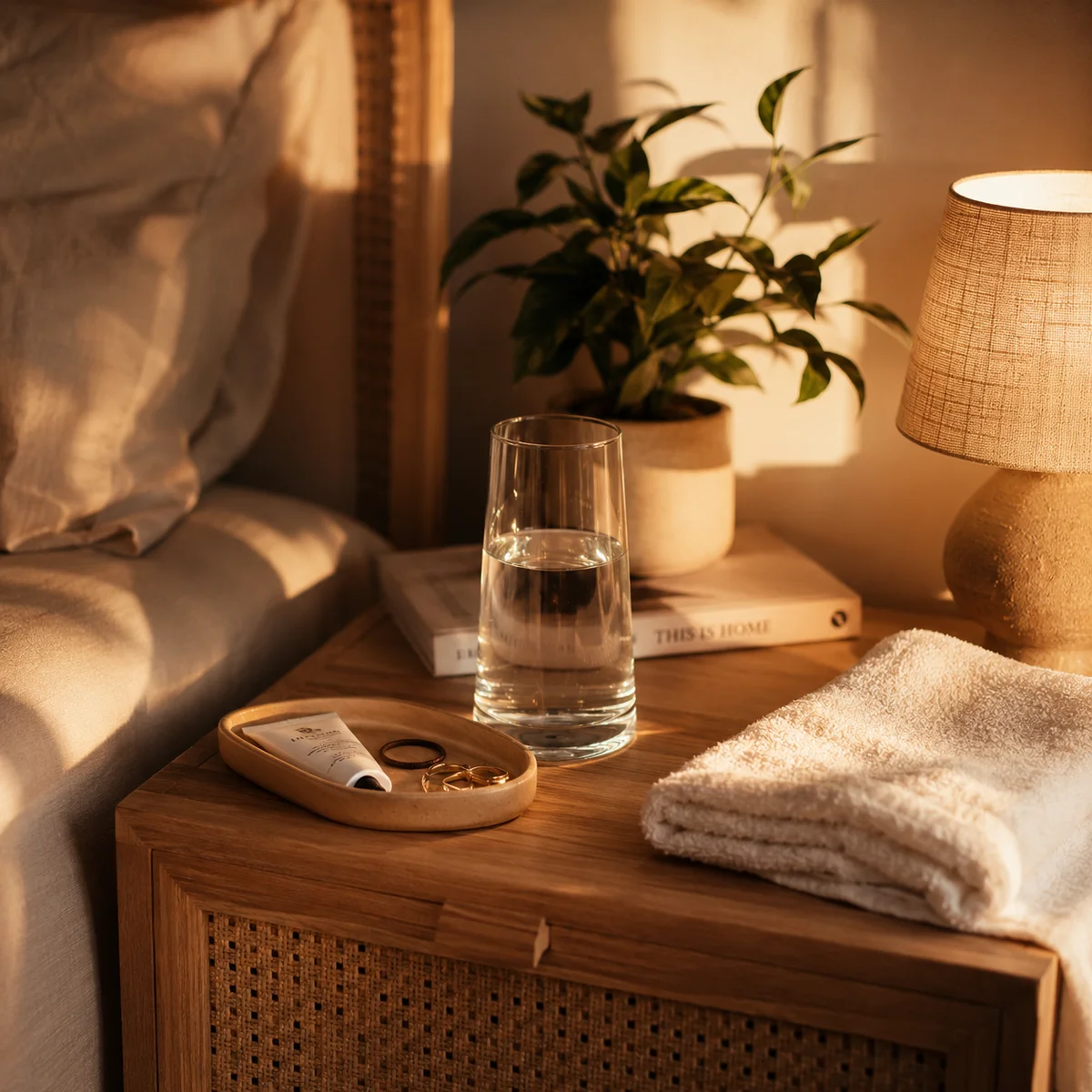
- Water. A pitcher or several bottles within arm’s reach of wherever you’ll be. Dehydration during physical activity is real, and nobody wants to wander to the kitchen mid-experience.
- Towels. At least three clean towels — one per person. Set them somewhere visible so nobody has to ask.
- Protection and lubricant. Multiple options within easy reach. Not hidden in a drawer that requires explanation. Visible but not aggressively displayed.
- Snacks. Something light and easy — fruit, crackers, nuts. Post-activity hunger hits everyone differently, and having food available is both hospitable and practical.
- A designated “anyone’s space.” A chair, a corner of the couch, or even a spot on the bed that belongs to no one. The third partner should feel they have somewhere to exist that isn’t borrowed from the couple.
- Phone charger. Offer one. It’s a small gesture that says “we want you to have what you need.”
None of this is extravagant. It’s baseline hospitality — the same thoughtfulness you’d extend to any guest, elevated slightly because the stakes around comfort and safety are higher. For a fuller safety framework, these physical preparations sit alongside the emotional and digital safety practices that matter just as much.
Creating Emotional Safety Through Your Space
The physical environment shapes more than physical comfort. It communicates emotional messages too.
Taking a moment to consider this from another angle helps deepen the experience for everyone.

Couple photos. Take a quick look around. If every surface displays your wedding photos, vacation shots, and couples’ portraits, your third partner will feel like they’ve walked onto your relationship’s set. You don’t need to redecorate your entire home — just be aware of the visual landscape. Tuck away the most couple-heavy items for the evening.
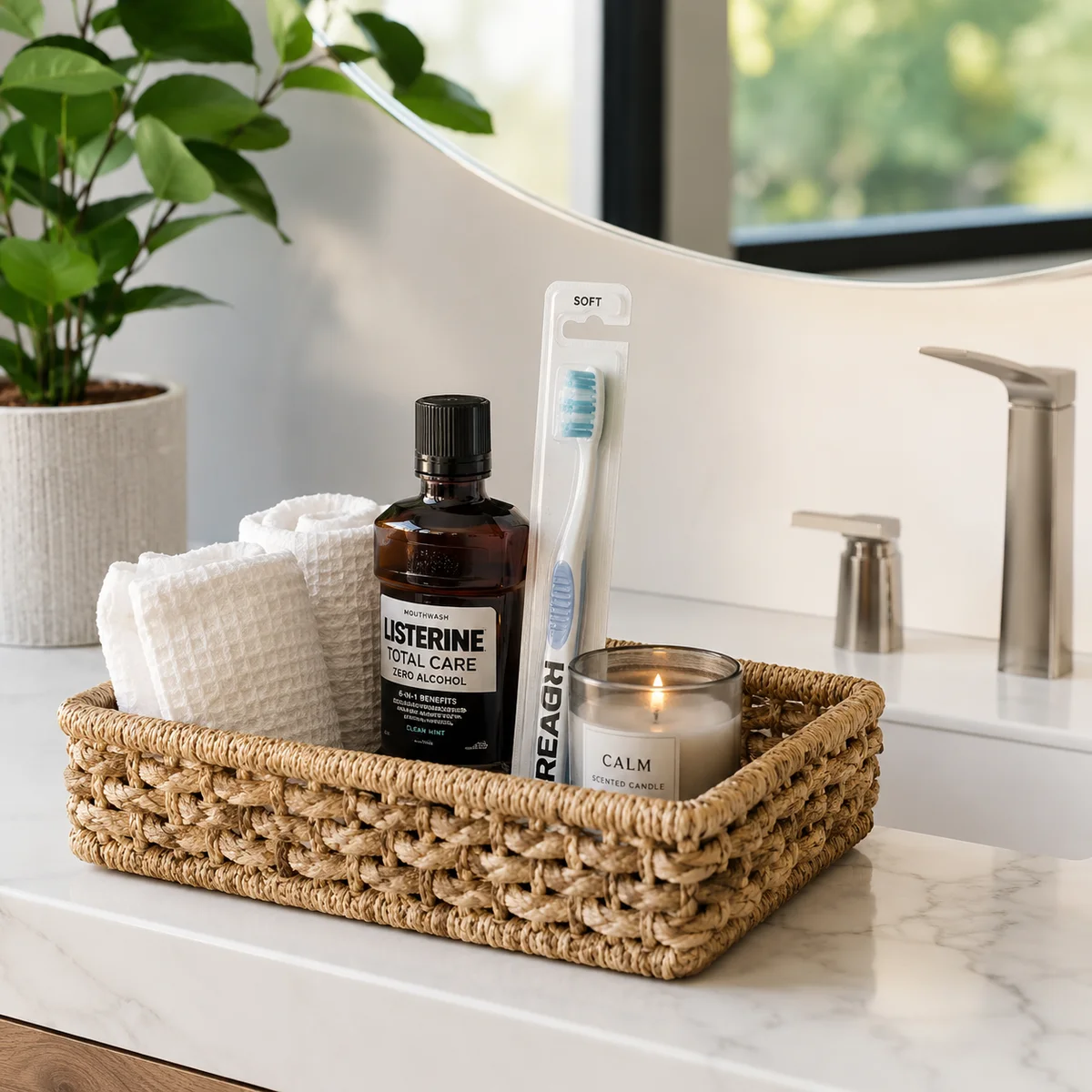
Bathroom setup. The bathroom is a vulnerable space. Make sure it’s clean — counter clear, toiletries accessible, fresh hand towel. A small basket with extras (toothbrush, mouthwash, wipes, hair ties) is a quiet signal of thoughtfulness that people notice even if they don’t mention it.
The exit path. Your third should know, without having to ask, how they’ll leave if they need to. Where’s their stuff? Where’s the door? Can they get to their car or rideshare without walking through your personal spaces? Thinking through boundaries extends to the physical layout of your home.
Hosting as a Couple vs. as a Single: Different Dynamics
When a couple hosts, the power dynamic is inherently tilted. You’re on your home turf. Your third is in unfamiliar territory. Recognizing this is the first step to balancing it.
If you’re the hosting couple: Offer a tour, but keep it brief. “Here’s the bathroom, here’s water, make yourself at home.” Don’t over-narrate. Don’t make jokes about “and here’s the bedroom” — that’s predictable and puts pressure on the third to perform enthusiasm. Let them settle in at their own pace. Offer a drink. Sit down and talk before anything physical starts. Finding a third safely includes making them feel welcomed in your space, not just screened online.
If you’re the single hosting: The dynamic is different — you have more control over the environment, which can actually feel empowering. Set up the space exactly as you want it. Have your boundaries in mind. The couple is entering your territory, and that shift in balance can work in your favor. You get to define the atmosphere.
Hotel hosting: A neutral space can actually be ideal for first-time experiences. Nobody’s territory. Clean, stocked, no personal history on the walls. The downside is the expense and the impersonal feel. If you go this route, bring a few personal touches — a Bluetooth speaker, your own pillows, maybe a familiar throw blanket. Small things that take the “rented room” edge off.
The Arrival: Welcoming Without Overwhelming
The first ten minutes set the tone. Your third is probably more nervous than either of you. They’re walking into a couple’s dynamic, meeting expectations they may have only discussed over text. Here’s how to make those first minutes count:
- Greet them together, at the door, fully clothed. Not one of you opening the door while the other lingers in the bedroom. Present as a unit, welcoming and casual.
- Offer a drink. Water, tea, something non-alcoholic first. Alcohol can wait — and setting healthy limits around drinking starts with your hosting choices.
- Sit in the living area first. Don’t head straight for the bedroom. Talk for at least twenty minutes. Reconnect as humans before transitioning into anything physical. This is where you reaffirm that everyone is still comfortable and nothing has changed since your last conversation.
- Ask how they’re feeling. A simple “How are you doing? Nervous? Excited? Both?” opens the door for honesty. Don’t jump to reassurances — just listen to the answer.
After They Leave: Reset, Debrief, and Learn
The hosting doesn’t end when the door closes behind your third. There’s a wind-down process that matters for both you and your partner.
First, a quick reset. Strip the bed, start the laundry, put away the snacks. This isn’t about erasing the experience — it’s about reclaiming your space so you can think clearly. A post-threesome debrief is easier when the room doesn’t still smell like the experience.
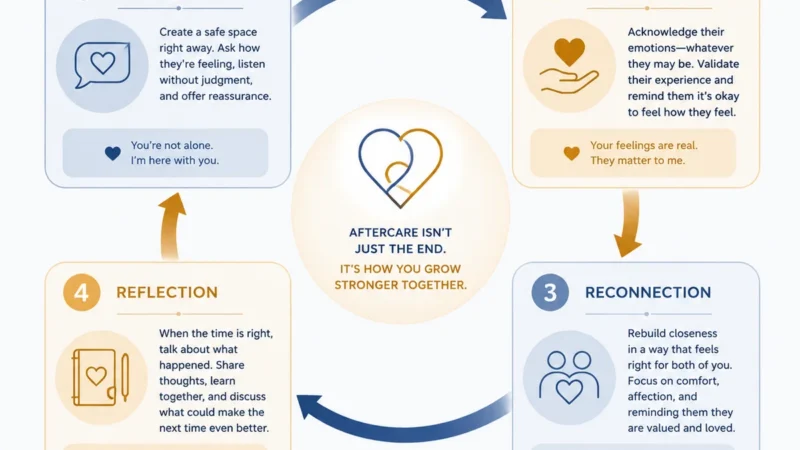
Then, the debrief. Check in with your partner. How did the hosting feel from their side? Was there a moment when the space felt awkward? Did the third seem comfortable? What would you change about the setup next time? These conversations are how you refine your approach — and they’re also how you reconnect as a couple after sharing your space with someone else.
This guide is part of 3Cupid’s ongoing series on practical threesome preparation. All content is intended for adults 18+ and emphasizes enthusiastic consent, safety, and mutual respect in every interaction.
Focus Keyword: hosting a threesome