
Table of Contents
- Why Your Relationship Needs to Thrive Outside the Lifestyle
- Creating Non-Swinging Rituals That Anchor Your Partnership
- Protecting Dedicated Couple Time from Lifestyle Creep
- Building Shared Goals That Have Nothing to Do with Swinging
- Keeping the Friendship at the Core of Your Relationship
- Recognizing When the Lifestyle Is Taking Over
- Your Non-Swinging Connection Menu
Here’s a scene that plays out in swinging communities more often than anyone wants to admit. A couple walks into a club, greets friends warmly, navigates the evening with ease, and seems completely in sync. Then they get in the car to drive home, and the silence is louder than the music on the way there. Not because anything went wrong. Because without the lifestyle, they’ve forgotten how to just be together.
The most successful swinging couples share a secret: they’ve built a relationship that would be fulfilling even if they never attended another lifestyle event. The swinging is a beautiful addition — but it was never the foundation. This guide is about building and protecting that foundation, so your partnership stays rock-solid no matter where your lifestyle journey takes you.

Why Your Relationship Needs to Thrive Outside the Lifestyle
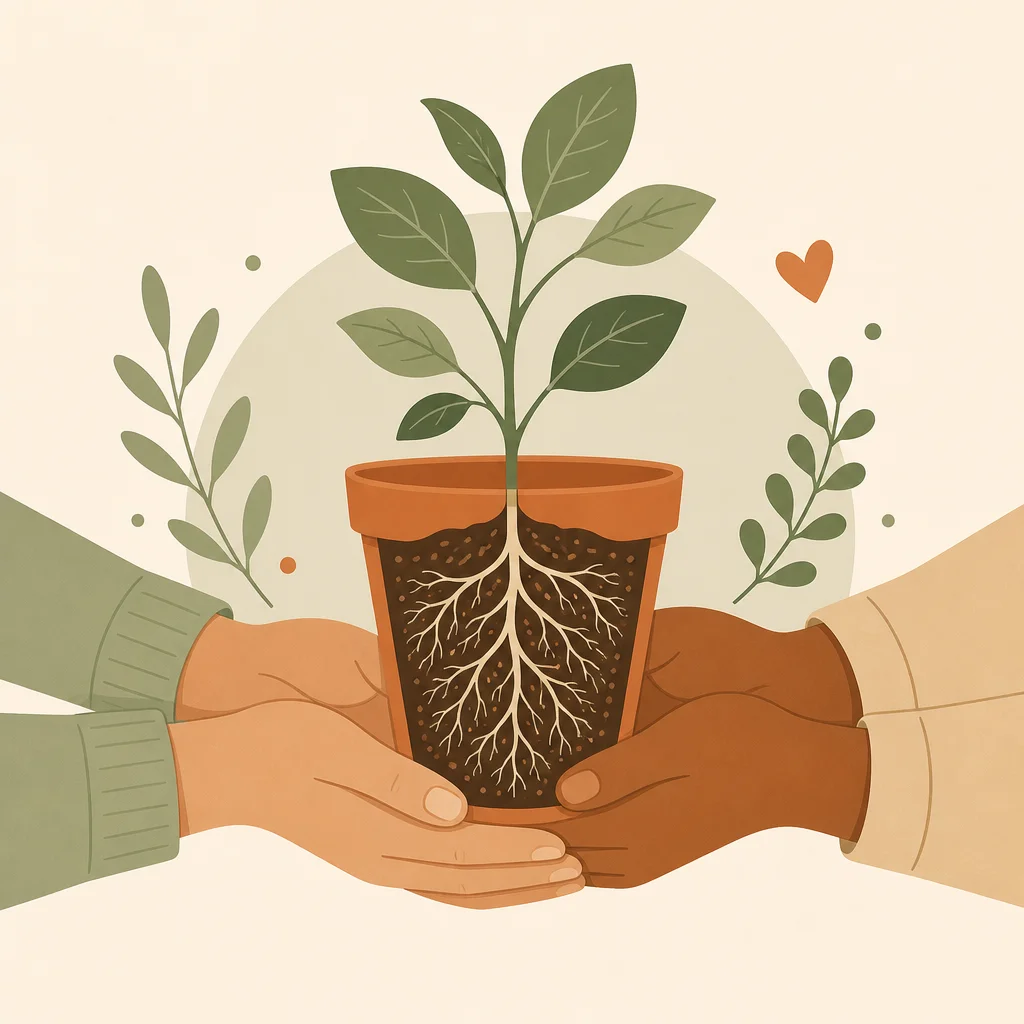
Think of your relationship as a house. The swinging lifestyle is a beautiful sunroom you’ve added on — it brings in light, creates new space, and makes the whole home feel more expansive. But if you spend all your time in the sunroom and neglect the foundation, the house eventually cracks.
Couples who nurture their primary relationship outside swinging aren’t being cautious or conservative. They’re being strategic. They understand that the lifestyle introduces variables — emotional complexity, time demands, new relationship energy with other people — that can strain even the strongest partnership. The antidote isn’t to avoid those variables. It’s to make sure the partnership is strong enough to hold them.
When your relationship exists independently of swinging, something important shifts. You’re no longer using the lifestyle as the primary source of excitement in your partnership. You’re generating your own spark. The lifestyle becomes something you share, not something you depend on.
This independence also makes the lifestyle more enjoyable. When you know your relationship is secure regardless of what happens at a club or event, you’re free to be present and playful. There’s no underlying anxiety about whether your bond can survive a challenging experience.
Creating Non-Swinging Rituals That Anchor Your Partnership
Rituals are the heartbeat of any long-term relationship. They’re the predictable, repeated moments that say “this is us” without needing to use words. For swinging couples, the risk is that all their rituals become lifestyle rituals — the Friday night club visit, the Sunday morning debrief, the group chat banter.
You need rituals that belong exclusively to the two of you. Here are some that couples in the community have found particularly grounding:
- The weekly adventure. Not a date night — an actual mini-adventure. Hike a new trail. Try a restaurant in a neighborhood you’ve never visited. Take a pottery class. The point is shared novelty that has nothing to do with meeting anyone new.
- The Sunday reset. Cook breakfast together. Go for a walk. Talk about the week ahead. No lifestyle planning allowed. This is your time to be a regular couple.
- The monthly project. Build something together. Renovate a room. Plant a garden. Train for a 5K. Having a shared goal that requires teamwork reinforces your identity as partners beyond the lifestyle.
- The annual trip, just you two. No clubs. No play partners. Seven days of just being together in a new place. These trips tend to be the experiences couples point to years later as relationship anchors.
The key is consistency. A ritual only becomes an anchor when it’s repeated enough to feel like “our thing.” One-off efforts don’t build the neural pathways that make rituals powerful. Pick one, commit to it for three months, and watch what happens to your sense of “us.”
Protecting Dedicated Couple Time from Lifestyle Creep
Lifestyle creep is real, and it’s subtle. One month you’re attending one event every few weeks. Six months later, you’re spending three nights a week on lifestyle-related activities, your group chats never stop buzzing, and you can’t remember the last Saturday you spent with just your partner.
This isn’t a sign that you’re doing something wrong — it’s a sign that what you’re doing is fun. The lifestyle is genuinely enjoyable, and enjoyable things tend to expand to fill available space. The question is whether that expansion is happening at the expense of something more important.
Some practical boundaries to consider:
- Cap lifestyle nights per week. Many experienced couples cap lifestyle activities at two nights per week maximum, with at least two nights reserved exclusively for each other.
- Designate a “no lifestyle talk” window each day. From dinner until bedtime, for example, the lifestyle doesn’t exist. No planning, no debriefing, no group chats.
- Protect weekend mornings. Sleep in together. Make breakfast. Read the paper. Lazy weekend mornings are one of the first things to disappear when the lifestyle takes over — and one of the most restorative to reclaim.
- Use a shared calendar with “blocked” couple time. If it’s on the calendar in a color that means “us only,” it’s as non-negotiable as a doctor’s appointment.
If you’re also balancing lifestyle activities with family responsibilities, these boundaries become even more critical. The busier your life, the more intentional you need to be about protecting the space where your relationship breathes.
Building Shared Goals That Have Nothing to Do with Swinging
One of the quietest dangers in any niche community is that it can become your entire identity. When all your goals are lifestyle goals — attend this event, connect with these people, try this dynamic — you risk waking up one day and realizing you don’t have any shared ambitions beyond the next club night.
Shared goals give a relationship forward momentum. They create a sense that you’re building something together, not just enjoying something together. And they keep your identity as a couple from collapsing entirely into your identity as swingers.
Some goal categories to explore together:
- Financial goals. Saving for a house, paying off debt, building an investment portfolio. Nothing bonds a couple like working toward financial freedom together.
- Health and fitness goals. Training for an event, adopting a new eating pattern, committing to a daily walk. Physical goals create accountability and shared pride.
- Learning goals. Take a language class, learn to cook a specific cuisine, pick up an instrument. Being beginners together is deeply connecting.
- Travel goals. Plan a trip that has nothing to do with the lifestyle — just the two of you exploring somewhere new.
- Community goals. Volunteer together, join a local organization, contribute to something bigger than yourselves.
The specific goal matters less than the fact that it’s yours. Not the community’s. Not the lifestyle’s. Just the two of you, moving toward something meaningful together.

Keeping the Friendship at the Core of Your Relationship
Research consistently shows that the single strongest predictor of relationship satisfaction isn’t passion, compatibility, or even communication skill — it’s friendship. Couples who genuinely like each other as people are the ones who last.
In the swinging lifestyle, friendship can get complicated. You’re building friendships in your swinging community, which is valuable — but it can also mean the friendship within your own relationship gets sidelined. Your partner stops being the person you call first with good news, because you’ve got a group chat for that. They stop being the person you vent to, because lifestyle friends “get it” more.
Protect the friendship. Make your partner the first person you tell, not the fifth. Laugh together about things that have nothing to do with the lifestyle. Be silly. Be vulnerable. Be the version of yourself that exists before the lifestyle persona gets applied.
Ask yourself honestly: if you removed the lifestyle from your relationship tomorrow, would you still enjoy each other’s company? Would you still have things to talk about? Would you still choose this person as your closest friend? If the answer is uncertain, that’s not a crisis — it’s a signal. A signal to start investing in the friendship the way you invest in the lifestyle.
Recognizing When the Lifestyle Is Taking Over
Sometimes the problem isn’t that you’re not trying hard enough. It’s that the lifestyle has quietly expanded beyond what your relationship can comfortably hold. Recognizing this early prevents the kind of crisis that forces an all-or-nothing choice between swinging and staying together.
Warning signs that the lifestyle may be dominating your relationship:
- You can’t remember the last time you had a date that wasn’t lifestyle-related.
- Your conversations default to lifestyle topics because other conversation feels forced or boring.
- You feel anxious or irritable when a scheduled lifestyle activity gets canceled — not because you were looking forward to it, but because you don’t know what else to do together.
- One partner is consistently pushing for more lifestyle activity while the other is going along to avoid conflict.
- Non-lifestyle friends have commented that you “seem different” or that they never see you anymore.
If several of these resonate, it might be time to take a break and reset. A pause doesn’t mean failure. It means you’re prioritizing your primary relationship, which is exactly what this entire guide is about. The lifestyle will be there when you’re ready to return — stronger and more grounded than before.

Your Non-Swinging Connection Menu
Below is a menu of connection activities organized by time investment. The idea isn’t to do everything — it’s to have options you can reach for when you need to reconnect outside the lifestyle. Pick one from each category each week.
5-Minute Connections (Daily)
- Morning coffee, no phones
- A real hug — not a pat on the back, a full embrace that lasts at least 10 seconds
- “What are you excited about today?” — asked and genuinely listened to
- One specific compliment (not “you look nice” — “I love how your eyes look in this light”)
- A handwritten sticky note left somewhere they’ll find
30-Minute Connections (2-3 Times Per Week)
- Walk around the neighborhood together after dinner
- Cook a meal together, music playing, no screens
- Read aloud to each other — a chapter of a book, an article you found interesting
- Look through old photos and talk about your favorite memories
- Do a puzzle or play a board game — just the two of you
Half-Day Connections (Weekly)
- Date afternoon — museum, gallery, farmers market, picnic
- Try a new activity neither of you has done before
- Take a long drive with a shared playlist and no destination
- Volunteer together for a few hours
- Plan your next non-lifestyle trip — research, dream, book
These aren’t grand gestures. They’re deliberate investments. Each one says: “You matter to me as more than my lifestyle partner. You matter to me as my person.” In the long run, these small investments compound into the kind of relationship that can handle anything — including the beautiful, complicated, rewarding world of swinging.
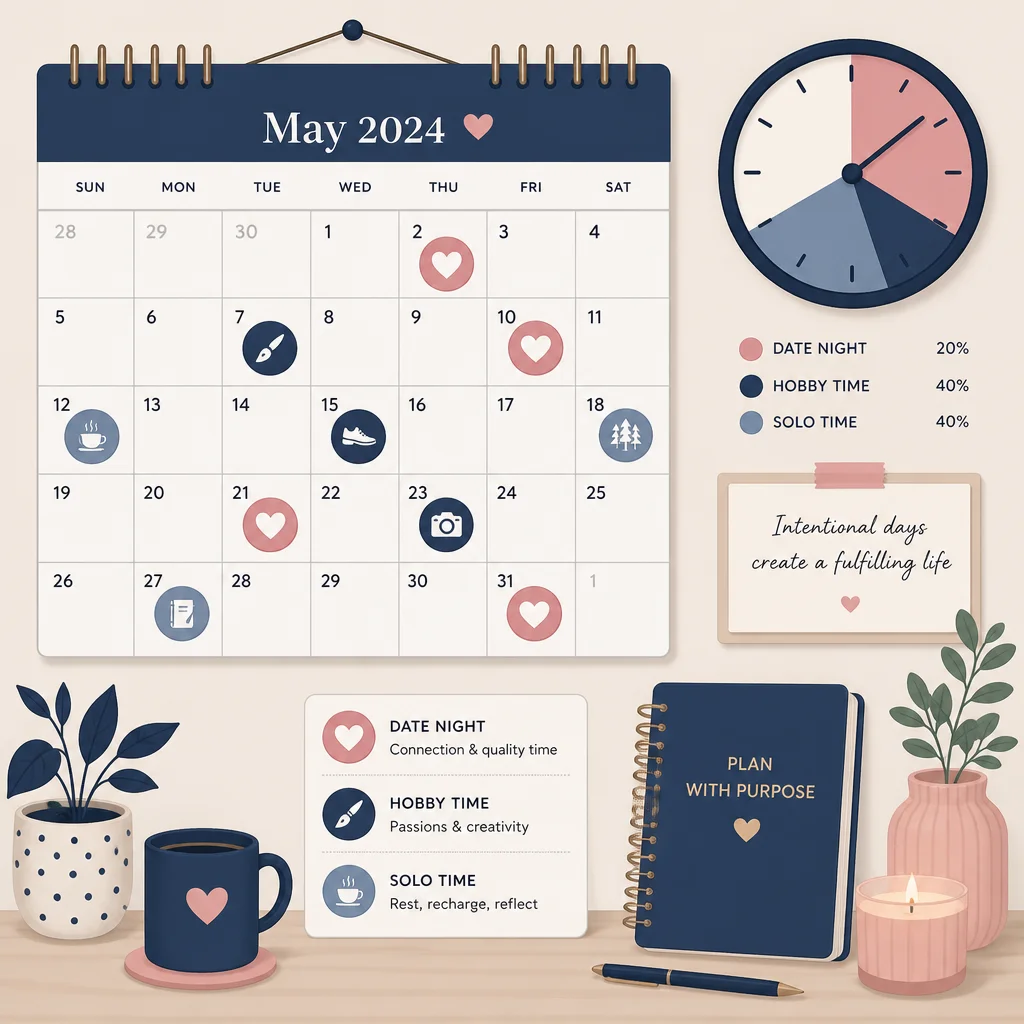
Building a relationship that thrives with or without swinging isn’t just smart — it’s the most reliable path to long-term happiness in the lifestyle. When your foundation is solid, everything else becomes easier. The communication gets cleaner. The emotional complexity becomes more navigable. And the lifestyle itself becomes what it should be: an enhancement to an already fulfilling partnership.
For more on keeping your romantic connection strong, read our companion guide on keeping romance alive in the swinging lifestyle. And for research-backed relationship advice, visit VeryWell Mind’s guide to keeping relationships strong.

If you’re looking for a community that values strong primary relationships as much as exciting lifestyle experiences, you’ll find like-minded couples and singles right here at 3Cupid. The best adventures start from solid ground.
This article was written by the 3Cupid editorial team to help couples build stronger foundations for their swinging journey. Our approach emphasizes relationship health, intentional communication, and the belief that the strongest lifestyle partnerships are built on a friendship that exists independent of the lifestyle itself.