Table of Contents
- What Is an Open Relationship?
- Why Open Relationship Rules Matter
- The Core Rules Every Couple Should Agree On
- Rules for Emotional Boundaries and Jealousy
- Safer Sex and Health Rules
- How to Revisit Your Rules as Things Change
- The Do’s and Don’ts of Open Relationship Rules
Open relationship rules are the specific agreements a couple makes before either partner dates, sleeps with, or connects with anyone outside the relationship. They are what separate a consensually open relationship from secrecy and hurt. Without clear rules, an open relationship is just two people hoping they will guess each other’s comfort zones correctly — and guessing wrong tends to hurt.
If you are considering opening your relationship, this guide walks through the rules that matter most, why they matter, and how to agree on them together. We cover what an open relationship actually is, the core rules to discuss, how to handle jealousy and emotional boundaries, safer-sex agreements, and how to revisit your rules as your relationship changes.
What Is an Open Relationship?
An open relationship is a partnership in which two people agree that one or both of them can form sexual or romantic connections outside the relationship. The word that separates this from cheating is consent. In an open relationship, everyone involved knows what is happening and has agreed to it, which means there is no secrecy and no betrayal hiding in the background.
In most open relationships, the original couple stays the emotional center. Outside connections are usually lighter — casual dates, ongoing friends-with-benefits arrangements, or occasional encounters — arranged around that primary partnership. That said, “open” is not one fixed thing. Two couples can both call their relationships open and have completely different rules. The structure is whatever you and your partner explicitly agree it is, which is exactly why the rules matter so much. If you are weighing an open arrangement against other structures, our guide on open relationship vs polyamory lays out the differences.
Why Open Relationship Rules Matter
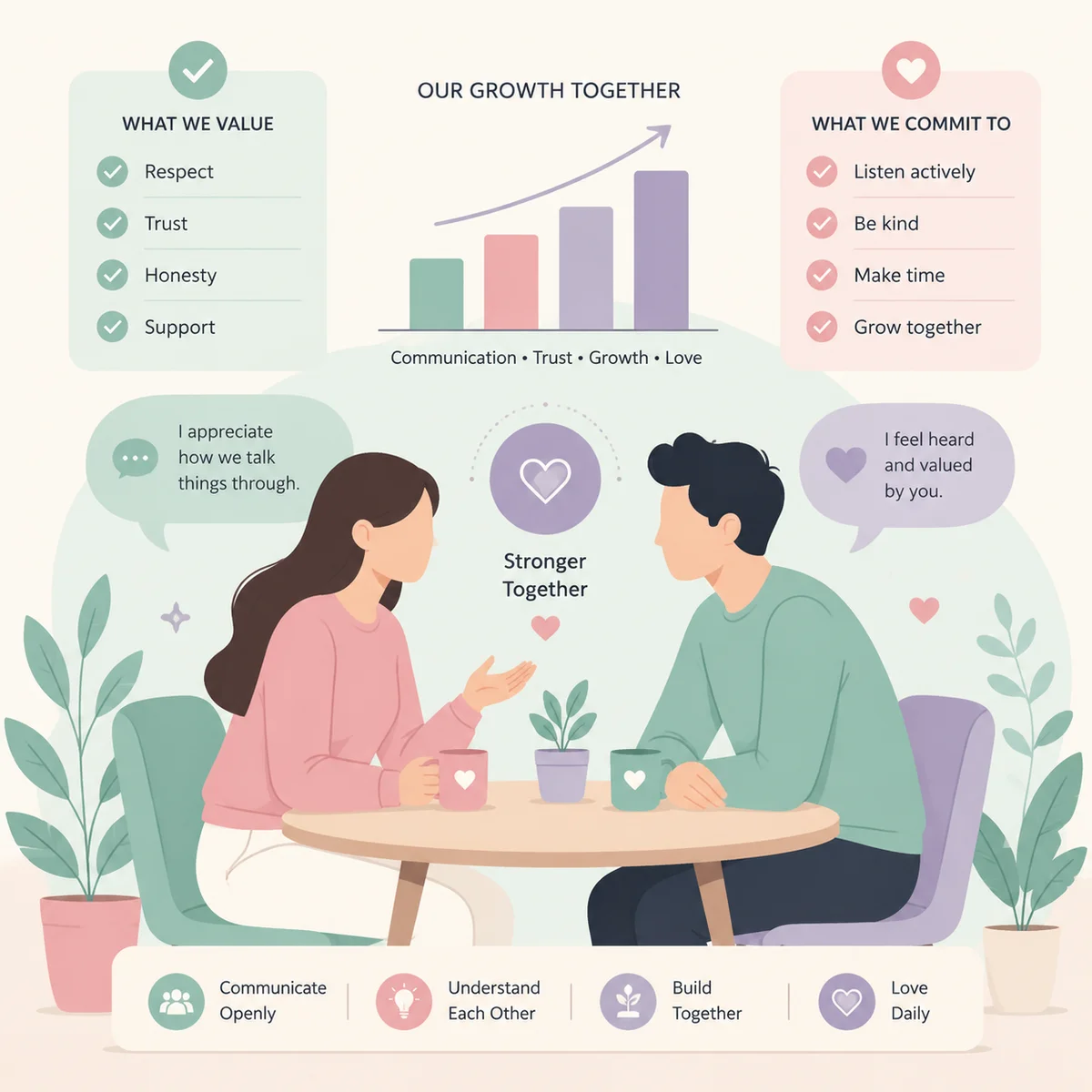
Rules are not the boring part of opening up; they are the part that keeps you both safe. When a couple opens their relationship without spelling out what is okay and what is not, they are essentially asking each other to guess. Guessing wrong — about whether an overnight is fine, whether feelings are allowed, whether a certain person is off-limits — is how open relationships fall apart.
Clear open relationship rules do two jobs at once. They prevent misunderstandings before they happen, and they give both partners a shared language for checking in later. People often assume that adding more freedom means needing fewer rules. The opposite is usually true: open relationships tend to run on more explicit agreements than monogamous ones, because nothing is left to the default. For a grounding in the broader landscape, start with our ethical non-monogamy guide for beginners.
The Core Rules Every Couple Should Agree On
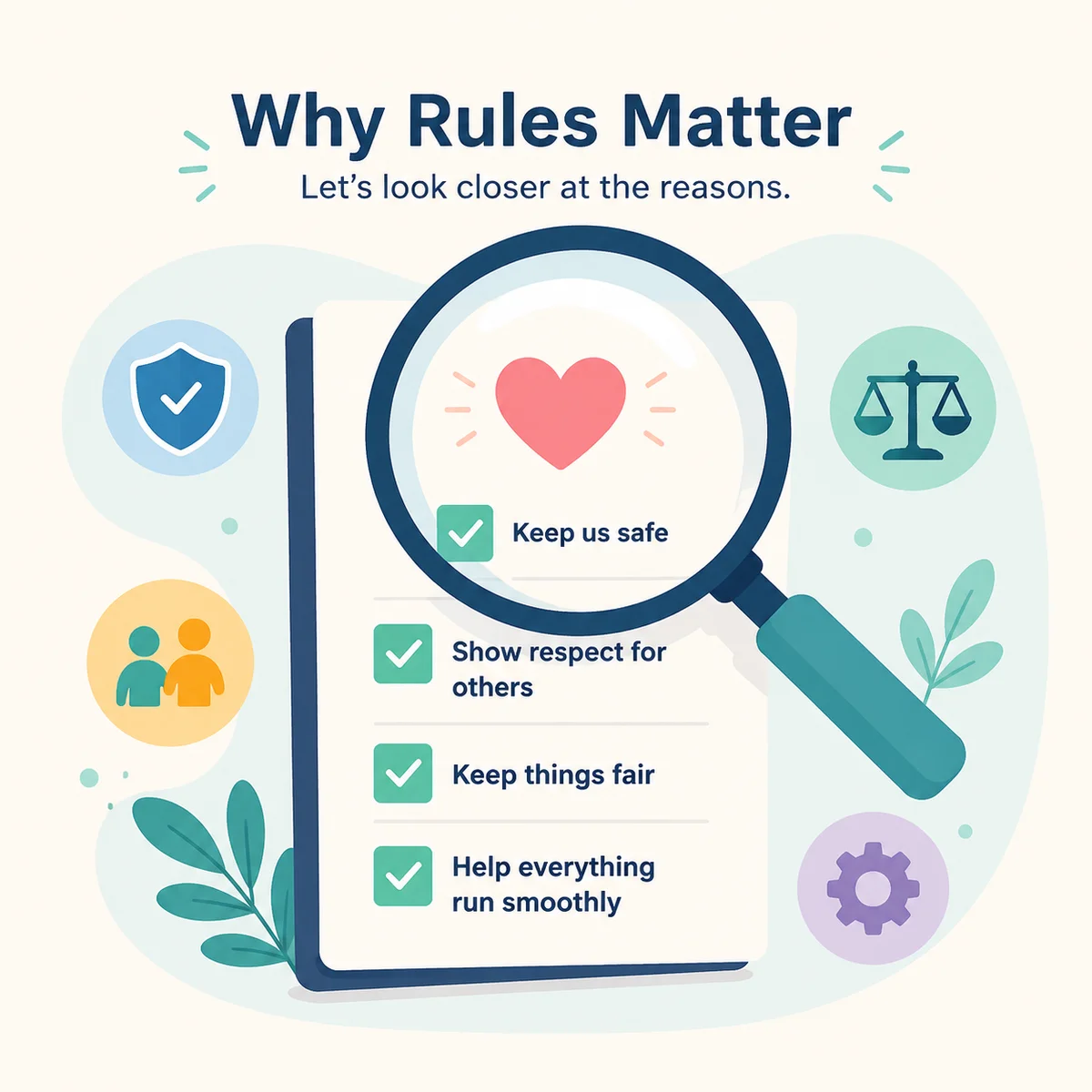
Every open relationship is different, but a handful of conversations come up again and again. If you cover these together, you will have the foundation most open relationships are built on.
- Who is allowed. Is outside contact for both of you, or just one? Are certain people off-limits, like exes, close friends, or coworkers?
- What is allowed. Casual sex, ongoing dates, romantic feelings, or some specific combination of the three?
- How much to share. Full disclosure, a heads-up before or after, or a more private “don’t ask, don’t tell” style?
- Time and priority. How much time goes to outside connections, and what protects your primary time together?
- Safer sex. What barriers do you use with others, and how often do you both get tested?
- Home and logistics. Are outside partners allowed in your home, and who in your life knows about the arrangement?
You do not need to nail every answer in one sitting. What matters is that you discuss them, not that you have a perfect rulebook on day one. Written agreements help — a shared note you can both look back at removes the “I thought you said” arguments later. This is also where it helps to see how couples in mixed structures negotiate the same questions, which we cover in our mono-poly relationships guide.
Rules for Emotional Boundaries and Jealousy
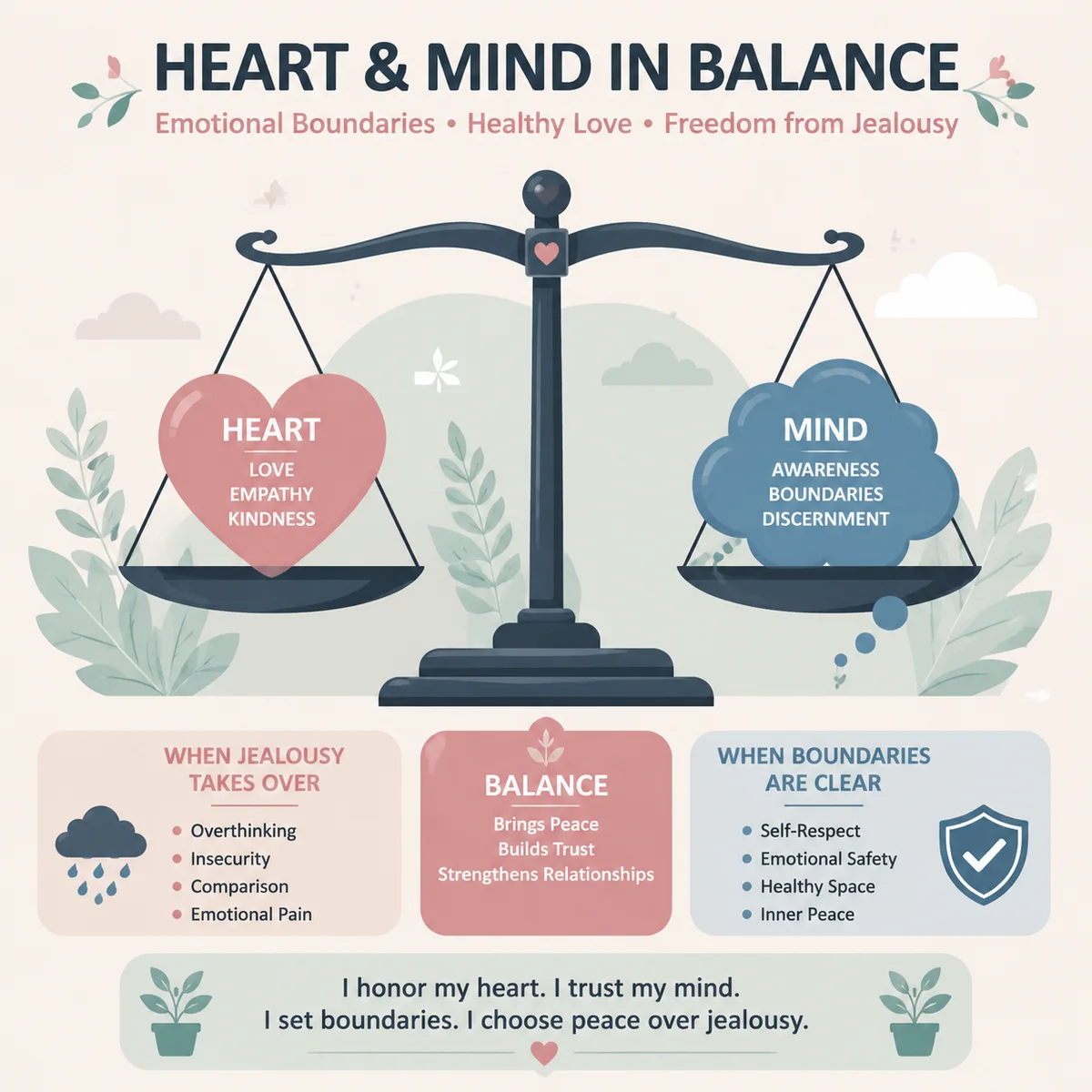
Jealousy is not proof that an open relationship is doomed. It is a normal emotion that shows up even for people who genuinely want to be open. The goal is not to never feel jealous; it is to agree, in advance, on what you will each do when it shows up. Some couples agree to pause outside dates when one partner needs reassurance. Others agree on a signal or phrase that means “I need to talk.”
Emotional boundaries are just as important as physical ones. Decide whether romantic feelings are allowed, and what happens if they develop anyway. Many open relationships draw a line: outside connections can be warm and affectionate, but they should not become a second primary relationship. Naming that line out loud — even if it feels awkward — prevents the slow drift into two primaries that neither of you agreed to. If insecurity is a recurring theme, our piece on navigating insecurity in a mono-poly dynamic offers concrete tools.
Safer Sex and Health Rules
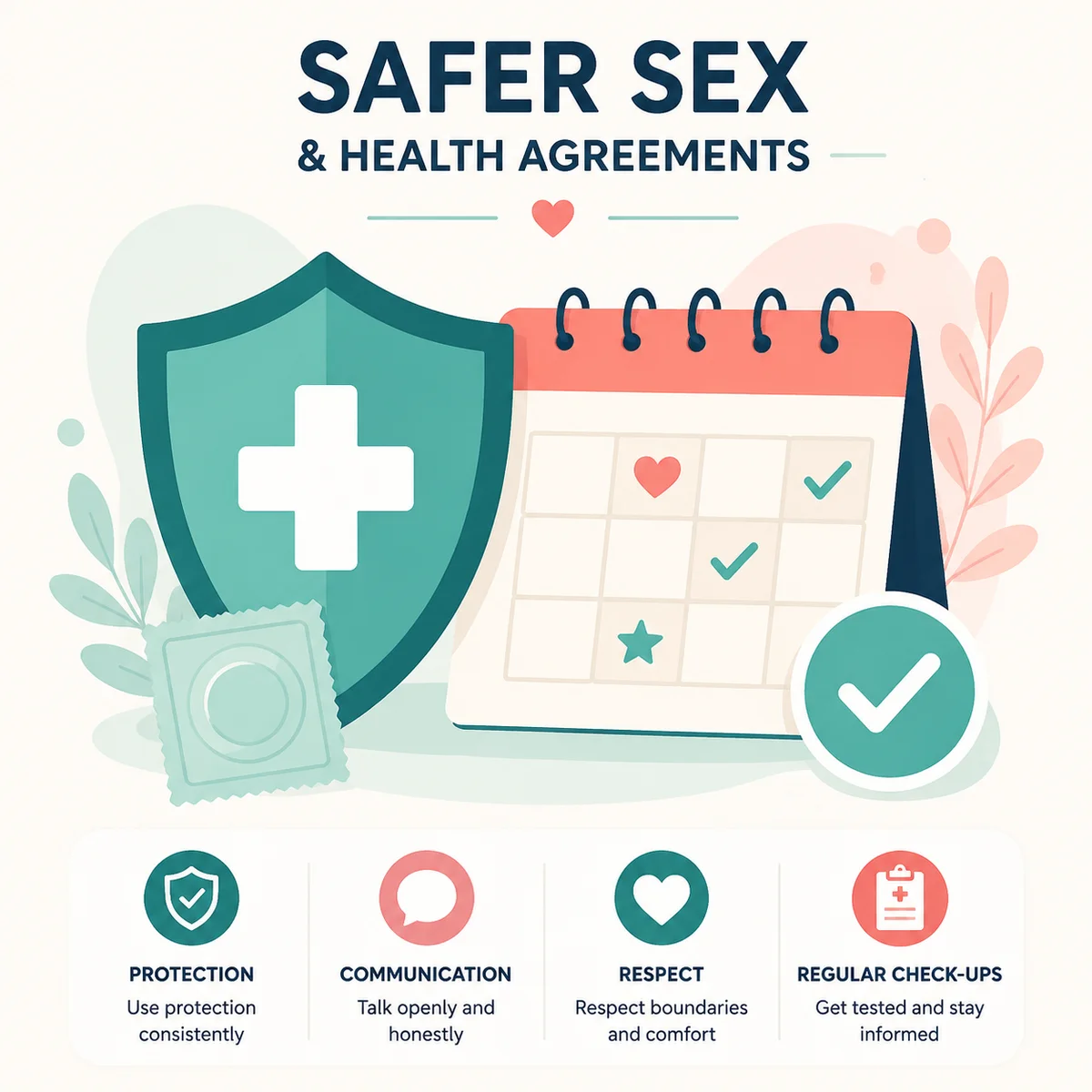
Opening your relationship changes your sexual-health picture, so safer-sex agreements belong in your rules from the very start. Decide together what protection you will use with outside partners and with each other. Decide how often you will get tested, and how you will tell each other about new partners or any change in risk.
This conversation is not about distrust; it is about treating health as a shared responsibility. A clear agreement — “we use barriers with outside partners, we test every three months, and we tell each other before anything changes” — gives both of you a predictable, non-shaming framework. It also makes it easier to bring up a change later without it feeling like a confession.
How to Revisit Your Rules as Things Change
Your rules are a living document, not a contract you sign once and never touch again. The rules that felt right in month one may feel too tight or too loose a year in. Set a rhythm for revisiting them — a monthly or quarterly check-in works well — where you both ask what is working, what is uncomfortable, and what needs to change.
Revisiting rules is not a sign of failure. It is a sign the relationship is real enough to adapt. When you update a rule, write down the new version so you are both working from the same page. The couples who treat their rules as something they tend to, rather than something they set and forget, tend to report the healthiest open relationships.

The Do’s and Don’ts of Open Relationship Rules
| Do | Don’t |
|---|---|
| Talk through each rule together before acting | Assume your partner is fine with the same things you are |
| Write your agreements down | Dismiss jealousy as a weakness |
| Check in on a regular rhythm | Set rules you do not intend to follow |
| Revisit and update rules as things change | Open up to fix a relationship that is already struggling |
Open relationship rules are the difference between a consensual arrangement and a guessing game. When you and your partner take the time to agree on who, what, how much, and how safely, you turn a vague idea into something you can both actually live inside. For a deeper read on the expert guidance behind these agreements, this overview of open relationship rules from VeryWell Mind is a helpful companion.
If you are still deciding whether an open relationship is even the right fit, our comparison of open relationships and polyamory is a good next read. And if you are ready to meet people who share your outlook, you can explore the 3Cupid community of adults who are building non-monogamous relationships with intention.
This article was written by the 3Cupid editorial team. 3Cupid is a dating platform for adults interested in threesome dating, ethical non-monogamy, polyamory, swinging, and unicorn dating. Content is for 18+ readers only.