Deciding to start cuckold dating as a couple isn’t something you do on a whim after a few drinks and a late-night conversation. It’s a deliberate choice that calls for honest communication, a clear understanding of what you’re both signing up for, and a shared commitment to each other’s emotional well-being throughout the process.
Cuckold dating exists on a spectrum — from occasional fantasy exploration to a more integrated lifestyle — and the way you begin shapes everything that follows. This guide walks you through the real starting point: not the apps or the profiles, but the conversations, the boundaries, and the mutual understanding that make this dynamic work for both of you.
Table of Contents
- What Does “Exploring Cuckold Dating” Actually Mean?
- The Conversation Every Couple Needs First
- Understanding the Power Dynamics and Roles
- Setting Your Boundaries Before You Begin
- How to Start Looking for a Compatible Third
- Aftercare, Check-Ins, and What Happens Next
What Does “Exploring Cuckold Dating” Actually Mean?
Before anything else, it helps to be clear on what the term covers — and what it doesn’t. Cuckold dating refers to a consensual dynamic in which one partner (often the man) derives emotional or psychological fulfillment from their partner (often the woman) having intimate experiences with someone else, known as the third or the outside partner. The key word here is consensual: this is a shared decision made with full awareness and agreement from everyone involved.
It’s not the same as an open relationship, and it’s not simply a threesome with a different label. The emotional layer — compersion, vulnerability, the deliberate surrender of exclusivity — sets it apart. Some couples explore it as an occasional dynamic within an otherwise monogamous relationship. Others integrate it more fully. Neither path is “more valid,” but understanding where you fall on that spectrum matters before you take the first step. If you’re still learning the basics, our Cuckold Dating 101 guide covers the fundamentals in depth.
Research published in Psychology Today notes that cuckolding fantasies are more common than many people assume, and that couples who approach the dynamic with open communication tend to report more positive outcomes than those who rush in without a shared framework.

The Conversation Every Couple Needs First
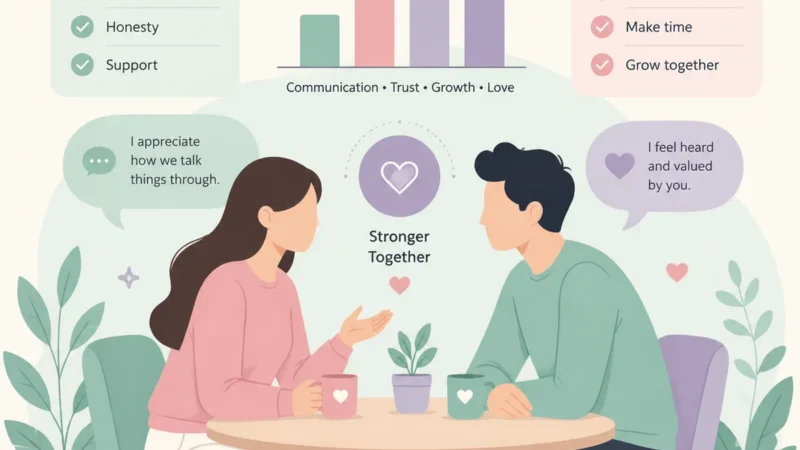
This isn’t one talk — it’s several. The first conversation plants the seed. The second explores feelings. The third gets into logistics. Rushing through all of it in one sitting almost guarantees someone leaves with unspoken doubts.
Start with the fantasy, not the plan. Say something like: “I’ve been thinking about something I’d like to share with you. No pressure, no decisions — I just want to know how you feel about it.” This framing removes the threat. Your partner isn’t being asked to agree to anything; they’re being asked to explore an idea with you.
Pay attention to what isn’t said. A partner who responds with “I guess if that’s what you want” is not the same as one who says “That’s actually something I’ve thought about too.” Enthusiastic participation from both sides is the foundation everything else rests on. If you’re unsure how to navigate feelings of jealousy that might come up during these early conversations, our guide on handling jealousy in cuckold dating is worth reading together.

Understanding the Power Dynamics and Roles
Every cuckold dynamic has power dynamics woven through it — sometimes obvious, sometimes subtle. Ignoring them doesn’t make them go away; it just means they’ll surface later, often in ways that hurt.
The core relationship (the primary couple) holds inherent power: shared history, emotional investment, living arrangements, finances. The outside partner enters this dynamic from a different position, and it’s on the couple to acknowledge that imbalance rather than pretend it doesn’t exist. This doesn’t mean the couple should feel guilty about it — it means they should be conscious of it and actively work to make the third feel respected, heard, and valued as a full person rather than a role-filler.
Terms like “the outside partner” carry different meanings depending on who’s using them. Some people describe this role in ways that recognize the person behind it — their preferences, their boundaries, their emotional reality. Others reduce it to a function. The difference between these approaches is the difference between an ethical dynamic and one that treats people as interchangeable. If you haven’t yet mapped out what you’re comfortable with, our guide to setting boundaries in a cuckold relationship walks you through the process step by step.

Setting Your Boundaries Before You Begin
Boundaries drawn after something goes wrong are repairs. Boundaries drawn beforehand are protection. The second approach saves a lot of heartache.
Sit down together and write out what you’re both comfortable with — and what you’re not. Cover these areas specifically:
- Communication boundaries. How much do you share with each other about encounters? Do you debrief after, or keep some experiences private?
- Emotional boundaries. What happens if either of you develops feelings for the outside partner? Is that a dealbreaker, or something you’re prepared to navigate?
- Time boundaries. How often? Are overnights on the table? What about weekends away?
- Safety boundaries. STI testing schedules, protection protocols, verification steps before meeting someone in person.
- Privacy boundaries. Who knows about your dynamic? Friends? Family? No one at all?
This document isn’t a contract carved in stone — it’s a living agreement that you revisit as you learn what works and what doesn’t. Boundaries shift over time, and that’s healthy, as long as the shifts happen through conversation, not assumption.

How to Start Looking for a Compatible Third
Once the foundation is solid, the search begins. This stage tests everything you’ve talked about — your preferences, your boundaries, your ability to present yourselves honestly.
Platforms designed for alternative dating tend to work better than mainstream apps, where mixed signals and mismatched expectations are common. Look for spaces where people understand the dynamic you’re exploring and where profiles allow you to be transparent about what you’re offering — and what you’re not. A strong profile mentions your dynamic clearly, avoids coded language or euphemisms, and makes it obvious that you’ve thought this through.
When you start talking to potential matches, lead with clarity. Explain what you’re looking for, ask about their experience and comfort level, and don’t rush. A third who feels like they’re being auditioned rather than genuinely connected with will pick up on that immediately. Our guide to ethical cuckold dating goes deeper into how to communicate respectfully throughout the search process.
- Write a joint or individual profile that’s honest about your dynamic
- Use photos that show the real you — no heavily filtered or misleading images
- Mention your approach to safety, testing, and communication upfront
- Move from messaging to a low-pressure public meetup within a reasonable timeframe

Aftercare, Check-Ins, and What Happens Next
Aftercare isn’t just for the hours following an encounter — it’s an ongoing practice that keeps your primary relationship grounded. The emotional aftermath of cuckold experiences can be unpredictable. One time might leave you both feeling closer than ever. Another might stir up feelings neither of you expected.
Build a check-in ritual. It doesn’t need to be formal — it can be as simple as setting aside time the next day to ask each other: “How are you feeling about what happened? Is there anything you’d want to do differently next time?” The point is creating space where honesty is welcomed, not punished.
Pay particular attention to the partner in the more vulnerable role. Cuckold dynamics can surface insecurities, feelings of exclusion, or moments of doubt. These aren’t signs that something is wrong — they’re normal emotional responses that need acknowledgment, not dismissal. A partner who can say “I felt a little left out” and be met with curiosity rather than defensiveness is a partner who will stay engaged in the dynamic rather than withdrawing from it.
When you’re ready to move from planning to the actual experience, our first-time cuckold dating guide covers what to expect emotionally and practically.

Before You Start: A Couple’s Checklist
- ✅ Both partners have expressed genuine interest — not reluctant agreement
- ✅ You’ve had at least three separate conversations about expectations
- ✅ Power dynamics have been discussed openly, including the outside partner’s perspective
- ✅ Written boundaries exist and both partners have a copy
- ✅ You’ve agreed on communication protocols — what gets shared, what stays private
- ✅ Safety procedures are in place (testing schedules, verification steps, public first meetings)
- ✅ You’ve agreed on what “pause” or “stop” looks like if either partner becomes uncomfortable
- ✅ Aftercare rituals are planned, not assumed
Starting Out: Do’s and Don’ts
| ✅ Do | ❌ Don’t |
|---|---|
| Have multiple conversations before taking any action | Bring it up for the first time during an argument or as an ultimatum |
| Acknowledge the outside partner as a full person with their own needs | Treat the third as a prop or a temporary addition to your relationship |
| Revisit boundaries regularly and adjust them together | Assume that what worked once will work forever without checking in |
| Create a safe space for jealousy, insecurity, and doubt to be voiced | Dismiss a partner’s discomfort as “overreacting” or “not getting it” |
| Move at the pace of the slower partner | Push forward because you’re excited while your partner is still processing |
Starting cuckold dating as a couple isn’t about finding the right person first — it’s about building the right foundation first. When the conversations are thorough, the boundaries are clear, and both people are genuinely on board, the search becomes something you do together rather than something one person drags the other through.
If you’re both ready to explore further, 3Cupid offers a space built specifically for couples and singles navigating alternative relationship dynamics — where profiles are transparent, intentions are clear, and the community understands what you’re looking for.
Editorial note: This guide reflects the experiences and perspectives of people who have navigated cuckold dynamics in their own relationships. All scenarios described are framed within the context of consensual, communicated roleplay between informed adults. If you or your partner are experiencing distress, consider speaking with a relationship counselor familiar with non-traditional relationship structures.