If you’re planning a threesome, you’ve probably talked about boundaries and what everyone is comfortable with. But have you planned how to press pause in the moment? Threesome safewords aren’t just kink accessories — they’re practical communication tools that give everyone in the room the power to slow things down, ask a question, or stop entirely without awkwardness. In a three-person dynamic, where body language can be harder to read and attention gets divided, having a clear signal system isn’t optional. It’s how you protect everyone’s comfort.
This guide walks you through setting up a safeword system that works for three people — covering verbal and nonverbal signals, how to call a pause without derailing the energy, and what to do after someone uses the safeword.

Why Safewords Matter More in a Threesome Setting
In a one-on-one encounter, you can usually tell when something is off. You’re focused on each other. In a threesome, the dynamic shifts. Attention splits. Someone might be momentarily on the sidelines while the other two are engaged. That person might feel something unexpected — discomfort, jealousy, a sensory overload — and not know how to speak up without “ruining it.”
A safeword removes that pressure. It’s a pre-agreed signal that means “stop and check in.” It’s not a failure. It’s not a complaint. It’s a tool. As sex educators have long emphasized, consent is ongoing — not a one-time checkbox you tick before clothes come off. And in a three-person dynamic, negotiation beforehand should always include agreeing on exactly how someone communicates they need a breather.
Think of it this way: everyone in the room should feel they have an exit ramp — not because they’ll definitely need it, but because knowing it’s there makes the entire experience feel safer. Research on sexual communication consistently finds that people who establish explicit consent signals report higher satisfaction and lower anxiety during group sexual experiences (Psychology Today).
Taking a moment to consider this from another angle helps deepen the experience for everyone.

Choosing the Right Safeword System for Three People
You don’t need a complicated code. You need something everyone remembers and nobody hesitates to use. Here are the most practical systems for three-person dynamics:
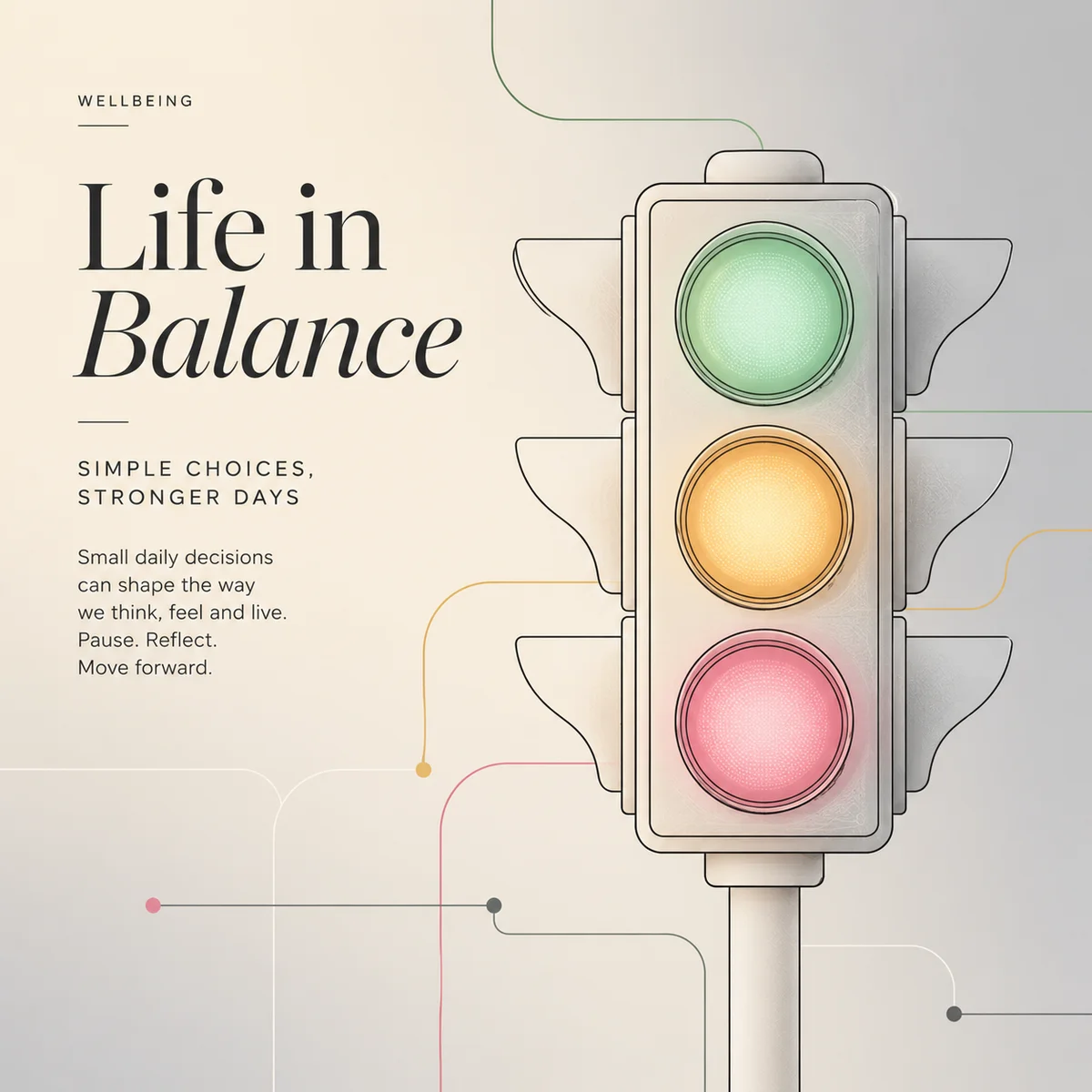
- The Traffic Light System: Green means “all good, keep going.” Yellow means “slow down or adjust something” — maybe a position is uncomfortable, or someone needs water. Red means “full stop right now.” This is the most common system for a reason. It gives granularity. Yellow doesn’t kill the mood — it just steers.
- Single Word Safeword: Pick something unmistakable that would never come up naturally — “pineapple,” “redwood,” “anchor.” One word, one meaning: everything pauses. Simpler than the traffic light, but less nuanced. Good for beginners.
- The Name Check-In: Simply saying someone’s name in a questioning tone becomes the signal. “Hey, Alex?” means “I need a moment.” This works well when everyone already has rapport.
Whatever you pick, agree on it together before anything starts. And practice it once. Seriously — say it out loud. It might feel silly, but that practice run is the difference between “I know the safeword” and “I’m comfortable using it.”
Taking a moment to consider this from another angle helps deepen the experience for everyone.

Nonverbal Check-In Signals When Words Feel Hard
Not everyone can verbalize discomfort in the moment. Someone might freeze up, get overwhelmed, or simply not want to interrupt a rhythm that the other two seem to be enjoying. That’s where nonverbal threesome safewords come in.
Here are signals that work well for three people, where someone might not be making eye contact:
Taking a moment to consider this from another angle helps deepen the experience for everyone.
- Tap Out: Three quick taps on any surface — an arm, a shoulder, the mattress. Universal, unmistakable, doesn’t require speaking. The other two stop and check in immediately.
- Hand Signal: A raised open palm, or a specific gesture like holding up two fingers. This works because it’s visible even when someone’s focus is elsewhere.
- The Squeeze: Squeeze someone’s hand twice. Only works if there’s hand contact, obviously. Good as a secondary signal.
The key rule: when any signal activates, everyone stops. No “one more minute.” No “are you sure?” The person who signaled gets to explain what they need — and that explanation can be as simple as “I need water” or as serious as “I need this to end.” Both are equally valid. If you’ve already discussed how to say no during a threesome, these nonverbal signals serve as the bridge between feeling something and voicing it.
When and How to Call a Pause Without Killing the Mood
This is what people worry about most. “What if I use the safeword and everything gets awkward and the whole night is ruined?” Here’s the reality: a well-handled pause rarely kills the vibe. What kills the vibe is when someone powers through discomfort and that energy seeps into everything else.
Taking a moment to consider this from another angle helps deepen the experience for everyone.

When you call yellow: “Hey, can we shift positions? My arm is falling asleep.” Or “Yellow — I need a sip of water real quick.” Frame it casually. The traffic light system is designed for exactly this. Yellow isn’t an emergency. It’s a course correction.
When you call red: “Red. I need to stop for a minute.” Don’t apologize. Don’t over-explain. Just state it. The other two people’s job is to pause, check in, and ask what you need — not to negotiate or talk you out of it. If you’ve set clear threesome boundaries beforehand, a red signal becomes a natural extension of those boundaries in action, not a surprise.
Taking a moment to consider this from another angle helps deepen the experience for everyone.

After the Safeword: What Happens Next
Someone called the safeword. Now what? The protocol matters just as much as the signal itself.
- Immediate pause. All physical activity stops. No exceptions, no “just let me finish.”
- Physical space. Give the person room to breathe. Don’t crowd them. Don’t hover. A simple shift back creates psychological breathing room.
- Check in — once. “What do you need right now?” Listen to the answer without jumping to solutions.
- Respect the answer. If they need five minutes alone in another room, give them that. If they need to talk about what happened, listen. If they want to end the night entirely, support that without guilt-tripping.
- No post-mortem in the moment. Don’t analyze what went wrong right then. That conversation belongs in the debrief, when everyone is regulated and clothed.
If you’re the couple and your third partner uses the safeword, your job is to protect them — not each other’s feelings. The third is the most vulnerable person in the room. How you respond to their safeword tells them whether you actually meant all that talk about finding a third safely and respectfully.
Common Safeword Mistakes Couples and Singles Make
Even with good intentions, people get this wrong. Here are the patterns to avoid:
- “We don’t need one — we trust each other.” Trust has nothing to do with it. Safewords exist because people can’t predict how they’ll feel in an unfamiliar situation. Even people who have been together for a decade can hit unexpected emotional walls.
- Agreeing on a safeword but never practicing it. If you’ve never said the word out loud, the first time you need it, your brain might freeze. Practice once. It takes ten seconds.
- Making the third partner responsible for enforcing it. The safeword belongs to everyone. Don’t put the burden on the single person — they’re already navigating a couple’s dynamic.
- Reacting defensively when it’s used. If someone calls yellow or red, your first reaction should be care, not “What did I do wrong?” or “Is it something I did?” That makes the moment about you instead of them.
- Skipping the debrief afterward. After emotions settle, talk about what happened. Not to assign blame, but to understand. Was the safeword called because of a physical discomfort? An emotional trigger? Something about the dynamic? Use the information to do better next time.
Safeword Setup Checklist for Your Next Threesome
- Choose your system. Traffic light (recommended), single safeword, or name-based check-in. Agree as a group — not one person dictating.
- Pick a backup nonverbal signal. Tap-out, hand signal, or squeeze — something that works even if someone loses their words.
- Practice it once. Say the safeword out loud. Do the tap signal. Feel slightly ridiculous for ten seconds. Now it’s real.
- Agree on the after-safeword protocol. What happens when someone calls yellow? What about red? Who gets them water? Where’s the quiet room if they need space?
- Know that safewords aren’t just for “bad” moments. Yellow can mean “I’m thirsty,” “change positions,” or “I need a bathroom break.” Normalize small asks.
- Check in proactively. Don’t wait for someone to use the safeword. Every 15-20 minutes, the person who is momentarily sidelined can do a quick “still green?” check. This builds trust and makes the safeword feel less like an emergency button.
Safewords don’t make a threesome clinical or rigid. They make it safe enough that everyone can actually relax. When you know exactly how to pause, you’re free to be more present. That’s not a limitation — it’s a framework for better experiences.
This article is part of 3Cupid’s ongoing guide to safer, more connected threesome experiences. All content is intended for adults 18+ and emphasizes enthusiastic consent, clear communication, and emotional well-being.
Focus Keyword: threesome safewords