Table of Contents
- Why a Cruise With Multiple Partners Is Its Own Category
- Whose Name Goes on the Booking
- Cabin Layout: What Three Adults Actually Fit In
- Money Before Anyone Boards
- Port Days and Time Apart
- Documents, Rules and What the Ship Expects
- The Pre-Departure Checklist
A cruise with multiple partners is not a beach week with better food. It is seven days in a floating building where nobody can leave early, the walls are thin, and the schedule belongs to somebody else. That combination is genuinely lovely when a group has thought it through, and it is extremely informative when they have not.
So the useful work happens before anyone pays a deposit. Cabin category, whose name sits on the reservation, what happens at each port, and what you will do when one person needs an afternoon alone are all far cheaper to settle at a kitchen table than in a room the size of a parking space. This piece is the planning half of that. The other half, living inside the room itself, is its own article.
This is logistics, not persuasion. It assumes adults, adult relationships, and no interest in converting anybody to anything. Ships have their own rules, ports have their own laws, and both vary more than most first-time cruisers expect.
Why a Cruise With Multiple Partners Is Its Own Category
Most group trips fail in ways you can walk away from. On a road trip someone can pull over. On a camping trip somebody can take a long walk with a water bottle and come back calmer. On a ship, the exits are scheduled and far apart, which changes the emotional maths of every disagreement.
Three things separate it. First, density: you eat, sleep, queue and wait together, and there is no separate bedroom to retreat into unless you have paid for one. Second, third-party rules: the carrier sets a code of conduct and can end your holiday at the next port. Third, cost structure: the headline fare is rarely the fare, and the extras land on different people in different ways.
If you already have a habit of sharing space with several partners in ordinary life, you are ahead. If you do not, a cruise is a demanding place to find out. Neither is a verdict on the relationship; it is a judgement about the venue.
Whose Name Goes on the Booking
Two shapes are possible. One reservation with one lead guest and the others added, or separate reservations linked so the system knows you travel together. Each has a consequence nobody mentions at the checkout page.
| Booking shape | What it gives you | What it costs you |
|---|---|---|
| One reservation, one lead name | Single invoice, easier dining and excursion linking, one person to deal with at the desk | The lead name holds practical leverage: cancellations, complaints and upgrades run through them |
| Separate linked reservations | Each adult is a recognised guest with their own account, own bill and own ability to ask questions | Bills do not merge automatically and dining or excursion linking sometimes needs a manual request |
| One cabin on one booking, second cabin separate | Genuine retreat space for one or two people without anyone sleeping in a corridor | Roughly double the fare, and the group splits physically as well as financially |
That table is also a quiet test for how hierarchy shows up in practice. If one person is the one whose name is on everything, on a ship that becomes the person who can change plans without asking. Naming that out loud before boarding is much kinder than discovering it at the guest services desk.
Money deserves its own conversation rather than a footnote. Splitting travel costs between several people is a solved problem on land and a messier one at sea, because so much of the spending is per person and automatic. Agree in advance whether gratuities, drinks and excursions are shared or individual, and say it before the first bill arrives.
Cabin Layout: What Three Adults Actually Fit In
Cruise cabins are sold by category and the differences are mostly about a window, not about floor area. Three adults in a standard cabin means one bed plus a third berth, usually a pull-down bunk or a converted sofa, and a bathroom designed for one person at a time.
| Cabin category | Sleeping arrangement for three | Who it tends to suit |
|---|---|---|
| Inside cabin | Fixed bed plus upper berth, no daylight at all | Groups who sleep hard and plan to be out of the room from morning to night |
| Oceanview | Same footprint as inside, one window that usually does not open | Anyone who needs a horizon line to settle, worth the small premium |
| Balcony | Same bed arrangement, plus a few square metres of outdoor floor | Groups where one person wakes early or wants somewhere to sit alone |
| Suite or family cabin | Separate sleeping area, sometimes a second bathroom | Three adults who value doors, or anyone who has learned this lesson already |
Be honest about bodies and sleep habits rather than optimistic about them. If somebody snores, somebody needs silence, and somebody needs a lamp on until one in the morning, the cabin category is the cheapest place to solve all three. The night-by-night reality of sharing a cruise cabin is written up separately, because it deserves more than a paragraph here.
If the group is a couple plus one, say so plainly at booking and think about which berth goes to whom before you board. Deciding by whoever asks first tends to land as a ranking, and the pace of a newer connection inside an established pair is worth handling deliberately rather than by accident.
Money Before Anyone Boards
Cruise pricing is designed so the fare looks smaller than the trip. These are the lines that most often surprise a group of three, and all of them are easier to divide before you are standing at a till.
- Gratuities, usually charged per person per day and rarely optional in practice.
- Drink packages, sold per person, and seldom worth buying for everybody in the group.
- Shore excursions, priced per head, and the single largest optional cost on most itineraries.
- Wifi, sold by device or by package, and the thing people argue about on day two.
- Speciality dining and any cover charges beyond the included restaurants.
- Currency and card holds at the pier, plus whatever the port itself costs once you land.
The American Psychological Association has a plain introduction to thinking about personal money and shared spending that is worth reading before this conversation rather than after it. The pattern that causes the most damage is not the amount, it is one person quietly subsidising the trip and resenting it by day four.

Write the arrangement down somewhere the group can see. A note in the phone with four lines is enough: who paid the deposit, what each person owes by when, which costs are shared, and what happens if somebody cancels. Financial boundaries in dating get easier the more boring and explicit they are.
Port Days and Time Apart
Port days are the pressure valve of a cruise and the part groups under-plan. Everyone assumes they will stay together because that is what holidays look like. In practice three adults rarely want the same afternoon, and a ship is one of the few places where splitting up needs actual arrangement rather than just drift.
Agree three things for each port: a meeting point on board, a meeting time, and what happens if somebody is not there. Then agree whether anyone is allowed to stay on the ship alone, because that is often the most restful option available and people feel odd about asking for it.
Introverts in group dating usually know this already and will thank you for building it into the plan. So will anyone whose idea of a good afternoon is a deck chair and nobody talking to them. Treat time apart as scheduled maintenance rather than a sign that something is wrong.
Documents, Rules and What the Ship Expects
Documents are per person and unforgiving. Passports with enough remaining validity, any visas the itinerary requires, travel and medical cover that actually covers the countries on the sailing, and a card that works away from home. One missing item stops all three of you at the pier, and no amount of group goodwill changes that.
On the regulatory side, passenger vessels operate under national and international rules rather than under the holiday brochure. In the United States the Federal Maritime Commission oversees passenger vessel operators and publishes consumer information, and the International Maritime Organization sets the international safety framework that ships sail under. Both are worth ten minutes if you want to know what a carrier is and is not obliged to do.

Behaviour policies matter too. Carriers publish guest conduct standards and reserve the right to remove passengers at the next port, sometimes without refund. Read the current policy for your line rather than relying on what somebody heard. This is one of the few travel settings where a house rule has real consequences attached.
Privacy is the other layer. Cabin doors, key cards, shared accounts and photographs in public spaces all behave differently at sea, and for anyone who is not out to everybody in their life, a ship is a surprisingly small world. Practical privacy in non-monogamous dating covers the habits that help; phone privacy matters more than usual when three people share one room and one wifi login.
The Pre-Departure Checklist
Everything above compresses into one sitting, ideally a fortnight before sailing. Six questions, answered out loud, and most of them take under a minute.
- Who is the lead name, and what can that person change without asking the others?
- Which berth belongs to whom, and has everyone said whether they are actually happy with it?
- What is shared spending and what is individual, and where is that written down?
- What is the plan for a port day where two people want different things?
- What does each person do when they need an hour alone, and does everyone know that signal?
- If somebody wants to leave early, who pays for what and how is that decided?
That last question is the one people skip. Nobody books a cruise expecting to want off it. It is still worth answering, because the version you improvise at sea is always the expensive one. A short check-in before you go gives you a format for all six without turning the evening into a meeting.
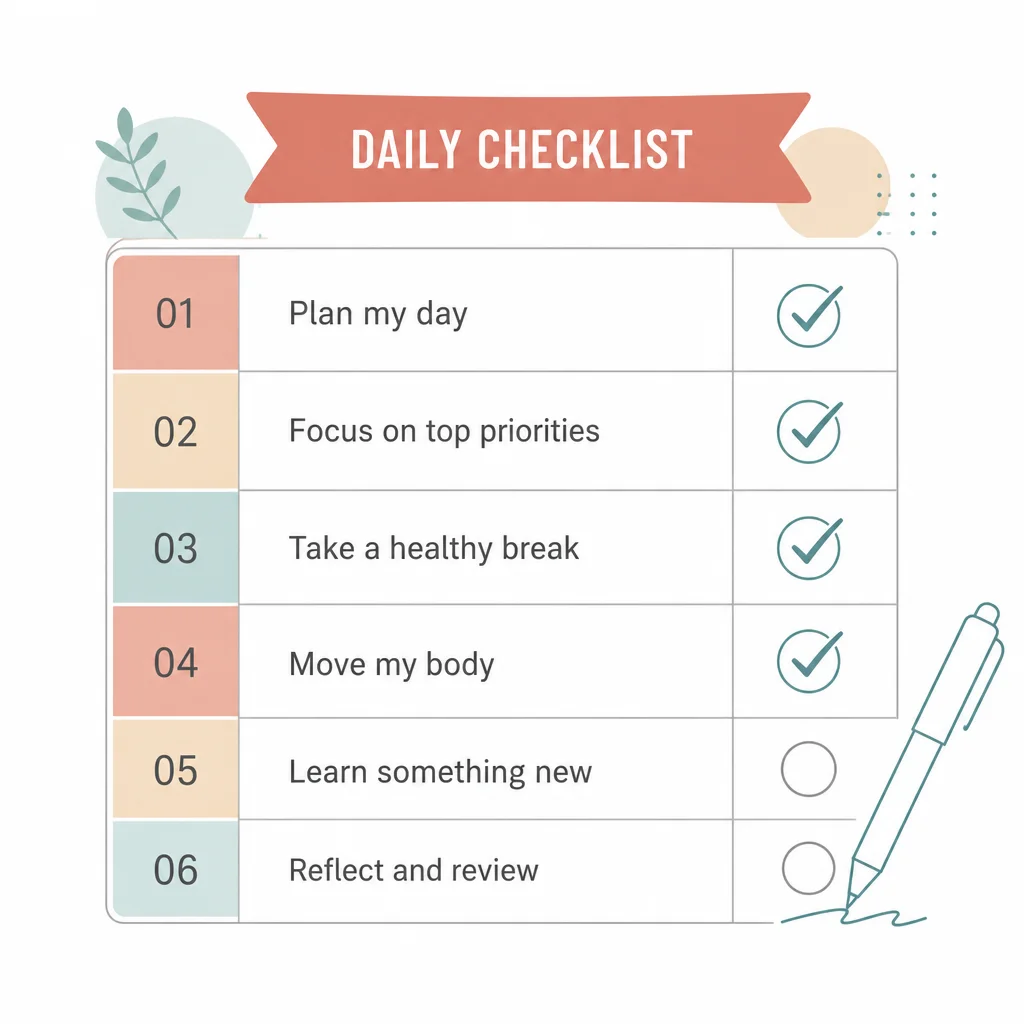
Two more things worth doing quietly. Check that everyone knows what the group looks like to outsiders, since disclosure is a personal decision rather than a group one. And agree a signal for I need a break that does not require a conversation, because the check-in signals that work at home work even better when nobody can go for a walk.
Then stop planning. A trip that has been discussed into dust is not more likely to go well than one that has been discussed properly and then left alone.
Can three adults book one cruise cabin?
Usually yes, if the cabin is rated for three or four guests. That normally means one fixed bed plus an upper berth or sofa bed. Cabins are capped by safety regulation rather than by comfort, so a legal three can still be an uncomfortable three.
Should one person put the whole booking in their name?
It is simpler and it concentrates power. One reservation makes dining and excursion linking easy, but cancellations, complaints and changes all run through that person. Separate linked reservations are a little more admin and a lot more symmetrical.
What is the cost people underestimate most?
Gratuities and wifi, in that order. Both are charged per person per day, both appear after boarding, and both are the sort of line that turns a cheap fare into an argument about fairness on day three.
Is a cruise a good idea for a newer triad?
It is a demanding one. There is no separate room to cool off in and no way to leave early, so any friction has to be resolved in place. A short land trip with separate rooms is usually the kinder first outing.
The short version: a cruise with multiple partners rewards groups who planned in boring detail and then relaxed. Cabins, names, money, ports, documents, exits. Six questions, one evening, and the week is yours.
If you are still deciding whether the room itself will work, what it is like to share a cruise cabin day to day goes through the hours rather than the booking.
Editor’s note: this article is general information for adults and is not legal, financial or travel advice. Documentation, visa and conduct rules vary by itinerary, carrier and nationality, and carriers change their policies. Check current terms directly with your cruise line and the relevant authorities before booking.