Table of Contents
- Start With an Inventory, Not a Form
- Housing, Leases, and Ownership
- Medical Decisions
- Money, Wills, and Beneficiaries
- Caregiving and Children
- What a Cohabitation Agreement Can Do
- How to Talk to a Lawyer About This
- Review It Every Year
You cannot marry three people, and in most places you cannot marry two. That single fact pushes every multi-partner household into the same position: you have to build your own protection, document by document, because the default legal package was not designed for you.
The good news is that most of what you need already exists. Wills, powers of attorney, beneficiary designations, cohabitation agreements, caregiver authorisations — none of these require a marriage licence, and most of them are cheaper and faster than people expect. This guide is the order I would do them in if I were starting from scratch and wanted to protect a polyamorous family without spending a fortune.
Start With an Inventory, Not a Form

Before you download anything, write down the actual shape of your household. Not the ideal version — the real one. Who lives where, whose name is on which lease or mortgage, who is legally married to whom, who has children, who has parents who would contest something, who has retirement accounts, who has debt.
The reason this comes first is that the answer changes which documents matter. A household of three adults with no children and no shared property needs about four documents. A household with a legal marriage, two unmarried partners, a shared mortgage and a six-year-old needs a very different list, and probably an attorney rather than a checklist.
If the word “household” doesn’t fit your situation, our explainer on what a polycule is describes the range of structures people actually live in. Write yours down before you continue. If you want a plain-language overview of how these households are described elsewhere, Psychology Today maintains a polyamory basics page that is a reasonable starting point.
Housing, Leases, and Ownership

This is where assumptions cost the most money. Three things to check:
- Whose name is on the lease or title. Anyone not listed generally has no right to stay if the listed tenant leaves, dies, or asks them to go. This surprises people most often after a breakup, not during one.
- Whether your local occupancy rules fit you. Many limits and zoning definitions were written around a family made of blood, marriage, or adoption. Three unrelated adults can exceed a cap written for two unrelated roommates.
- How the property is held. Joint tenancy with right of survivorship means the property passes automatically to the surviving owners. Tenants in common means your share becomes part of your estate and can be inherited by someone else entirely. Neither is “better” — but you want to have chosen, not inherited the default.
If you are renting, ask the landlord for written permission before adding an occupant rather than hoping nobody notices. If you are buying, have the ownership structure conversation with an attorney while the paperwork is still being drafted — changing it later is far more expensive than setting it up correctly.
Medical Decisions

If there is one section of this article worth acting on this week, it is this one. Without documents, a hospital will generally turn to your legal next of kin — usually a parent, sibling, or legal spouse. Your partner of eleven years can be told nothing, asked to leave, and excluded from decisions.
- Healthcare proxy (also called a medical power of attorney or healthcare surrogate). Names who decides if you cannot.
- HIPAA release. Authorises providers to actually share information with the people you name. The proxy names the decision-maker; the release is what lets anyone tell them what is happening.
- A named alternate. Name a second person in case the first is unreachable, or is the one who is also unwell.
- Copies where they are findable. A document in a safe deposit box is not useful at 3am. Tell your people where the copies are and give one to each of them.
These two forms are often free through a hospital, a workplace, or a legal aid clinic. There is no good reason to be waiting on them.
Money, Wills, and Beneficiaries

Three different tools, three different jobs, and they do not automatically talk to each other.
- A will handles property that goes through probate. Without one, unmarried partners inherit nothing by default.
- Beneficiary designations on retirement accounts and life insurance pass outside the will and override it. A will that says one thing and a beneficiary form that says another will lose to the form.
- Shared accounts and titles decide day-to-day access. Joint accounts are convenient and also expose you to each other’s creditors.
Review beneficiaries after every relationship change — including the ones that end. More ex-partners than anyone would like to admit are still named on policies years later. We covered the relational side of this in financial planning for polyamorous relationships, which pairs well with this section.
Caregiving and Children

If children are in the picture, this becomes the most important section and the one where you least want to improvise. A non-legal parent — someone raising a child who is not their biological or adopted child — usually cannot sign medical consent forms, pick up a child from school in some districts, or claim custody if something happens.
Depending on where you live, the available tools may include caregiver authorisation affidavits, second-parent or de facto parent recognition, and in a growing number of places, legal recognition of more than two parents. These vary enormously by jurisdiction, and this is the point at which you should absolutely stop using checklists and get local legal advice.
Beyond the paperwork: keep ordinary records. School pickups, medical appointments, the parent-teacher messages, the mundane evidence of who actually does the caring. If anything is ever contested, that trail matters more than people expect. Our guide to parenting while non-monogamous covers the day-to-day side in more detail.
What a Cohabitation Agreement Can Do
A cohabitation or partnership agreement is a private contract between adults. It can cover who pays which bills, how shared purchases are split, what happens to the deposit if the household dissolves, and who keeps the dog.
| It can cover | It generally can’t |
|---|---|
| Rent, utilities, and household expense splits | Grant custody or parental rights |
| Ownership of specific items and deposits | Override a custody statute or a court’s best-interests finding |
| What happens to shared property if you separate | Make someone your heir — that requires a will |
| Who moves out and on what notice | Bind a landlord or a third party who didn’t sign it |
| How you will resolve disputes (mediation, arbitration) | Waive a child’s rights, or future support obligations |
Think of it as the document that makes a hard conversation happen while everyone still likes each other. The agreement itself is useful; the conversation that produces it is usually more useful. If your household already has agreements about how you relate to each other, the difference between rules, boundaries, and agreements is worth understanding before you turn any of them into something a court might read.
How to Talk to a Lawyer About This

Most people avoid this step because they expect judgement and a large bill. In practice, family-law attorneys who work with LGBTQ+ and non-traditional families have usually seen this before, and a single consultation is often the highest-value hour in the whole process.
A script that tends to work well:
“I’m in a multi-partner household and I’d like to understand what’s available in this state. There are three adults and one child in the picture. I’m not in a dispute — I just want to know which documents are recognised here and what I should prioritise. Can you tell me whether you’ve worked with non-traditional families before?”
Three things that help the consultation actually pay off: bring your written inventory, bring a ranked list of what worries you most, and ask specifically “which of these documents are valid in this state” rather than “is this okay.” The second question gets you reassurance; the first gets you something you can use. The ACLU’s Know Your Rights resources are a reasonable place to read up beforehand.
Review It Every Year
Documents go stale. A will that made sense at thirty may be wrong at forty. Here is the review rhythm that actually survives contact with real life:
- Once a year, on a date you will remember: read the will, check every beneficiary form, confirm the proxies still name who you would choose today.
- After any household change — someone moves in or out, a relationship begins or ends, a child is born, someone is diagnosed with something serious.
- After any legal change where you live. Local ordinances on multi-partner recognition and multi-parent families have been shifting, and the direction is not uniform.
- After anyone’s health changes. That is the moment people discover the proxy was never signed.
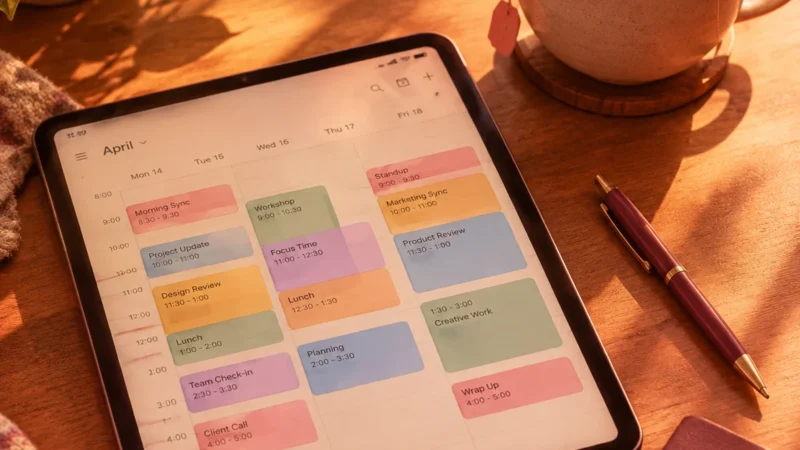
Put the review in a shared calendar with the other adults involved. The version that gets done is the one with a recurring reminder attached.
None of this is romantic. Protecting a polyamorous family is mostly admin: eight forms, one inventory, one consultation, and an annual reminder. But admin is what lets the romantic part survive a bad week, a hospital visit, or a sudden death without the people you love being treated like strangers by a system that has no category for them.
If you have not read the legal overview first, start with whether polyamory is legal and what non-monogamous rights actually exist. And because paperwork cannot fix a household that is fighting, handling polycule conflict without taking sides is a useful companion. There is more where this came from right here at 3Cupid.
This article is general information for adults exploring non-monogamy, not legal advice. Laws vary by country, state, and city, and they change. Talk to a qualified attorney in your jurisdiction before making decisions about your family, your property, or your children.