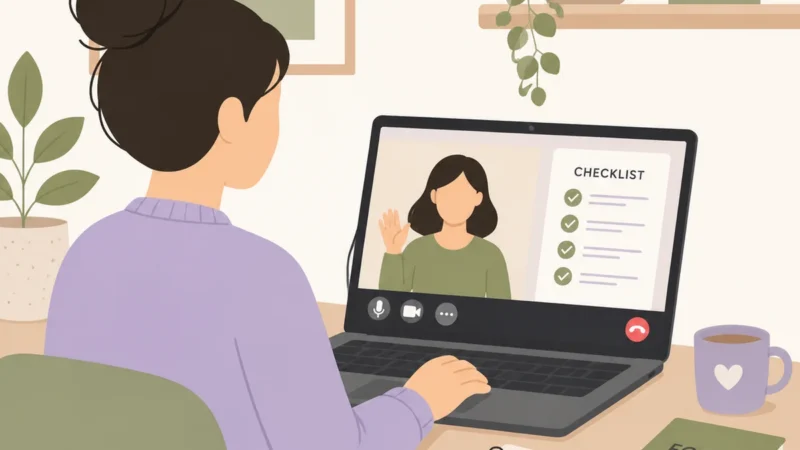
Breaking up hurts. When you’re polyamorous, it hurts in ways most breakup advice never addresses. You’re mourning someone you loved deeply — and somehow you’re supposed to keep showing up for the partners who are still here. Your nesting partner still needs date night. Your other girlfriend still wants to hear about your day. But all you want to do is crawl under a blanket and disappear.
Polyamory breakup recovery isn’t just about getting over one person. It’s about learning to grieve in a relationship structure where grief and love are forced to coexist in the same calendar week. This guide is about how to do that — honestly, practically, and without pretending you’re fine when you’re not.
Table of Contents
- Why Polyamory Breakups Feel Different
- The “You Still Have Other Partners” Myth
- How to Grieve Without Neglecting Your Other Relationships
- Communicating Your Needs to Current Partners
- Practical Self-Care During Polyamory Grief
- When to Seek Professional Support
Why Polyamory Breakups Feel Different
In monogamous culture, a breakup comes with a built-in script. You take time alone. Friends check in. You unfollow them on social media and eventually download a dating app again. The world understands your pain because it fits a familiar narrative.
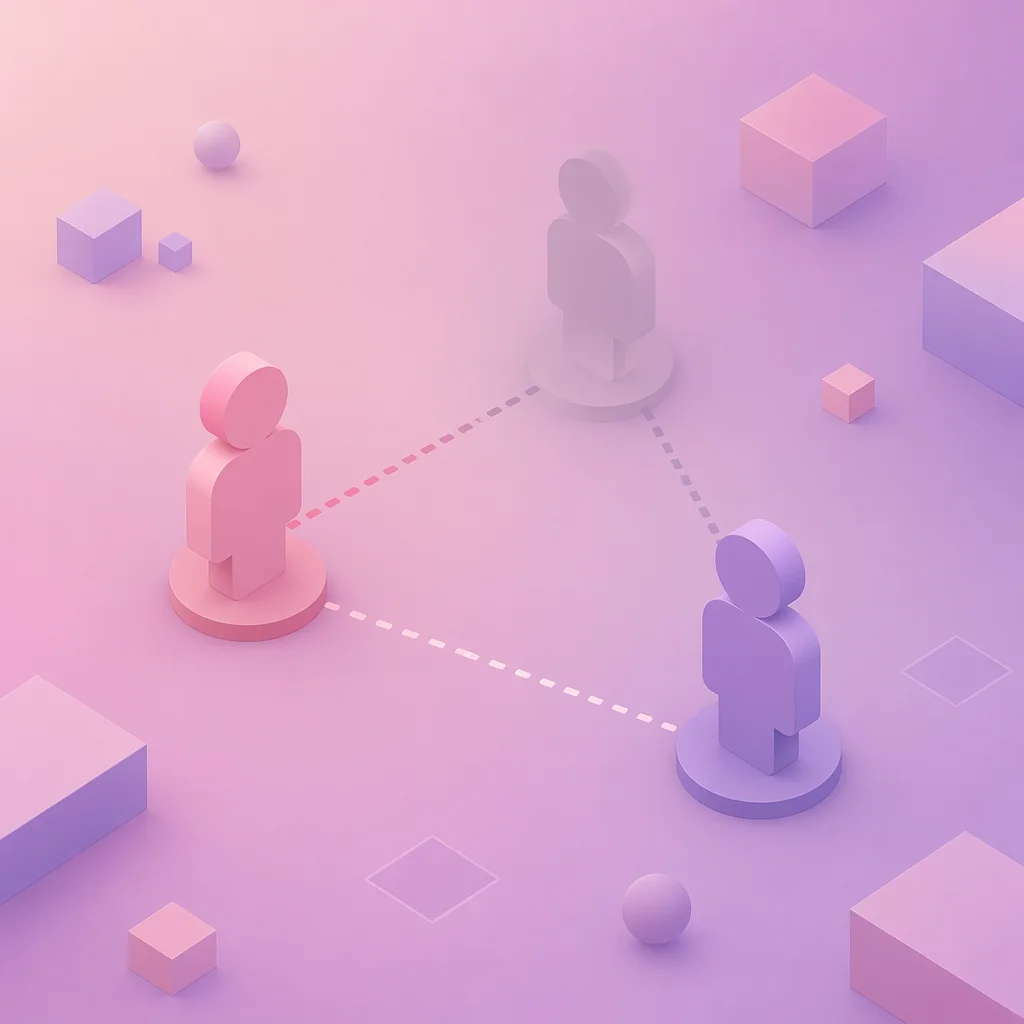
Polyamory breakups don’t get that script. You might still see your ex at community events. Your mutual partners are navigating their own grief while staying connected to both of you. There’s no clean break when your relationship web is intertwined. And culturally, there’s an unspoken assumption that polyamorous relationships are somehow less serious — that losing one of several partners shouldn’t hurt as much. That assumption is wrong, and it makes polyamory breakup recovery uniquely isolating.
Research on non-monogamous relationships consistently shows that attachment bonds form just as deeply as in monogamous pairings. When those bonds break, the neurological experience of grief — the dopamine drop, the cortisol spike, the craving for contact — is the same regardless of how many other partners you have.

The “You Still Have Other Partners” Myth
If you’ve heard “at least you still have [other partner]” from a well-meaning friend — or worse, said it to yourself — you know how invalidating it feels. Love isn’t a liquid that fills whatever container is available. Having another partner doesn’t make you miss the one who’s gone any less.
This myth persists because people confuse emotional support with romantic replacement. Your other partners can hold you while you cry, distract you with a movie, remind you that you’re lovable. But they can’t replace the specific connection you lost — the inside jokes, the morning routine, the way that particular person made you feel seen. Healing requires acknowledging that loss, not papering over it with what remains.
There’s also a unique guilt that comes with polyamory breakup recovery. You might feel guilty for being sad when you have other loving partners. You might feel guilty for leaning too hard on those partners. You might wonder if your grief means you don’t appreciate what you still have. None of this is true. Grief and gratitude can coexist — they usually do.
How to Grieve Without Neglecting Your Other Relationships
This is the central challenge of polyamory breakup recovery. You can’t press pause on your other relationships while you process loss. But you also can’t perform “normal” when you’re falling apart inside. The answer isn’t perfection — it’s honesty and intentionality.
Name What You Can Give Right Now
Instead of defaulting to your usual relationship routines, have an explicit conversation about your current capacity. Maybe you can’t do a full date night but could handle a quiet dinner at home. Maybe you need to skip the party you were both planning to attend. Be specific: “I’m at about 30% right now. I can show up for dinner and maybe one episode of something, but I’m going to need to be alone after that.”
Create Temporary Boundaries Around the Breakup
If you share a community with your ex, negotiate temporary space. This might mean alternating which events you attend, muting group chats for a few weeks, or asking mutual partners to keep certain details separate for now. These aren’t permanent solutions — they’re scaffolding while you heal.
Schedule Grief — and Schedule Connection
It sounds clinical, but structuring your emotional time helps prevent grief from bleeding into every interaction. Block out time to cry, journal, or talk to a friend about the breakup. Then protect time with your other partners where you intentionally set grief aside — even if only for an hour. This isn’t about suppressing feelings; it’s about giving both grief and love their own space.
Communicating Your Needs to Current Partners
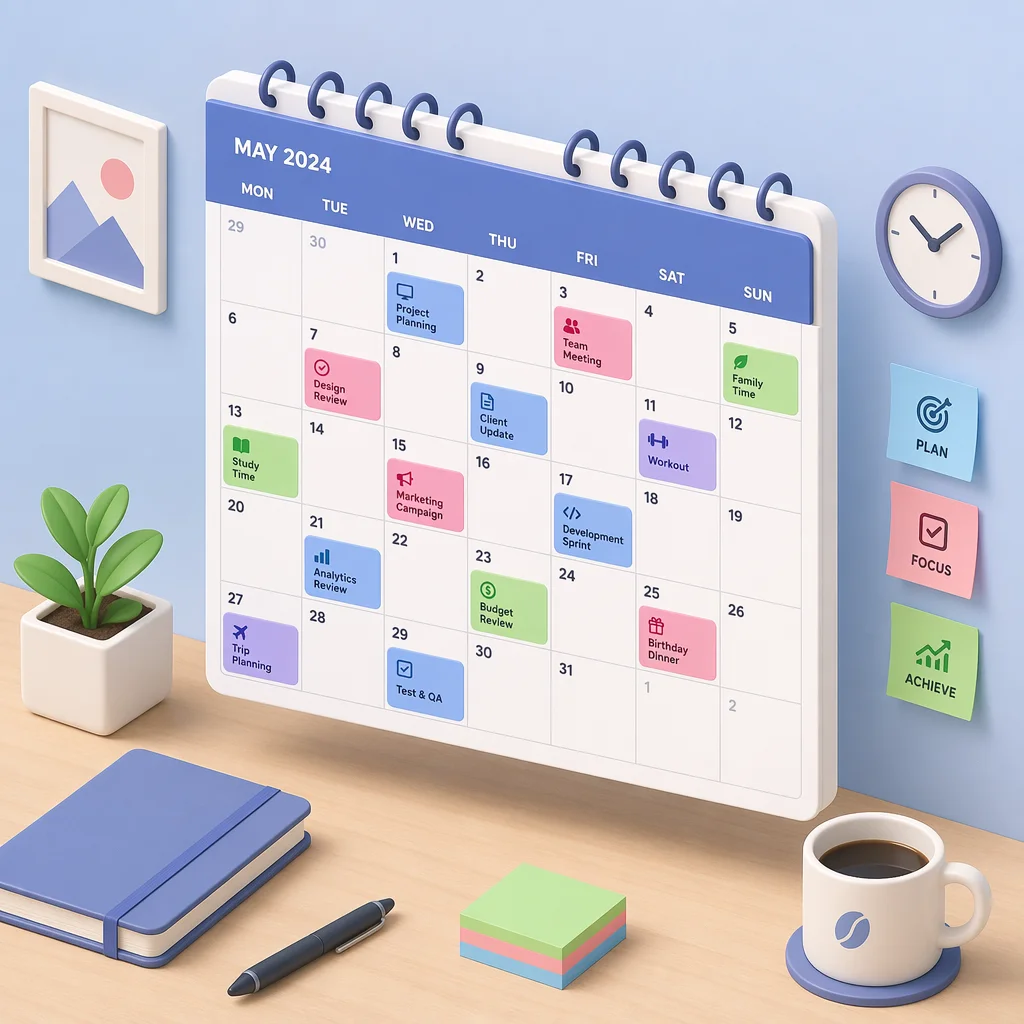
Your partners want to help. Most of them just don’t know how — and they might be carrying their own complicated feelings too. Maybe they were friends with your ex. Maybe they’re afraid of being the next one you lose. Clear communication prevents well-intentioned gestures from becoming additional stressors.
Here’s a template you can adapt:
“I’m going through a tough breakup right now and I want to be honest about where I’m at. I still want to be present with you, but I might be more withdrawn than usual for a few weeks. Here’s what would help me most: [specific request]. Here’s what I’m worried about: [specific concern]. Can we check in about this again in [timeframe]?”
Notice what this script does: it names the situation without oversharing, makes a clear request rather than expecting mind-reading, acknowledges the partner’s potential concerns, and sets a timeline for revisiting the conversation. For more on navigating difficult relationship conversations, our guide on building trust and communication offers frameworks that apply far beyond threesome-specific contexts.
If you’re also managing the emotional complexity that comes with non-monogamous relationship structures, understanding jealousy in ENM relationships can help you separate breakup grief from unrelated jealousy that might surface during vulnerable periods.
Practical Self-Care During Polyamory Grief
Grief is physical. It disrupts sleep, appetite, focus, and immune function. Polyamory breakup recovery needs to address the body, not just the heart. Here are strategies that acknowledge the specific complexity of grieving within a relationship network.
Build a Support System Outside Your Partners
Your other partners shouldn’t be your only outlet for processing the breakup. That puts them in an impossible position and can strain relationships you’re trying to protect. Cultivate friends — ideally friends who understand ENM — who can hold space for your grief without being inside the relationship web. Polyamory-aware therapists, support groups, and online communities like r/polyamory can be lifelines.
Let Rituals Mark the Ending
Monogamous culture has breakup rituals — returning belongings, changing your relationship status, the “post-breakup haircut.” Create your own. Write a letter you never send. Reclaim a shared playlist by adding new songs. Rearrange a room. Rituals give the brain a signal that something has ended and something new is beginning.
Don’t Rush Into New Connections
There’s a temptation in polyamory to fill the gap quickly — to download a dating app and find someone new to distract from the pain. While there’s nothing wrong with dating when you’re ready, using new connections as emotional anesthetic often backfires. If you’re drawn to the polyamory dating world again, start with our ENM 101 guide to ground yourself in what healthy connections look like before jumping in.

When to Seek Professional Support
Some breakups trigger depression, anxiety, or complicated grief that needs professional help. Red flags include: inability to function at work for more than a few days, persistent sleep or appetite disruption beyond two weeks, thoughts of self-harm, or grief that doesn’t shift at all after several months.
Finding a therapist who understands non-monogamy matters. A monogamy-normative therapist might pathologize your relationship structure rather than helping you grieve within it. According to Psychology Today’s grief resource center, complicated grief affects approximately 7-10% of bereaved individuals and responds well to targeted therapeutic approaches including cognitive behavioral therapy and complicated grief therapy.
Directories like the Polyamory-Friendly Professionals Directory and Psychology Today’s therapist finder with ENM filters can connect you with providers who won’t need a primer on your relationship structure before they can help you heal.

Polyamory Breakup Self-Care Checklist
Use this checklist during the first few weeks of polyamory breakup recovery. Check off what you can — even one or two items a day is progress.
- Tell your other partners what you need — be specific, not vague (“I need a hug and quiet dinner” not “I need support”)
- Identify one friend outside your relationship network who can be your primary breakup processing person
- Block two 30-minute grief windows per day — journal, cry, listen to sad music, then close the window
- Eat one real meal — grief kills appetite, but your body needs fuel
- Move your body for 15 minutes — walk, stretch, dance to angry music
- Remove or mute digital triggers — update chat notification settings, archive photo threads, adjust social media
- Give each current partner one specific way to show up for you — this helps them feel useful without guessing
- Schedule one thing you’re looking forward to — it doesn’t have to be big, just something that reminds you joy still exists
For a deeper understanding of the emotional landscape that accompanies non-monogamous relationships, read our exploration of the emotional side of ENM dating — the feelings discussed there apply far beyond first dates.
Healing from a polyamory breakup isn’t about getting back to “normal.” It’s about integrating loss into a life that continues to hold love — and slowly, over time, finding that love expands again.
Editor’s note: This article is part of 3Cupid’s ongoing series on navigating the emotional dimensions of ethical non-monogamy. If you’re exploring polyamory for the first time, start with our polyamory beginner’s guide.