
A quad relationship is a polyamorous arrangement involving four people who are romantically or sexually connected. It is one of the more complex shapes in non-monogamy, because four people create up to six individual pairings — and all of those pairings need some level of care. But a well-tended quad can also be one of the most stable and deeply connected structures out there.
Quads form in several different ways, and no two look exactly alike. Some start as two couples who fall for each other. Others grow from a triad that opens up to a fourth. This guide explains the main configurations, the benefits, the challenges, and the questions to ask before you commit.
What Is a Quad Relationship?
At its simplest, a quad is four people in an interconnected relationship. The key word is interconnected: it is not just two separate couples who happen to be friends. The four people are linked in a network of overlapping romantic or sexual bonds, and they usually think of themselves as part of one larger polycule or relationship unit.
Quads can be open or closed. A closed quad is a form of polyfidelity, where the four agree not to date outside the group. An open quad keeps the four-person core while allowing each member to have outside partners as well.

The Two Main Quad Configurations
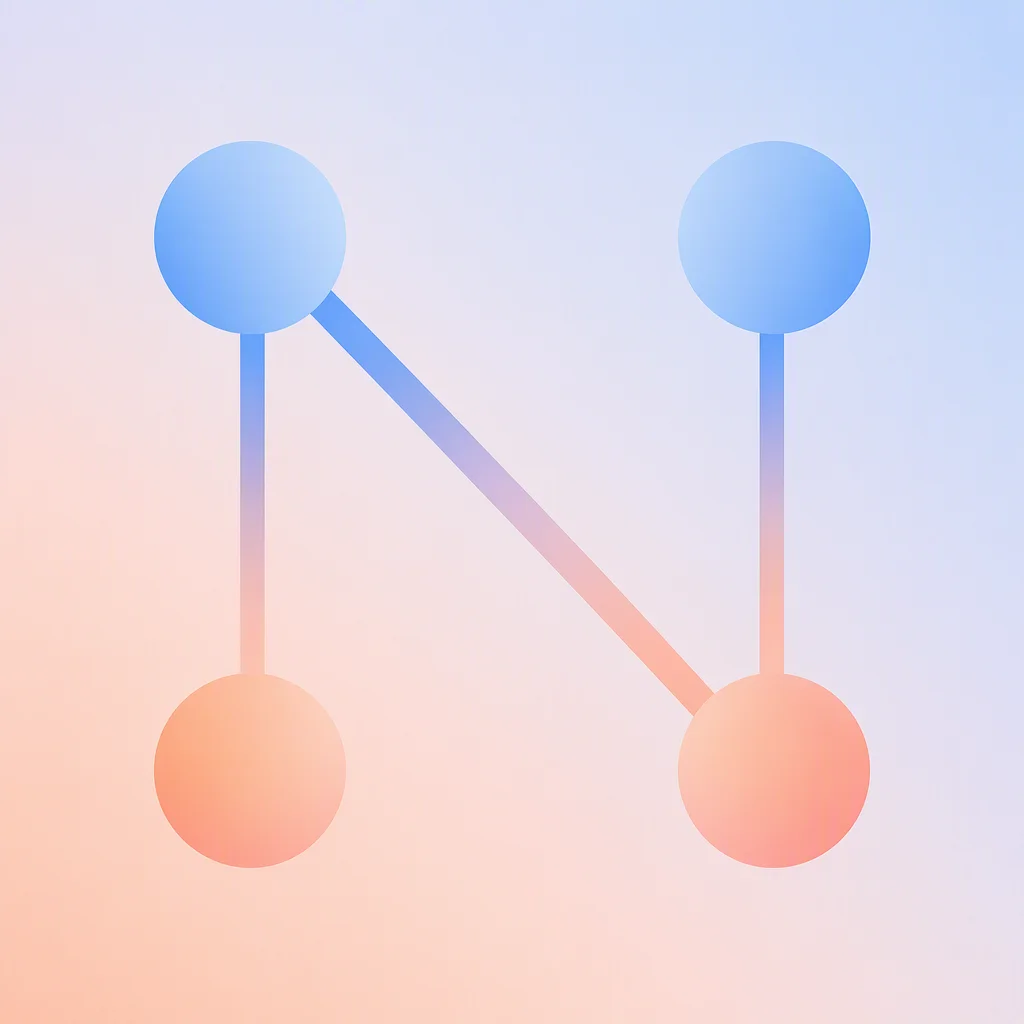
Quads are usually described by the shape of their connections. The two most common labels are the N-quad and the Z-quad, named after the pattern the relationships make when drawn on a diagram.
- N-quad: three people form a chain, and two of them also connect directly to the fourth. Visually it traces the letter N.
- Z-quad: two couples are linked by one cross-connection between them, tracing a Z. This often starts as two couples swapping partners in one direction.
- Full quad: every person is connected to every other person, creating a complete square. This is rarer and takes the most work to maintain.
The shape matters less than the people. But naming the configuration helps everyone talk about the same thing, especially early on when expectations are still forming.
How a Quad Forms
The most common starting point is two established couples who discover a four-way chemistry. This is sometimes called a “quad from two couples.” It can feel natural, because everyone arrives with a built-in support system, but it also means the pre-existing couple bonds can quietly dominate.
Another path is a triad that adds a fourth person. This can create a more organic, less couple-centric dynamic, but it also means one or two people may be “newer” to the group and need extra care to feel equally valued.
Regardless of how it starts, the group should talk explicitly about whether it wants to build something more like an equal structure or something more like two coupled pairs. Pretending there is no hierarchy when there clearly is one is where most quads get into trouble.

The Benefits of a Four-Person Relationship
A quad offers built-in community. There are more hands for household tasks, more people to lean on during hard times, and a deeper sense of shared life than a dyad can provide. For people who thrive on connection, the richness of four overlapping bonds is genuinely joyful.
There is also a practical resilience. In a dyad, when one relationship hits a rough patch, there is nowhere else to turn inside the relationship. In a healthy quad, other bonds can offer support while the struggling pairing works things out — as long as no one is made to feel like a referee.
That support extends beyond romance, too. Four adults pooling energy can more easily handle a move, an illness, a job loss, or raising children. The “it takes a village” feeling that many people long for is built directly into the structure.
And for some people, a quad simply reflects who they are: someone who forms deep bonds easily and wants a life that holds more than one of them at the center.
The Unique Challenges of Quads
Complexity is the first challenge. Four people create six pairings, and each pairing needs its own attention. A misunderstanding between two people can ripple through all the others. Quads require a lot of communication, and they require it consistently, not just when something breaks.
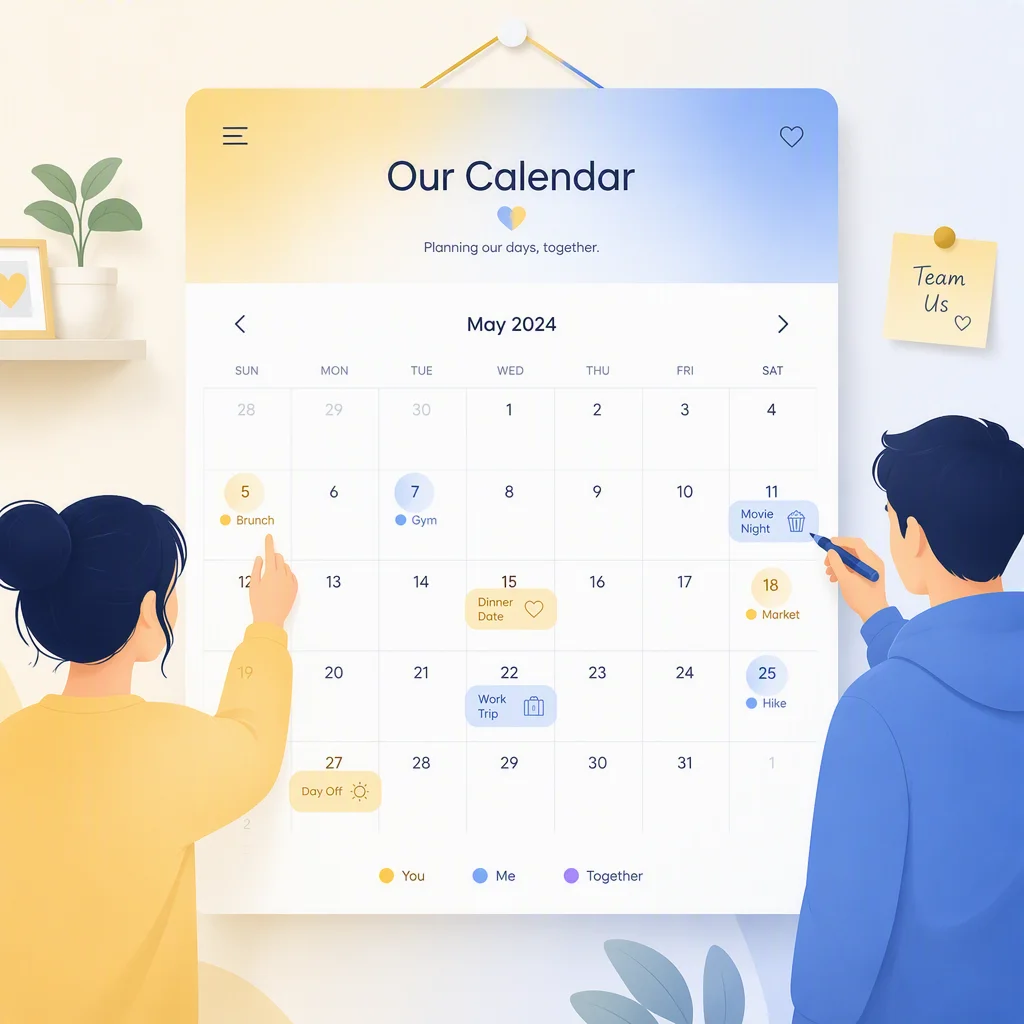
Time is the second. Nurturing six relationships, plus the group as a whole, plus any outside life, is a real scheduling puzzle. Many quads find they have to be deliberate about calendar time or the group quietly drifts apart.
Privacy is a quieter challenge. In a group this interconnected, a private conversation between two people can quickly become everyone’s business. Healthy quads decide early how much information flows between pairings, and respect that each two-person bond deserves some confidentiality of its own.
Power imbalance is the third. If the quad formed from two couples, those original dyads may hold unspoken priority. Being honest about that — and working to reduce it if equality is the goal — is essential for the newer bonds to feel real.
Questions to Ask Before Forming a Quad
Before four people commit to building a quad, it helps to sit down together and work through these questions:
- What kind of quad do we want? Full, N, Z, open, or closed?
- Do the original couples (if any) have priority? If so, can we say that out loud?
- How will we handle two-person conflicts? Will other members step in, or stay neutral?
- How do we schedule time? Is there a fair system for one-on-one, couple, and group time?
- What happens if one pairing ends? Does the rest of the quad survive, and how?
- Are we all comfortable with equal information? Or will some relationships stay more private than others?
There are no right answers, only honest ones. The point is to surface assumptions before they become resentments.

How to Keep a Quad Healthy
Healthy quads treat communication as an ongoing practice, not a crisis tool. That means regular check-ins, honest updates about feelings, and a shared willingness to revisit agreements as the group changes.
They also protect the individual. A quad is healthiest when each person maintains their own identity, friendships, and interests outside the group, rather than disappearing into it. Autonomy is not the enemy of connection — it is what keeps the connection from becoming suffocating.
Finally, healthy quads celebrate the small stuff. A shared dinner, a group walk, a date night that gets rescheduled without resentment — these ordinary moments are the glue. The couples and pairings inside a quad survive the big events precisely because they have banked thousands of small, ordinary ones.
Is a Quad Right for You?
A quad relationship is a beautiful, demanding structure. If you love deep connection, have strong communication skills, and are honest about the work involved, four people can build something remarkable together.
To understand where a quad fits in the wider landscape, read about polyamory and its many forms, or explore the difference between a vee relationship and a full quad. If a quad relationship is something you want to build, you can connect with open-minded singles and couples right here at 3Cupid.
This guide is for adults 18 and older. It’s offered for educational purposes and reflects general relationship advice, not a substitute for professional counseling.