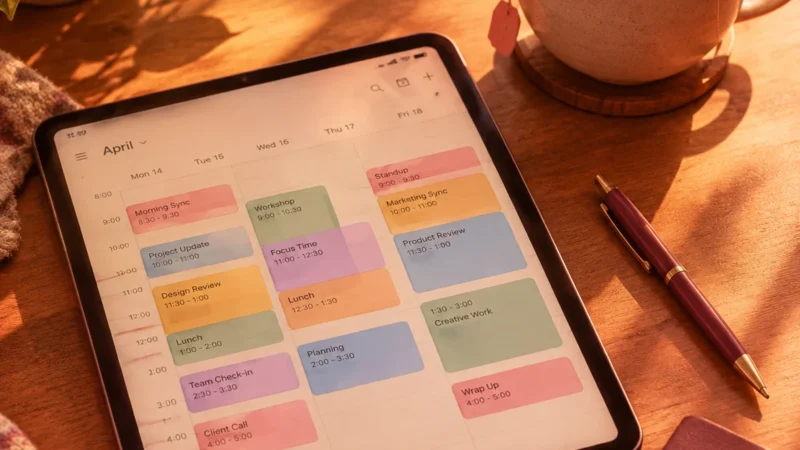
Polysaturation is that specific kind of full. You know the feeling after a long holiday meal, when someone slides the dessert menu over and even the idea of one more bite feels like too much? In polyamory and ethical non-monogamy, polysaturation is the relational version of that — the point where your time, energy, and emotional bandwidth are simply at capacity.
People often assume that if you are non-monogamous, you must want an endless stream of new partners. The reality is more human. Love can feel abundant, but a day still only has 24 hours, and your nervous system can only hold so much. Polysaturation is what happens when those finite resources run dry, and it deserves just as much care as any other part of the lifestyle.
Table of Contents
- What Polysaturation Actually Means
- Signs You Might Be Polysaturated
- Polysaturation vs Burnout: Why the Difference Matters
- Why Polysaturation Happens (Even When You Want More)
- How to Handle Polysaturation Without Hurting Anyone
- A Polysaturation Check-In Checklist

What Polysaturation Actually Means
Polysaturation is the state of feeling emotionally, logistically, or timewise “full” — where adding a new romantic or sexual connection would stretch you past what you can sustainably maintain. It is not a flaw, and it is not a sign that you are doing polyamory wrong. It is a signal that you have reached the edges of your current capacity.
The term is a direct cousin of the word “saturation” — think of a sponge that cannot absorb another drop. Some people reach polysaturation with two partners; others feel fine with five. There is no universal number. What matters is whether you can show up fully, honestly, and kindly for every person already in your life.
Polysaturation also sits in a wider vocabulary that polyamorous and ENM communities have built up to name real, lived experiences. Where “compersion” describes the joy of watching a partner thrive with someone else, polysaturation describes the quieter, more practical limit on the other side of that openness. Having a word for it matters, because naming a feeling is usually the first step toward handling it well.

Signs You Might Be Polysaturated
Polysaturation rarely announces itself. It tends to creep in as low-grade dread, scattered attention, and a growing sense that you are spread too thin. Here are the signs that show up most often.
- You feel relief, not excitement, when a promising conversation fizzles out.
- You keep forgetting to reply to people you genuinely like.
- Time with one partner keeps getting mentally interrupted by thoughts of another.
- You are tired in a way sleep does not fix.
- Small requests — “can we talk tonight?” — start to feel like big asks.
- You catch yourself hoping plans get cancelled.
- The idea of a new first date feels like a chore rather than a treat.
Polysaturation vs Burnout: Why the Difference Matters
People sometimes use polysaturation and burnout interchangeably, but they are different — and the distinction changes what helps. Polysaturation is about volume: you have enough, maybe more than enough, and there is no room to add. Burnout is about depletion: you have been running on empty for a while and the whole thing has stopped feeling sustainable or joyful.
You can be polysaturated without being burned out — happily full, just not accepting more. And you can be burned out without being polysaturated, if the fatigue comes from one draining dynamic rather than too many. Naming which one you are experiencing matters, because the fix is different. Polysaturation asks you to stop adding; burnout asks you to rest and repair. If you are not sure which is which, our guide to recognizing emotional burnout in ENM relationships can help you tell them apart.
If you want a broader grounding in how psychologists talk about ethical non-monogamy, Psychology Today’s overview of polyamory is a useful place to start. The more clearly you understand the landscape, the easier it becomes to spot where “full” ends and “depleted” begins.

Why Polysaturation Happens (Even When You Want More)
It is surprisingly common to feel polysaturated while also feeling a pang of FOMO — the fear of missing a great connection. You might meet someone wonderful and genuinely wish you had room, only to realize that every slot in your week is already spoken for. That tension is normal. Desire and capacity are simply different currencies.
Polysaturation also sneaks up because new connections tend to arrive all at once. Life goes quiet, then three interesting people appear in the same month. Each one, on its own, would be lovely. Stacked together, they exceed what any single person can honestly maintain. This is why scheduling and honest self-assessment matter so much — a theme we explore in our article on polyamory time management and balancing multiple relationships.
Sometimes it is not even about other people. A demanding season at work, a family situation, or your own need for solo time can all shrink your capacity without anyone new appearing. Polysaturation is the sum of everything already on your plate, not just the number of partners in your contacts list.

How to Handle Polysaturation Without Hurting Anyone
The kindest thing you can do when you are full is to say so, early and clearly. Most people would far rather hear “I am at capacity right now and want to be honest about that” than be slowly deprioritized or ghosted. Polysaturation is not a rejection of a person — it is a statement about your own limits.
Start by telling your existing partners how you are feeling, before anyone new is involved. Then get practical: tighten your boundaries around free time, pause new first dates, and consider whether any current connection has quietly drifted to a place where it needs renegotiating. If you are juggling several relationships already, our piece on managing multiple ENM connections without burning out walks through how to do this sustainably.
A concrete example: instead of agreeing to a third date this week and dreading all three, send a short, warm message the moment you feel stretched. “I have loved getting to know you, and I have realized I am at capacity right now and cannot give this the attention it deserves.” It feels harder than it is, and it almost always lands better than silence.
A Polysaturation Check-In Checklist
Use this once a season, or any time you feel that full, stretched-thin sensation creeping in.
- Do I feel excited or relieved at the idea of a new match? (Relief is a signal.)
- Am I fully present with the people already in my life, or just physically there?
- Is my calendar realistic, or am I double-booking my own recovery time?
- Have I had a full day to myself recently that was not spent catching up on messages?
- Is anyone in my life currently getting the “short version” of me?
- If a wonderful person appeared tomorrow, could I honestly make room?
Polysaturation is not a problem to solve so much as a truth to honor. Feeling full is information — a reminder that you have built relationships worth protecting and that your capacity deserves the same respect you would offer anyone else. When you notice it, pause, breathe, and let yourself be exactly where you are.
If you are exploring polyamory and looking for people who understand capacity, boundaries, and honest communication, you will find a welcoming community right here at 3Cupid. And when you are ready to protect your time while staying kind, our guide to how to say no to a new connection shows you how.
Editor’s note: This article is for adults 18+ and reflects 3Cupid’s focus on ethical, consensual non-monogamy. Everyone’s capacity is different, and honoring yours is part of doing relationships well.