If you’re searching for how to navigate alcohol and threesome dating, you’re already thinking about this more carefully than most people do. And that’s a good thing. Substances alter judgment — that’s not a moral statement, it’s biology. In a threesome, where three people’s boundaries, comfort levels, and signals all need to align, even a drink or two can muddy the waters. This guide isn’t about telling you to stay sober. It’s about helping you make intentional decisions before anyone’s judgment is compromised — so everyone walks away feeling good about what happened.
Table of Contents
- Why This Conversation Matters Before Anyone Pours a Drink
- What the Research Says About Alcohol and Sexual Decision-Making
- How to Set Substance Limits Before the Date
- Recognizing When Someone’s Too Altered to Consent
- Conversation Scripts for Different Scenarios
- The Pre-Date Substance Agreement Checklist
- Debriefing Afterwards Without Shame
Why This Conversation Matters Before Anyone Pours a Drink
Most people don’t plan to drink too much before sex. It happens gradually — one glass of wine to ease nerves, then another because the conversation is flowing, then a shot because someone suggested it. By the time things move to the bedroom, nobody’s in the same headspace they started with.
In alcohol and threesome dating, the stakes are higher than a typical one-on-one date. Three people means three sets of boundaries to respect, three people’s signals to read, and three times the potential for miscommunication. Alcohol amplifies every variable. Someone who’d normally speak up about discomfort might stay quiet. Someone who’d normally check in with their partner might get distracted. The person who seemed enthusiastic two drinks ago might not have been in a position to genuinely consent.
This isn’t fear-mongering. Plenty of people have great experiences that include a drink or two. But the difference between “I had a drink and had fun” and “I drank too much and regret what happened” almost always comes down to whether limits were discussed beforehand — when everyone was clear-headed.

What the Research Says About Alcohol and Sexual Decision-Making
Alcohol is a central nervous system depressant. At low doses it reduces inhibitions; at higher doses it impairs judgment, slows reaction time, and disrupts the ability to read social cues. For sexual encounters — especially those involving multiple partners — this isn’t a minor detail.
Research consistently shows that alcohol consumption is associated with poorer communication about sexual boundaries, increased likelihood of crossing previously-set limits, and higher rates of post-encounter regret. A growing body of research on alcohol and decision-making consistently shows that even moderate drinking before sex is linked to reduced condom use and less explicit consent negotiation. None of this means drinking is inherently dangerous. It means that the combination of alcohol and new sexual dynamics requires proactive planning — not winging it.
One framework that helps is treating substance limits the same way you’d treat sexual boundaries: discuss them explicitly, agree on them together, and check in throughout the night. If the plan was “max two drinks” and someone’s on their fourth, that’s a boundary being crossed — and it deserves the same attention as any other agreement being broken.
How to Set Substance Limits Before the Date
The best time to discuss alcohol is when nobody’s drinking. That sounds obvious, but couples often skip this conversation because it feels awkward or overly cautious. Here’s how to bring it up without making it weird.
Start With a Shared Goal
Frame the conversation around what you both want from the experience, not what you’re afraid of. Say something like: “I want us both to feel fully present and remember this clearly. Can we agree on a drink limit beforehand?” This shifts the tone from restriction to intention.
Be Specific, Not Vague
“Don’t drink too much” isn’t a plan. It’s a wish. Instead, agree on concrete numbers: “Maximum two drinks before anything physical happens, and we’ll switch to water or soda after that.” If either person has a history of pushing limits, set even clearer guardrails — like starting the date at a venue that doesn’t serve alcohol, or agreeing that no substances will be consumed at all for the first meeting.
Extend the Conversation to the Third Person
When you find a third partner, include them in the substance conversation before the date. A simple message works: “Hey, just so we’re all on the same page — we typically keep it to one or two drinks on first meetings. Does that work for you?” This signals that you take consent seriously and sets a standard of clarity that most responsible people will appreciate.
Recognizing When Someone’s Too Altered to Consent
Consent isn’t a one-time checkbox. It’s ongoing, and it can be withdrawn at any moment. When alcohol enters the picture, reading consent becomes harder — which is exactly why you need to be more attentive, not less.
Signs Someone May Not Be in a Position to Consent
- Slurred speech or difficulty forming coherent sentences
- Repeating themselves or losing track of the conversation
- Unsteady movement or needing support to stand
- Becoming unusually quiet or passive when they were previously engaged
- Agreeing to everything without asking questions or expressing preferences
- Appearing confused about where they are or what’s happening next
If you notice any of these signs, pause the encounter. It doesn’t have to be dramatic. A simple “Hey, let’s take a water break and regroup” gives everyone a moment to recalibrate. If the person can’t clearly articulate what they want after that pause, the night is done. No exceptions.
This is also why pre-agreed safety protocols matter so much. When you’ve already talked about what “calling it” looks like — a code word, a hand signal, a look — nobody has to be the bad guy in the moment. You’re just executing a plan you made together when everyone was thinking clearly.

Conversation Scripts for Different Scenarios
Sometimes the hardest part is knowing what to say. Here are scripts for the three most common situations.
Scenario 1: Bringing Up Substance Limits With Your Partner
“Before we meet up with anyone, I want us to be on the same page about drinking. I was thinking we keep it to two drinks max before anything physical — not because I don’t trust us, but because I want us both to feel good about every decision we make. How does that sound to you?”
Scenario 2: Someone’s Had Too Much — Calling a Pause
“I’m really enjoying tonight, but I think we should slow things down and grab some water. Let’s take a breather and see how everyone’s feeling in thirty minutes.”
Scenario 3: You’re the One Who Overdid It — Owning It
“I think I had more than I planned to, and I’m not in the right headspace to make good decisions right now. I’d rather call it early and reschedule than push through and regret it. I hope that’s okay.”
Each of these scripts does the same thing: it names the situation without blame, proposes a clear next step, and leaves room for everyone to save face. That’s the goal — not perfection, just clarity.
The Pre-Date Substance Agreement Checklist
Here’s a practical checklist to work through before any threesome date where substances might be involved. Run through it with your partner, then share the relevant parts with the third person.
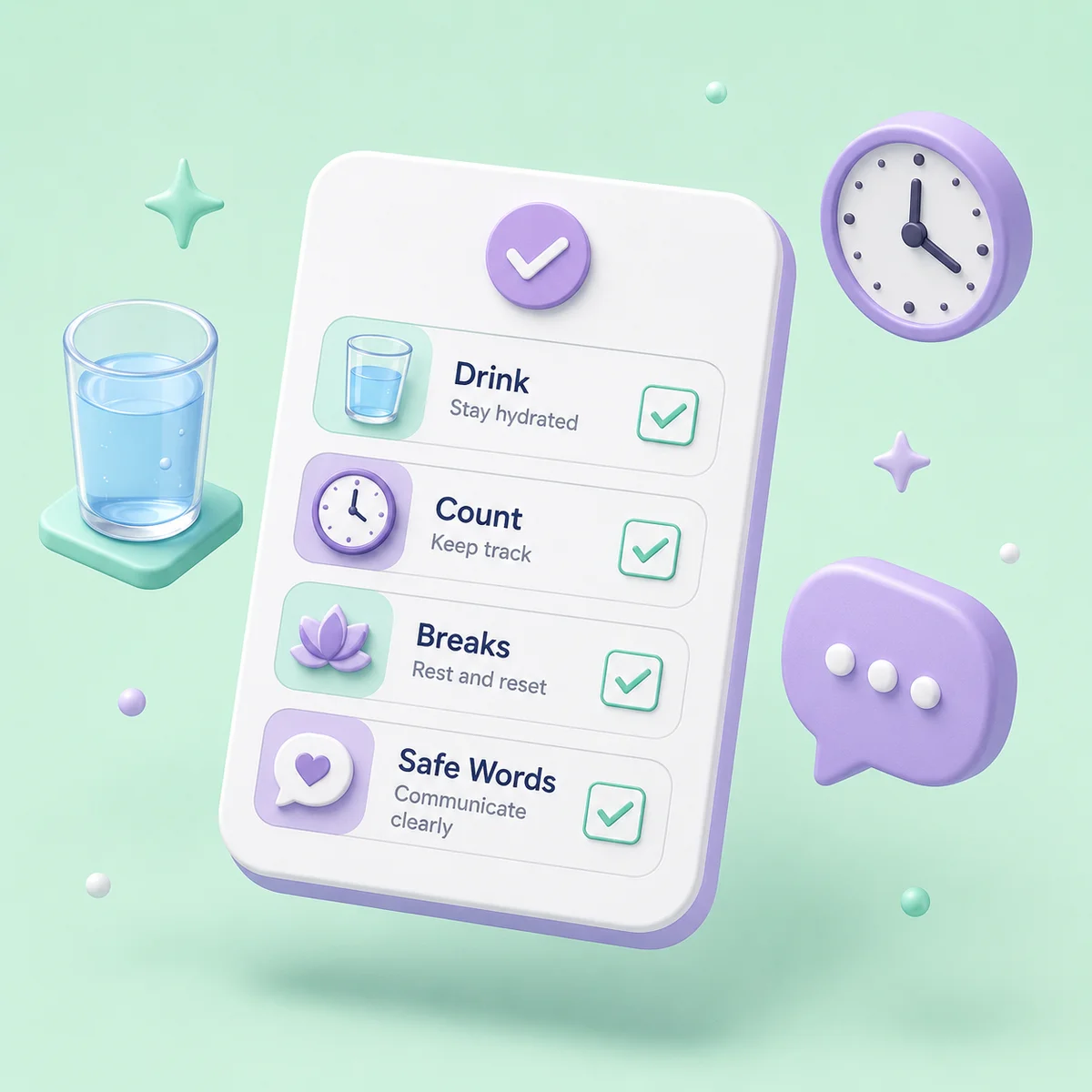
- Maximum drinks before physical contact: Agree on a specific number. Write it down if you need to.
- Substances that are off the table entirely: If anything (cannabis, other substances) isn’t welcome, say so explicitly.
- Code word for “I’m uncomfortable”: Pick something unambiguous that can’t be mistaken for flirting or playfulness.
- Water-and-food plan: Decide who’s responsible for keeping water available and whether you’ll eat beforehand.
- Check-in schedule: Agree to check in with each other at least once every hour — a quick “you good?” and a nod.
- End-of-night protocol: What happens if someone invokes the code word? Does the night end for everyone, or just for that person? Agree on this in advance.
- Transportation plan: Who’s driving? If nobody’s sober enough, what’s the backup (rideshare, friend, walking)?
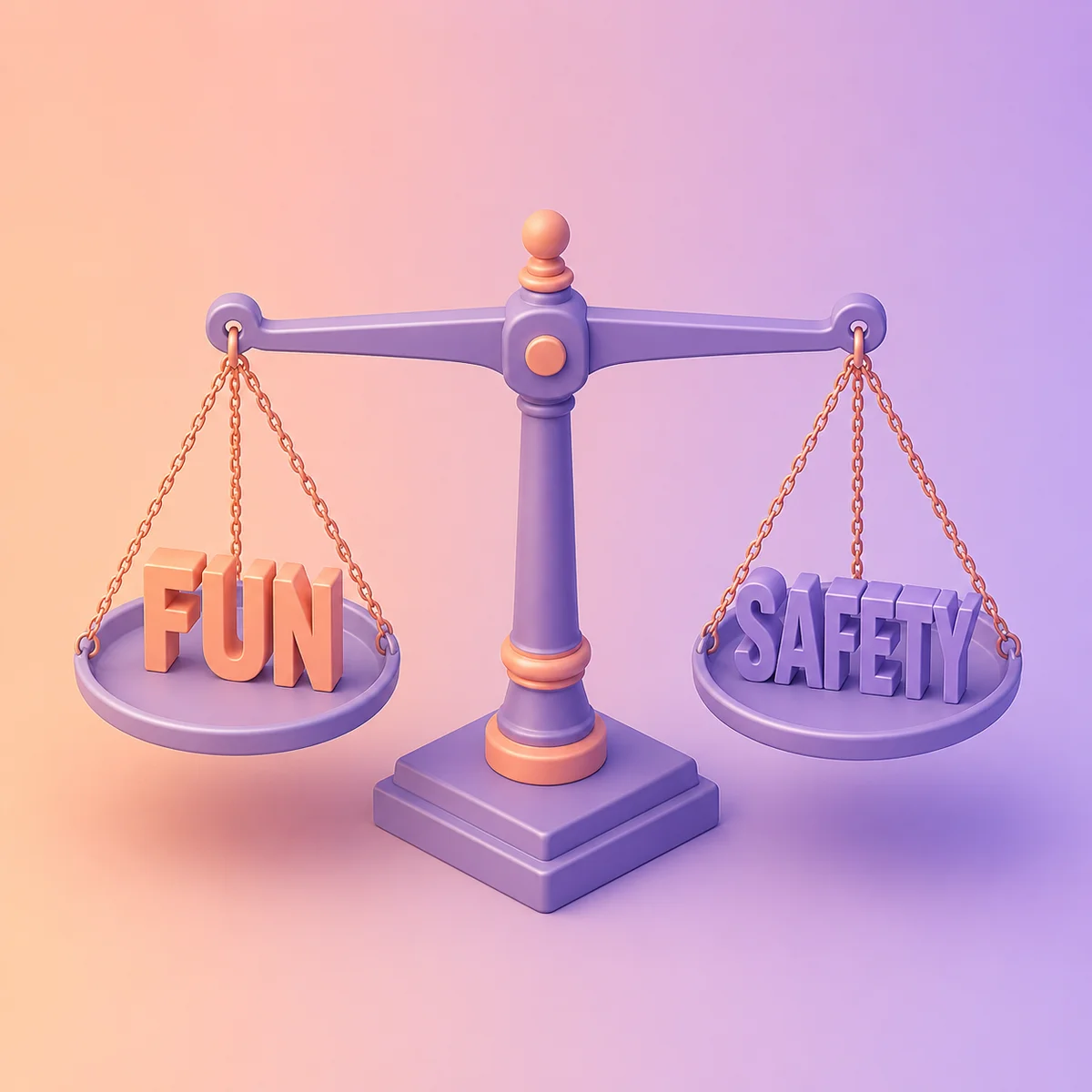
This might feel like a lot of structure for what’s supposed to be a fun night. But here’s the thing: structure creates freedom. When you’ve already decided what “safe” looks like, you don’t have to figure it out in the moment — you can actually relax and enjoy yourself.

Debriefing Afterwards Without Shame
If things went well and everyone stayed within their limits — great. Take a moment to acknowledge that. It reinforces the behavior and makes it easier to maintain next time.
If someone did go past the agreed-upon limit, approach the conversation with curiosity instead of accusation. Ask: “I noticed you had more than we’d talked about. What was going on for you?” Maybe they were nervous. Maybe they lost track. Maybe they felt pressured by the social situation. Understanding the why helps you adjust the plan for next time — rather than just assigning blame.
And if you’re the one who crossed your own limit? Own it, apologize without over-explaining, and commit to a different plan for next time. Something like: “I broke our agreement about drinking and I’m sorry. Next time, I’ll start with water and cap myself at one drink. I don’t want to compromise what we’re building.”

For more on how to process complicated feelings after a threesome, check out our guide on having honest conversations about sexual boundaries. And if you’re dealing with dynamics where one partner struggled to speak up in the moment, our article on feeling left out during a threesome covers what to do when you freeze up.
The Bottom Line
Nobody plans to have a bad experience. But good experiences don’t happen by accident — they happen because someone thought ahead about the things that could go sideways. Alcohol isn’t the enemy. Unspoken expectations are. When you talk about substance limits the same way you talk about threesome rules — clearly, calmly, and before anything is on the line — you protect everyone involved. Including yourself.
If you’re looking for partners who share your approach to intentional, respectful encounters, 3Cupid is here for couples and singles who want to do this right.
This article was written to help adults make informed, safer choices about substance use in threesome dating contexts. It does not constitute medical or legal advice. If you’re concerned about your relationship with alcohol or other substances, consider speaking with a licensed professional.