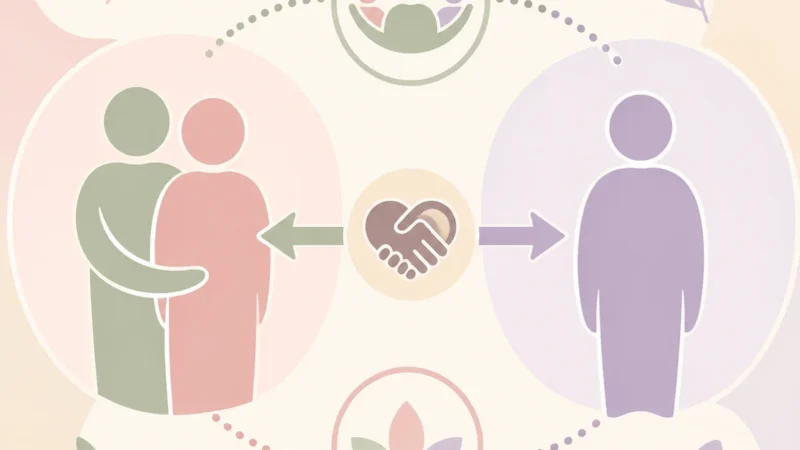
If you’re a single person considering dating a couple — often called unicorn dating — you’ve probably thought about the emotional dynamics. But have you planned for your physical safety? The reality is that dating as a third partner introduces unique risks that singles dating other singles don’t face. You’re walking into an established dynamic where two people already know and trust each other, while you’re the newcomer.
This guide covers unicorn safety from the first message to the follow-up conversation — practical, actionable steps that protect your wellbeing without making you feel paranoid. Safety isn’t about assuming the worst of people. It’s about having systems that work regardless of who you meet.
Table of Contents
- 1. Pre-Meeting Vetting: Screen Before You Meet
- 2. Choosing a Safe Meeting Location
- 3. Setting Boundaries Before Anything Happens
- 4. During the Encounter: Signals, Safewords, and Exit Plans
- 5. Aftercare and Emotional Follow-Up
- 6. Recognizing and Exiting Unsafe Dynamics
1. Pre-Meeting Vetting: Screen Before You Meet
Before agreeing to meet anyone in person, you need information. Not just a few flirty messages — actual verification that gives you confidence in who you’re dealing with. Couples who are serious about unicorn safety will understand and respect this process. Those who push back are showing you a red flag before you’ve even left your house.
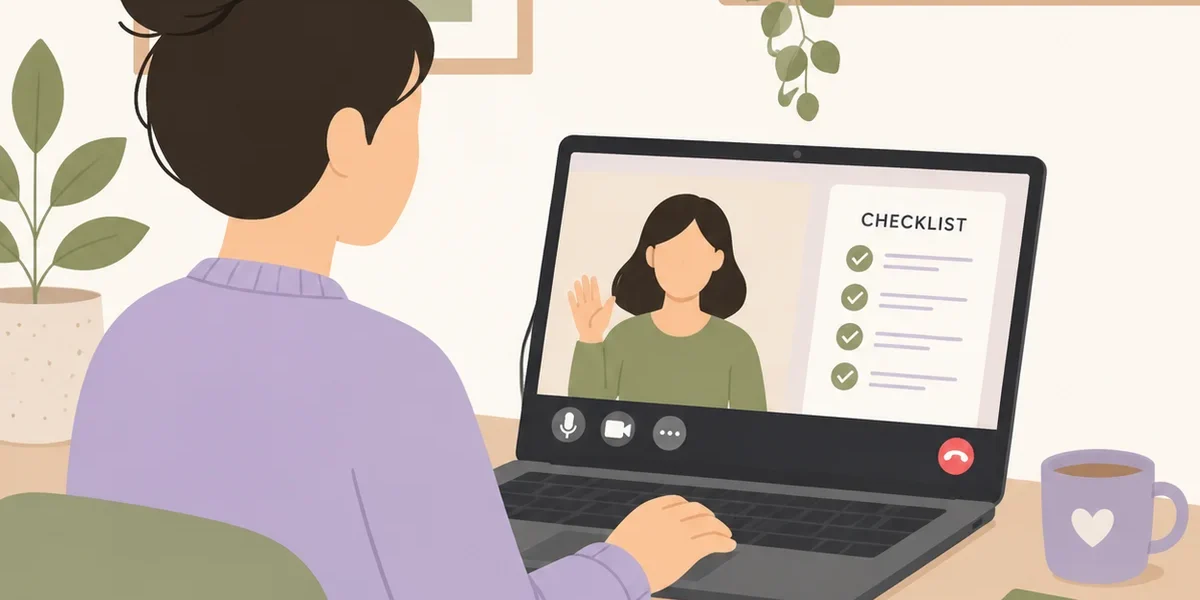
Video call first. Always. A 10-minute video chat tells you things photos and texts can’t — whether both partners are genuinely on the same page, whether their energy feels consistent with their messages, and whether you get an instinctual “yes” or “no” feeling. If a couple refuses a video call with excuses about privacy or awkwardness, that’s a pass.
Ask the right questions before meeting:
- Have you done this before? If so, how did it go?
- What are each of your individual boundaries? (Not just “our boundaries as a couple”)
- What happens if one of you wants to stop mid-encounter?
- How do you handle jealousy when it comes up?
Pay attention to how they answer, not just what they say. Does one partner dominate the conversation while the other stays silent? Do they give vague answers or get defensive? These dynamics preview what you’ll experience in person. For more on spotting problematic patterns, read our guide on navigating couple privilege as a third.

2. Choosing a Safe Meeting Location
Where you meet matters as much as who you meet. For first encounters — especially as a single person meeting two others — the location should be public, neutral, and familiar to you. Do not agree to meet at their home or a private space for a first meeting, no matter how comfortable the conversation has felt online.
Good first-meet locations: A busy cafe you know well, a restaurant in a neighborhood you’re familiar with, a public bar with clear exits and good lighting. The key is choosing somewhere you can easily leave if needed, with other people around who’d notice if something felt off.
Safety protocols for the meetup:
- Tell a trusted friend where you’re going, who you’re meeting, and when you expect to be back.
- Share the couple’s names, photos, and any profile information with that friend.
- Set a check-in time — if you don’t text by then, your friend knows to reach out.
- Arrange your own transportation. Do not accept a ride from people you’re meeting for the first time.
- Keep your phone charged and accessible throughout.
These aren’t dramatic precautions. They’re the same baseline safety measures you’d take meeting anyone from the internet — adapted for a dynamic where you’re outnumbered. The most ethical unicorn dating couples won’t just tolerate these measures; they’ll appreciate them as a sign that you take safety seriously.

3. Setting Boundaries Before Anything Happens
Boundaries aren’t restrictions — they’re instructions for how to treat you well. As a third partner, you have every right to set them, and couples who respect unicorn safety will want to know them clearly. The worst time to figure out your boundaries is in the middle of an encounter when you’re already feeling pressure.
Before your first in-person meeting, decide and communicate:
- What’s on the table and what’s not for the first meeting. Be specific.
- Your safer sex requirements — and don’t negotiate on them.
- Whether you’re comfortable with one-on-one time with either partner or only group interaction.
- How you’ll signal if you need to pause or stop.
- Whether you want check-ins during the encounter and how often.
Write these down for yourself before the conversation with the couple. It’s harder to stay firm on boundaries you haven’t clarified for yourself first. If a couple tries to renegotiate your boundaries in person — especially after you’ve been drinking or when the energy is building — that’s a significant red flag. Boundaries negotiated under pressure aren’t real agreements.
For a detailed framework on setting boundaries as a unicorn, our article on how to be a good unicorn covers positioning your needs confidently from the start.

4. During the Encounter: Signals, Safewords, and Exit Plans
Even with great vetting and clear boundaries, things can shift in the moment. You might realize you’re not as comfortable as you expected. One partner might push a boundary. The energy might feel different than it did online. Having pre-planned tools for these moments removes the pressure of figuring out what to do in real time.
Three essential in-the-moment safety tools:
1. A safeword or pause signal. Something simple and unmistakable. “Red” for full stop, “yellow” for slow down or check in. Agree on it before anything starts and make sure everyone knows it applies to all three of you equally — not just the couple.
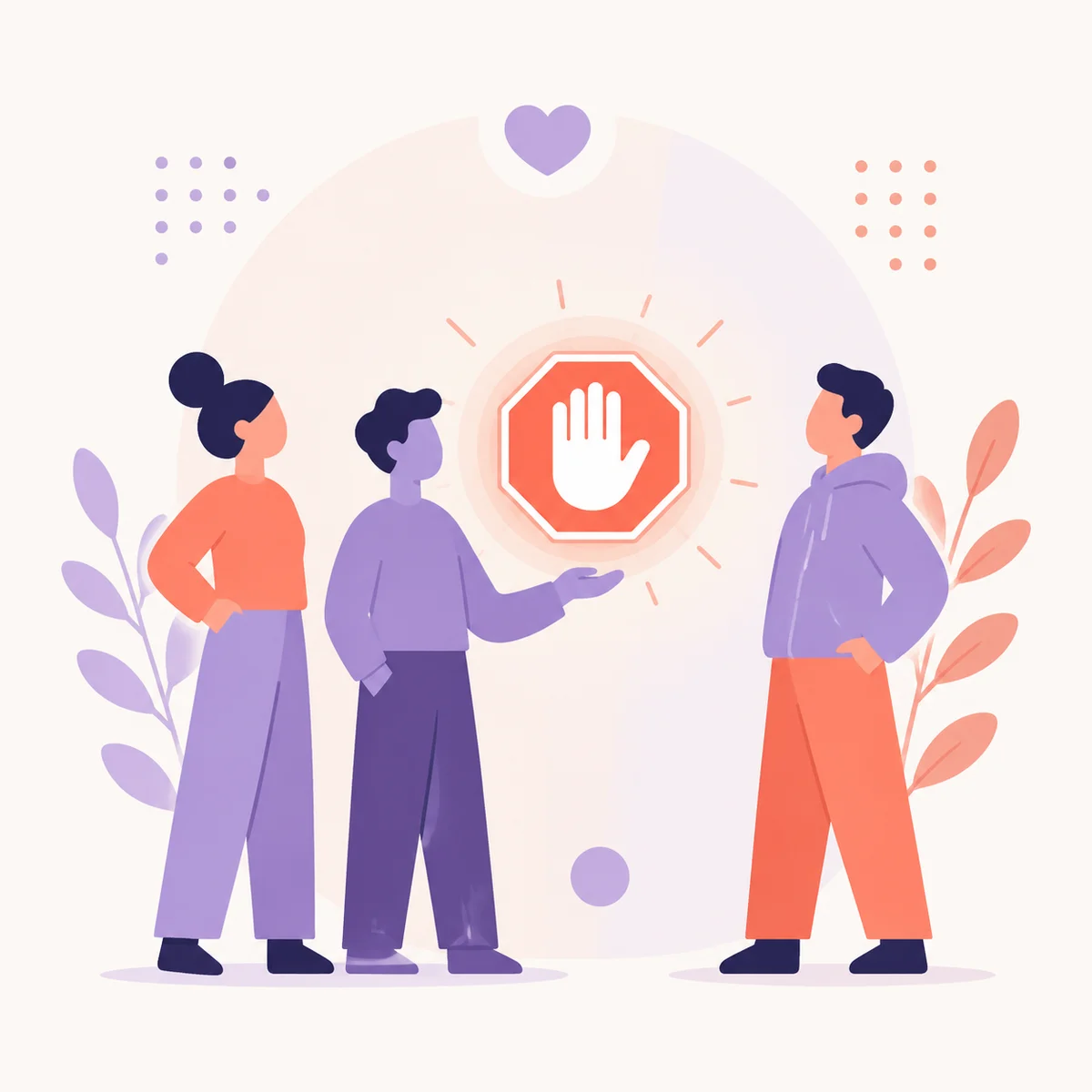
2. A pre-arranged exit excuse. Have a reason ready that lets you leave immediately without explanation. Tell the couple in advance: “If I use this phrase, it means I need to go, no questions asked.” A couple who pushes back on this doesn’t prioritize your safety.
3. A friend on standby. The same friend who knows where you are should be reachable with a single text or call. Some people use a code word system — a specific emoji or phrase that signals “call me immediately with an emergency.”
Remember: using any of these tools doesn’t make you difficult or overdramatic. It makes you someone who values your own wellbeing. The couples worth your time will be grateful you have them.
5. Aftercare and Emotional Follow-Up
Unicorn safety doesn’t end when the encounter does. The hours and days after can bring unexpected emotions — for you and for the couple. Having a plan for what comes next protects your emotional wellbeing and gives you data about whether this dynamic is healthy for you long-term.
Aftercare checklist for third partners:
- Give yourself at least 24 hours before making any decisions about continuing the arrangement. Your emotions right after can be misleading in either direction.
- Check in with yourself: How do I feel? Did my boundaries get respected? Was there any moment I wish I’d handled differently?
- Expect a follow-up from the couple. If you don’t hear anything within a day or two, that’s information about how they treat third partners.
- If you feel a “drop” — sadness, emptiness, anxiety — that’s normal. Plan something grounding for yourself: time with friends, a favorite activity, rest.
The way a couple handles the post-encounter period tells you far more about their ethics than their pre-meeting charm ever could. Do they check in on how you’re feeling? Do they treat you like a person with ongoing emotional needs or like an experience that’s now concluded? These patterns matter. For more on the emotional dimensions of being a third, read our guide on emotional safety for third partners in unicorn dynamics.

6. Recognizing and Exiting Unsafe Dynamics
Not every couple you meet will be operating in good faith — and even well-intentioned couples can create dynamics that aren’t safe for you. Knowing the difference between discomfort worth working through and danger worth walking away from is a critical unicorn safety skill.
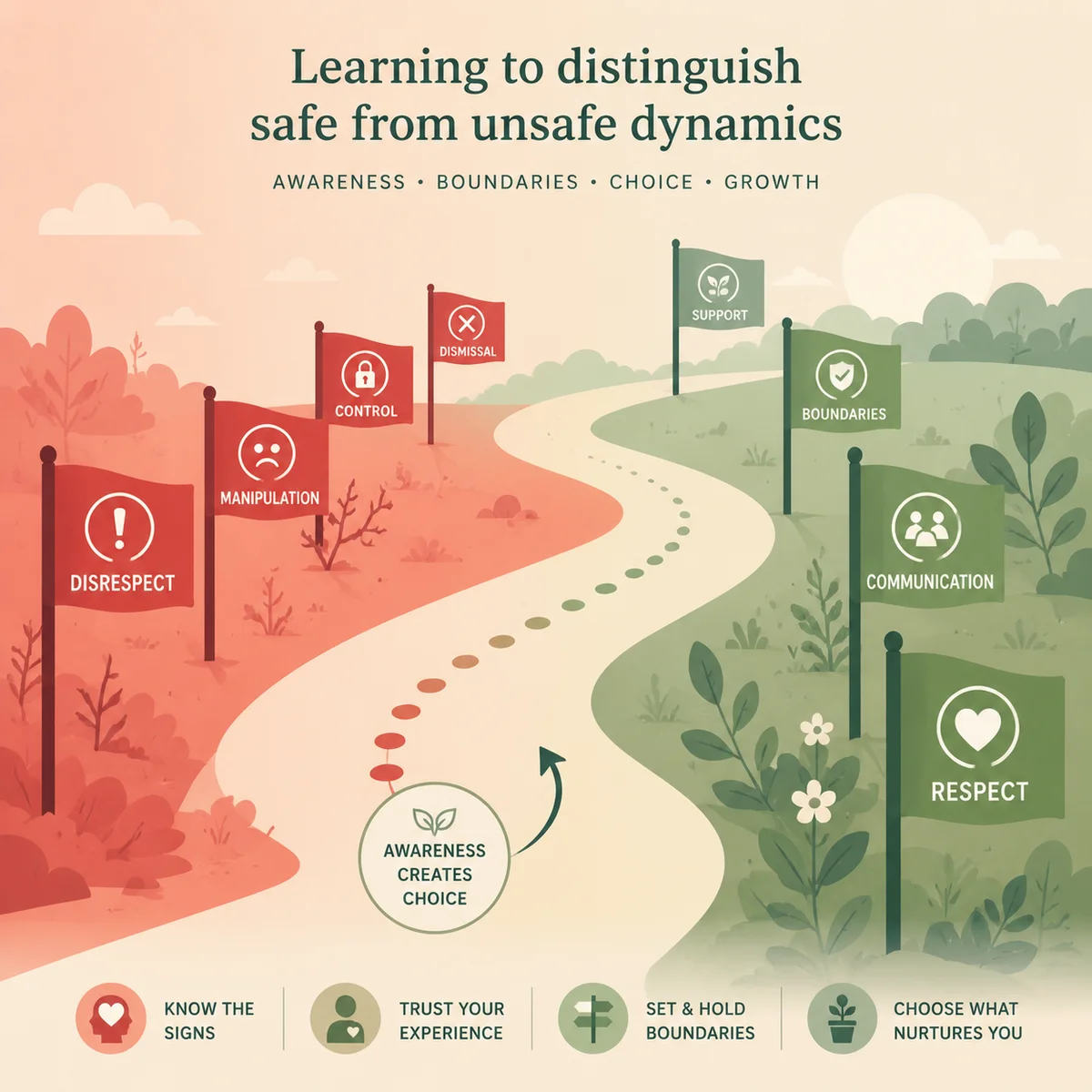
Red flags that mean leave immediately:
- One partner seems reluctant, silent, or pressured. If you sense one person isn’t genuinely enthusiastic, trust that instinct.
- Your boundaries are dismissed, minimized, or treated as “negotiable” in the moment.
- The couple treats you as a shared experience rather than an equal participant.
- You’re asked to participate in dynamics that weren’t discussed beforehand.
- Either partner becomes hostile, demanding, or controlling.
Green flags that suggest a safe dynamic:
- Both partners participate equally in communication and planning.
- They proactively address couple privilege and ask about your comfort.
- They have their own safety and testing protocols, not just expecting you to provide them.
- Check-ins happen naturally, not just when you initiate them.
- They respect a “no” or “not yet” without guilt-tripping or negotiation.
If you do need to exit, you don’t owe an elaborate explanation. “This isn’t working for me” is complete. Block, report if necessary, and lean on your support system. The unicorn dating community increasingly speaks openly about these experiences — platforms and forums exist where you can learn from others who’ve navigated similar situations.
A relationship model based on research published by VeryWell Mind emphasizes that the healthiest multi-partner dynamics are built on explicit communication, equal voice for all participants, and a structure that can flex as individual needs change. Those principles apply just as much to first dates as they do to established relationships.
Editor’s note: This guide was created to help third partners prioritize their safety and wellbeing in unicorn dating dynamics. Your autonomy, boundaries, and emotional health matter — never let anyone convince you otherwise. For more resources on ethical unicorn dating, explore our complete library here at 3Cupid.