
Walking into your first swinging event without clear rules is like driving without a map — you might end up somewhere, but probably not where you wanted to go. The couples who thrive in the lifestyle are rarely the ones with the most experience. They’re the ones who had the hardest conversations before anything happened. Here are the 10 swinging rules every couple should discuss — and agree on — before their first event.
Table of Contents
- Why Every Couple Needs Clear Swinging Rules
- Rules #1-3: Emotional Boundaries
- Rules #4-6: Physical and Health Boundaries
- Rules #7-8: Partner Selection
- Rules #9-10: During and After
- What Happens When You Skip These Rules
- Building Your Own Swinging Rules Together

What follows isn’t a rigid rulebook — the lifestyle doesn’t work that way. Think of these as conversation starters. Every couple’s comfort zone is different, and your rules should reflect your relationship, not someone else’s template.
Why Every Couple Needs Clear Swinging Rules
Rules in swinging aren’t about restriction. They’re about creating a container where both people feel safe enough to explore. When boundaries are clear, you can relax into the experience instead of constantly scanning for danger. When they’re vague — “let’s just see how it goes” — misunderstandings multiply fast.
The couples who say “we don’t need rules, we totally trust each other” are often the ones who end up in conflict. Trust doesn’t replace clarity. It’s built through clarity. Every rule you set together is a deposit in your relationship’s trust account.
Research on consensual non-monogamy consistently shows that couples who establish explicit agreements before engaging with others report higher relationship satisfaction and fewer conflicts than those who rely on unspoken assumptions (Psychology Today). The simple act of articulating your limits out loud makes them real.
Rules #1-3: Emotional Boundaries
Rule #1: Decide what “full swap” means to you. Full swap means different things to different couples. For some, it means everything except kissing. For others, it means oral but not penetration. For still others, it means everything is on the table — literally and figuratively. You need to define this together using specific language, not euphemisms. “We’ll just go with the flow” is not a boundary.
Rule #2: Establish your same-room vs. separate-room policy. Some couples only play together in the same room, finding it strengthens their connection. Others prefer separate rooms to avoid performance pressure. Some start same-room and evolve toward separate-room over time. Where you land matters less than that you both land in the same place. Mismatched expectations here cause more resentment than almost any other variable.
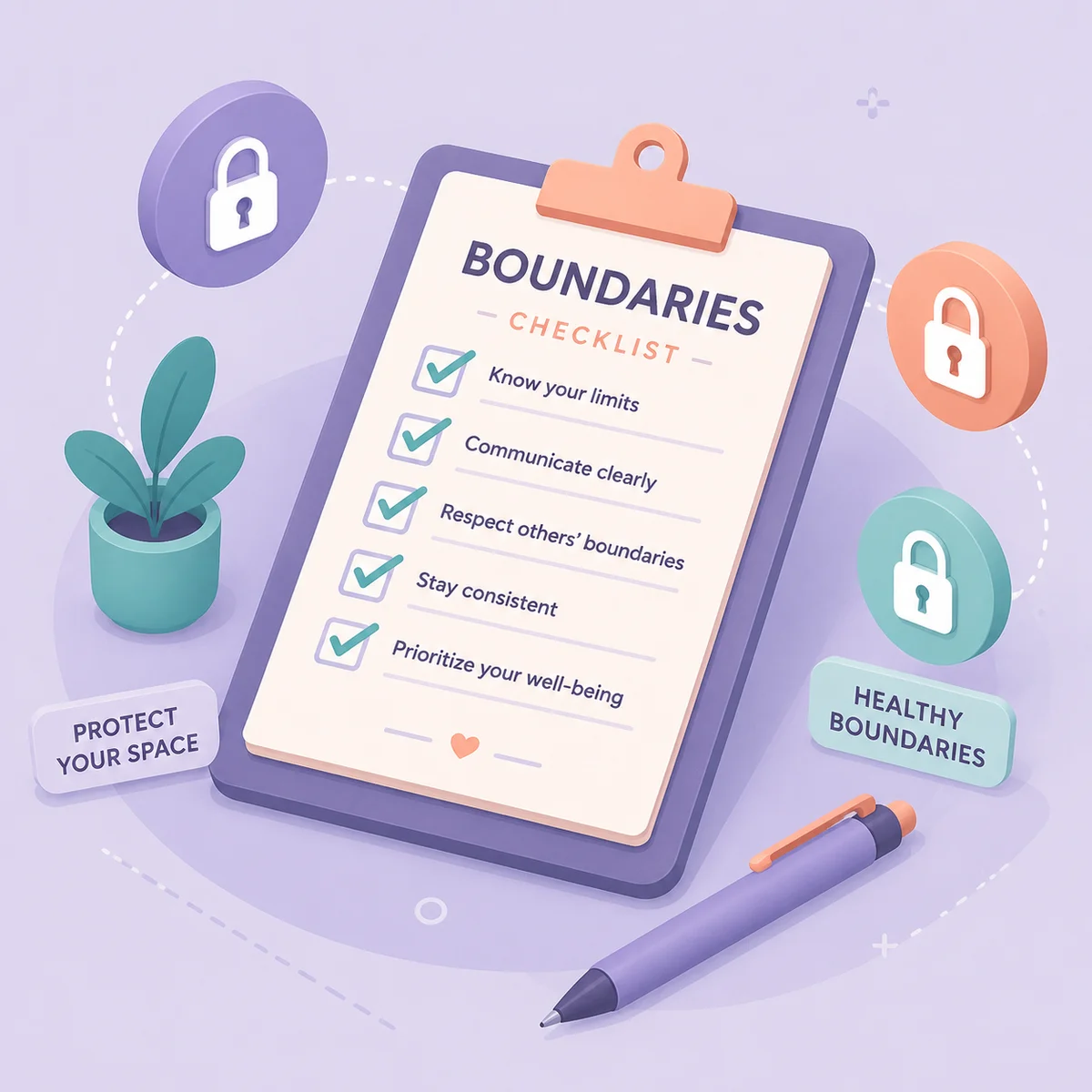
Rule #3: Define your emotional exclusivity lines. Physical boundaries get all the attention, but emotional boundaries matter just as much. Do you keep texting with play partners between events? Are sleepovers okay? Can friendships develop independently, or do you keep communication in group chats only? These questions feel minor until they’re suddenly not. Talk about them early.
Rules #4-6: Physical and Health Boundaries
Rule #4: Create a shared safer-sex protocol. This is non-negotiable. Decide together what protection you’ll use for which activities, how recently you’ll require STI testing, and whether you’ll carry your own supplies. Don’t assume other couples have the same standards — they won’t. Your shared protocol is your responsibility to communicate and enforce.
Rule #5: Define your “no list” specifically. Every couple has acts, dynamics, or language that crosses a line. Spell them out. “Nothing too rough” is too vague. “No degradation language, no choking, no restraints unless discussed beforehand” is clear. Your no list protects you both — and it gives potential play partners the information they need to respect your boundaries.
Rule #6: Agree on alcohol and substance limits. The line between “relaxed enough to enjoy the experience” and “too impaired to make decisions” is thin. Decide your limit together — one drink? Two? None? — and hold each other accountable. If you wouldn’t trust your partner to drive, they shouldn’t be making intimacy decisions either.

Rules #7-8: Partner Selection
Rule #7: Both partners get veto power — no questions asked, no guilt trips. One of you is excited about a couple. The other gets a weird feeling. What happens next defines your swinging experience more than any single encounter. Veto power needs to be absolute and respected. If your partner uses it, thank them for being honest. If you’re the one using it, don’t make it a referendum on the other couple — “I’m just not feeling it right now” is enough.
Rule #8: Decide whether friends, coworkers, or neighbors are off-limits. Most experienced swingers maintain a strict separation between their lifestyle life and their everyday life. The most common rule: no friends, no coworkers, no neighbors, no exceptions. It sounds obvious until you run into your kid’s soccer coach at a lifestyle event. Have a plan for accidental overlaps before they happen.
Rules #9-10: During and After
Rule #9: Create a check-in signal. Words fail in loud club environments. Agree on a nonverbal signal — a hand squeeze, eye contact pattern, or tap on the shoulder — that means “I need to check in with you right now.” This gives both partners a pressure-free way to pause, recalibrate, or leave if something feels off. The signal only works if using it never results in punishment, eye-rolling, or “we were having such a good time, why did you ruin it?”
Rule #10: Plan your aftercare ritual. What happens after the event shapes how you’ll both feel about the experience. Will you debrief immediately in the car? Wait until morning? Order food and cuddle? Your aftercare ritual — whether it’s a long conversation, physical reconnection, or just falling asleep together — tells your partner “we’re still us.” For more on navigating the emotional side of swinging, soft swinging can be a gentler way to start.

What Happens When You Skip These Rules
Most swinging disasters aren’t caused by bad intentions or incompatible chemistry. They’re caused by assumptions. Partner A assumed oral was fine. Partner B assumed that meant penetration was on the table. Nobody asked, nobody clarified, and now they’re fighting in the parking lot at 2 AM.
The couples who skip the hard conversations tend to experience the same pattern: excitement → an unexpected boundary crossing → hurt feelings → defensive arguments → “maybe this lifestyle isn’t for us.” It’s not that the lifestyle isn’t for them. It’s that they tried to do something complicated without a shared map.
That said, rules evolve. What feels right on your first visit to a swinging club might change after you’ve attended a few events. Revisit your rules periodically — not after a conflict, but during calm, connected moments. Rules that served you at the beginning might feel too tight later. Others you thought were obvious might prove harder than expected.
Building Your Own Swinging Rules Together
The 10 rules above are a starting point. Your actual list might be shorter or longer. What matters is that every rule on it was discussed — not assumed, not downloaded from the internet, not borrowed from another couple.
Here’s a practical framework for the conversation:
| Do | Don’t |
|---|---|
| Schedule the conversation during a calm, connected moment | Bring it up right before an event when anxiety is high |
| Use specific language (“no penetration with new partners”) | Use vague language (“we’ll keep it casual”) |
| Write your rules down so both partners can reference them | Assume you’ll both remember everything you agreed on |
| Review your rules after each experience and adjust as needed | Set rules in stone forever without checking if they still fit |
| Express appreciation when your partner is honest about discomfort | Punish honesty by acting disappointed or resentful |
One reality that catches many couples off guard: jealousy can still surface even when you’ve followed every rule perfectly. Rules reduce risk — they don’t eliminate emotions. If you find yourself struggling with unexpected feelings, learning to process jealousy in the swinging lifestyle is a skill worth developing alongside your rule-making.

Ultimately, the best swinging rules don’t just protect your relationship — they free you to enjoy the experience. When you know exactly where the edges are, you can play confidently within them. If you’re ready to start exploring with a partner, beginning with soft swinging gives you both time to find your footing in a low-pressure environment.

Editor’s note: This article was written to help couples navigate the swinging lifestyle with clarity and mutual respect. All content is intended for adults 18+ and emphasizes communication, consent, and emotional safety.