Let’s address the elephant in the room — or more accurately, the elephant most people think is in the room when they consider the swinging lifestyle. You look at photos from lifestyle events or browse profiles on swinging platforms, and a voice in your head whispers: “Everyone there is going to be fitter, younger, and more attractive than me.”
Table of Contents
- Why Body Image Comes Up in Swinging (and Why It’s Normal)
- What the Swinging Community Actually Looks Like
- Practical Steps to Build Body Confidence Before Your First Event
- What to Wear When You’re Feeling Self-Conscious
- How Partners Can Support Each Other’s Body Image Journey
- Dealing with Comparison and Rejection Without Spiraling
- Finding Body-Positive Swinging Communities and Events
- Body Confidence Checklist: Before, During, and After an Event
That voice is lying to you. The reality of body image in swinging lifestyle spaces is dramatically different from what most newcomers expect. Real swinging communities are filled with people of every age, size, shape, and physical condition you can imagine — and the qualities that actually matter have nothing to do with a six-pack or a thigh gap.
What follows is not a pep talk about “loving your body” that ignores how hard that actually is. This is a practical guide to building enough body confidence to show up, connect with real people, and actually enjoy yourself in lifestyle spaces — starting from wherever you are right now.
Why Body Image Comes Up in Swinging (and Why It’s Normal)
Walking into a lifestyle club or scrolling through swinger dating profiles triggers something primal. You’re not just socializing — you’re putting yourself in a context where physical attraction is part of the equation. That naturally activates every insecurity you’ve ever had about your body.
This is not a personal failing. It’s a completely predictable psychological response. Research on social evaluation consistently shows that situations involving potential romantic or sexual attention amplify body image concerns — even in people who normally feel fine about their appearance. The swinging context simply dials that up because the evaluation feels more explicit.
What helps is recognizing that everyone else in the room is navigating the same internal dialogue. The person you’re intimidated by is probably worried about their own perceived flaws. Understanding this shared vulnerability is the first step toward loosening its grip.
What the Swinging Community Actually Looks Like
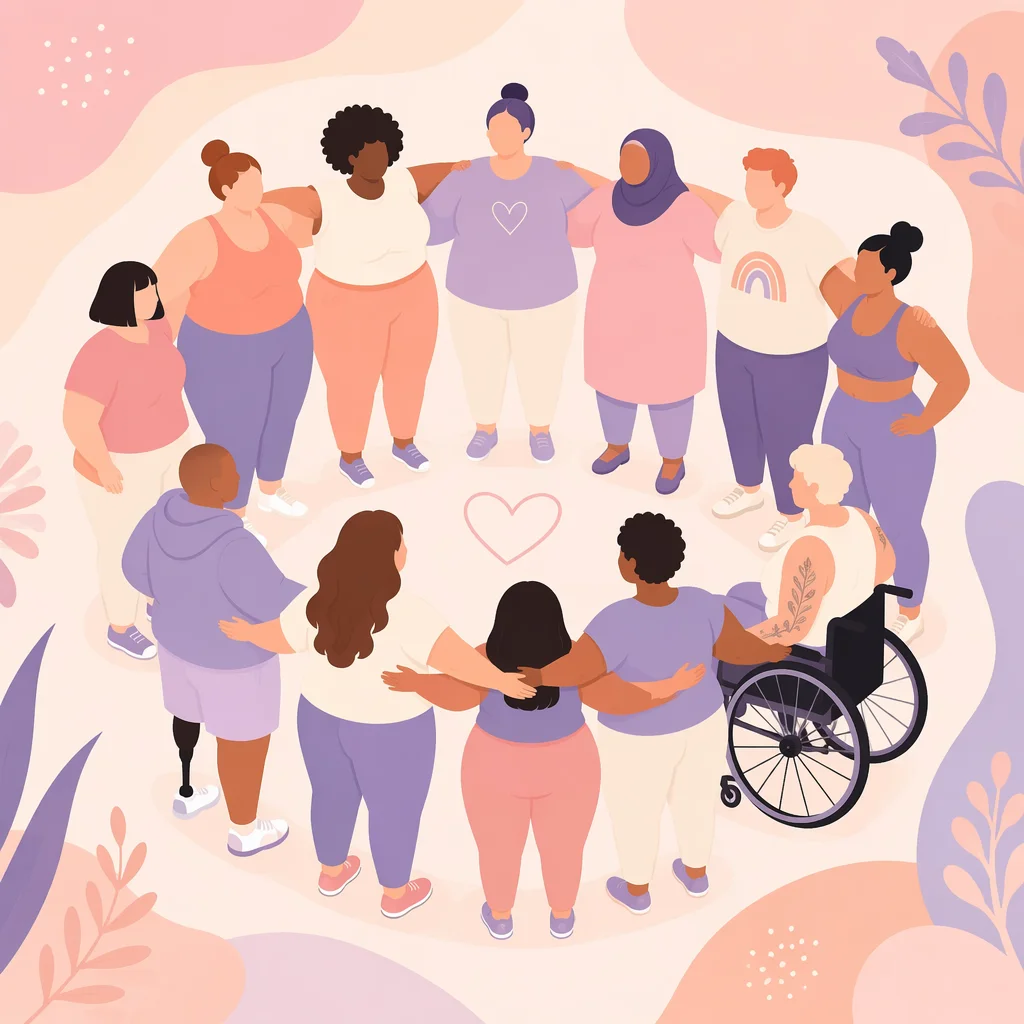
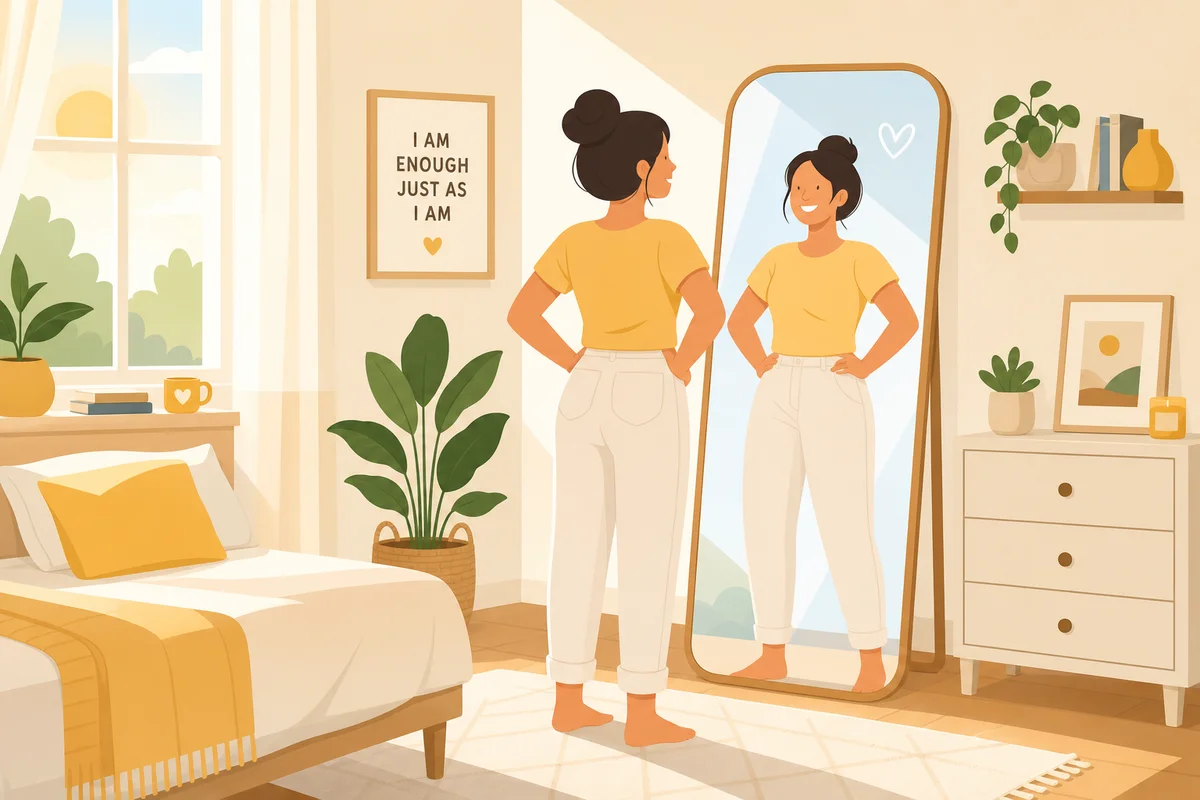
If your mental image of a lifestyle event comes from curated social media or mainstream media portrayals, you’re working with deeply distorted data. Walk into any real swingers’ club or browse profiles on a platform like 3Cupid, and you’ll find a cross-section of humanity: people in their 30s through 70s, parents who’ve had kids, people with surgical scars, stretch marks, gray hair, and every body type represented on the BMI chart.
In lifestyle spaces, the traits that consistently attract positive attention are warmth, presence, a good sense of humor, and the ability to hold an interesting conversation. Physical appearance matters, sure — but not in the narrow, airbrushed way mainstream culture wants you to believe. Confidence, approachability, and genuine interest in others reliably outperform conventional attractiveness.
Veteran swingers consistently report that the most desirable people in any room are the ones who seem comfortable in their own skin and curious about others — not the ones with the most gym hours. This isn’t a polite fiction; it’s a repeated observation from decades of community experience.
Practical Steps to Build Body Confidence Before Your First Event
Confidence doesn’t materialize because someone tells you to “just own it.” It builds through repeated, manageable experiences that teach your nervous system you’re safe. Here’s a concrete ramp-up that works:
- Start with low-stakes exposure. Attend a lifestyle social event (like a meet-and-greet at a vanilla bar) where the dress code is casual and the expectation is conversation, not play. These environments let you observe the community’s actual diversity without pressure.
- Practice being seen. Before going fully nude at a club, try wearing something slightly outside your comfort zone in a safe social setting — like a dinner with lifestyle friends where you dress up a bit more than usual.
- Do a “mirror reset.” Instead of scanning for flaws, spend 60 seconds looking at yourself and naming three things your body does for you. It sounds simple, but it shifts attention from appearance to function, which gradually rewires body perception.
- Visit a club with zero play expectations. Go on a tour night. Walk through. See real bodies in real lighting. Notice that nobody is staring or judging. Let the reality overwrite the anxious fantasy.
The key is to avoid a “sink or swim” approach. If you force yourself into maximum exposure before you’re ready, you risk cementing the association between swinging and body shame rather than loosening it.
What to Wear When You’re Feeling Self-Conscious
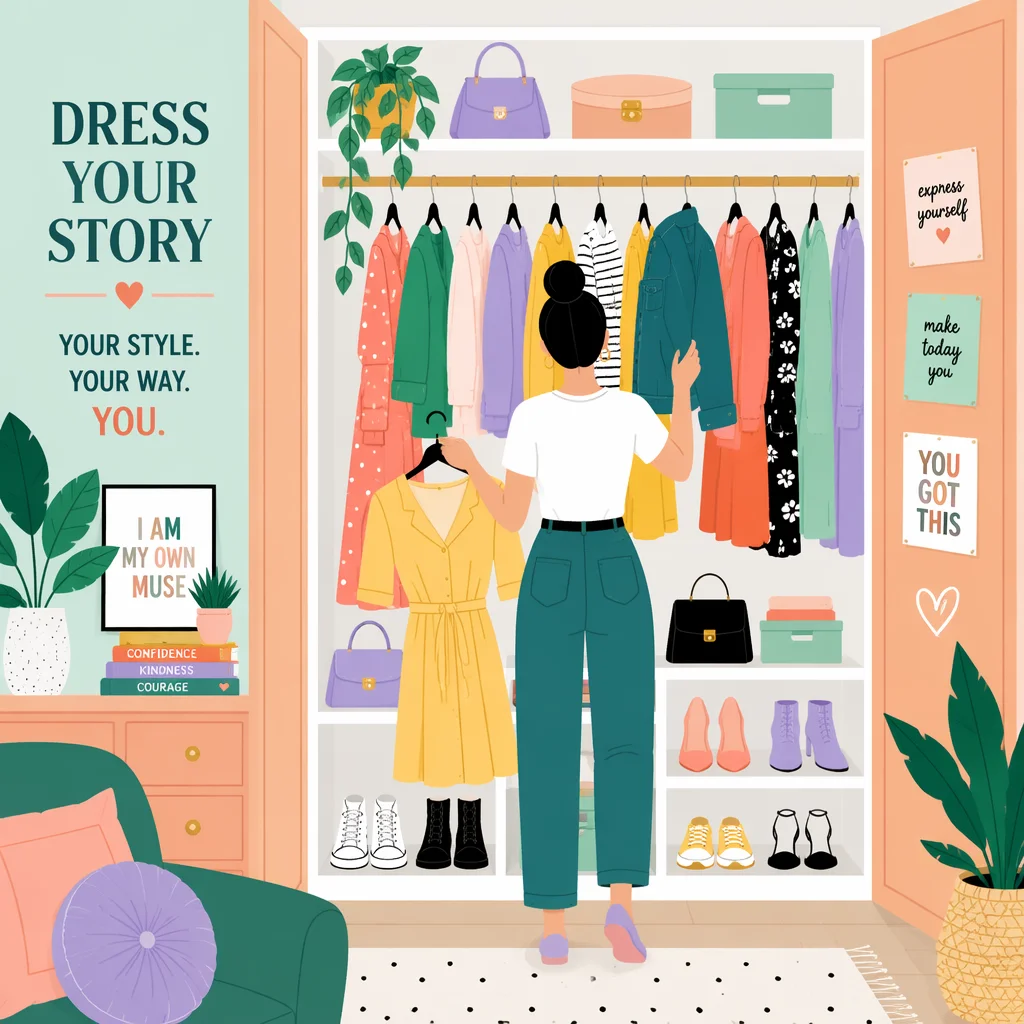
Clothing in lifestyle settings serves two purposes: self-expression and strategic comfort. When body image is a concern, clothing becomes armor — and that’s okay. The goal is to choose pieces that help you feel present rather than preoccupied.
Some practical approaches that experienced swingers recommend:
- Structure over exposure. A well-cut blazer, a wrap dress, or a tailored shirt can create a silhouette you feel good in without baring areas you’re not ready to share. Many clubs have dress codes that range from cocktail to lingerie — you can work within that spectrum.
- Dial in one feature you like. If you love your shoulders, wear something that highlights them. If your legs are your favorite, choose a cut that draws the eye there. This isn’t about hiding — it’s about directing attention where you want it.
- Bring layers. Having a jacket, kimono, or wrap you can add or remove gives you moment-to-moment control over your comfort level. This alone reduces anxiety significantly.
- Test-drive your outfit at home. Wear it for an evening. Sit, stand, walk. If you’re adjusting it constantly, pick something else. Comfort is non-negotiable.
Remember: the most magnetic quality anyone can wear is the visible absence of self-consciousness. The outfit that lets you forget about your outfit is the right one.
How Partners Can Support Each Other’s Body Image Journey
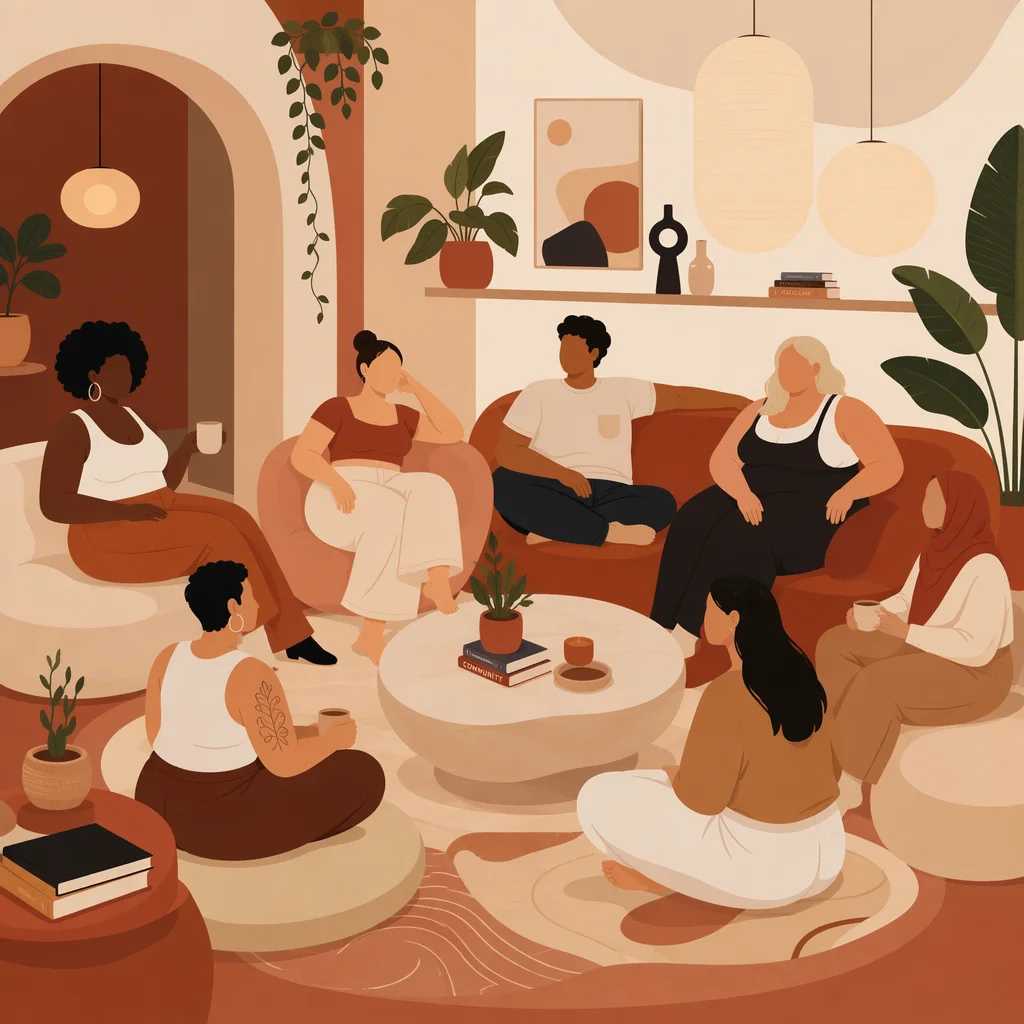
If you’re navigating the swinging lifestyle as a couple, your dynamic with each other is the emotional anchor. When one partner struggles with body image, the other’s response can either amplify the insecurity or neutralize it.
What effective partner support looks like in practice:
- Don’t argue with their feelings. Saying “you look great, stop worrying” often feels dismissive. Instead, try “I hear that you’re feeling self-conscious. What would help you feel more comfortable right now?”
- Check in during events. A subtle “how are you doing?” squeeze of the hand or a private moment in a quieter corner can reset someone’s emotional state before insecurity spirals.
- Be each other’s hype person — genuinely. Specific, sincere compliments about something you notice in the moment (“I love watching how easily you talk to people”) land better than generic reassurance.
- Debrief after events. What went well? What triggered insecurity? Patterns will emerge over time, and you can adjust your approach accordingly.
If one partner consistently struggles more than the other, it’s worth considering whether the pace is right. Slowing down to let both people find their footing is always the stronger move than pushing through at the cost of one person’s wellbeing.

Dealing with Comparison and Rejection Without Spiraling
In any social-sexual environment, you will sometimes notice that someone else is getting more attention. You will sometimes experience a polite “no thanks.” These moments sting — and they sting harder when you’re already feeling vulnerable about your body.
But here’s a reframe that actually helps: rejection in swinging is rarely about your body. People decline connections for reasons that have nothing to do with you — they’re tired, they’ve already made plans, they’re looking for a specific dynamic, the chemistry isn’t there for reasons they can’t even articulate. Assuming it’s about your appearance is a cognitive distortion, not reality.
For a deeper dive into handling rejection in lifestyle spaces, our guide on how to handle rejection in the swinging lifestyle walks through the emotional mechanics in detail. And if comparison is triggering jealousy within your relationship, our article on managing jealousy in swinging offers concrete strategies.
Comparison itself can be redirected. Instead of “she’s more attractive than me,” try “she carries herself with confidence — what can I learn from that?” The shift from threat to curiosity changes the emotional experience entirely.
Finding Body-Positive Swinging Communities and Events
Not all lifestyle spaces are created equal. Some clubs and events cultivate a noticeably warmer, more inclusive atmosphere than others. Seeking these out deliberately can make the difference between an experience that builds your confidence and one that reinforces your insecurities.
What to look for:
- Events with explicit inclusivity statements. Clubs or groups that publicly state “all bodies welcome” and actually enforce respectful behavior tend to attract members who share those values.
- Smaller, discussion-based meetups. Munches, book clubs, and discussion groups within the lifestyle often attract a more diverse, less appearance-focused crowd than large play parties.
- Online communities with body-positive norms. Platforms where people share real, unedited photos and support each other create a much healthier baseline than spaces built around highly curated imagery.
Our guide to finding your swinging community offers a broader roadmap for locating spaces where you’ll feel genuinely welcome. If body image is a concern, starting in the right room matters more than almost anything else.
Body Confidence Checklist: Before, During, and After an Event
Here’s a practical tool to use before your next lifestyle event. Check off what applies:
Before the Event☐ I’ve worn my outfit for at least 30 minutes at home and feel physically comfortable in it.
☐ I’ve done a “mirror reset” exercise today — naming what my body does for me, not just how it looks.
☐ I’ve discussed any specific body-related concerns with my partner so they can support me.
☐ I’ve set one realistic goal for the evening: e.g., “have two interesting conversations,” not “be the hottest person here.”
During the Event
☐ I’m checking in with my body periodically — am I tensing up? Can I take a deep breath?
☐ I’ve noted at least one thing I appreciate about someone else that isn’t appearance-based.
☐ If comparison thoughts start, I’m reminding myself: “Their attractiveness doesn’t subtract from mine.”
☐ I’m allowing myself to step outside or find a quiet corner if I need a reset.
After the Event
☐ I’m celebrating what went well before analyzing what didn’t.
☐ I’ve shared one positive moment with my partner that had nothing to do with bodies.
☐ If insecurity comes up, I’m treating it as information — not evidence of inadequacy.
☐ I’ve thanked my body for carrying me through the experience, exactly as it is.
Building body confidence in the swinging lifestyle is not about reaching a finish line where you never feel insecure again. It’s about shrinking the distance between how you see yourself and how others actually experience you — which is almost always warmer and more accepting than your inner critic would have you believe. Research on body image consistently shows that self-compassion, not self-criticism, is the foundation of lasting confidence. The lifestyle is waiting for you — and it’s far more welcoming than the voice in your head suggests.
Editor’s note: This article is part of 3Cupid’s ongoing series on navigating the swinging lifestyle with confidence. If body image concerns make social situations challenging for you, our guide on swinging for introverts may offer additional strategies for showing up authentically in lifestyle spaces.