For people dating from a thin market, ENM festivals and retreats solve a problem that no amount of swiping solves: density. Two or three days in a place where nobody needs the basics explained is worth roughly a year of first dates, and it is often the only realistic way to meet more than a handful of compatible adults in one go. This guide covers how to choose one, what it costs, how consent actually works on site, and how to come home without undoing the good part.
It is written for first-timers and for people whose only reference point is a nightclub or a conference. Festivals and retreats are neither. They are closer to a residential course with a social streak: structured daytime content, unstructured evenings, shared meals, and a community that watches how you behave. That last part is the bit worth preparing for.
Table of Contents
- Why ENM Festivals and Retreats Are Worth the Trip
- Picking the Right Event for You
- What It Actually Costs
- Consent Culture Is Not Automatic
- Camping, Cabins and Shared Space
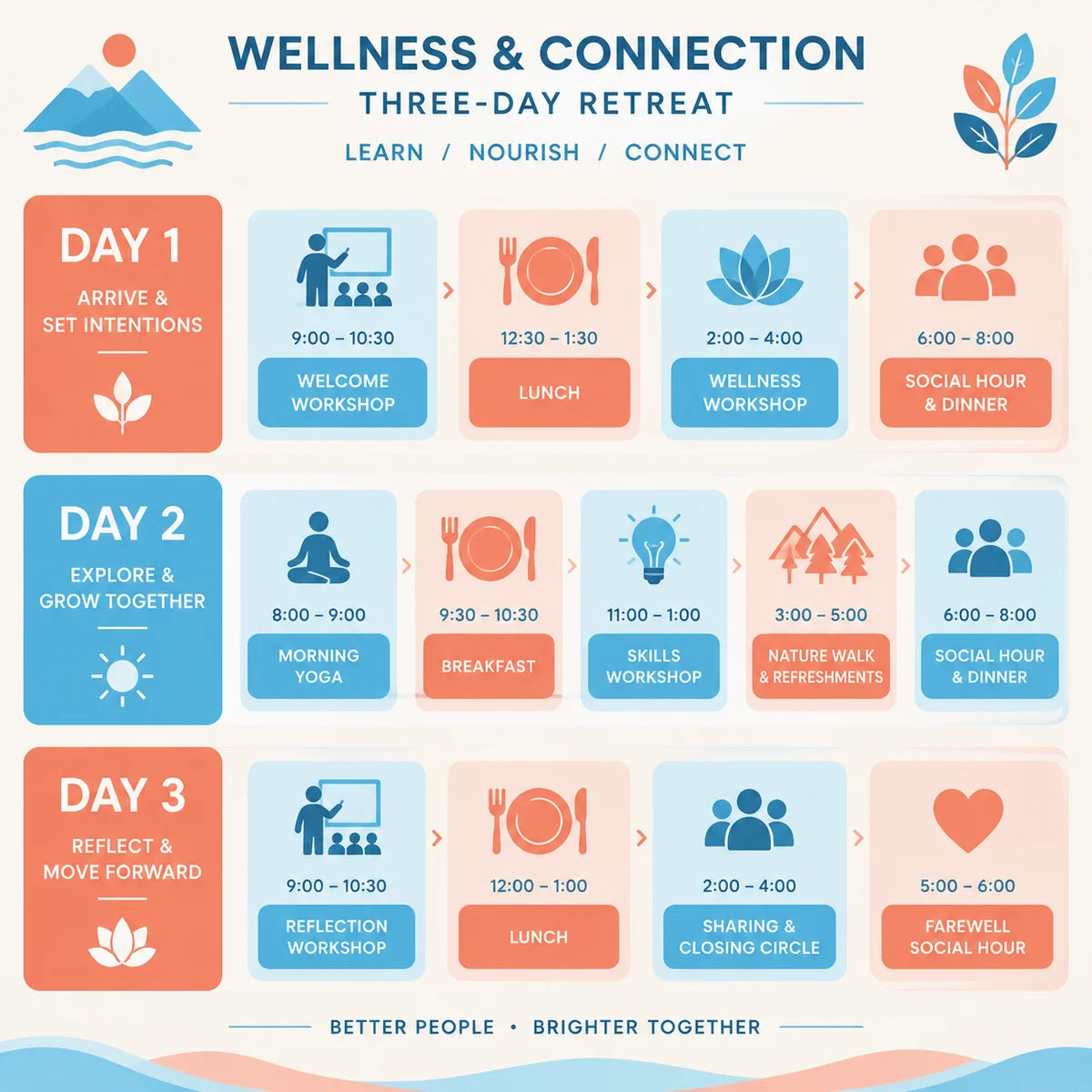
- Pacing Yourself Across Two or Three Days
- Coming Home Without the Crash
- FAQ: ENM Festivals and Retreats
Why ENM Festivals and Retreats Are Worth the Trip
The obvious benefit is meeting people. The less obvious one is calibration. When your entire experience of non-monogamy has happened in a county with eleven other people, you develop habits that no one challenges — you over-explain, or you apologise for your structure, or you assume your way is the only way. Three days among four hundred people who all do it differently corrects that fast, and the correction is worth the ticket on its own.
There is also a skills argument. Workshops on negotiation, jealousy, safer sex agreements and repair are standard at these events, and learning them in a room beats learning them during a crisis at home. If you are starting from a thin base, non-monogamy in a rural area describes why the density matters so much; if you are comparing formats, attending your first non-monogamy conference is the closest cousin and worth reading alongside this.
And a plain social one: it is tiring to be the only non-monogamous person in every room you enter for months at a time. Events are a reset on that specific fatigue. Most people come home calmer and more settled rather than throwing everything overboard, which is the opposite of what a lot of first-timers expect.
Picking the Right Event for You
The format matters more than the brand. A large festival with a party reputation and a twelve-person retreat in a farmhouse are completely different products, and booking the wrong one is the most common first-timer mistake. Use the table below to place yourself before you look at dates.
| Format | Typical size | Structure | Best for |
|---|---|---|---|
| Large festival | 200 to 1000+ | Workshops by day, social events at night | Breadth of people; first big immersion |
| Small retreat | 10 to 40 | Residential, shared meals, facilitated sessions | Depth, skills, and quieter nervous systems |
| Conference | 100 to 500 | Panels and talks, rooms booked nearby | Ideas, speakers, low social pressure |
| Local meetup or campout | 5 to 60 | Minimal structure | Testing the water cheaply |
Three checks before you pay. First, look for a written code of conduct that says something specific about consent, photography and phones — vague documents predict a vaguely run event. Second, check who is running it and whether there is a real complaints route; a named organiser with a track record is worth more than a good logo. Third, ask what the ratio of structured to unstructured time is. If you are anxious or introverted, more structure is kinder, not boring.
If you are attending as a couple, decide your operating model before you arrive and write it down: are you approaching people together, separately, or not approaching anyone at all this time? Couples who arrive without that conversation tend to improvise under pressure, which is exactly when the third person gets treated badly. what garden party polyamory means is useful vocabulary here, and preparing for your first event or venue covers the arrival-side nerves in detail.
What It Actually Costs
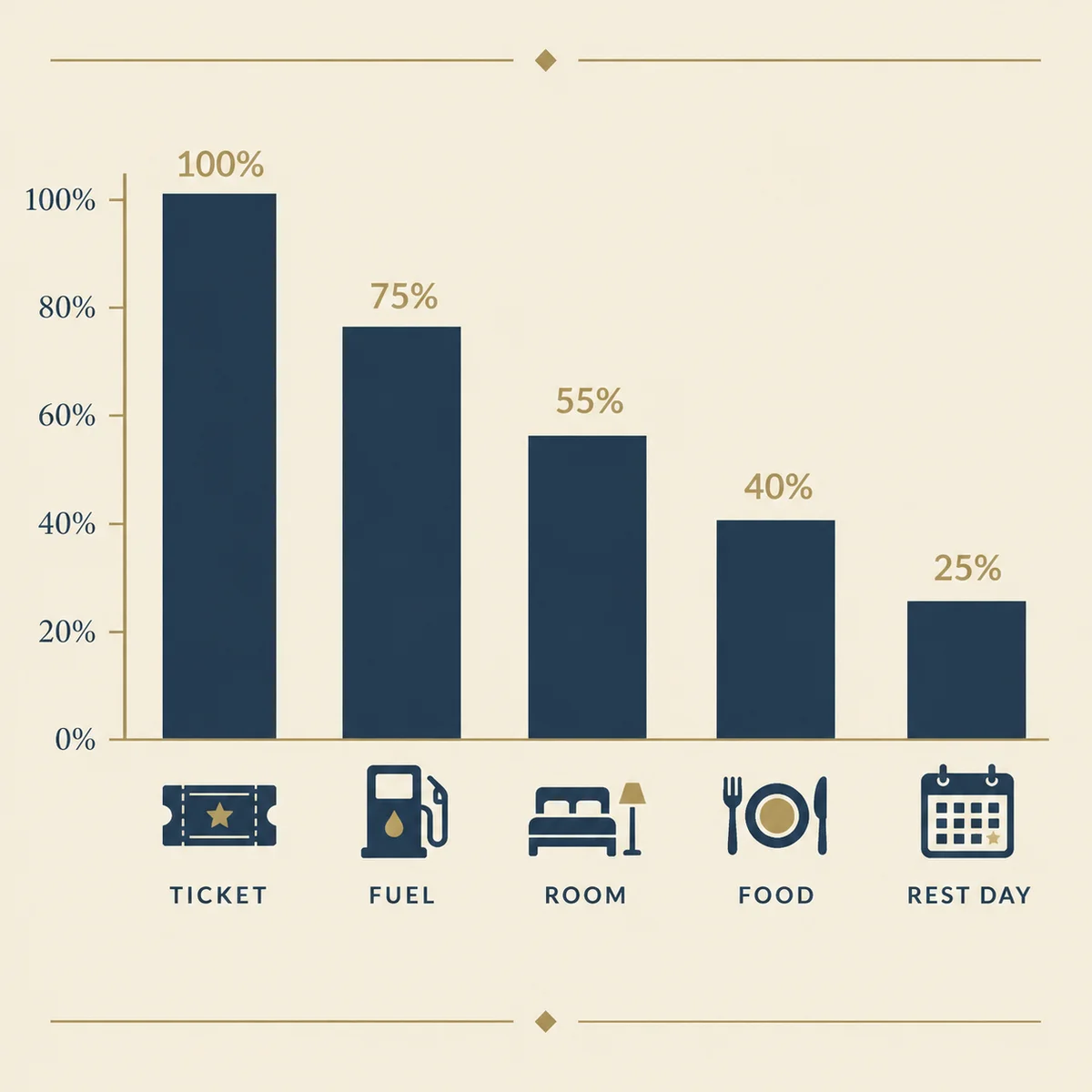
Ticket price is the smallest line in the budget and the only one most people plan for. The real total is: ticket, travel, accommodation tier, food, workshop fees, and the social spending that comes with being away for three days. For a rural attendee, travel often matches or exceeds the ticket — fuel, a night either side if the drive is long, and possibly kennel or childcare cover.
Two strategies that keep this sane. Book the cheapest accommodation tier on purpose and spend the difference on a better mattress or a quieter cabin next year, once you know whether you like the event. And set a daily spending number before you arrive, in cash if that helps; events with a bar run for three days tend to blur it. splitting travel costs between partners is worth agreeing in advance when more than one of you is going.
Also budget for the day after. Taking one recovery day at home, unpaid if necessary, is the difference between an event being a recharge and an event being a debt you repay all week. People who schedule a full workday immediately afterwards consistently report that they lost most of the benefit.
Consent Culture Is Not Automatic
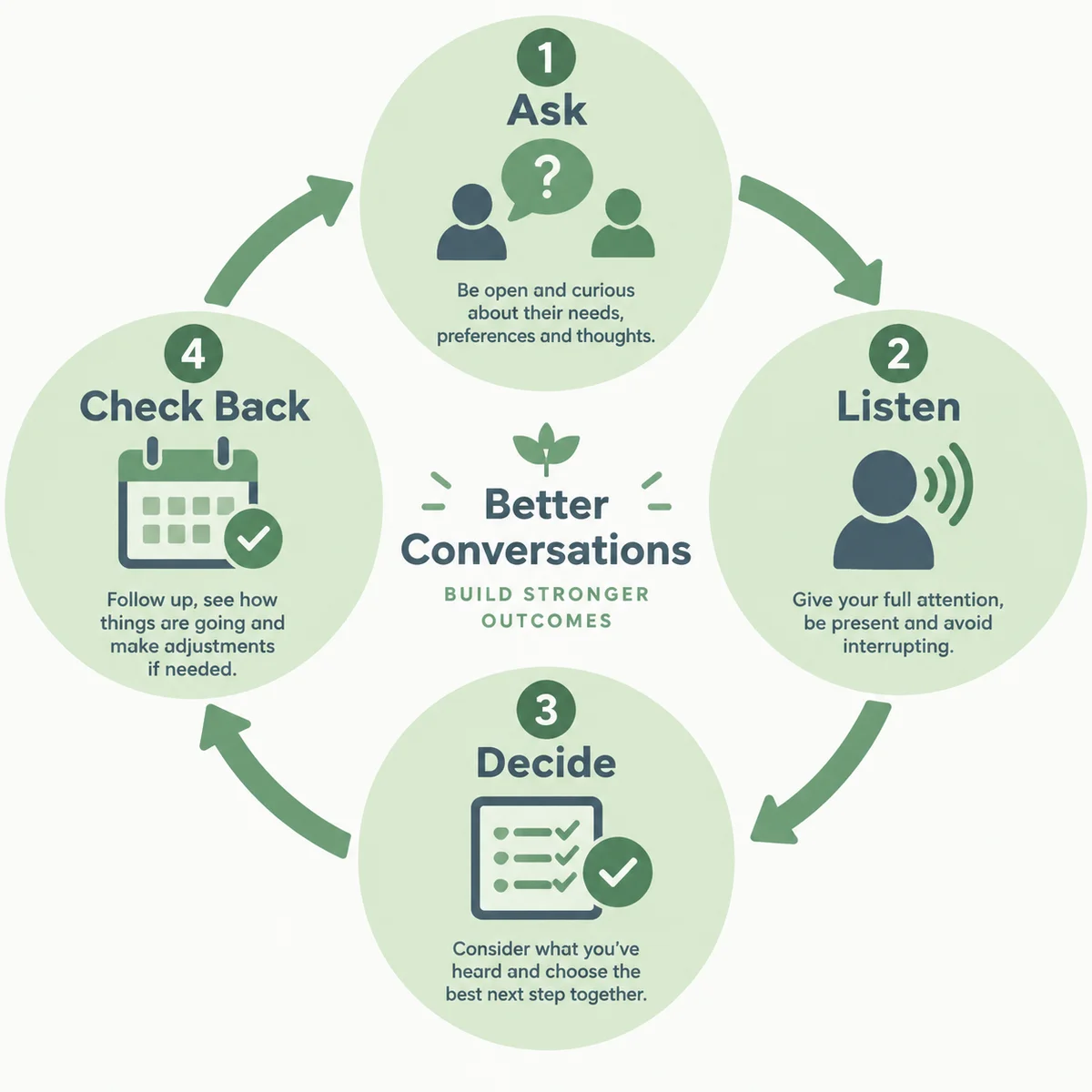
This is the section to read twice. An event full of non-monogamous people is not automatically an event with good consent practice. Shared vocabulary is not shared behaviour, and the social atmosphere at a festival can produce a specific kind of pressure: the feeling that being here means being up for anything.
The protections are unglamorous and they work. Assume phones are out and act accordingly — check the photography policy and do not photograph anyone without asking, every time. Treat substances as something that lowers everyone’s judgement rather than as a social lubricant. Know the event’s reporting route before you need it. And give yourself a real exit: a car, a room of your own, or an agreement with a friend that either of you can call it a night without explaining.
The language side matters too. A clear no with no apology attached is a complete sentence at these events, and so is “I’d rather just talk.” what enthusiastic consent looks like in non-monogamy, how to say no in the moment and withdrawing consent after you have already said yes are all short reads that pay for themselves on the second night. If alcohol is part of the picture, going to events without drinking is genuinely practical rather than preachy.
One more, specific to events: status does not equal consent. Someone who is a speaker, an organiser or a long-standing community figure is not entitled to more access to you, and a healthy event will back you if you say so. If an event’s culture is that it would not, that is information about the event, and you are allowed to leave early.
Camping, Cabins and Shared Space
Shared accommodation is where events are won or lost. A cabin with five people you met today sounds efficient and can be excellent, but it removes the one thing that makes an event survivable for most people: somewhere to retreat to. If you can afford a private room, take it the first time. You can always downgrade next year once you know the crowd.
Camping-specific practicalities that people forget: a decent sleeping mat is worth more than a better tent; earplugs and an eye mask are not optional; bring a torch you can find in the dark; and pack for mud and for sun in the same bag. Label your food if there is a shared kitchen, and clean up after yourself before anyone has to ask — in a small residential event, the person who leaves the kitchen clean is remembered far better than the person who was charming at midnight.
If you are the hosting type, note that event hosting has its own etiquette and it differs from a house party. etiquette for first-time event and club visitors and what to expect at a resort or takeover weekend both cover it. So does appearance anxiety, which is more common than people admit: body confidence at events and what to wear to a club or social handle the practical end of it without pretending it does not exist.
Pacing Yourself Across Two or Three Days
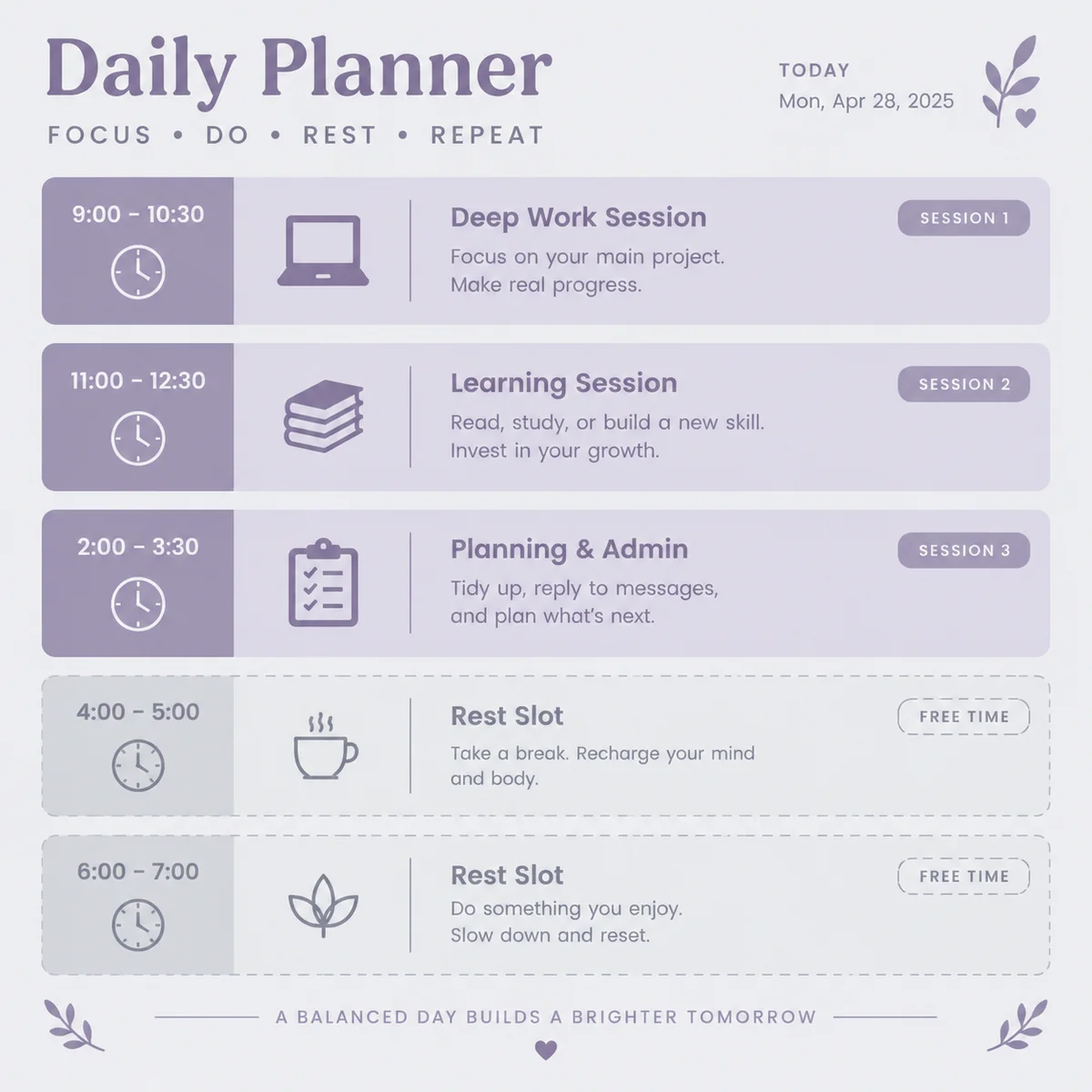
Almost every bad first event follows the same arc: an over-full first day, a late night, skipped meals, and a second day spent depleted and slightly tearful while everyone else seems fine. It is not a personality flaw. It is an intensity problem, and intensity is manageable if you plan for it.
Pick two or three sessions you actually want and treat the rest as optional. Eat at the scheduled times even when you are not hungry. Take one full hour alone each day — a walk, a shower, a nap in the car — and defend it. And write down names and notes in the evening while you can still remember them; by the third day everyone blends into one another and the notes are what you will actually take home.
It also helps to name your purpose out loud to someone on day one. “I am here to learn and meet people, not to hook up” or “I am here with my partner and we are not approaching anyone” is not a killjoy statement. It is a boundary, and it makes every later conversation simpler for the person having it with you.
Coming Home Without the Crash
The comedown is real and it is not a sign the event was bad. You have spent three days in a high-density, high-validation environment and you are returning to a place where none of that is assumed. The contrast produces a flat, slightly grey week, and knowing it is coming makes it much easier to sit through.
Do three things in the first week. Write the follow-ups while the goodwill is fresh — two or three messages to people you genuinely want to see again, not thirty. Tell your existing partners what the weekend actually meant to you, including the parts that were complicated, and schedule something ordinary with them so the re-entry is not only debrief. And separate the two feelings that arrive together: the warmth of new connections, and the restless sense that your everyday life is lacking. They are different, and only one of them needs action. managing new relationship energy and running a structured check-in with a partner both help with that sorting.
Finally, be careful about what you bring back into an existing structure. An event can make a quietly unsatisfying arrangement feel intolerable overnight, and while that reaction is sometimes correct, it is worth a fortnight before you act on it. If the intensity has tipped into something unmanageable, taking a deliberate break from dating and managing anxiety in non-monogamous relationships are the two sensible next reads.
Two external starting points if you want to understand the mechanics of the dip rather than just ride it out: the American Psychological Association’s topic page on stress explains why a genuinely positive change still loads your system, and Psychology Today’s overview of mindfulness is a practical thing to do with the quiet week afterwards.
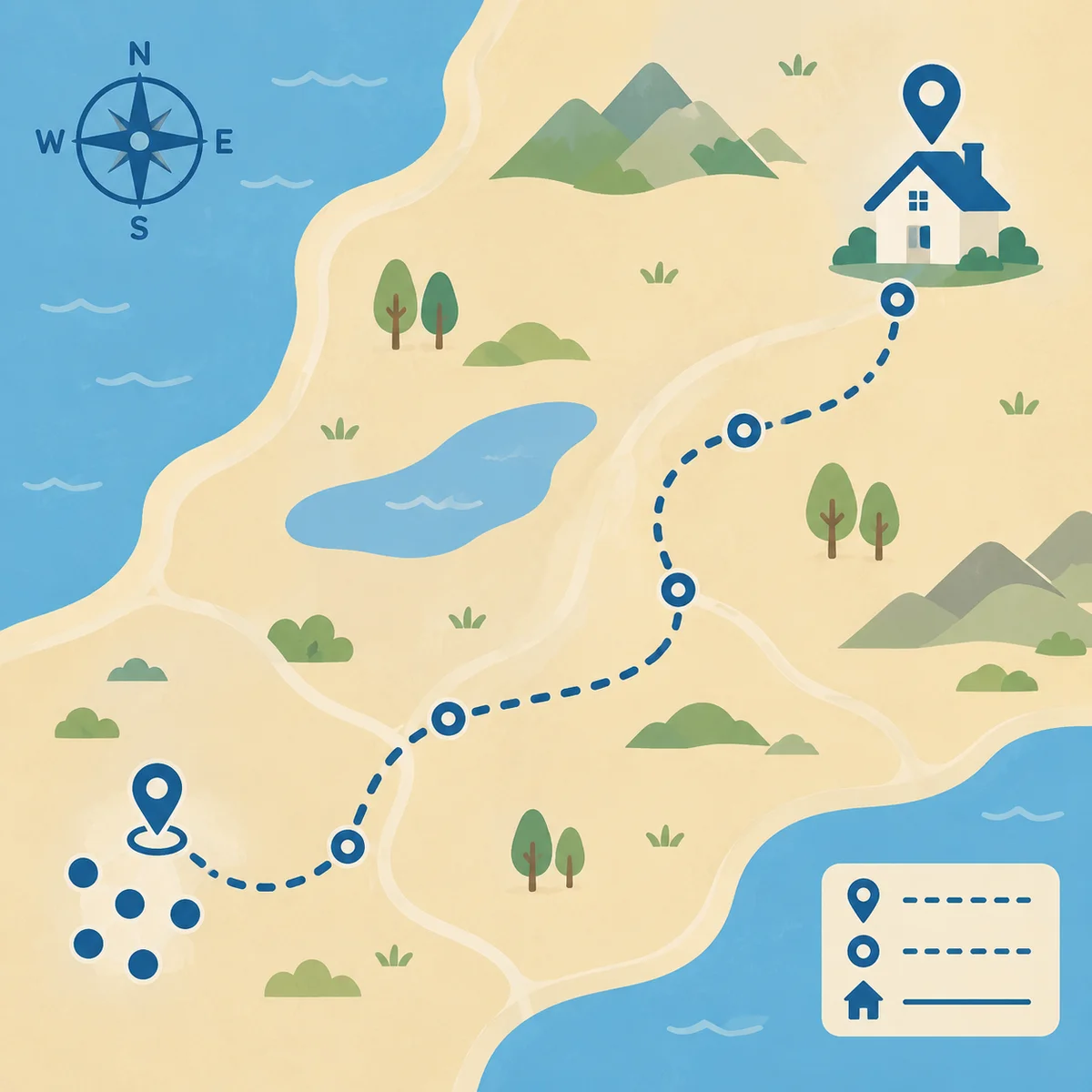
If you are weighing a weekend away against the cost, the honest summary is this: ENM festivals and retreats give you density, calibration and skills in one hit, and the people who get the most from them are the ones who arrive with a plan, a budget and a way out. Everything above is that plan. For a wider view of what is on, finding ENM and lifestyle events near you and planning a trip with more than one partner both start from the same place.
FAQ: ENM Festivals and Retreats
Are ENM festivals and retreats worth it if I am single and live far away?
Usually yes, precisely because you are far away. The value is not the weekend; it is the density of compatible people in one place, which is the thing a thin local pool cannot give you. Go for the workshops and the contacts, and treat anything else as a bonus.
How do I know whether an event is well run before I book?
Look for a specific written code of conduct covering consent, phones and photography; a named organiser with a visible track record; and a stated complaints process. Ask in a community group what last year was like. Vague policies and anonymous organisers are both warning signs.
What should I pack for a first event?
Layers, comfortable shoes, a refillable bottle, earplugs, an eye mask, a torch, any medication you need, and something that lets you be alone comfortably — a book, headphones, a camp chair. Pack for rain and sun in the same bag, and bring cash in case the bar is the only option.
Is it normal to feel flat after going home?
Yes. Three days of high social density followed by an ordinary week produces a noticeable dip, and it is not a verdict on the event or your relationships. Plan a recovery day, send your follow-ups, and give the big decisions a fortnight before you act on them.
What if someone at the event ignores a boundary?
Use the event’s reporting route if there is one, and tell a friend or organiser on site rather than handling it alone. Remove yourself from the situation first — your safety outranks the social awkwardness. A well-run event will back you; one that does not has told you something important about itself.
Editorial note: this article offers general information for adults exploring ethical non-monogamy. It is not legal, medical or mental health advice. Events differ widely in their policies and standards, so check the specific event’s rules before attending.